Handwriting practice Normal Worksheets for 8-Year-Olds - Page 2
30 filtered results
-
From - To
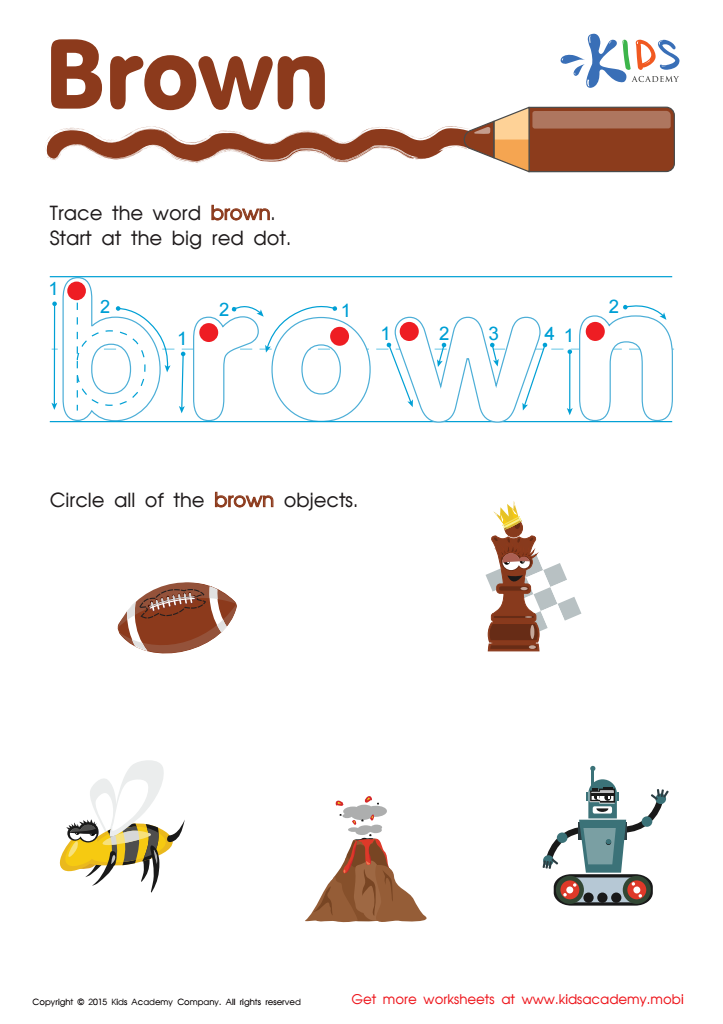
Brown Tracing Color Words Worksheet
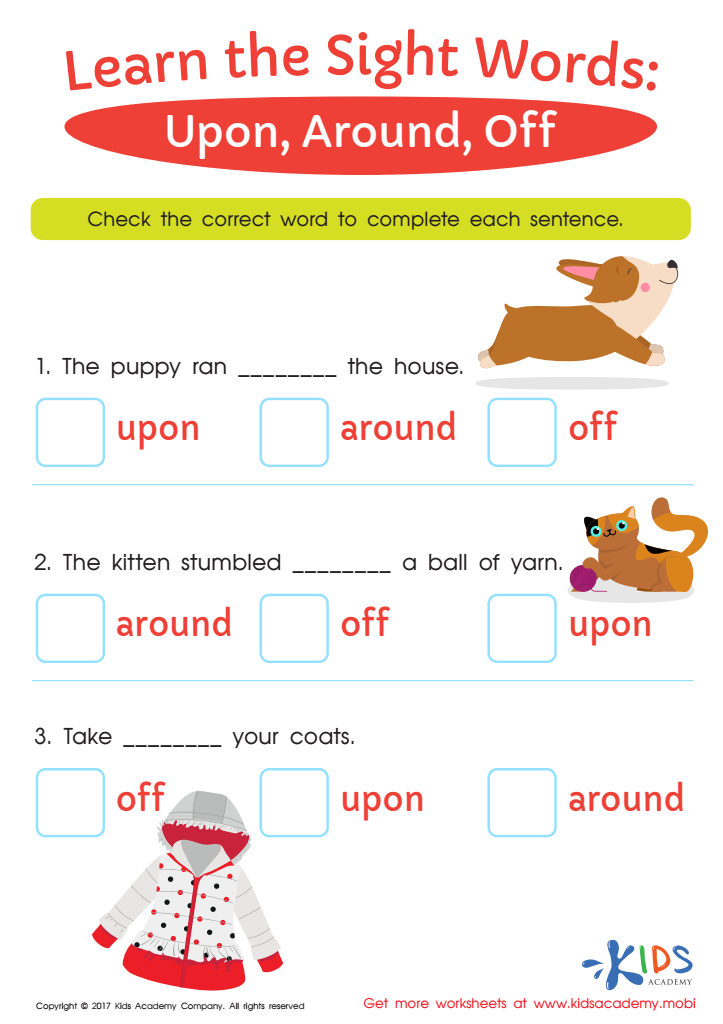
Upon, Around, Off Sight Words Worksheet
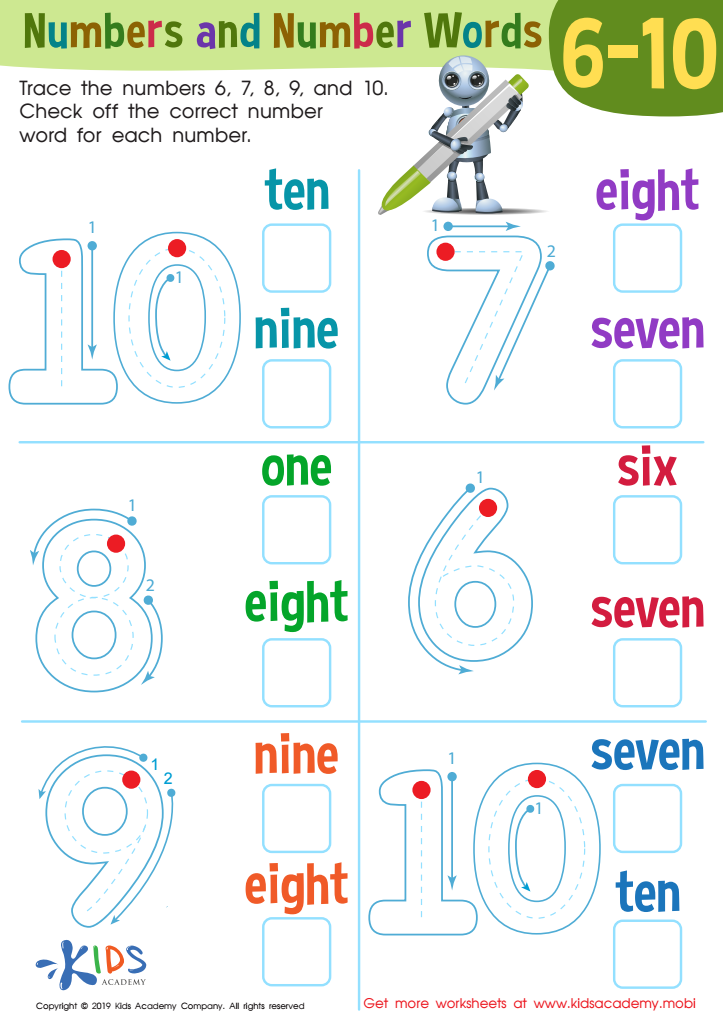
Numbers and Number Words 6–1 Worksheet
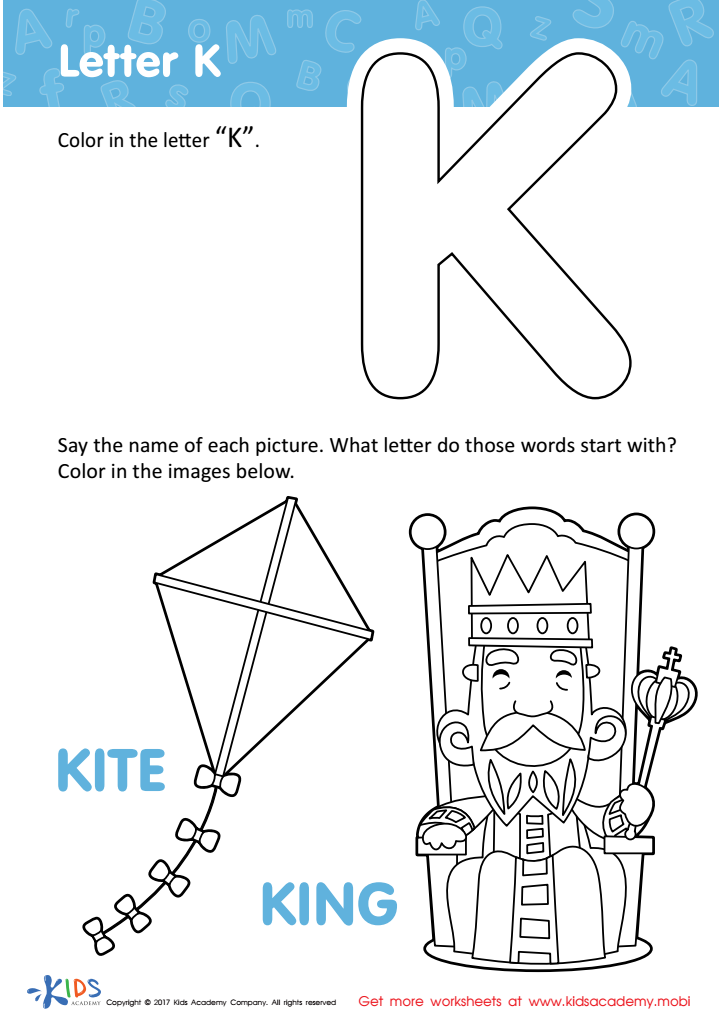
Letter K Coloring Sheet
 Assign to My Students
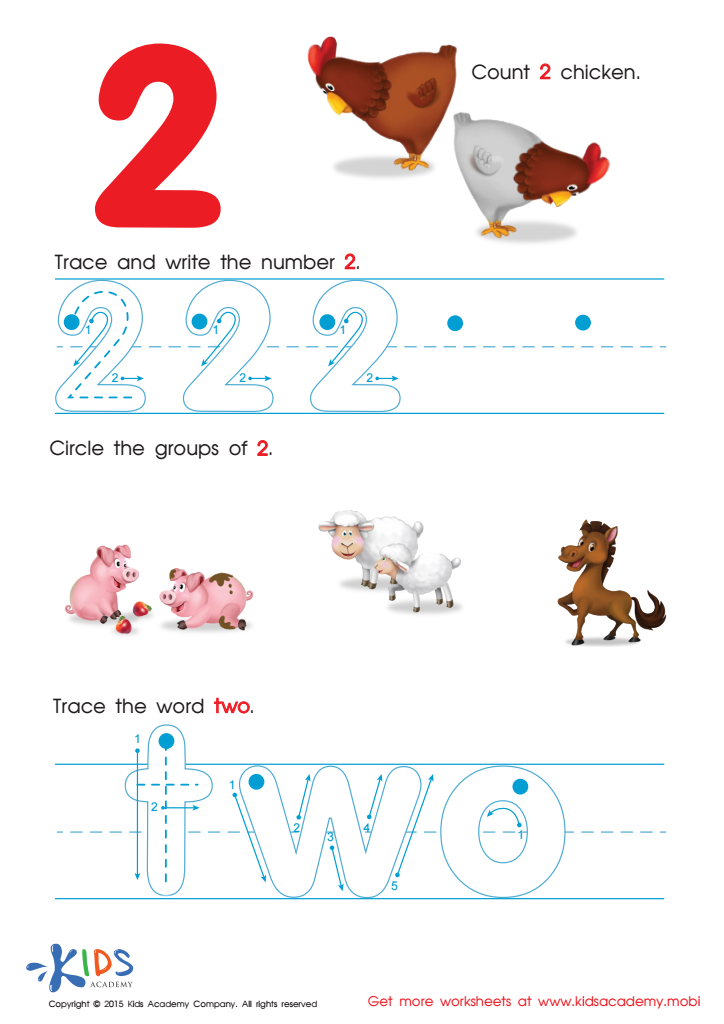
Learn to Write the Number 2 Worksheet
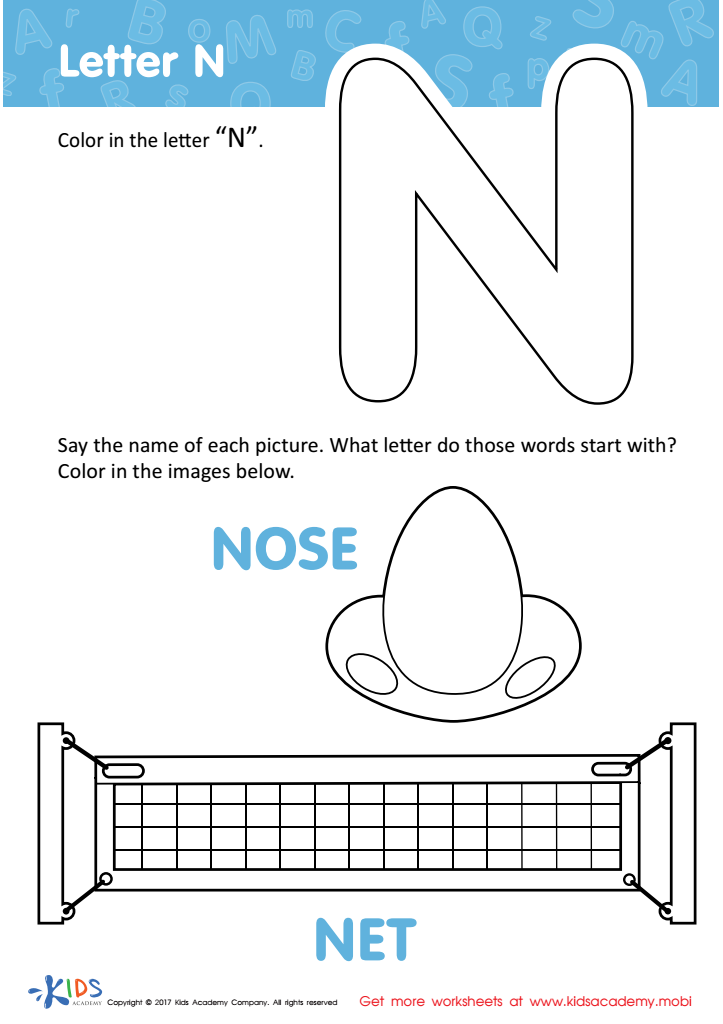
Letter N Coloring Sheet
Assign to My Students







Handwriting practice is essential for 8-year-olds as it fosters crucial skills necessary for their academic, social, and motor development. At this age, children are refining their fine motor skills, which are foundational for writing. Regular practice nurtures muscle memory, enabling them to form letters with greater ease and efficiency. This reduction in physical struggle with handwriting allows children to focus more on the content of their writing, enhancing their creativity and expression.
Furthermore, good handwriting can impact a child's academic performance. Clear, legible writing improves the readability of their work, helping teachers better understand students’ thoughts and ideas. Developing clear handwriting also boosts self-esteem and confidence; when children take pride in their writing, they are more likely to engage in written tasks.
In a digital age, where typing skills are emphasized, parents and teachers should ensure that children do not overlook the art of handwriting. Fostering this skill enriches a child’s learning experience by enhancing focus and discipline. Additionally, it helps with cognitive processes such as reading and spelling, as the act of writing solidifies language learning. Overall, investing time in handwriting practice yields lasting benefits that extend beyond the classroom.








