Understanding patterns Normal Worksheets for 8-Year-Olds
5 filtered results
-
From - To
Unlock your child's potential with our "Understanding Patterns Normal Worksheets for 8-Year-Olds"! At Kids Academy, we create engaging, educational resources that help children master pattern recognition and sequencing—a fundamental skill for math and cognitive development. With bright visuals and interactive tasks, our worksheets make learning fun, fostering critical thinking and attention to detail. Perfect for home or classroom, these worksheets support skill-building at a comfortable pace, ensuring kids feel confident and accomplished. Download now to watch your 8-year-old thrive in their learning journey with ease and excitement!
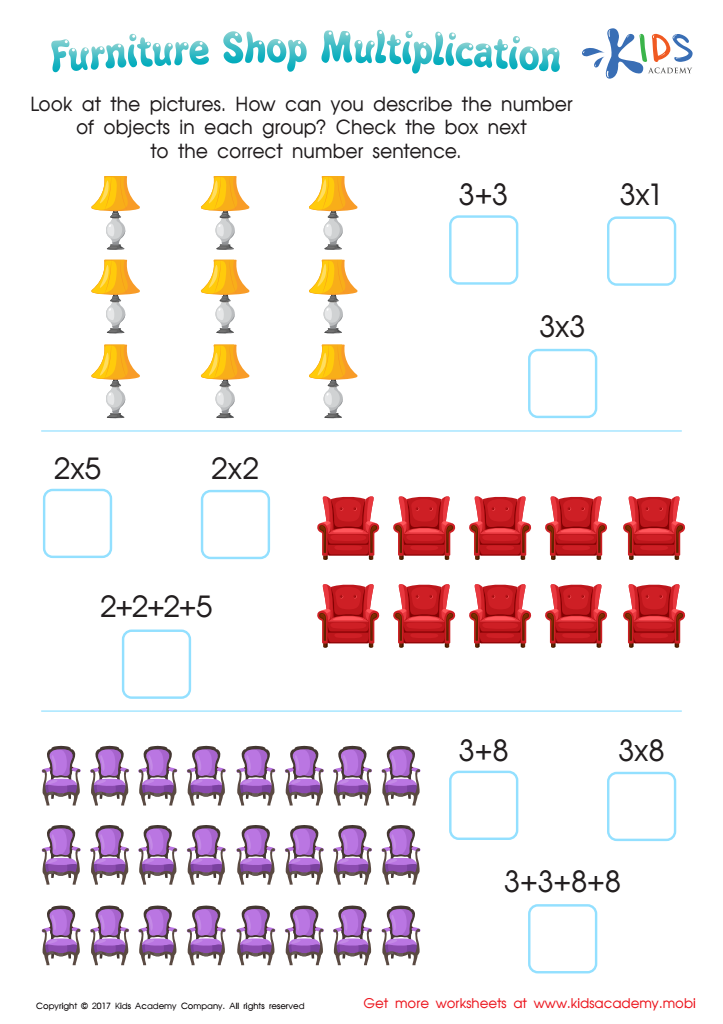
Furniture Shop Worksheet
 Assign to My Students
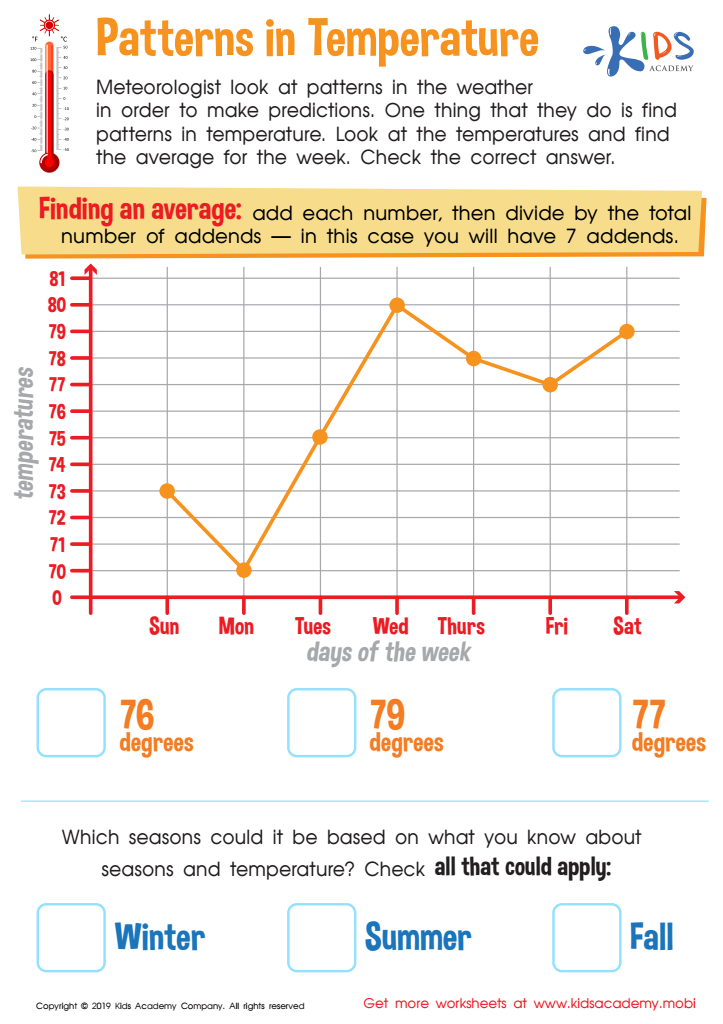
Patterns in Temperature Worksheet
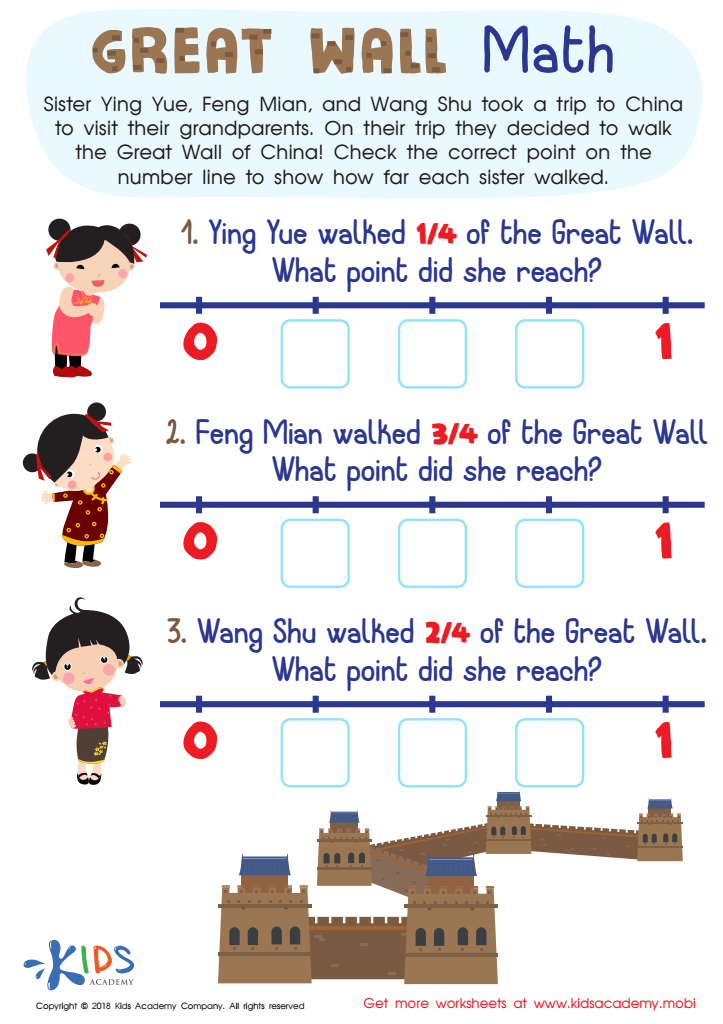
Great Wall Math Worksheet
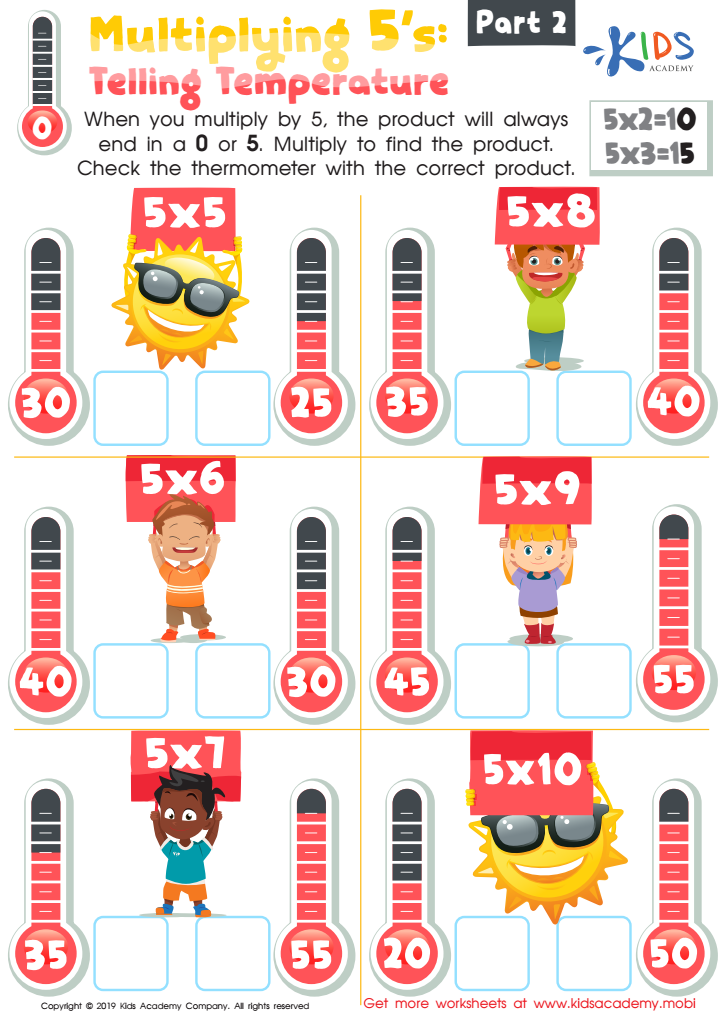
Multiplying 5’s: Telling Temperature Part 2 Worksheet
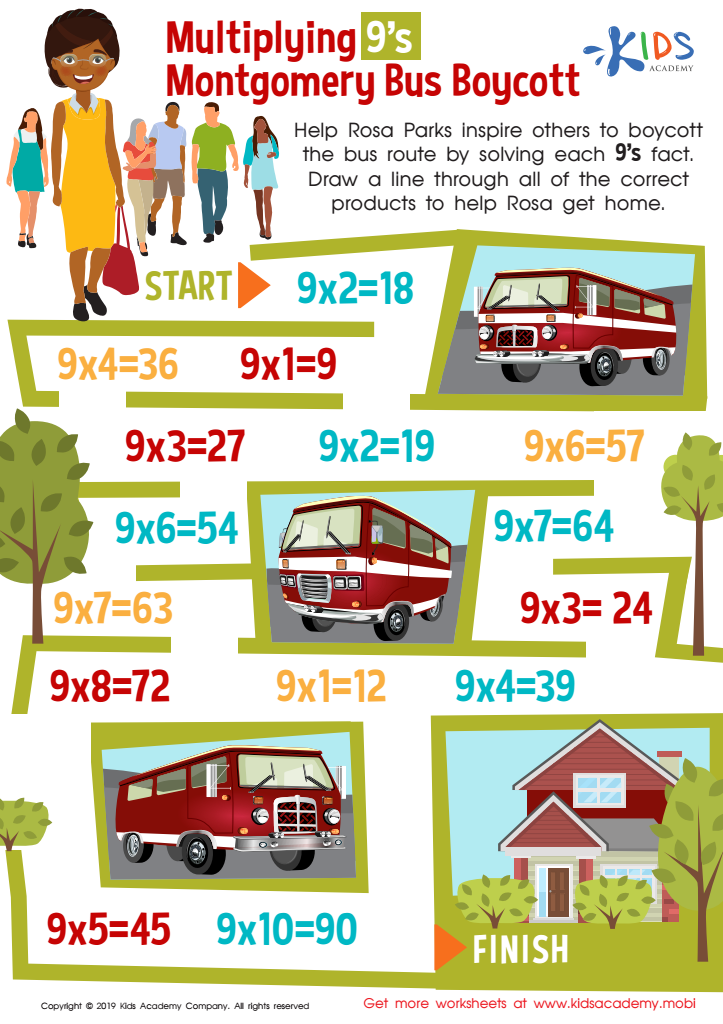
Multiplying 9’s Montgomery Bus Boycott Worksheet







Understanding patterns at the age of 8 is crucial for a child's cognitive and academic development. Patterns help children recognize order and make predictions based on that order, which are foundational skills across many domains. For instance, spotting arithmetic patterns aids in the learning of multiplication tables and problem-solving strategies in math. These skills establish a basis for algebra and advanced mathematical concepts they will encounter later on.
In addition to strengthening math skills, pattern recognition fosters logical thinking and reasoning. These skills are not exclusive to mathematics—they're essential for understanding grammar in language arts, and the periodic table in science, and even contribute to strategic thinking in games and sports. Essentially, patterns help children make sense of the world around them.
Moreover, grasping patterns hones a child's observational and analytical skills. This observation aids in daily tasks, such as understanding routines and sequences, equipping children with the ability to follow complex instructions and processes.
Finally, recognizing and understanding patterns can boost children’s confidence and enjoyment in learning. Mastery of patterns tends to encourage curiosity, independent learning, and problem-solving—skills that form the bedrock of lifelong learning. Parents and teachers investing in this aspect of education will see children who are more adept, confident, and engaged across various subjects.








