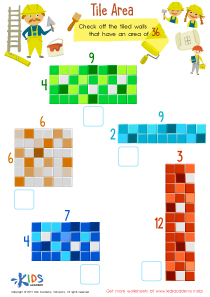
Cultural awareness Normal Numbers Worksheets for 8-Year-Olds
3 filtered results
-
From - To
Discover our engaging Cultural Awareness Normal Numbers Worksheets designed for 8-year-olds! These worksheets combine essential math skills with enriching cultural knowledge, fostering appreciation and understanding among young learners. As children practice number recognition, counting, and basic arithmetic, they also explore diverse cultures and traditions from around the world. Each worksheet encourages critical thinking and promotes inclusivity, making math not just a subject but a gateway to global awareness. Perfect for home-schooling or classroom use, these educational resources are both fun and informative, empowering students to see the value in diversity while mastering fundamental math concepts. Explore cultural connections through numbers today!
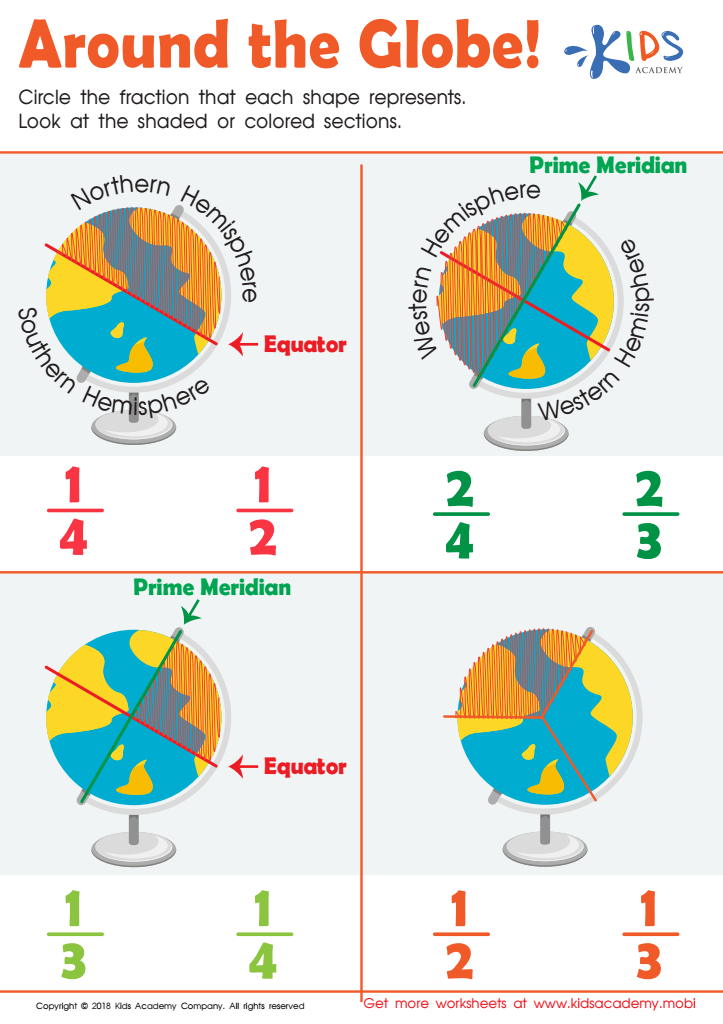
Around the Globe Worksheet
 Assign to My Students
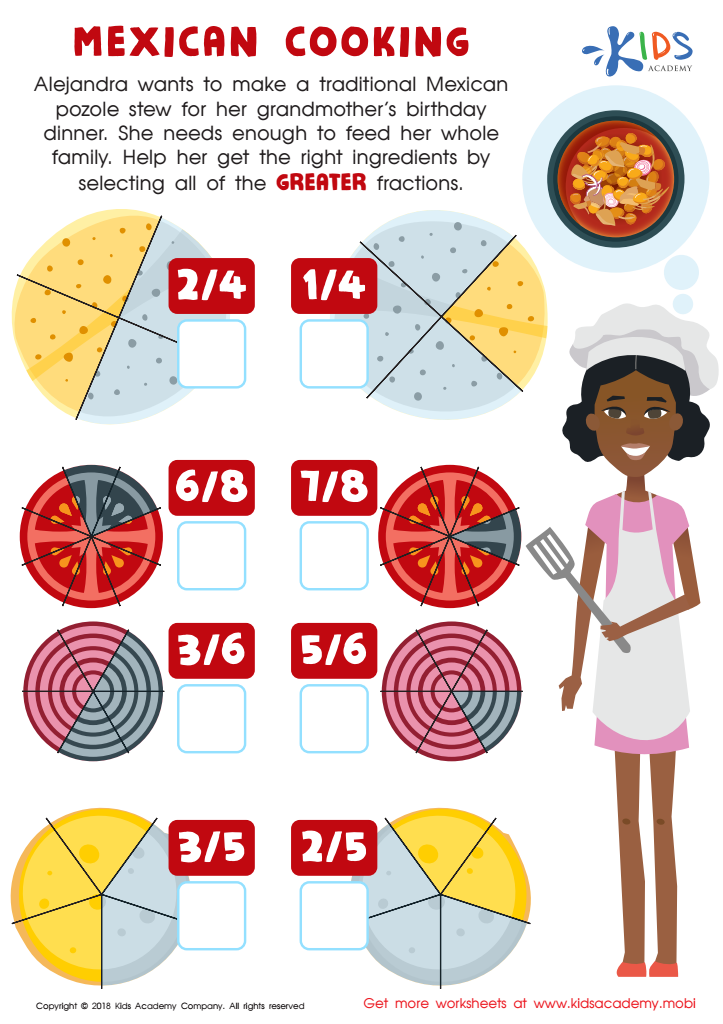
Mexican Cooking Worksheet
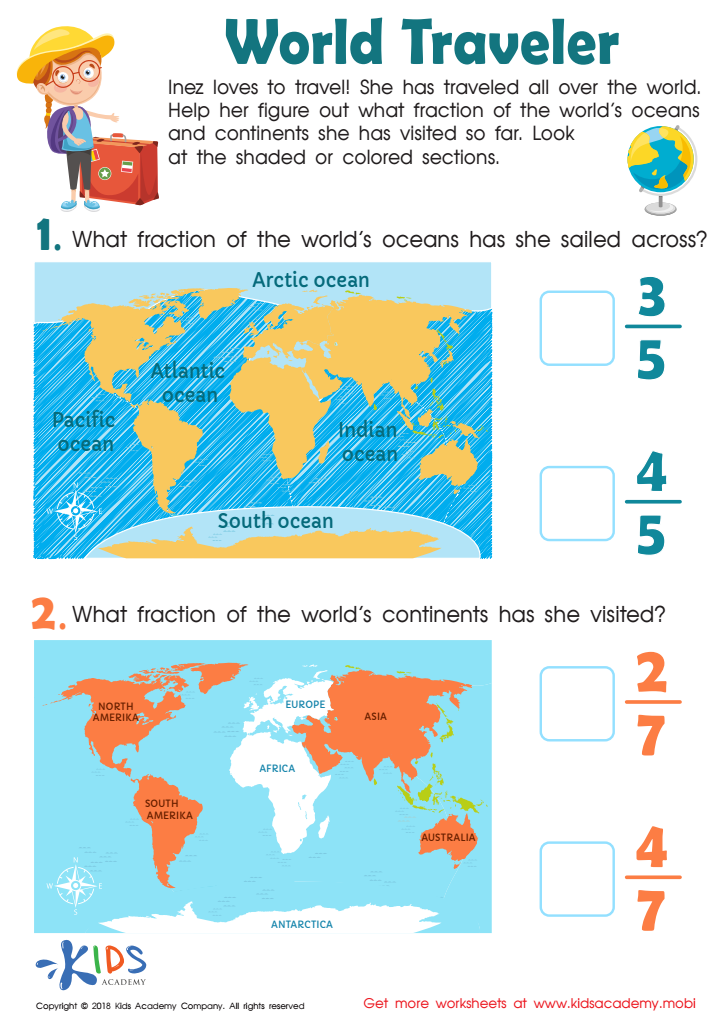
World Traveler Worksheet






Cultural awareness is vital for 8-year-olds as it shapes their understanding of the diverse world they live in. For parents and teachers, fostering cultural awareness promotes empathy, respect, and acceptance, helping children build positive relationships with peers from different backgrounds. Understanding cultural norms and values equips children with the skills necessary to navigate social interactions, enhancing their ability to collaborate in diverse settings.
At this impressionable age, children begin to form their opinions about others and their perceptions of inclusion. By recognizing and celebrating differences, parents and teachers can combat stereotypes and prevent bullying. Normalizing discussions about cultural diversity in the classroom and at home encourages children to express curiosity, ask questions, and develop critical thinking skills.
Furthermore, cultural awareness supports academic growth. When students can relate learning material to various cultural contexts, they become more engaged and motivated. Through stories, music, and traditions from around the globe, educators can provide enriched learning experiences that reflect students' diverse backgrounds.
Ultimately, when parents and teachers prioritize cultural awareness, they help create a supportive environment where each child feels valued and understood, paving the way for more harmonious communities in the future.