Problem-Solving Skills Normal Reading Comprehension Worksheets for 8-Year-Olds
6 filtered results
-
From - To
Enhance your 8-year-old's reading comprehension with our engaging problem-solving skills worksheets! Designed to strengthen critical thinking, these age-appropriate activities encourage children to analyze various scenarios and draw logical conclusions. Each worksheet features vibrant illustrations and relatable stories that captivate young minds while promoting literacy. Unique challenges spark curiosity and inspire learners to develop effective strategies for resolving issues in text. Our resources not only improve comprehension but also foster a love for reading. Perfect for classroom use or home practice, these worksheets help students become confident readers and adept problem solvers. Unlock the joy of learning with our fun, interactive materials today!
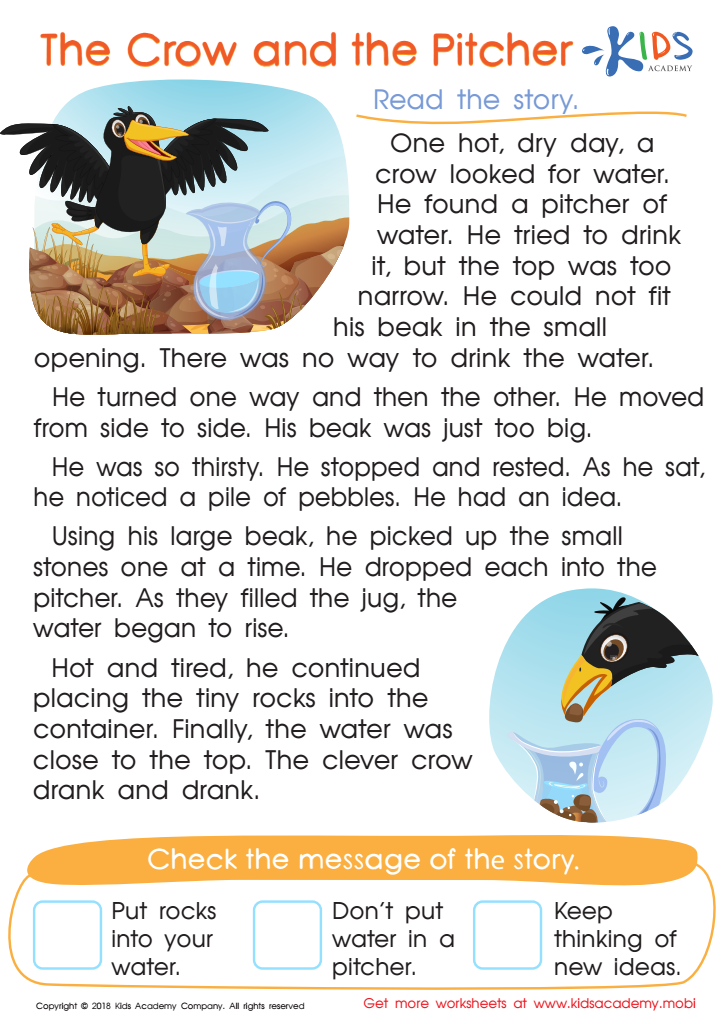
The Crow and the Pitcher Worksheet
 Assign to My Students
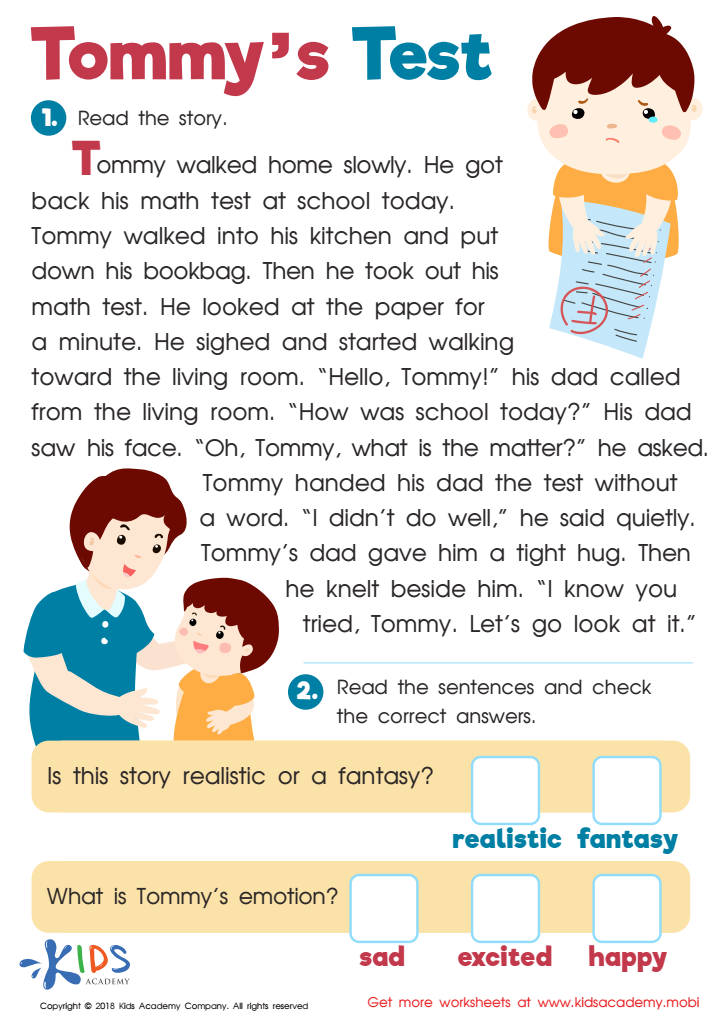
Tommys Test Worksheet
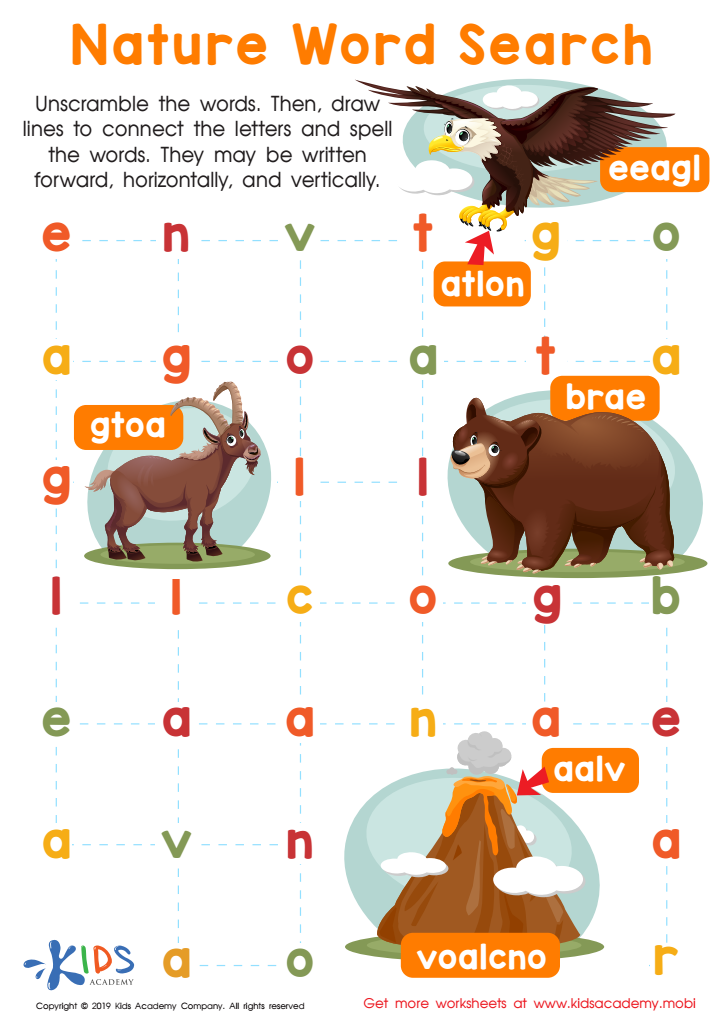
Nature Word Search Worksheet
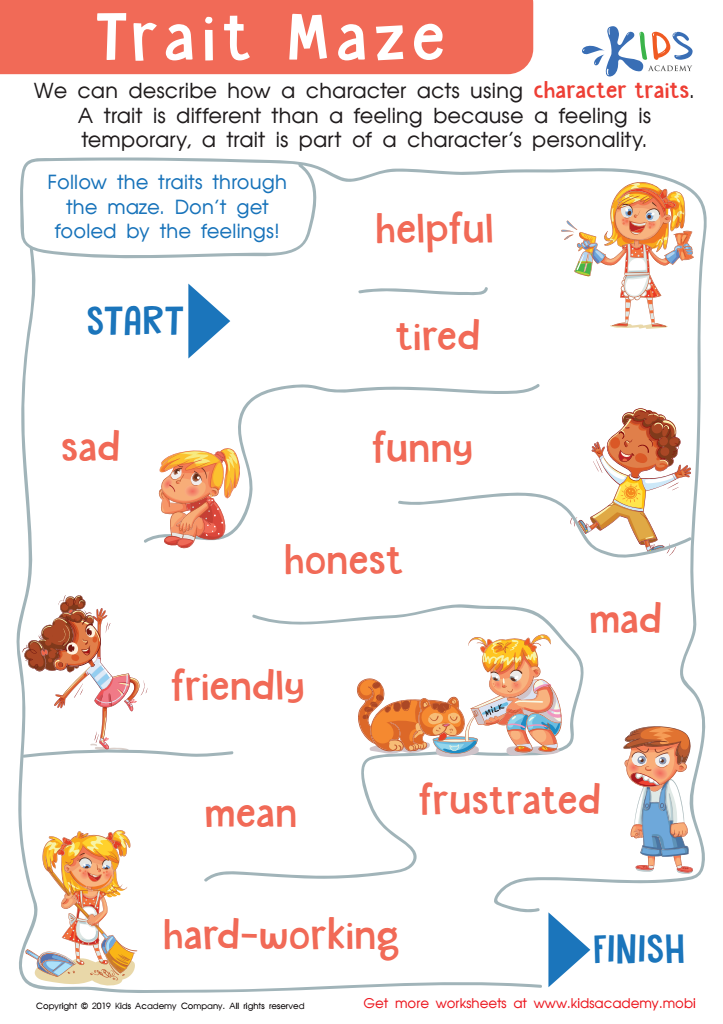
Trait Maze Worksheet
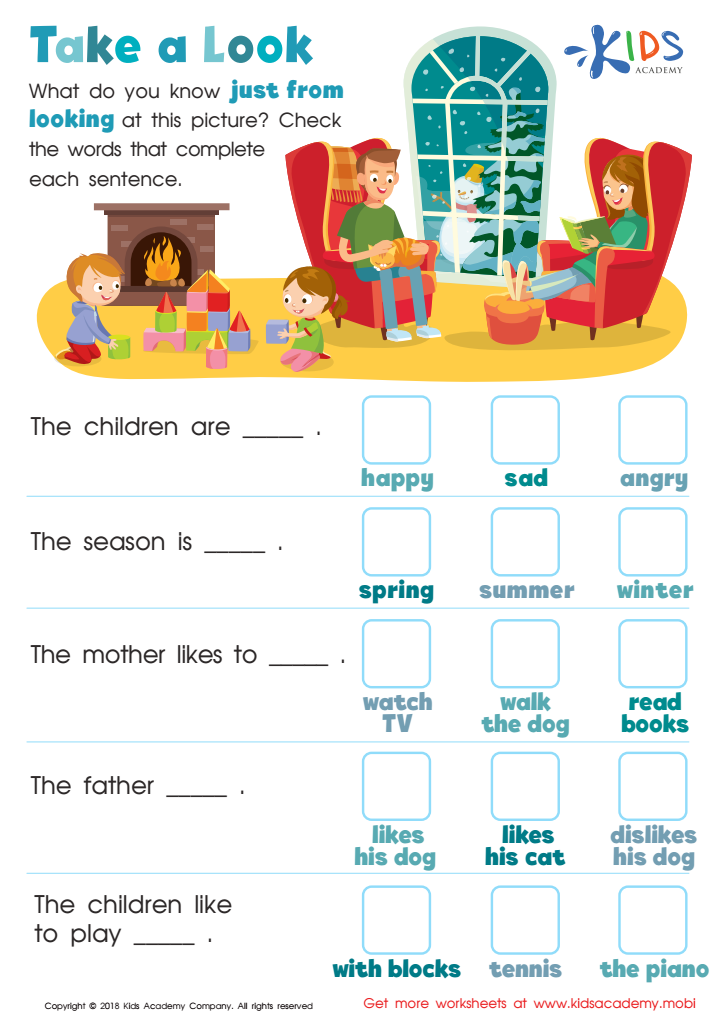
Take a Look - Part 1 Worksheet
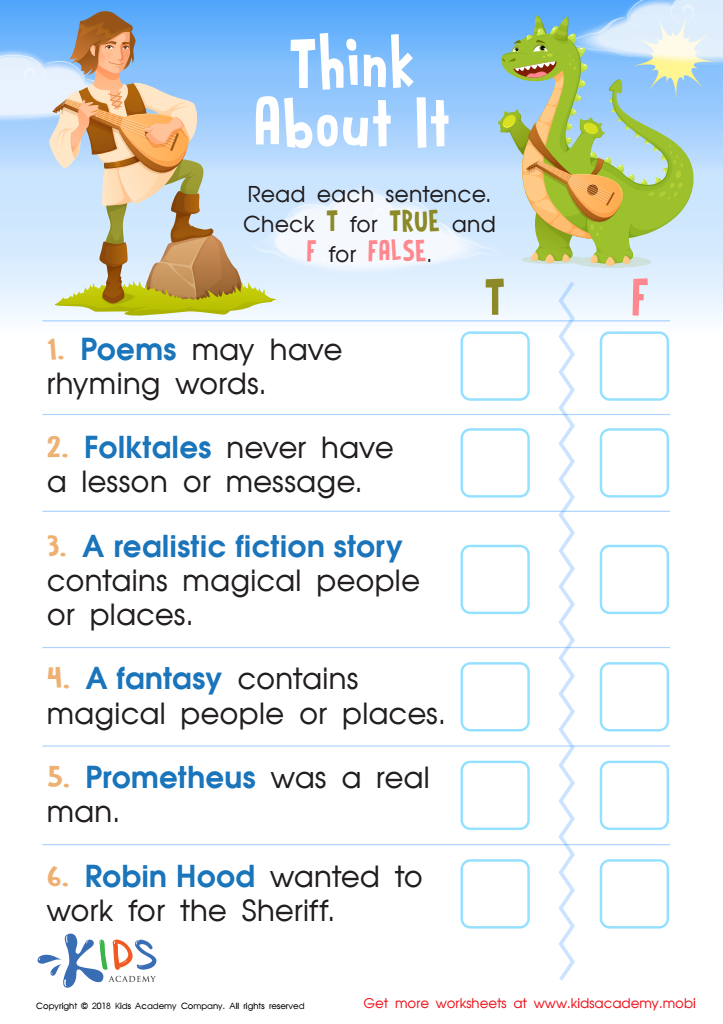
Think About It: Assessment Worksheet








Parents and teachers should prioritize problem-solving skills and reading comprehension for 8-year-olds because these abilities are foundational for lifelong learning and development. At this age, children are not only absorbing information but also beginning to analyze and apply it, linking new concepts to their existing knowledge. Strong problem-solving skills empower children to tackle challenges critically and creatively, enhancing their independence and confidence.
Moreover, reading comprehension is crucial for academic success across all subjects. When children can understand and interpret text, they unlock the ability to engage with more complex ideas, ask questions, and synthesize information. This skill set not only improves school performance but also encourages a love for reading—a valuable habit that fosters curiosity and emotional intelligence.
Furthermore, these skills are interwoven; good reading comprehension allows children to better understand problems posed in textual formats, whether in math, science, or literature. By promoting these abilities, we are equipping young learners with the tools they need to navigate an increasingly complex world. Collaborative efforts from parents and teachers can ensure that children remain motivated and supported in developing these essential skills, laying the groundwork for future academic and personal successes.








