Critical Thinking Normal Reading Non-Fiction Worksheets for 8-Year-Olds
4 filtered results
-
From - To
Explore our engaging Critical Thinking Normal Reading Non-Fiction Worksheets, specifically designed for 8-year-olds! These worksheets encourage young learners to analyze, evaluate, and synthesize information from various non-fiction texts. By integrating critical thinking skills into reading activities, children will enhance their comprehension and reasoning abilities while enjoying fascinating topics. Ideal for home or classroom use, each worksheet promotes independent thinking and allows kids to express their ideas creatively. Help your child become a confident reader and thinker while fostering a love for learning! Dive into our collection and empower your 8-year-olds with essential skills that will benefit them for years to come.
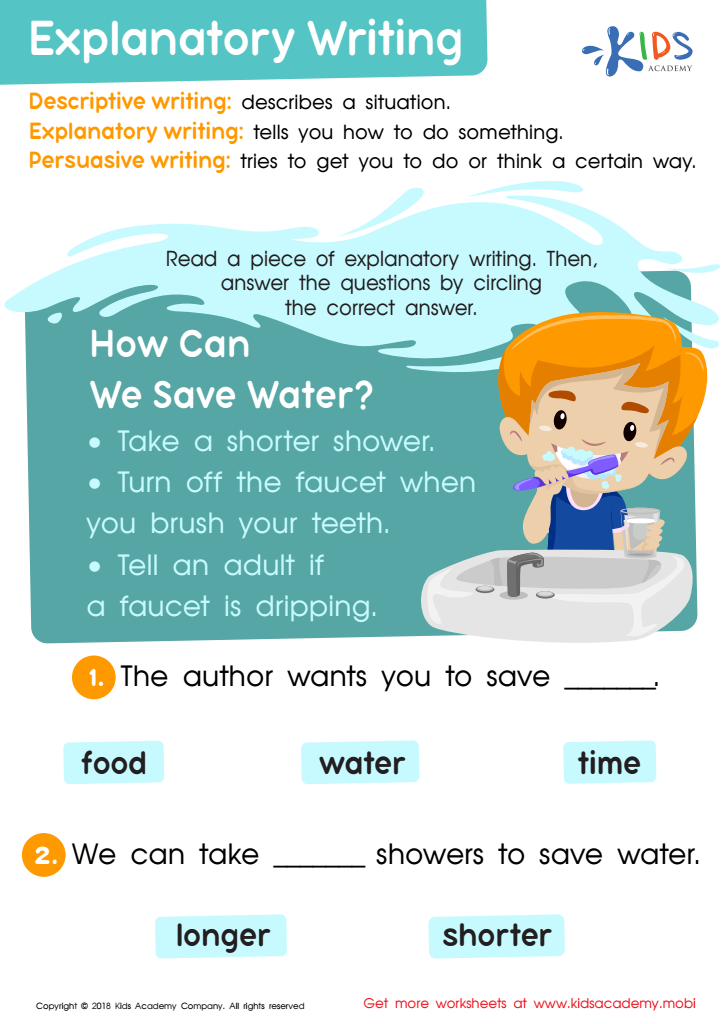
Explanatory Writing Worksheet
 Assign to My Students
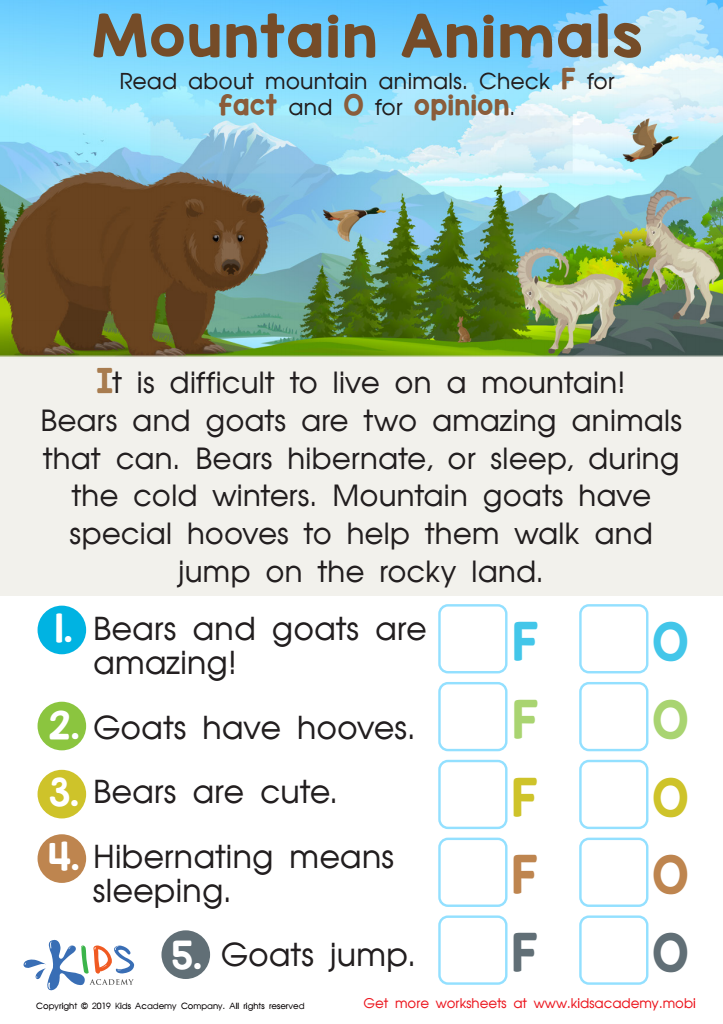
Mountain Animals Worksheet
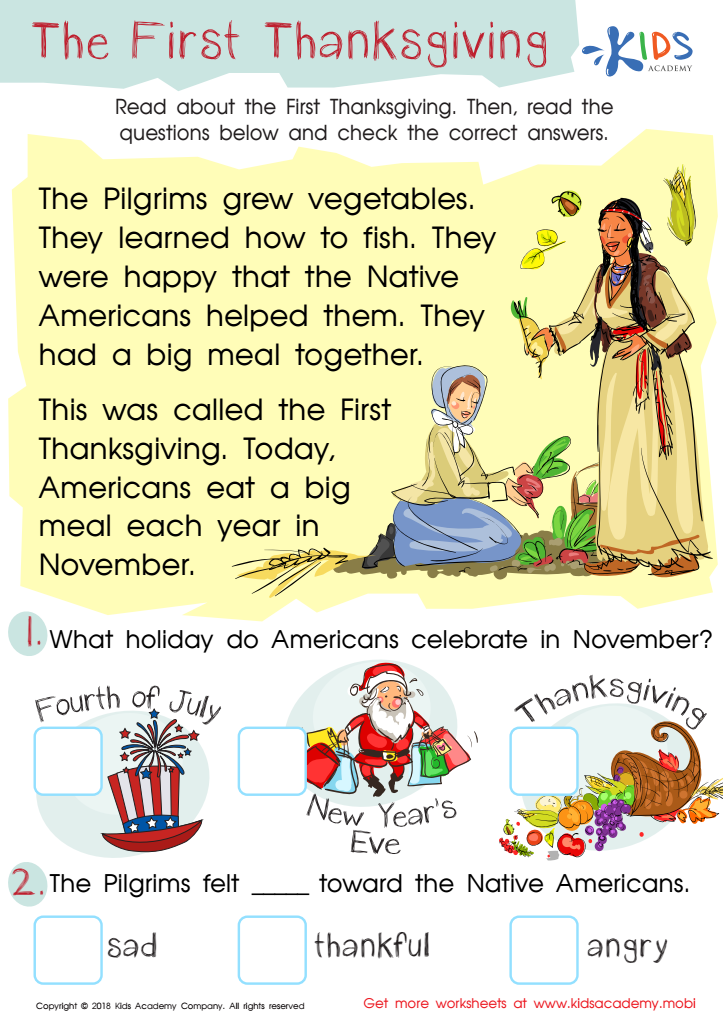
Assessment: First Thanksgiving Worksheet
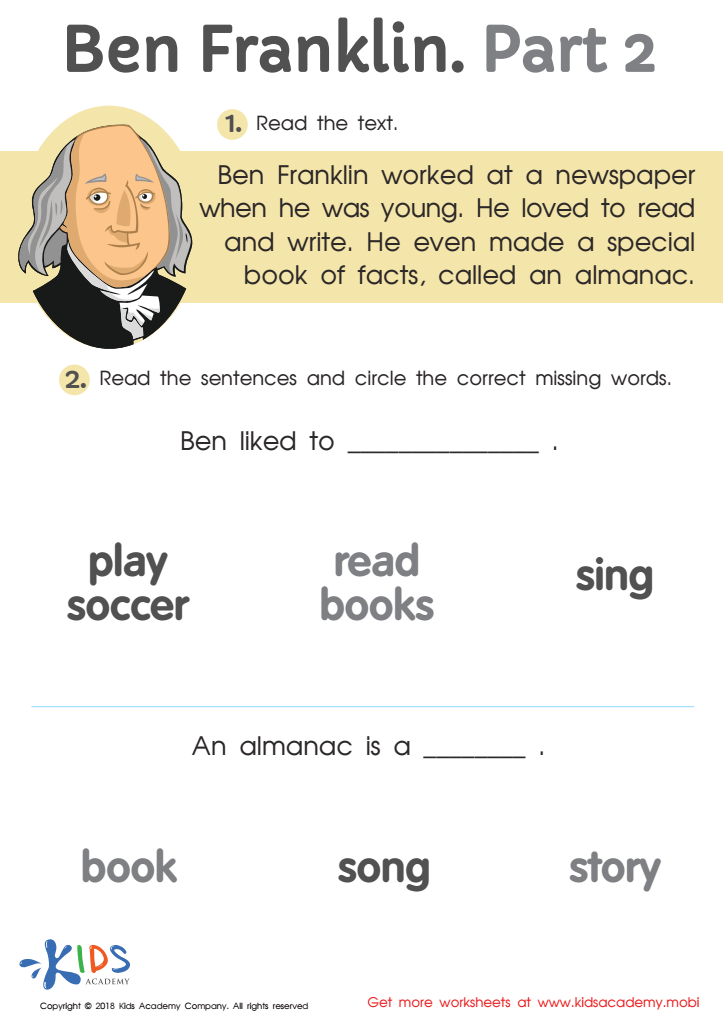
Ben Franklin Part 2 Worksheet








Critical thinking in reading, particularly non-fiction, is vital for 8-year-olds as it nurtures their ability to analyze, evaluate, and synthesize information. At this age, children are forming their understanding of the world, and non-fiction texts can provide accurate, real-world insights that engage their curiosity and promote a desire for knowledge.
When parents or teachers encourage critical thinking in reading, they help children develop essential skills such as questioning, comparison, and inferencing. These skills are crucial for deciphering complex information, distinguishing facts from opinions, and forming informed conclusions—abilities that extend beyond the classroom and into everyday life.
Moreover, critical thinking empowers children to become independent learners. By fostering curiosity and encouraging exploration within non-fiction materials, adults are guiding students toward becoming adept problem solvers and thoughtful decision-makers.
In an age where misinformation is prevalent, instilling critical thinking is more important than ever. Parents and educators can equip children with the tools to navigate and interpret the vast amount of information they encounter, ensuring they grow up to be informed, responsible, and critical thinkers in an increasingly complex world. Investing in these skills now lays a strong foundation for future academic success and personal growth.