
Environmental awareness Normal Science Worksheets for 8-Year-Olds
6 filtered results
Difficulty Level
Grade
Age
-
From - To
Subject
Activity
Standards
Explore our comprehensive collection of Environmental Awareness Normal Science Worksheets designed specifically for 8-year-olds! These engaging worksheets focus on key concepts related to ecology, conservation, and the natural world, helping young learners understand their role in protecting the environment. With fun activities, vivid illustrations, and interactive exercises, students will develop critical thinking skills while learning about important topics like recycling, ecosystems, and endangered species. Perfect for teachers and parents, these worksheets make learning about the environment enjoyable and accessible. Encourage a love for nature and equip children with the knowledge they need to become responsible stewards of our planet today!
Favorites
With answer key
Interactive
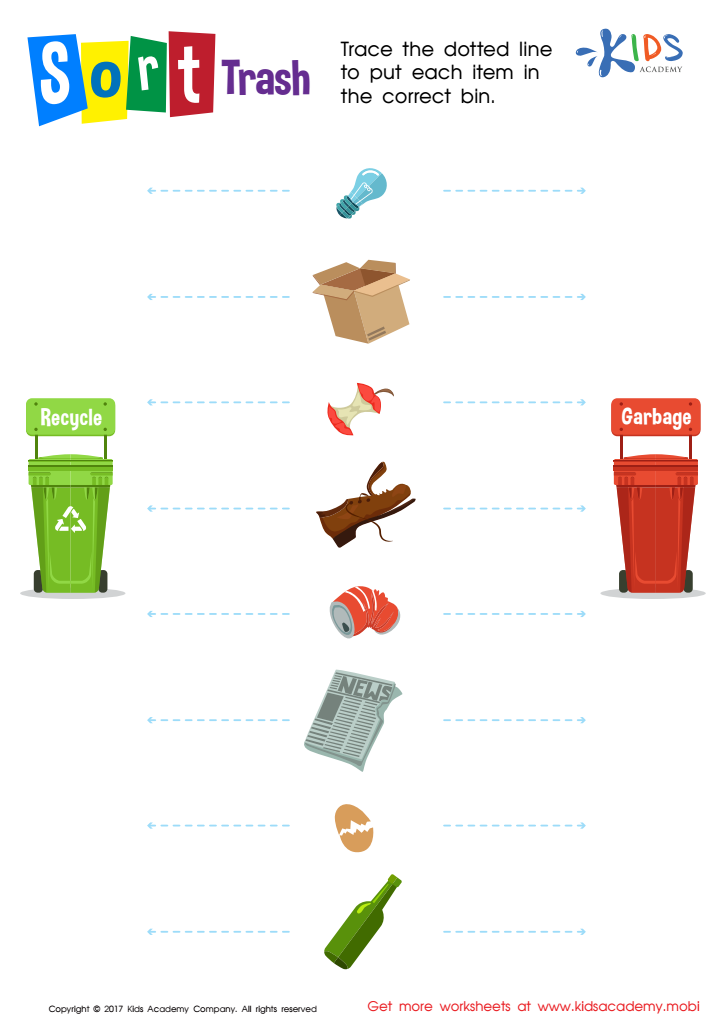
Trash Sorting Worksheet
Recycling is essential for protecting our planet. It limits landfill waste and allows materials to be reused. This worksheet teaches kids how to recycle properly, distinguishing between items that can be recycled and those that need to be thrown away.
 Assign to My Students
Trash Sorting Worksheet
Worksheet
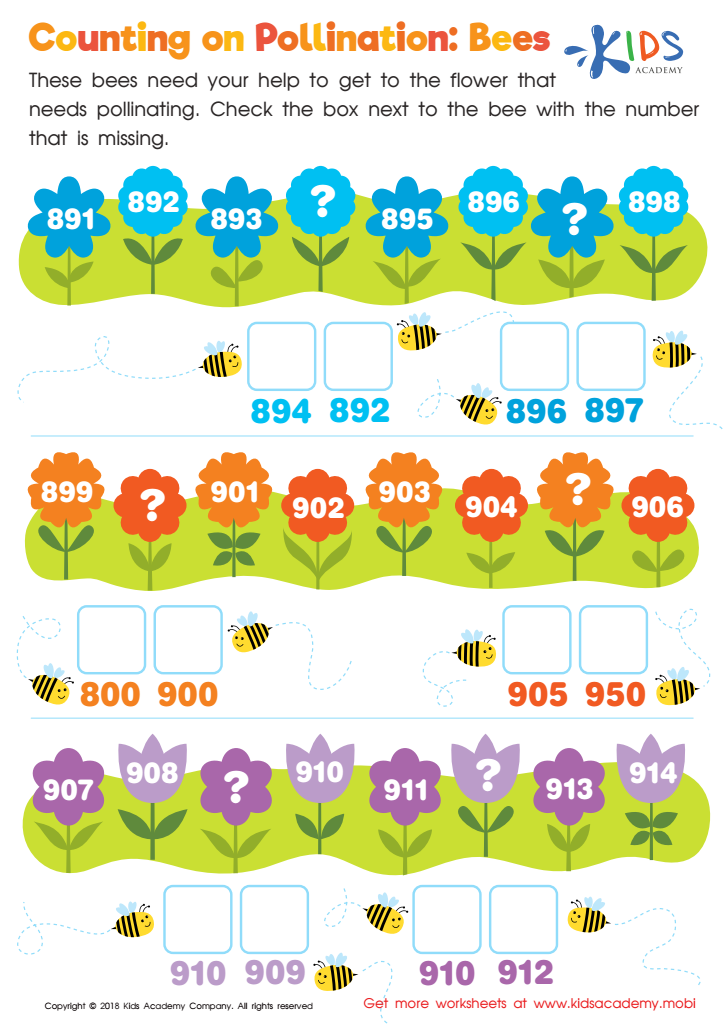
Counting on Pollination: Bees Worksheet
This downloadable worksheet helps kids improve their math skills while having fun - they'll help the bees pollinate the flowers by finding the missing number. It's an entertaining way to practice number patterns, sequences and number line skills, aiding in fast and efficient math computations.
Counting on Pollination: Bees Worksheet
Worksheet
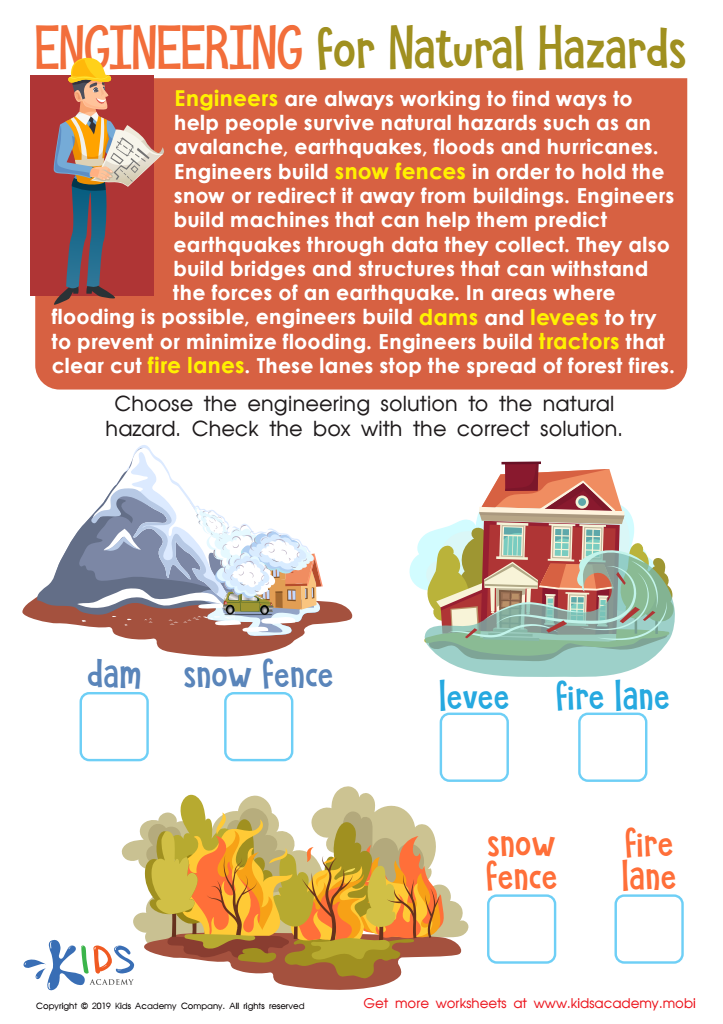
Engineering Natural Hazards Worksheet
Natural hazards can be lessened with precautions. This free worksheet engages kids with informative text on how engineers protect us and lets them practice reading comprehension by choosing the right option.
Engineering Natural Hazards Worksheet
Worksheet
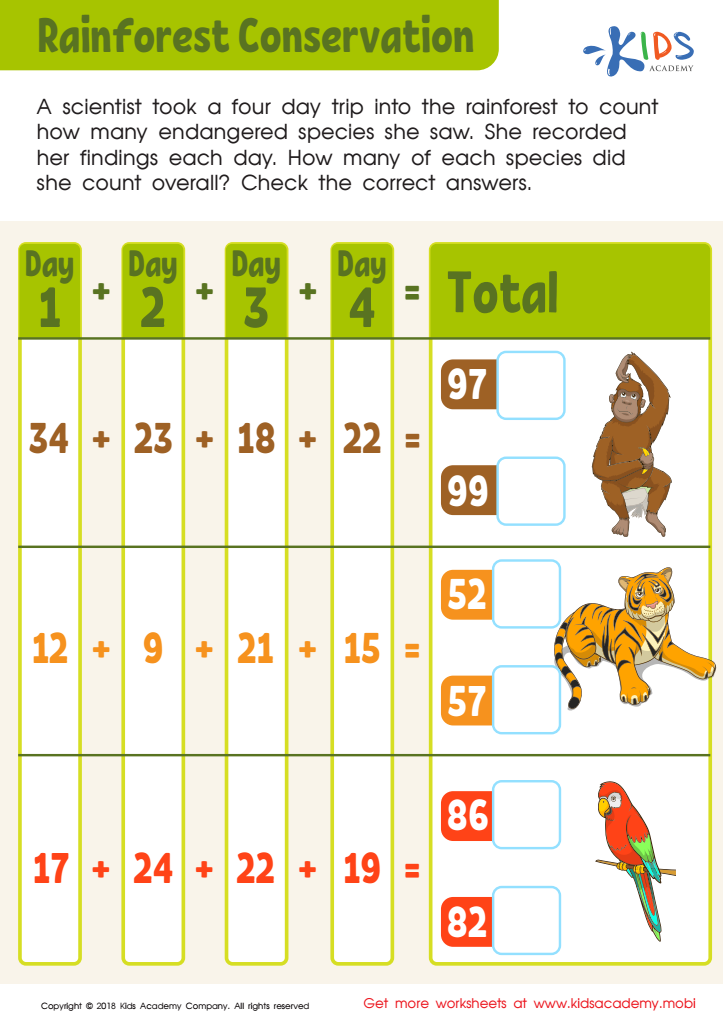
Rainforest Conservation Worksheet
Explain to your child what a rainforest is and why it's important. A scientist took a four-day trip to count endangered species. Let your child count how many of each species were seen in total. Check the answers and help them understand.
Rainforest Conservation Worksheet
Worksheet
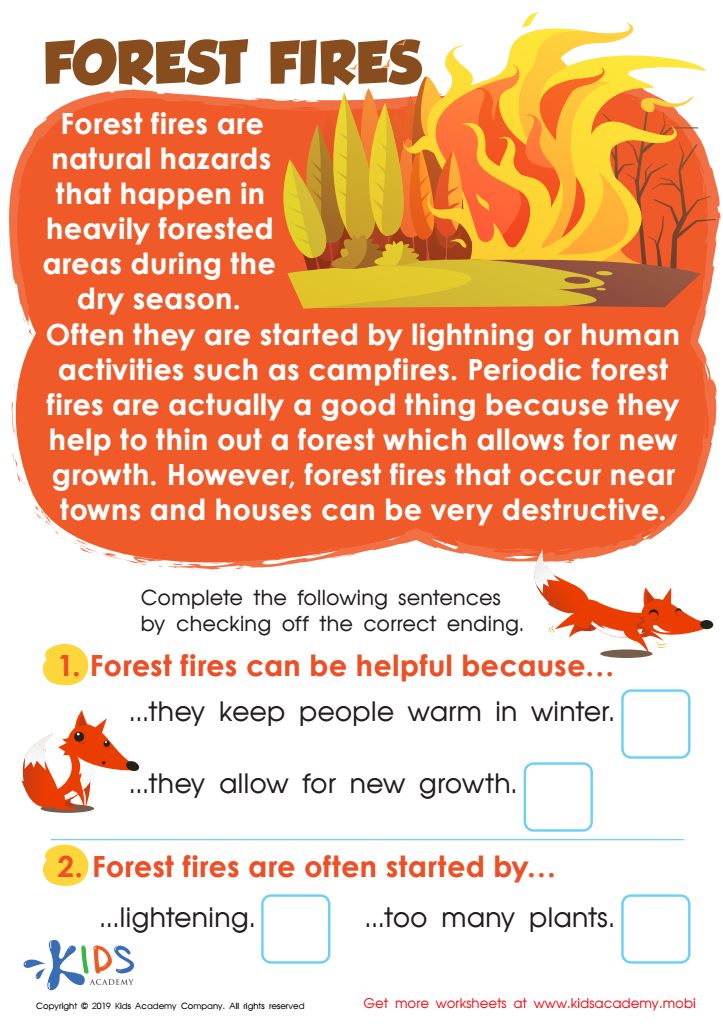
Forest Fires Worksheet
This free worksheet helps kids learn about forest fires. It encourages critical thinking by allowing them to answer multiple-choice questions. It is an important opportunity for children to develop reading skills, as understanding text is essential for further academic success. Download the PDF to give them the chance to practice comprehension and strengthen their knowledge.
Forest Fires Worksheet
Worksheet
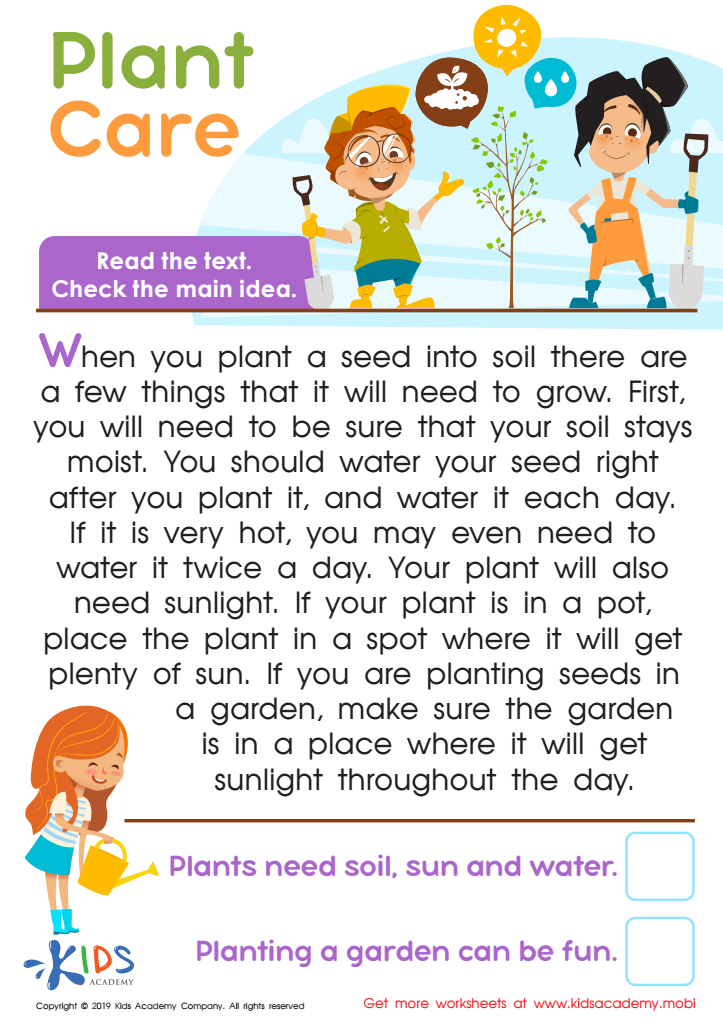
Plant Care Worksheet
Encourage your children to read by helping them practice. Print out the worksheet and read the text with them. Help them understand the words and find the main idea. This will improve their reading skills and prepare them for school.
Plant Care Worksheet
Worksheet
Join Kids Academy for Free
Who is primarily going to use this learning content?






Environmental awareness is crucial for 8-year-olds because these early years shape their understanding of the world. Teaching children about the environment nurtures curiosity and responsibility towards nature, encouraging them to be conscientious stewards of the planet. When parents and teachers emphasize environmental awareness, they help children grasp concepts like ecosystems, conservation, and sustainability in a relatable way.
At this age, children are naturally curious and eager to explore their surroundings. Activities like exploring gardens, observing animals, or engaging in simple recycling projects can ignite a passion for science and nature. By integrating environmental education into daily life, adults foster critical thinking skills, instilling an appreciation for diversity in the natural world.
Moreover, strong environmental awareness promotes good habits early on. Children learn the importance of reducing, reusing, and recycling, leading to healthier habits in adulthood. Engaging them in discussions about air and water quality or climate change empowers them to think about their future and the impacts of their actions.
Ultimately, by caring about environmental awareness, parents and teachers empower the next generation to protect and preserve the planet, ensuring a healthier, more sustainable world for all. Investing in their understanding today lays the groundwork for informed and engaged future citizens.







