
Improving comprehension Normal Science Worksheets for 8-Year-Olds
3 filtered results
Difficulty Level
Grade
Age
-
From - To
Subject
Activity
Standards
Unlock your child's potential with our "Improving Comprehension Normal Science Worksheets" designed specifically for 8-year-olds. These engaging resources enhance reading and understanding skills while exploring the fascinating world of science. Each worksheet features age-appropriate topics that pique curiosity and stimulate critical thinking. Through fun activities, children practice making inferences, identifying main ideas, and drawing conclusions—essential skills for lifelong learning. Our worksheets promote independent reading and encourage exploration, making science both enjoyable and educational. Perfect for home activity or classroom use, these resources foster a love for learning while improving comprehension in young thinkers. Start your science journey today!
Favorites
With answer key
Interactive
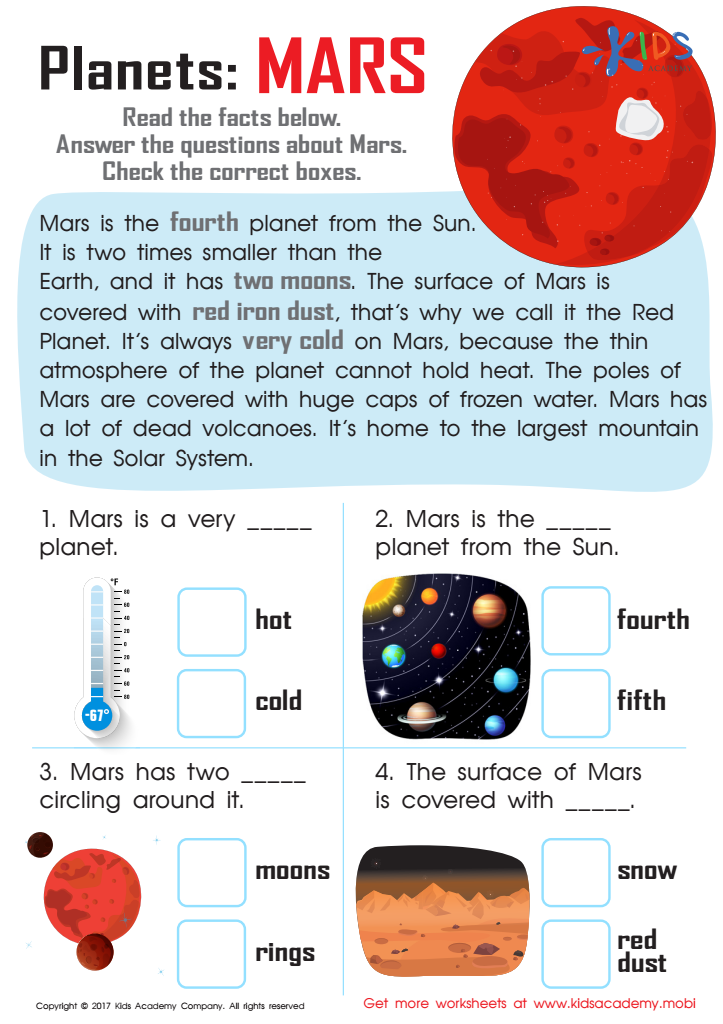
Mars Fact Printable Worksheet
Want to learn about Mars? Get this fun printable worksheet - it's packed with information about the red planet. Discover facts about its temperature, terrain and position in the solar system. It's a great way for kids to explore the wonders of our universe.
 Assign to My Students
Mars Fact Printable Worksheet
Worksheet
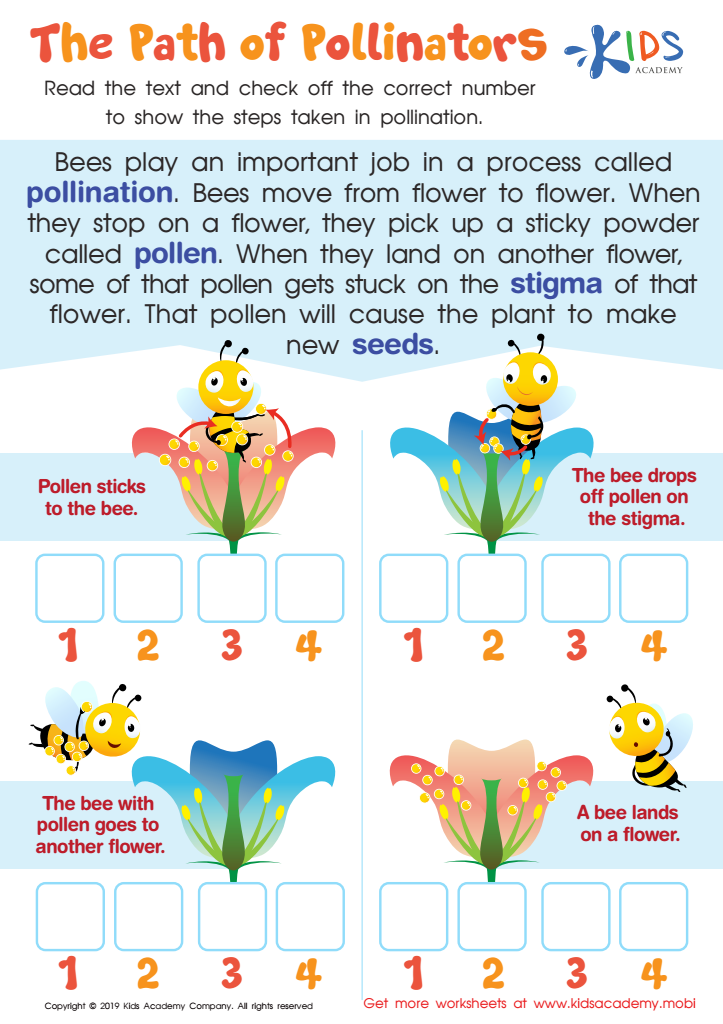
The Path of Pollinators Worksheet
Bees play a vital role in pollination: they transfer pollen between flowers, allowing them to produce new seeds. Without bees, we'd have less flowers and vegetation. Explain the process to your students and have them check off the right number to show the steps in pollination.
The Path of Pollinators Worksheet
Worksheet
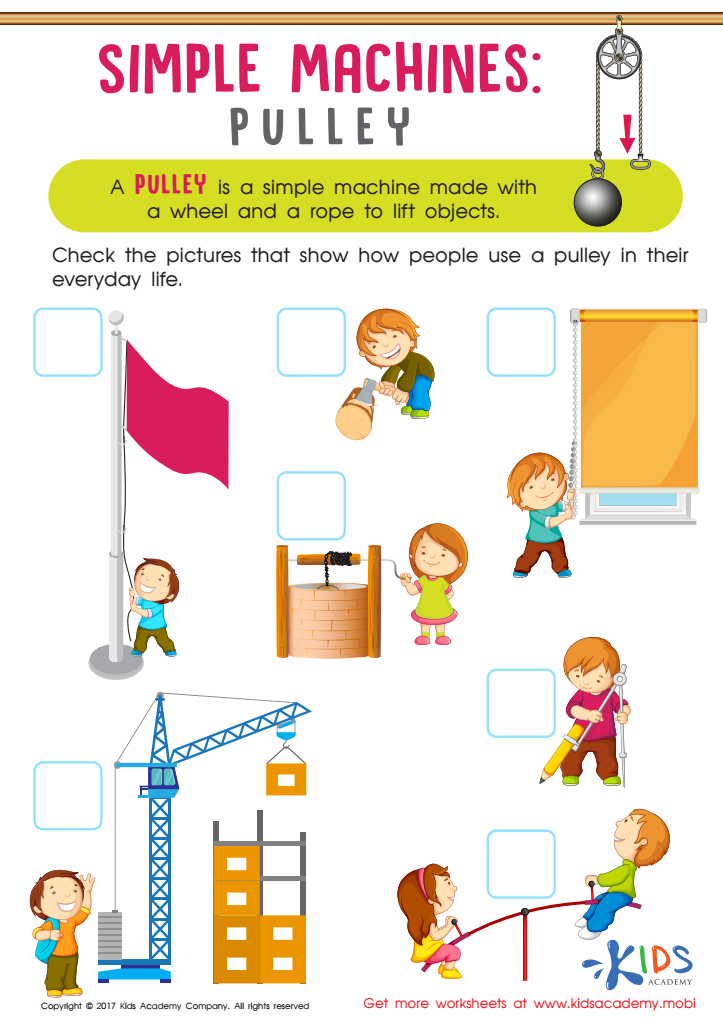
Simple Machines Pulley Worksheet
Pulleys make everyday life easier, from flag poles to elevators. This worksheet helps kids recognize and appreciate how pulleys simplify our lives. They'll learn about the many practical uses for these simple rope and wheel systems.
Simple Machines Pulley Worksheet
Worksheet
Join Kids Academy for Free
Who is primarily going to use this learning content?





Improving comprehension in normal sciences for 8-year-olds is crucial for several reasons. At this developmental stage, children are naturally curious and eager to understand the world around them. Engaging them with science fosters critical thinking and inquiry skills that lay the groundwork for lifelong learning. Enhancing comprehension at this age helps students make connections between different concepts and real-life experiences, enriching their understanding of how things work.
Furthermore, science education promotes language development. As children learn to articulate their thoughts and questions about scientific concepts, they expand their vocabulary and communication skills. This not only benefits their overall academic performance but also boosts their confidence in expressing their ideas.
Parents and teachers play a vital role in making science engaging and comprehensible. By emphasizing reading strategies, hands-on experiments, and relatable examples, they can capture children’s interest and enhance their understanding. Improved comprehension in science can spark a passion for learning and inspire future careers in STEM fields. Ultimately, investing time and resources into this early comprehension development will cultivate informed citizens who can think critically, solve problems, and contribute positively to society. Keeping science accessible and enjoyable is a vital step toward nurturing the innovators of tomorrow.







