Vocabulary Building Normal Science Worksheets for 8-Year-Olds
3 filtered results
-
From - To
Enhance your child's science vocabulary with our specially designed worksheets for 8-year-olds. Our "Vocabulary Building Normal Science Worksheets" offer engaging and interactive exercises to develop your child's understanding of essential science terms and concepts. From life sciences to earth sciences, each worksheet encourages learners to explore the natural world while building critical vocabulary skills. Perfect for classroom use or at-home learning, these worksheets help young learners confidently navigate scientific topics. Foster a love for science and boost language skills with our carefully curated educational resources, ensuring a fun and productive learning experience for your child.
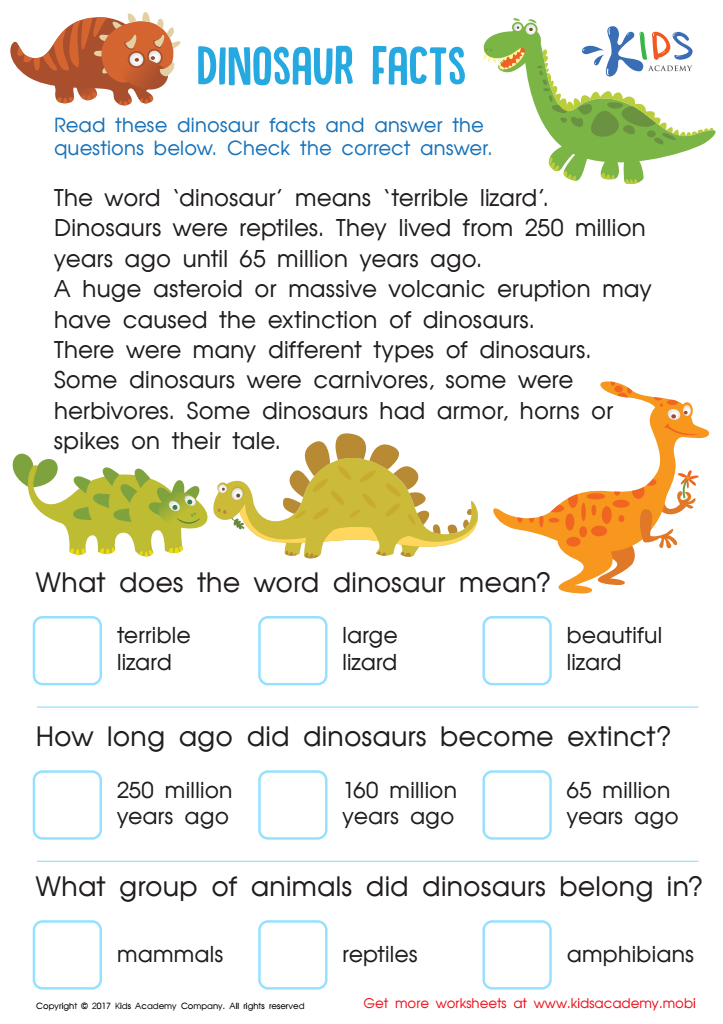
Dinosaur Facts Worksheet
 Assign to My Students
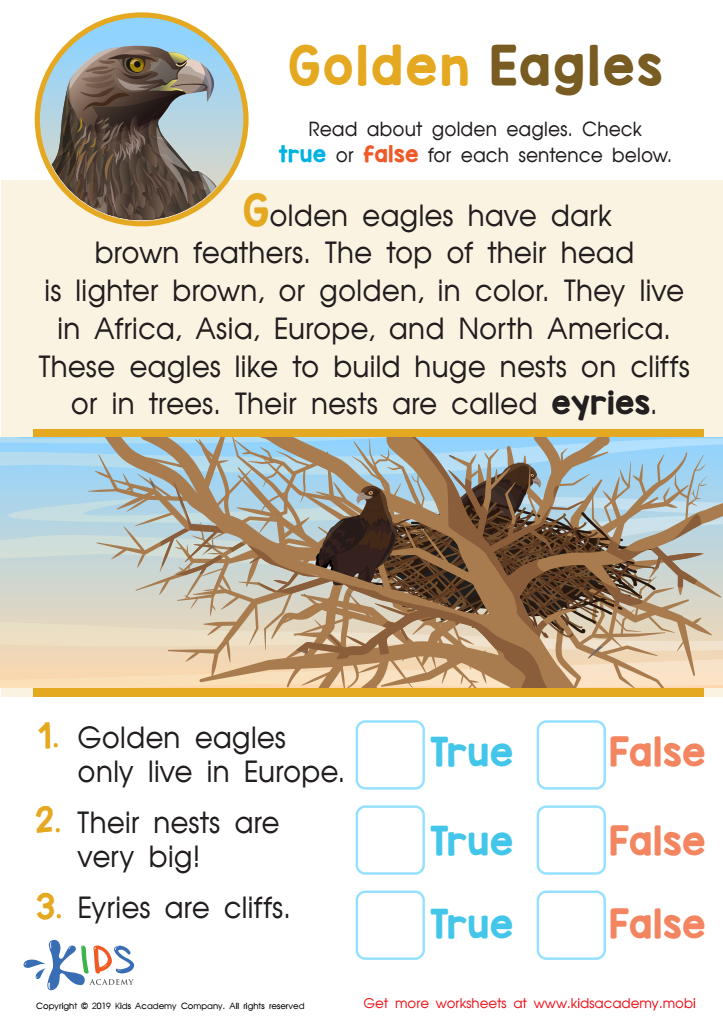
Golden Eagles Worksheet
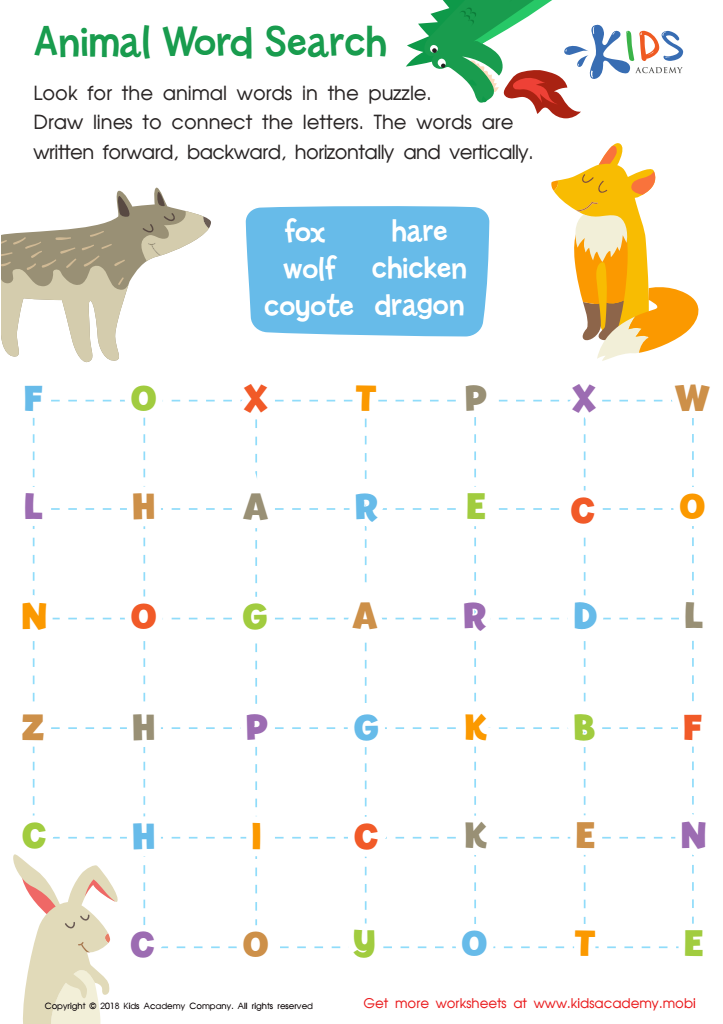
Animal Word Search Worksheet





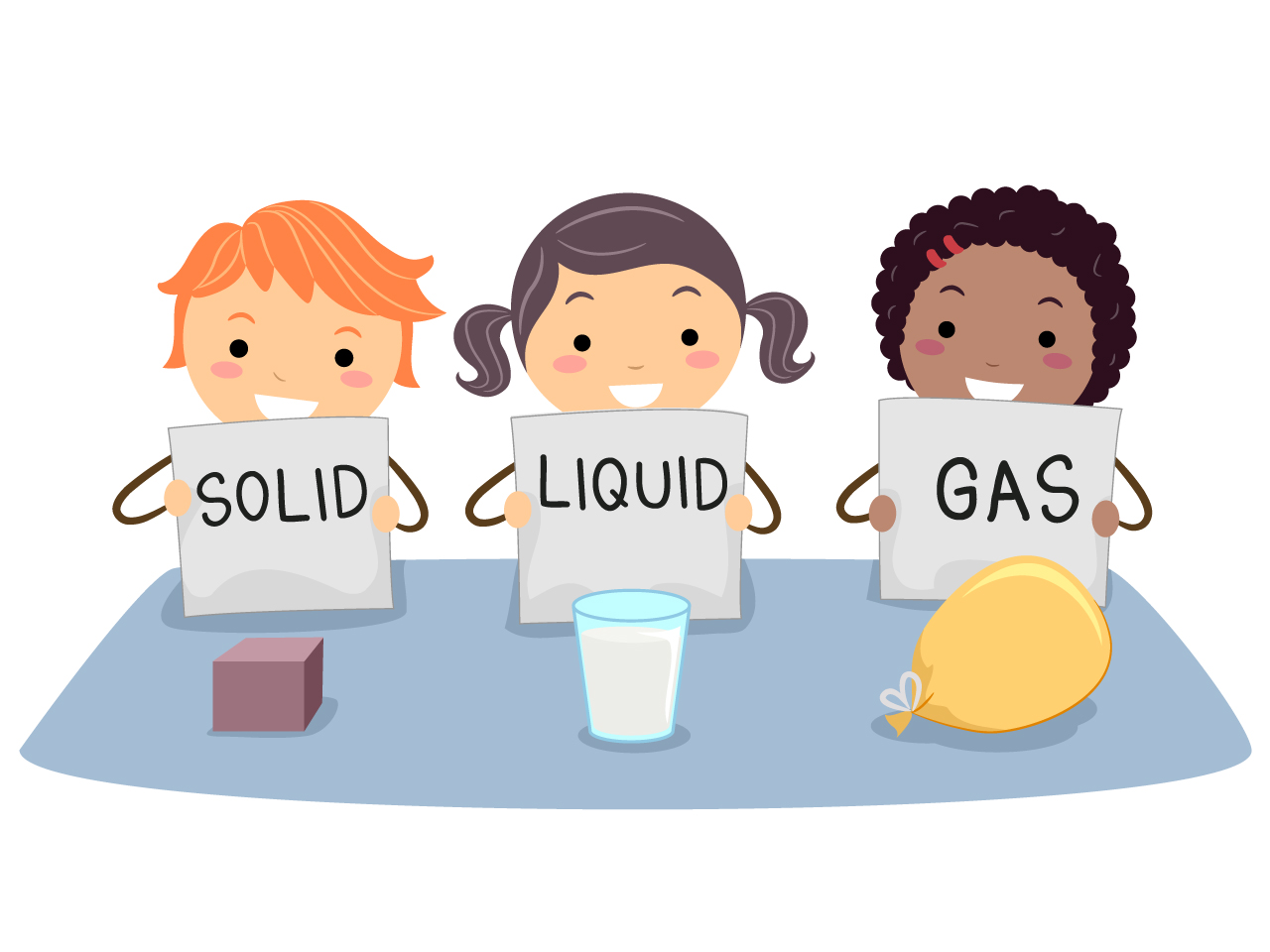


Vocabulary building for 8-year-olds is crucial because it serves as a foundation for effective communication and academic success. At this developmental stage, children's brains are especially adept at learning new words and concepts. A robust vocabulary enhances reading comprehension, allowing children to better understand and engage with the texts they read, which is vital in science education where specific terminology is often used.
Fostering a strong science vocabulary empowers children to express observations, ask insightful questions, and grasp scientific concepts more readily. This is vital for their participation in class discussions and overall cognitive development. Kids who have a rich vocabulary are more confident in articulating their thoughts, which supports critical thinking and problem-solving abilities—key components in science education.
Moreover, early vocabulary building sets the groundwork for lifelong learning. It helps children perform better academically across all subjects, including math, social studies, and English. Watching children develop a love for learning and exploring the world around them—hallmarks of scientific thinking—highlights the joy and importance of fostering a robust vocabulary from an early age.
Parents and teachers can support this by reading diverse genres of books, engaging children in conversations, and introducing them to science-specific terms in a fun, engaging manner. These habits not only improve vocabulary but also cultivate a natural curiosity for exploring the wonders of science.







