Critical Thinking Normal Physical Science Worksheets for 8-Year-Olds
3 filtered results
-
From - To
Enhance your 8-year-old's understanding of physical science with our critical thinking worksheets! Tailored for young learners, these engaging resources foster analytical skills through fun and interactive activities. Our worksheets cover essential topics, helping children explore concepts like matter, energy, and force in a relatable way. Designed to stimulate curiosity, they encourage learners to ask questions, analyze data, and make connections between ideas. Perfect for classroom use or at-home learning, these worksheets empower students to think critically and develop a solid foundation in science. Download now and inspire the next generation of thinkers and problem solvers with our engaging physical science activities!
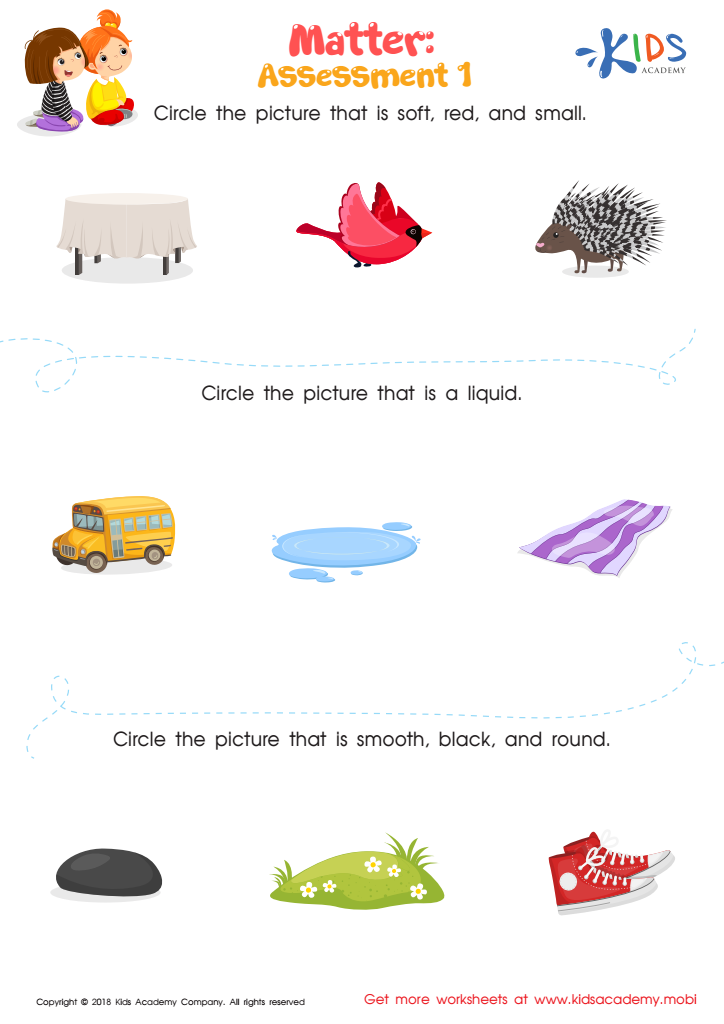
Matter: Assessment 1 Worksheet
 Assign to My Students
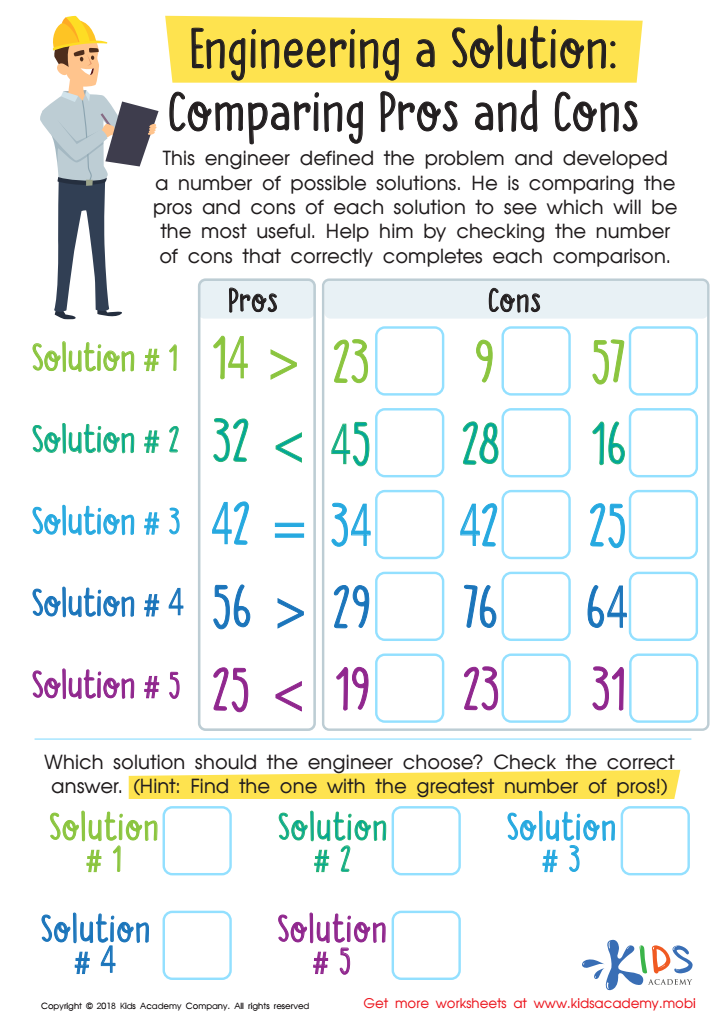
Engineering a Solution: Comparing Pros and Cons Worksheet
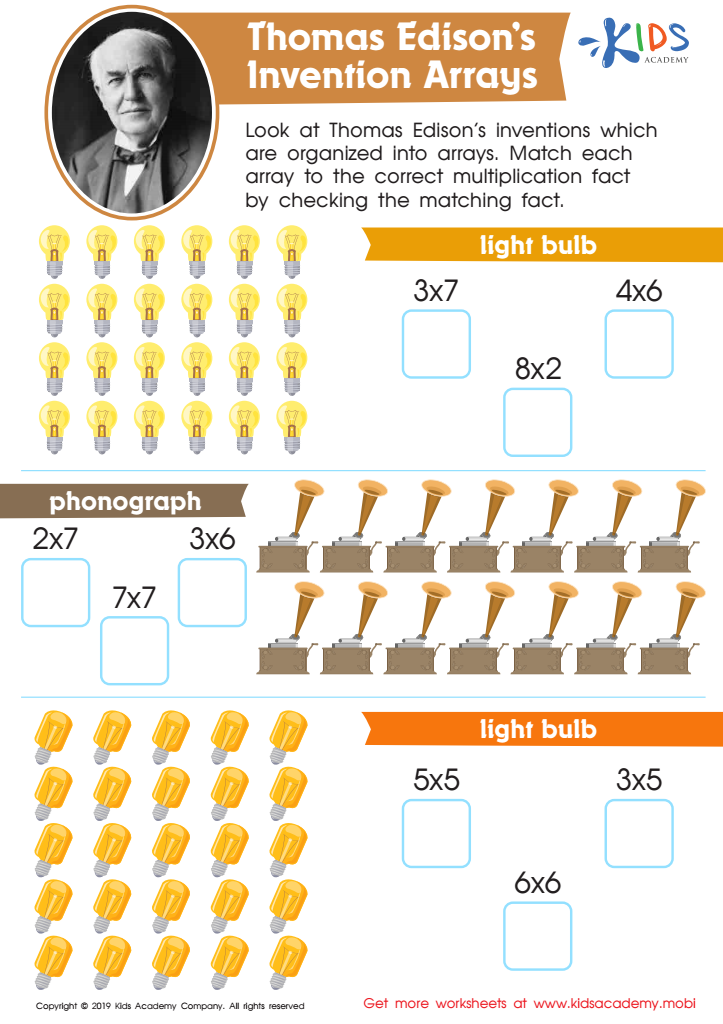
Thomas Edison’s Invention Arrays Worksheet






Parents and teachers should prioritize Critical Thinking in Normal Physical Science for 8-year-olds because it lays a foundational understanding of the world around them. At this age, children's cognitive abilities are developing rapidly, making it an ideal time to encourage inquiry and curiosity. Critical thinking helps them analyze information, ask questions, and solve problems effectively, fostering independence.
Engaging with physical science concepts—like matter, energy, and forces—enables children to relate scientific principles to everyday experiences, from understanding why objects fall to the ground to exploring how things can change states. This deeper comprehension fosters a sense of wonder and motivates children to discover more about their environment and engage with science in a positive way.
Moreover, cultivating critical thinking skills prepares children for future learning by enhancing their ability to reason, argue coherently, and evaluate evidence, essential skills across all subjects. As they encounter real-world issues and challenges, documented critical thinkers find themselves better equipped to make informed decisions and to navigate complex problems.
Ultimately, investing in critical thinking within science education cultivates a generation of innovative, thoughtful thinkers who approach challenges creatively and logically, benefitting society in the long run.







