Cognitive Development Normal Plants and Animals Worksheets for 8-Year-Olds
3 filtered results
-
From - To
Enhance your child’s cognitive development with our engaging worksheets focused on plants and animals, designed specifically for 8-year-olds. These printable resources promote critical thinking and observational skills through fun and interactive activities. Students will explore the fascinating world of nature, learning about the characteristics and life cycles of various plants and animals. Each worksheet encourages logical reasoning and problem-solving, making science concepts accessible and enjoyable. Perfect for classrooms or at-home learning, these worksheets foster curiosity and a deeper understanding of the environment, supporting their overall cognitive growth. Dive into the wonders of nature while developing essential skills!
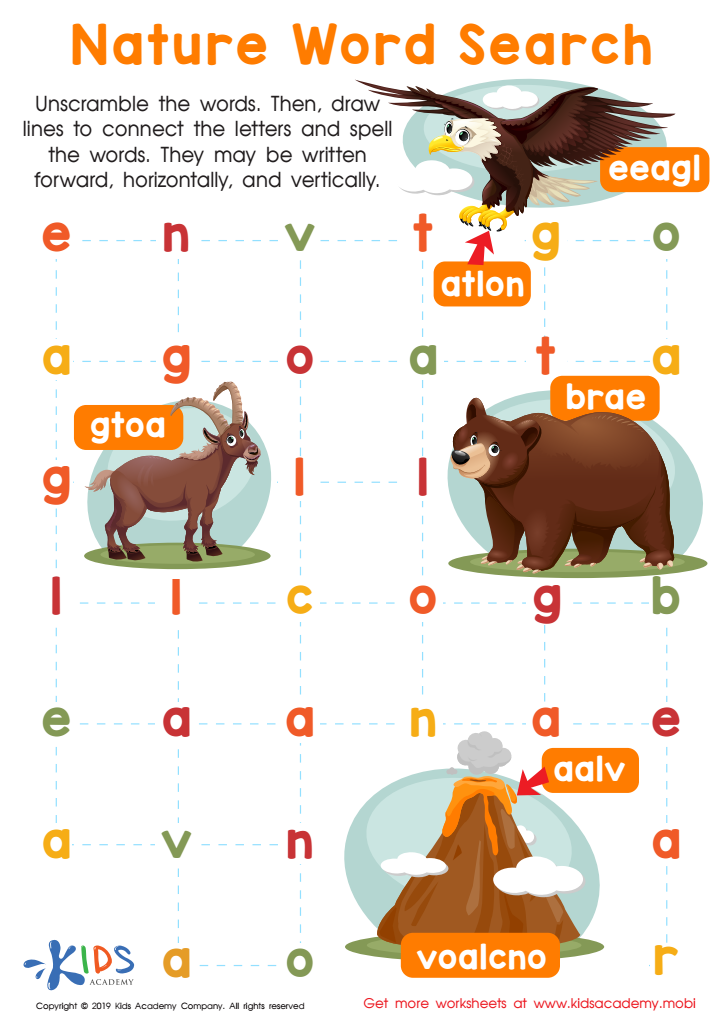
Nature Word Search Worksheet
 Assign to My Students











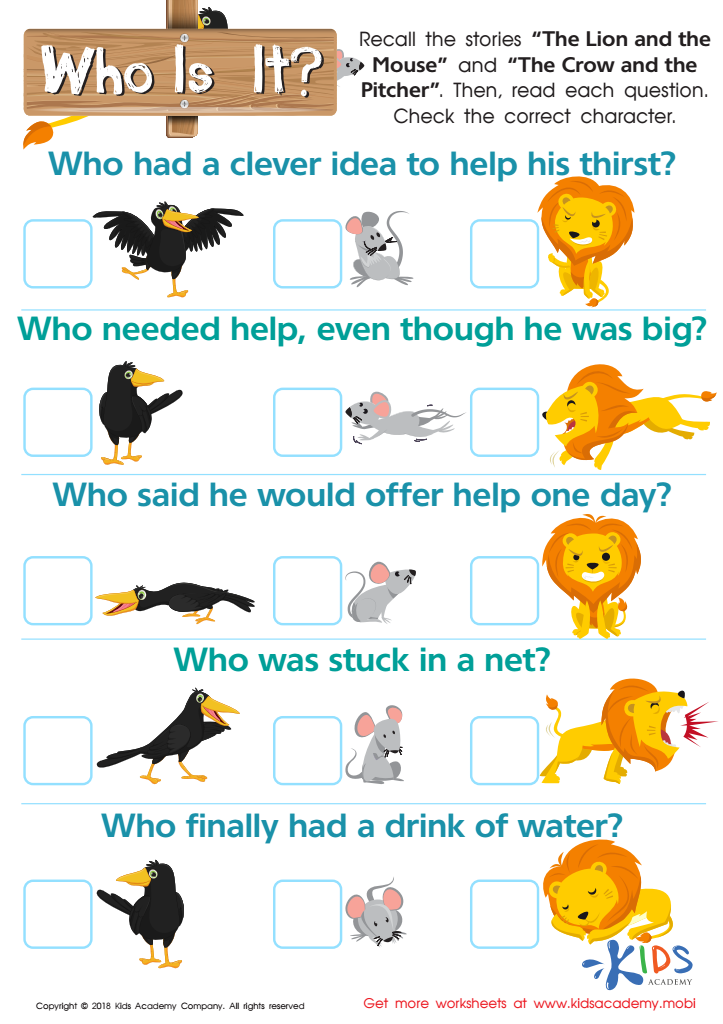
Who Is It? Worksheet
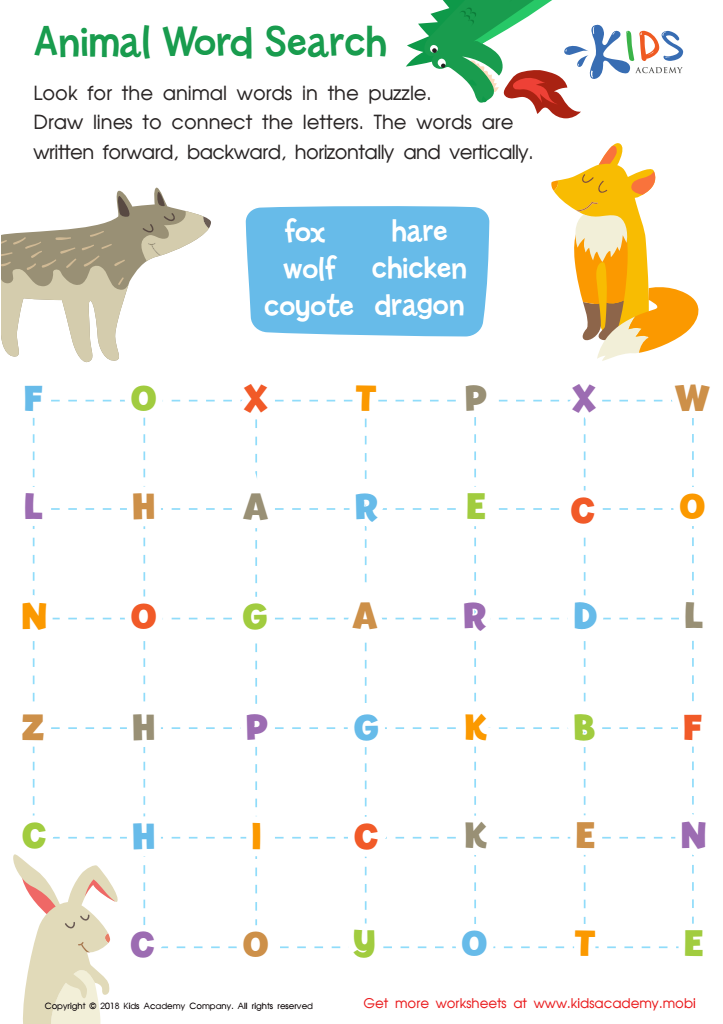
Animal Word Search Worksheet







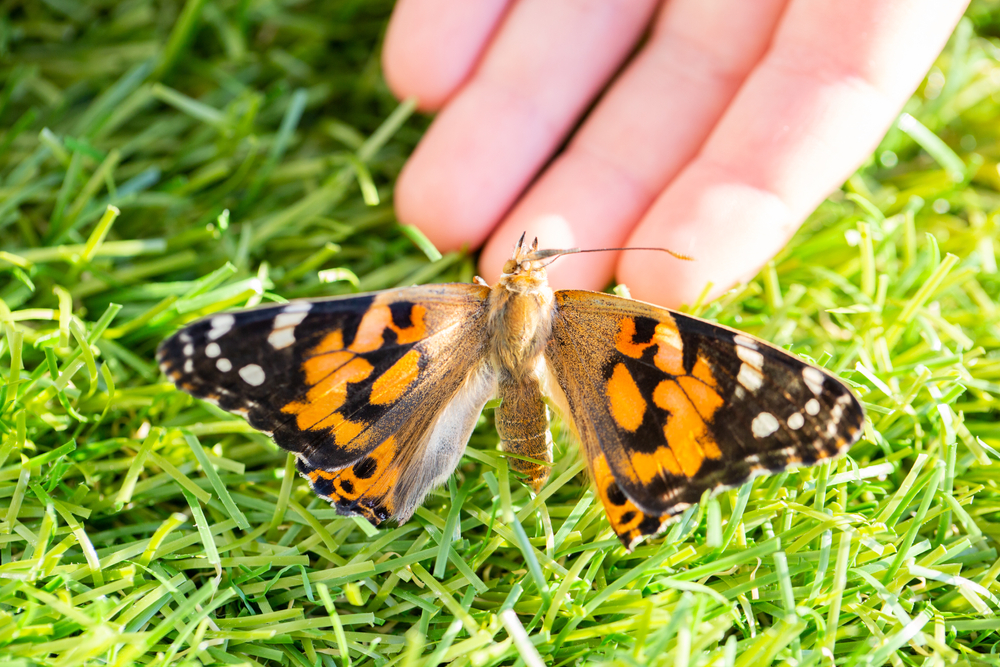
Cognitive development in 8-year-olds is a critical stage where children enhance their reasoning, problem-solving, and understanding of the natural world. Focusing on normal plants and animals during this period is essential for several reasons. First, it fosters curiosity and an appreciation for nature, which can lead to a lifelong interest in science and environmental stewardship.
Learning about plants and animals also supports essential cognitive skills; as children classify species, compare ecosystems, and explore life cycles, they engage in higher-order thinking. This active learning process deepens their understanding of biology and enhances their ability to make connections between concepts.
In addition, discussing biodiversity promotes empathy and respect for all living creatures, shaping children’s social and emotional development. Parents and teachers play a crucial role in guiding these discussions and providing hands-on experiences, such as nature walks or gardening. This not only enriches knowledge but also strengthens observation skills and encourages teamwork and communication.
Emphasizing cognitive development related to normal plants and animals helps create a well-rounded educational experience, preparing children for future academic challenges while nurturing a healthy relationship with the environment. Thus, active involvement by parents and teachers is key to facilitating this essential learning during formative years.







