Word Recognition Normal Grammar Worksheets for 8-Year-Olds
6 filtered results
-
From - To
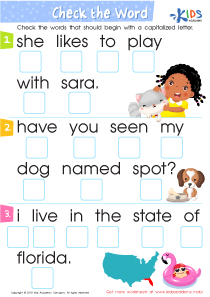
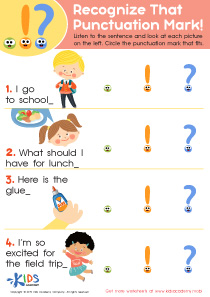
Enhance your 8-year-old’s reading and writing skills with our engaging Word Recognition Normal Grammar Worksheets! Designed to foster literacy, these worksheets help young learners identify and understand words in context. Each activity focuses on improving vocabulary, sentence structure, and comprehension while keeping learning fun. Perfect for classrooms or home studies, our worksheets encourage critical thinking and reinforce grammar concepts through interactive exercises. With a variety of challenges tailored to their skill level, your child will gain confidence as they master word recognition. Explore our selection and watch your child thrive in their language development journey!
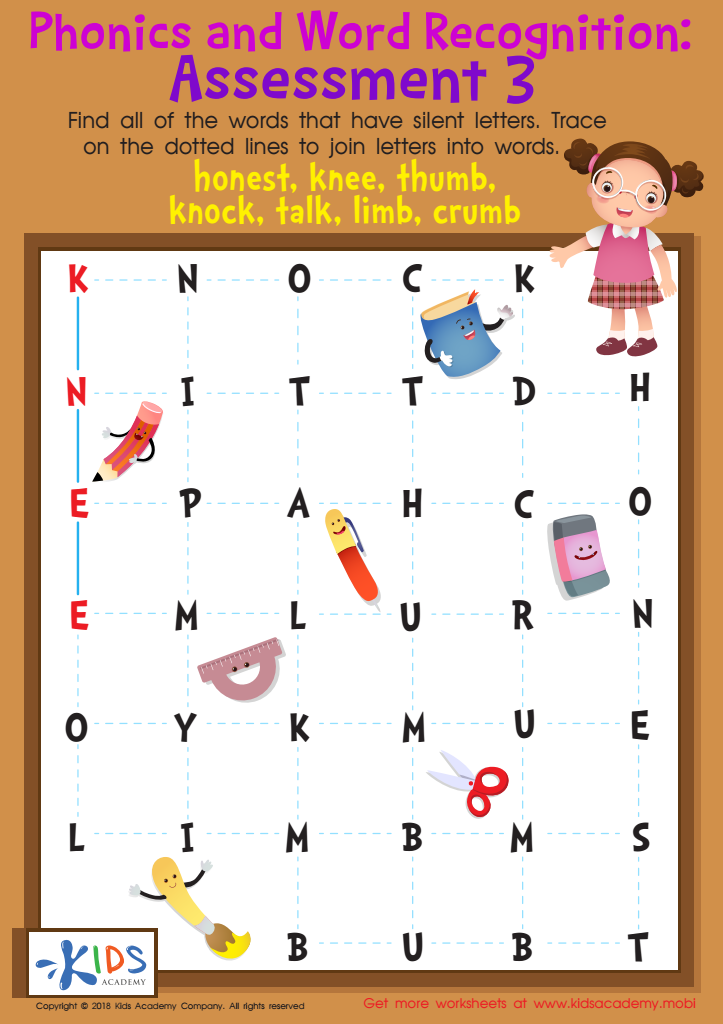
Phonics and Word Recognition: Assessment 3 Worksheet
 Assign to My Students
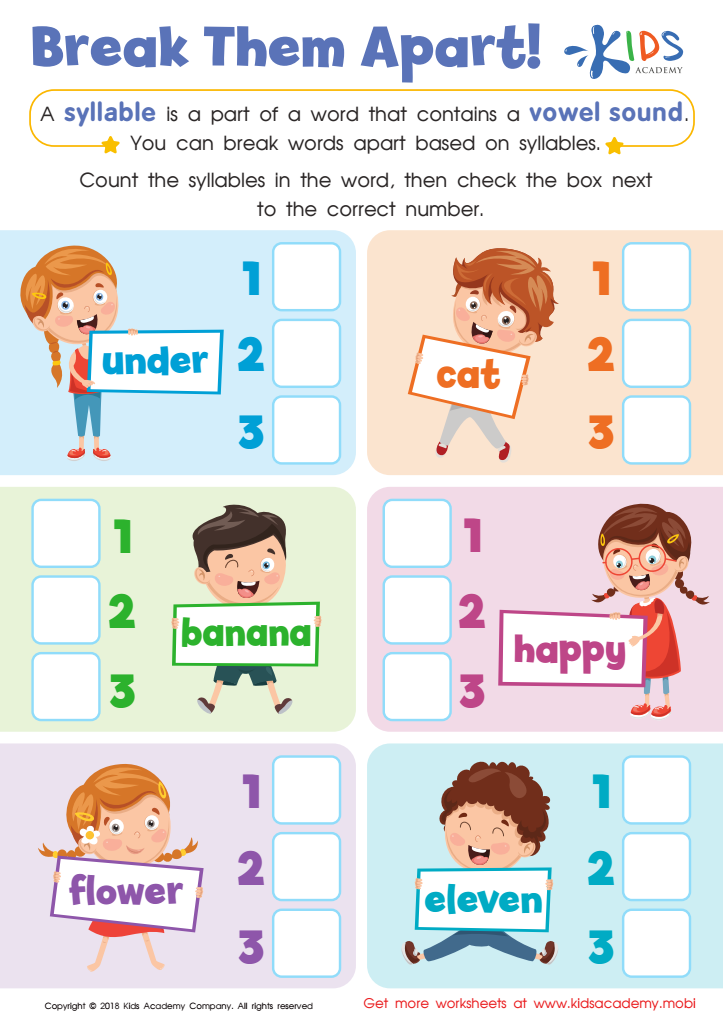
Reading: Break Them Apart Worksheet
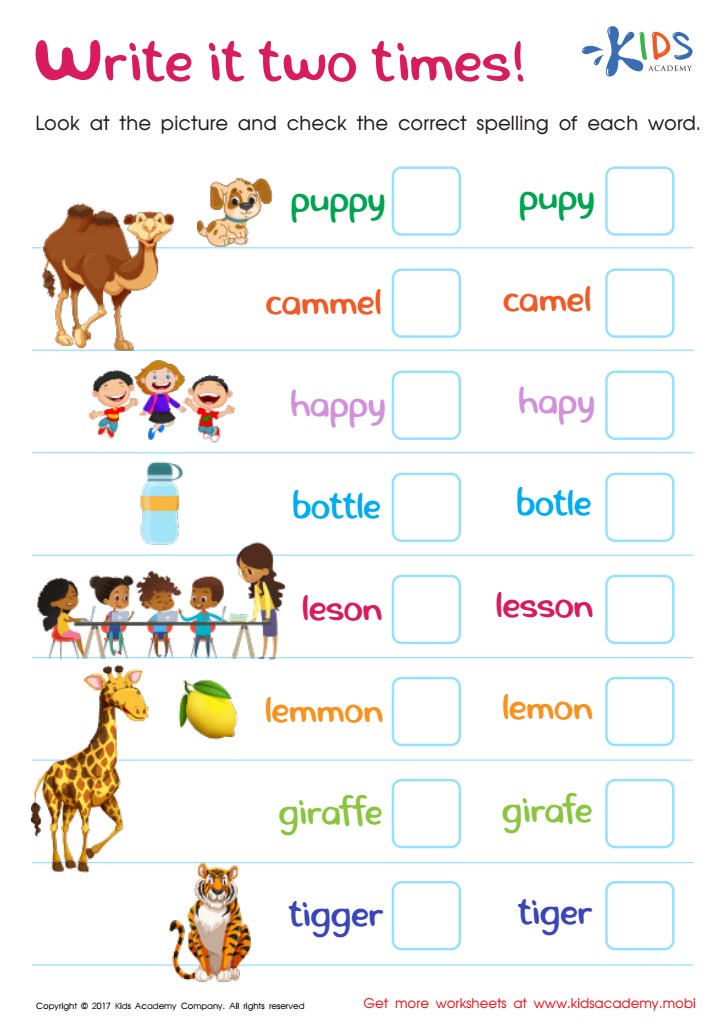
Spelling Practice Worksheet
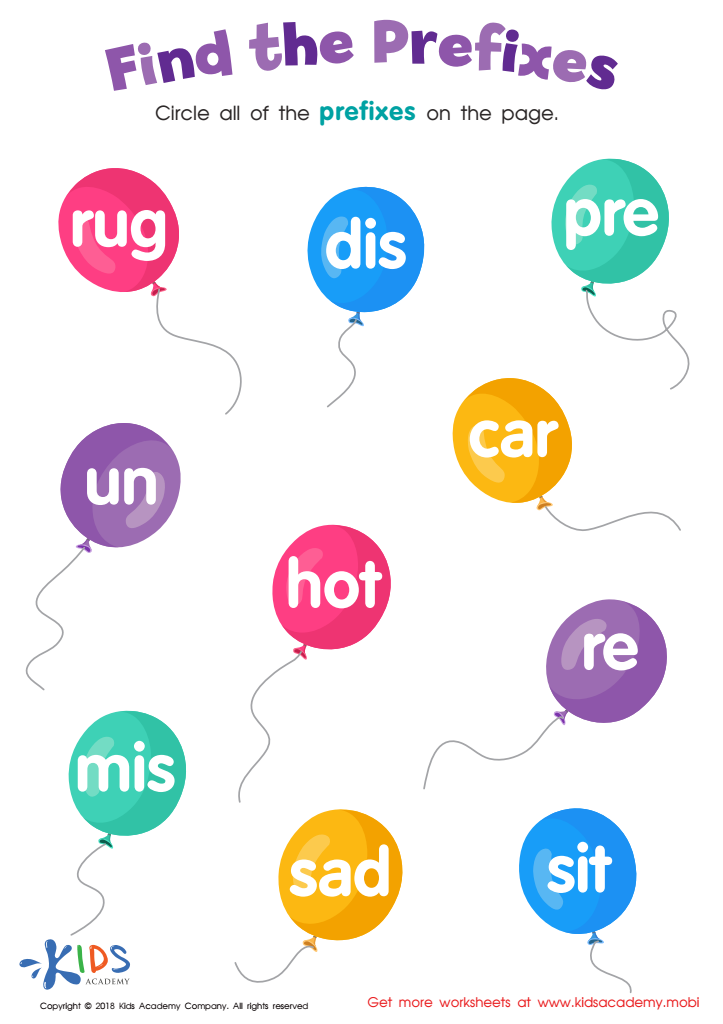
Reading: Find the Prefixes Worksheet
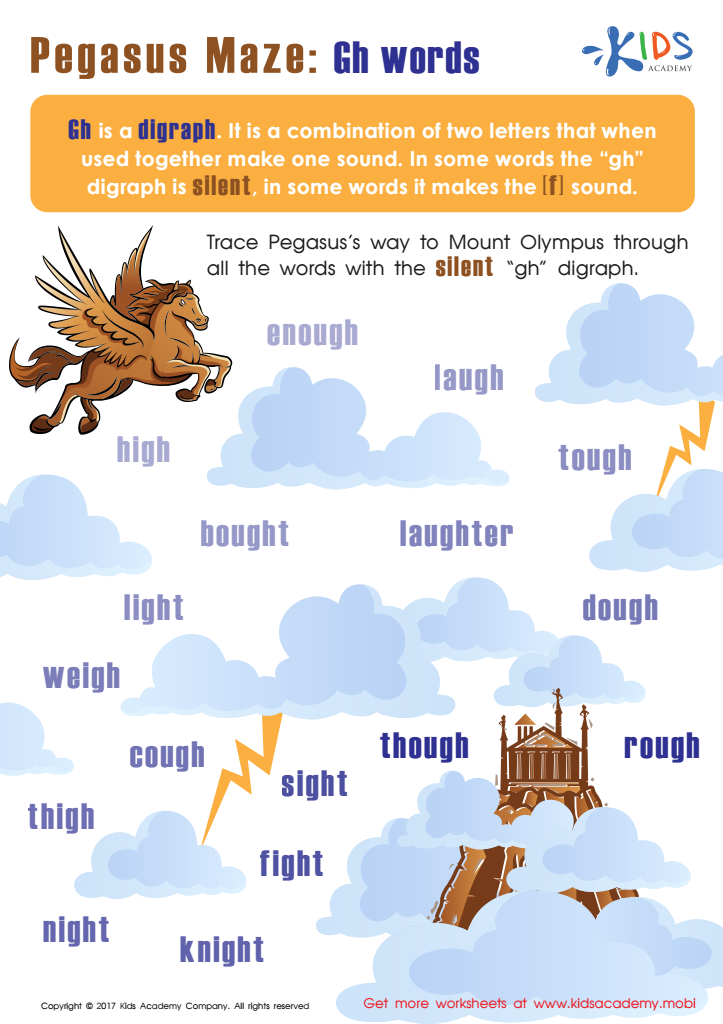
Pegasus Maze: GH Words Worksheet
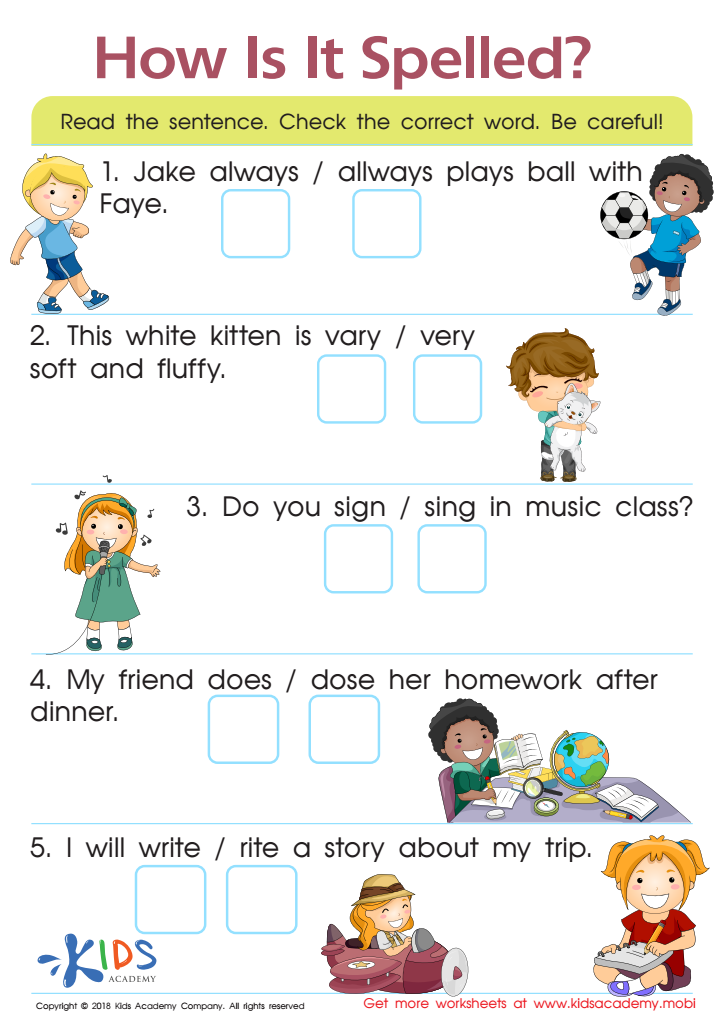
How is it spelled? Worksheet


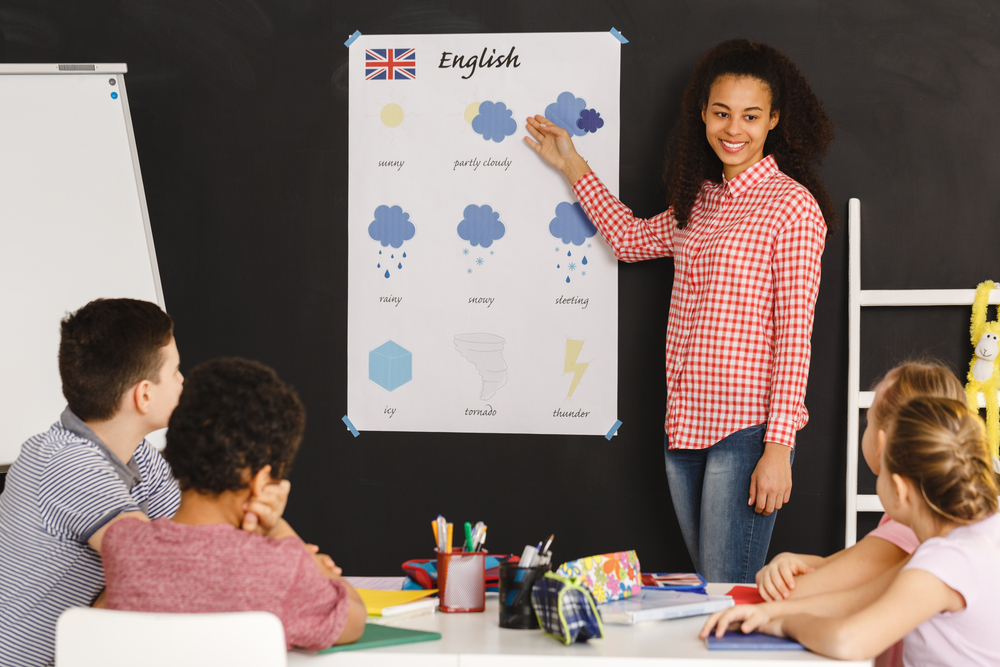



Word recognition and an understanding of normal grammar are crucial components of literacy development for 8-year-olds. At this age, children are transitioning from learning to read to reading to learn, making it vital for them to reliably recognize words and construct grammatically correct sentences. Proficient word recognition allows children to read fluently, enhancing their comprehension skills and making texts accessible across subjects.
Parents and teachers play pivotal roles in fostering these skills. For parents, engaging in daily reading activities, discussing new vocabulary, and highlighting grammar in everyday contexts can create rich language experiences. Teachers can integrate fun, grammar-centered exercises, use interactive reading techniques, and encourage writing to reinforce these concepts.
Mastering word recognition and grammar also promotes confidence in young learners. Children who possess these skills are more likely to participate in class discussions and express their thoughts clearly, which can foster academic success and a love of learning. Additionally, these foundational literacy skills pave the way for future academic challenges, preparing 8-year-olds for more complex reading and writing tasks as they progress through their education. In summary, prioritizing word recognition and normal grammar supports children’s overall growth and equips them with essential tools for lifelong learning.