Discover engaging Vocabulary Enhancement Normal Alphabet Worksheets designed specifically for 9-year-olds! These printable worksheets focus on expanding vocabulary through fun and interactive activities that help children master the alphabet's importance in language development. Each worksheet features colorful illustrations and varied exercises, from matching words to creating sentences, ensuring an enjoyable learning experience. Perfect for teachers and parents, our resources aim to build confidence in reading and writing skills. Foster a love for language while enhancing vocabulary mastery with these effective, age-appropriate worksheets. Visit our website today to unlock your child's linguistic potential and set the foundation for lifelong learning!

Check out this FREE Trial Lesson on Alphabet for age 9!

Correctly use Frequently used Homophones and Antonyms

Favorites
With answer key
Interactive
  • 9
  • Vocabulary enhancement
  • Alphabet
  • Normal
Sight Word Archery Worksheet

Sight Word Archery Worksheet

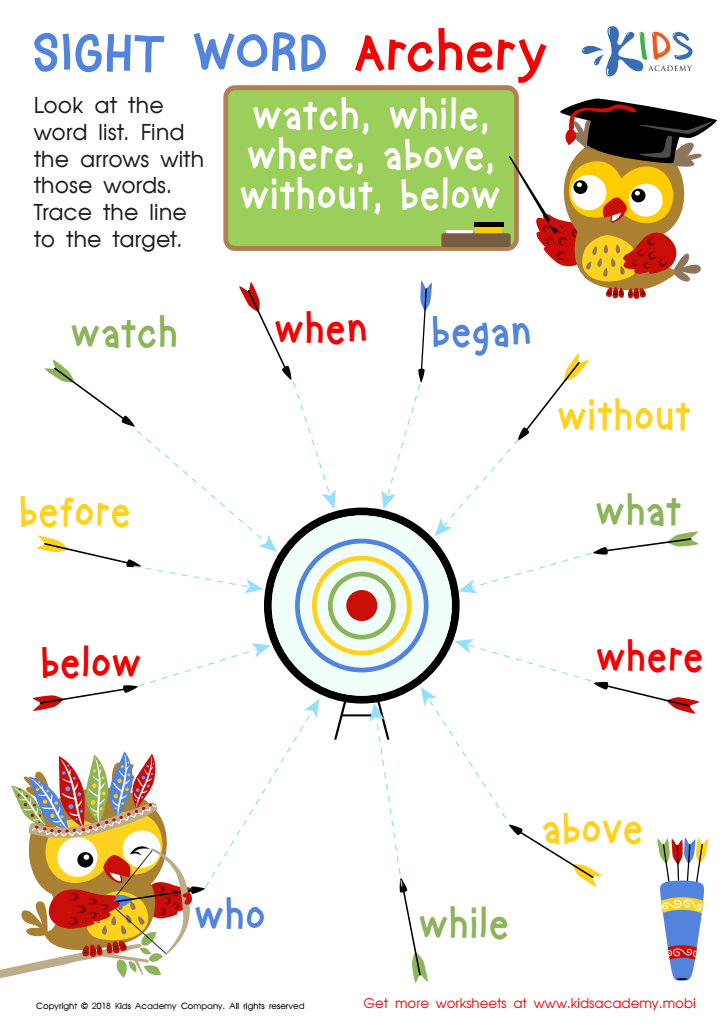
Read the words list with your kids, pointing at each one. Ask them to do the same. Help them find the arrows with those words and trace the line to the target in the centre.
Sight Word Archery Worksheet
Worksheet
Open Syllables Worksheet

Open Syllables Worksheet

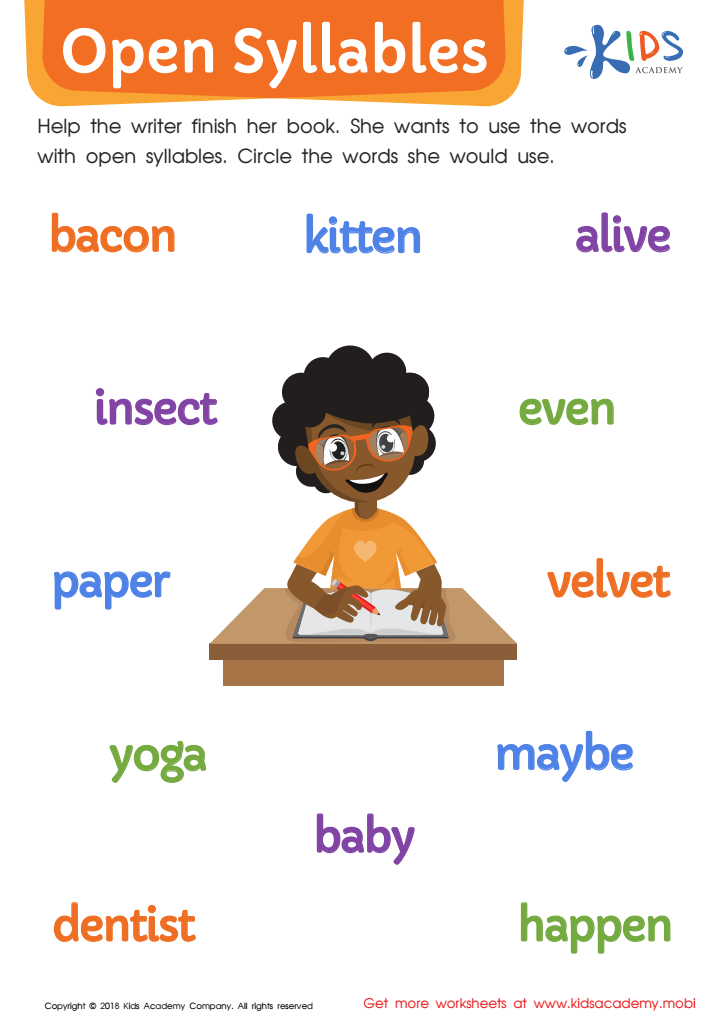
Before beginning this worksheet, make sure your child knows what open syllables are. If not, take time to teach them with examples. Then, help the writer finish her book by circling words with open syllables. She needs your child's help!
Open Syllables Worksheet
Worksheet
There, Their, They're Worksheet

There, Their, They're Worksheet

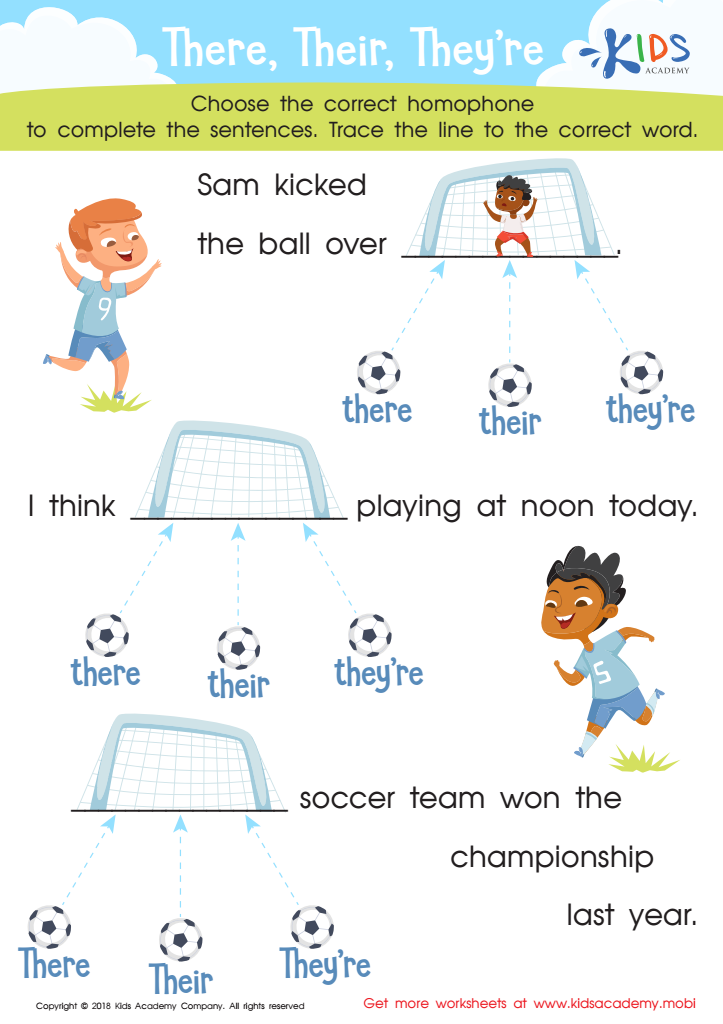
Explain to your kids the difference between 'there', 'their' and 'they're'. These three words are homophones - spelt similarly but with different meanings. Help them choose the correct homophones when completing sentences, and trace the line to the right word.
There, Their, They're Worksheet
Worksheet
Poem: What Is Pink? Worksheet

Poem: What Is Pink? Worksheet

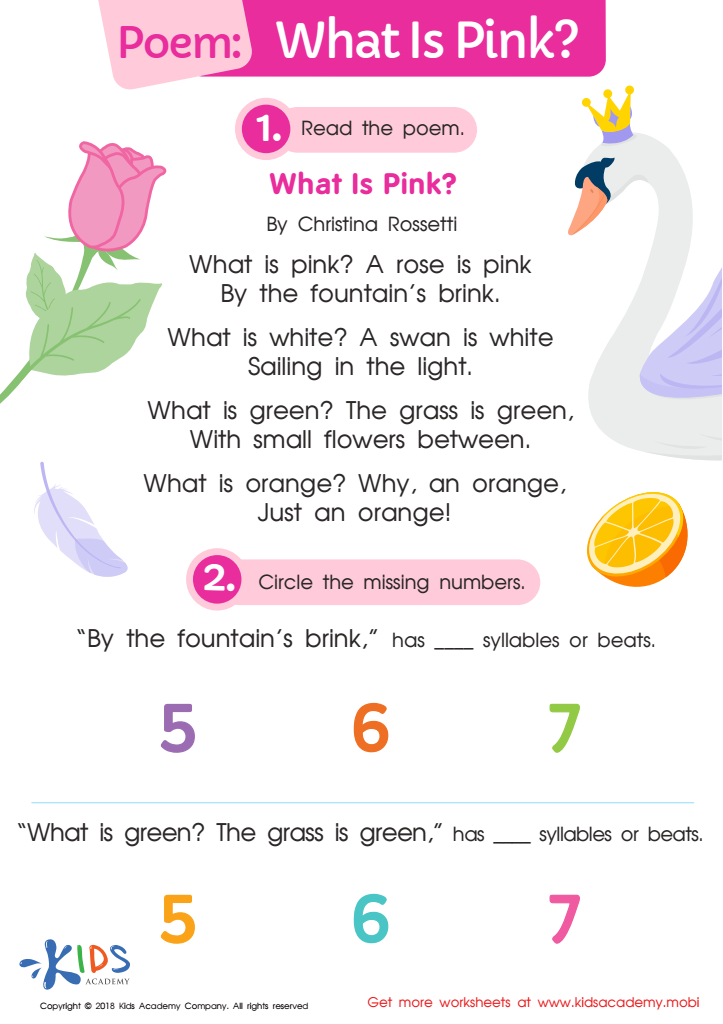
Help your kids learn with short, fun, interesting poems! Read it aloud to them and point out the rhyme patterns. Have them circle the missing numbers to answer two questions. Show examples of objects with the colors in the poem. This will help them learn to read, and also understand colors better.
Poem: What Is Pink? Worksheet
Worksheet
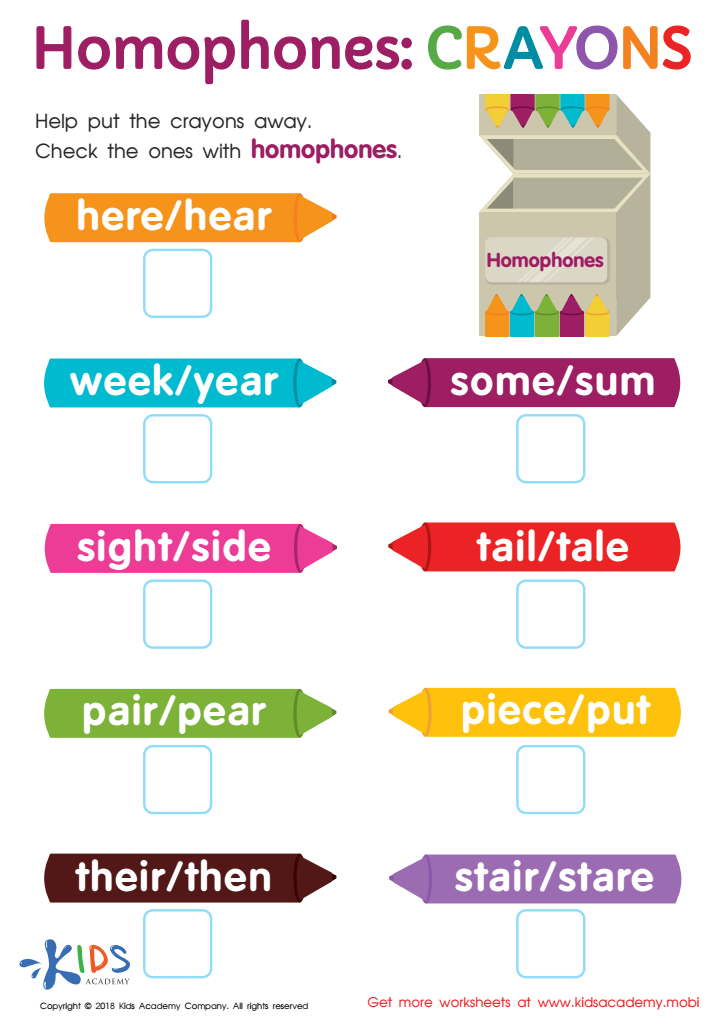
Homophones: Crayons Worksheet

Homophones: Crayons Worksheet

Ask your kids: "What are homophones?" Explain that homophones are words that sound alike but have different meanings, like 'dare' and 'deer'. Ask them to identify homophones by putting the crayons in this printout away according to the words.
Homophones: Crayons Worksheet
Worksheet
Tennis Ball Syllables Worksheet

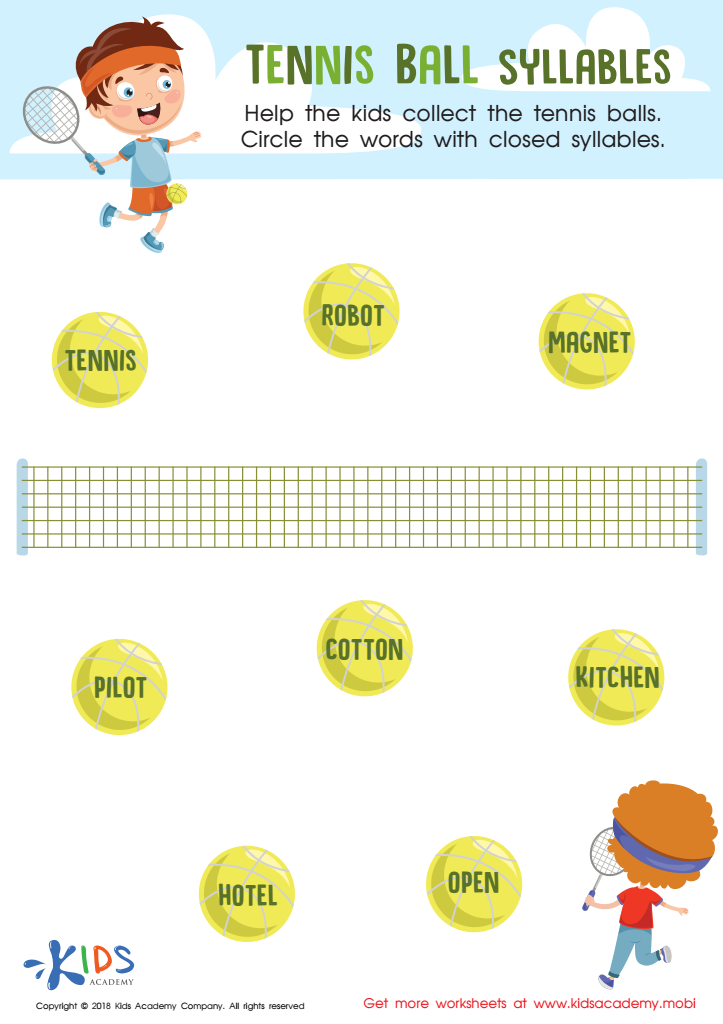
Tennis Ball Syllables Worksheet

To help your kids become fluent speakers, they need to learn syllables. A word can have one to seven syllables, with longer words having more. For this level, they will be working with one or two syllables. Assist them as they circle the words with closed syllables in this worksheet.
Tennis Ball Syllables Worksheet
Worksheet
Poem: Cats and Dogs Worksheet


Poem: Cats and Dogs Worksheet

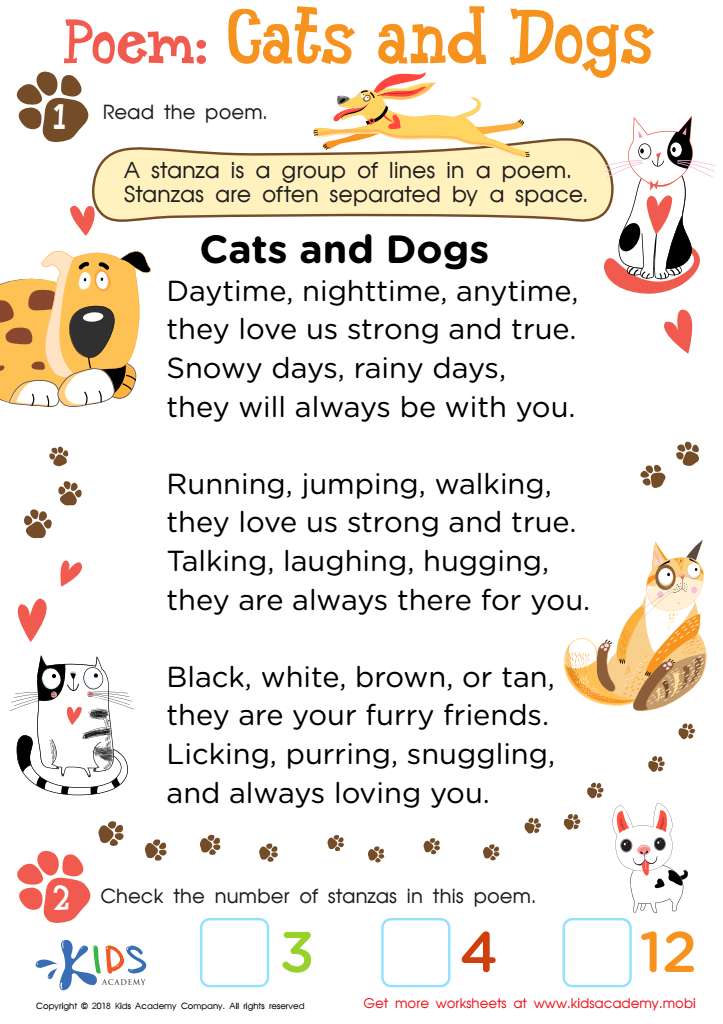
Read the poem to your child and point out where each stanza ends. Ask if they know what a stanza is (if not, explain it's a group of lines in a poem). Help them answer the question at the bottom of the printout. This simple, sweet poem about cats is easy for your child to relate to.
Poem: Cats and Dogs Worksheet
Worksheet


Vocabulary enhancement is crucial for 9-year-olds as it plays a foundational role in their overall language development and academic success. At this age, children start to engage more deeply with reading, writing, and communication. A robust vocabulary allows them to express their thoughts clearly and understand complex ideas, which can boost their confidence and interest in learning.

Teachers and parents should care about vocabulary enhancement because it directly impacts a child’s comprehension and analytical skills. The ability to interpret texts and articulate ideas is essential for subjects like literature, science, and even math, where understanding terminology is vital. Moreover, a strong vocabulary is linked to better performance on standardized tests, which can influence educational opportunities later on.

Furthermore, enhancing vocabulary during these formative years helps build a child's social skills, enabling them to engage in conversations and connect better with peers. This social competence fosters positive relationships and emotional well-being.

Incorporating fun and interactive vocabulary-building activities both at home and in the classroom can make learning exciting and engaging for children. By prioritizing vocabulary development, parents and teachers can set a strong foundation for lifelong learning and effective communication.