Handwriting practice Normal Worksheets for 9-Year-Olds - Page 2
27 filtered results
-
From - To
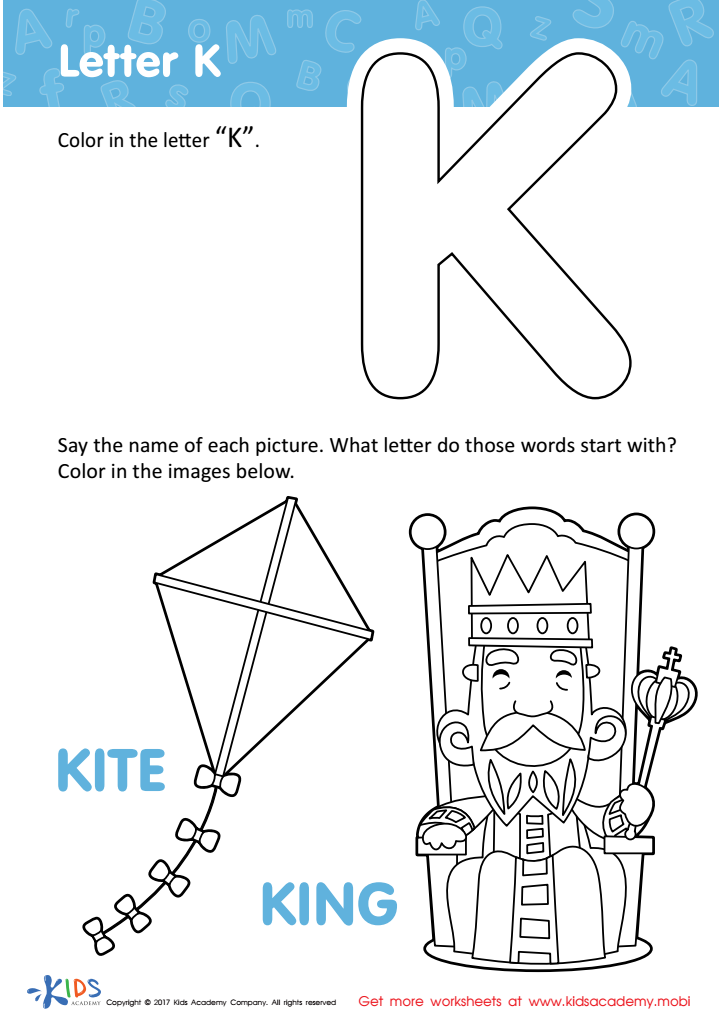
Letter K Coloring Sheet
 Assign to My Students
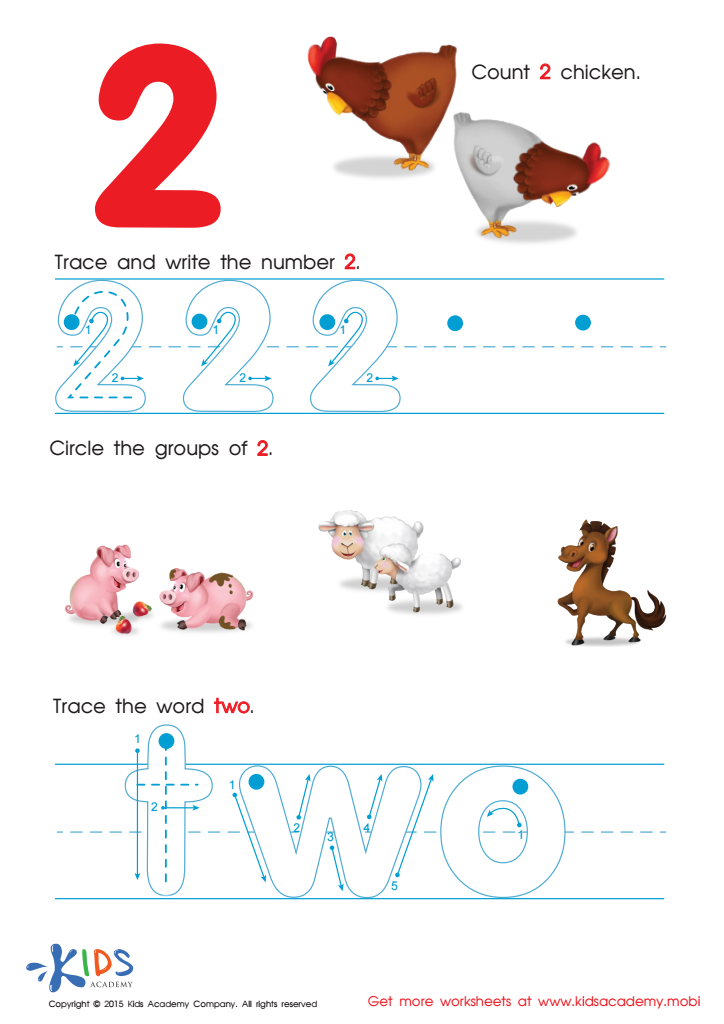
Learn to Write the Number 2 Worksheet
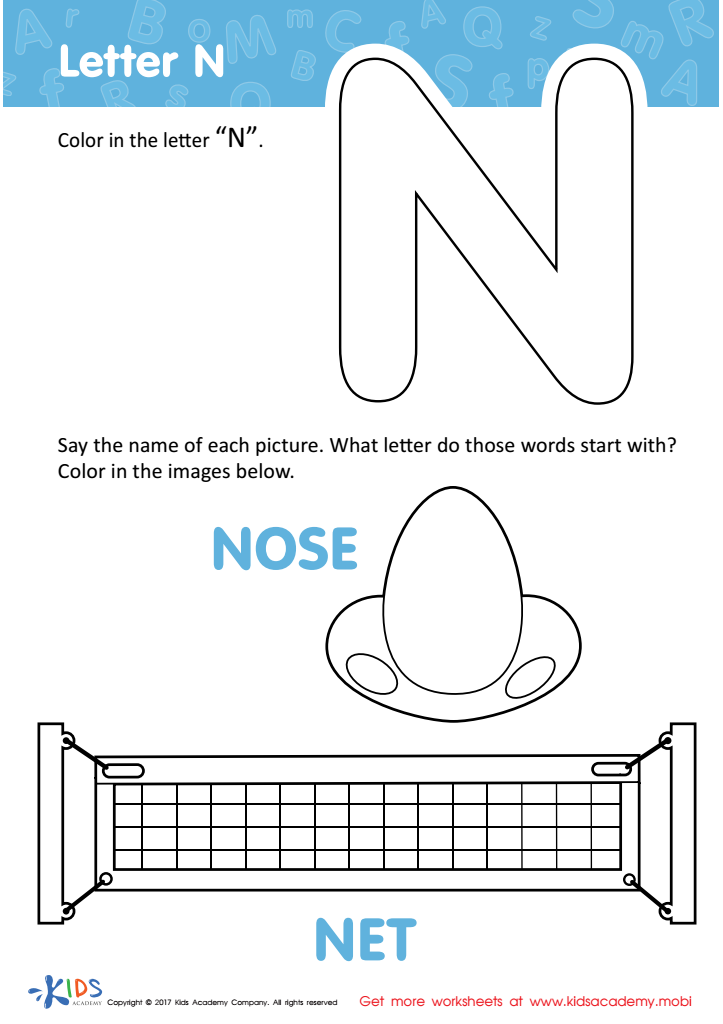
Letter N Coloring Sheet
Assign to My Students








Handwriting practice for 9-year-olds is crucial for several reasons, making it an important focus for both parents and teachers. At this age, children are refining their motor skills, and handwriting serves as an excellent way to enhance dexterity and coordination. Regular practice helps solidify fundamental writing techniques, leading to improved legibility and speed, both of which are essential for academic success.
Moreover, effective handwriting supports cognitive development. The act of writing by hand engages different neurological pathways compared to typing, helping to improve memory retention and comprehension. It requires children to process language as they translate their thoughts into written words.
In addition, handwriting is often tied to a child's sense of identity and self-expression. Developing a personal handwriting style can boost self-esteem and confidence. Furthermore, with an increasing emphasis on written communication in a digital age, fostering strong handwriting skills prepares children for various future academic and professional contexts.
Lastly, promoting handwriting aligns with learning core language skills, fostering a love for writing and storytelling. By valuing handwriting practice, parents and teachers not only enhance a child's academic capabilities but also encourage creativity and personal expression.








