Handwriting practice Normal Alphabet Worksheets - Page 2
37 filtered results
-
From - To
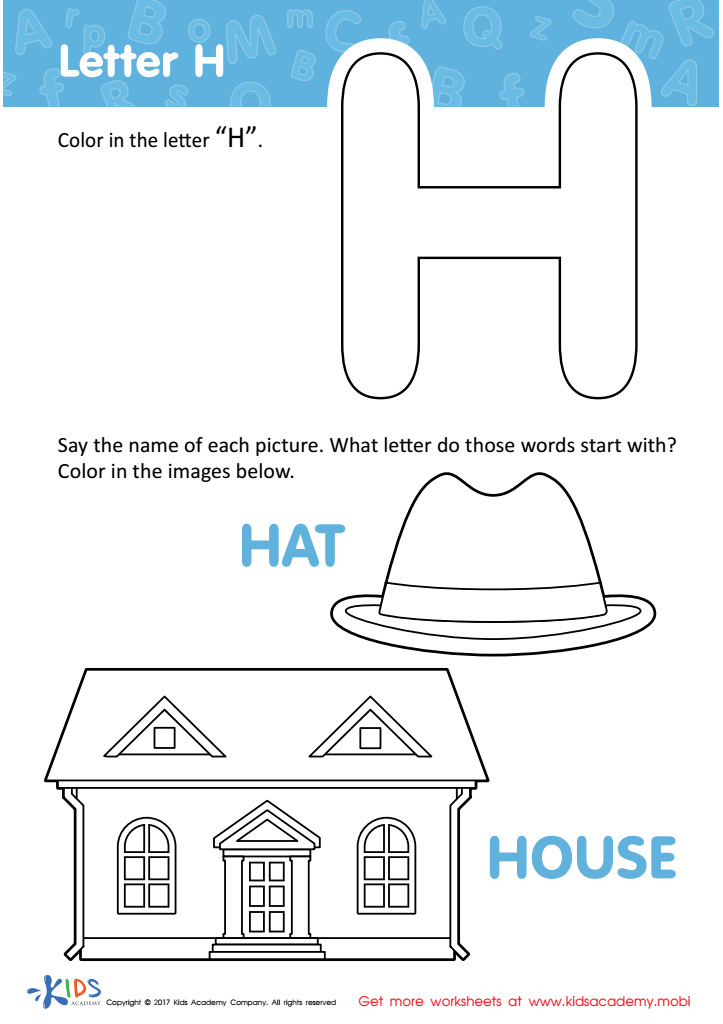
Letter H Coloring Sheet
 Assign to My Students
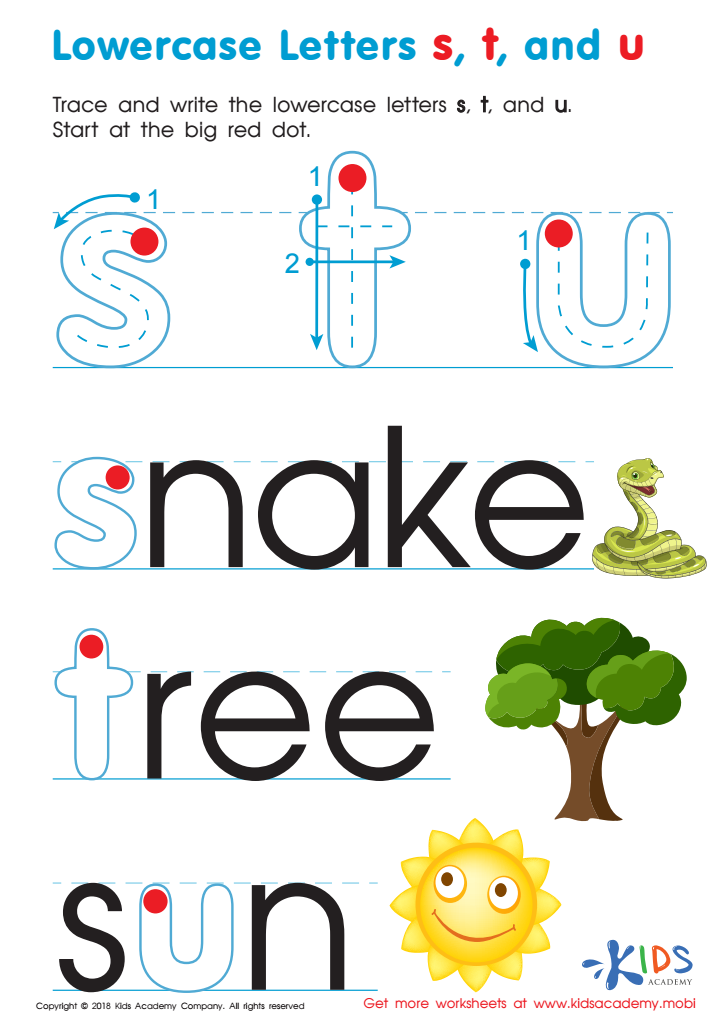
Lowercase Letters s t u Worksheet
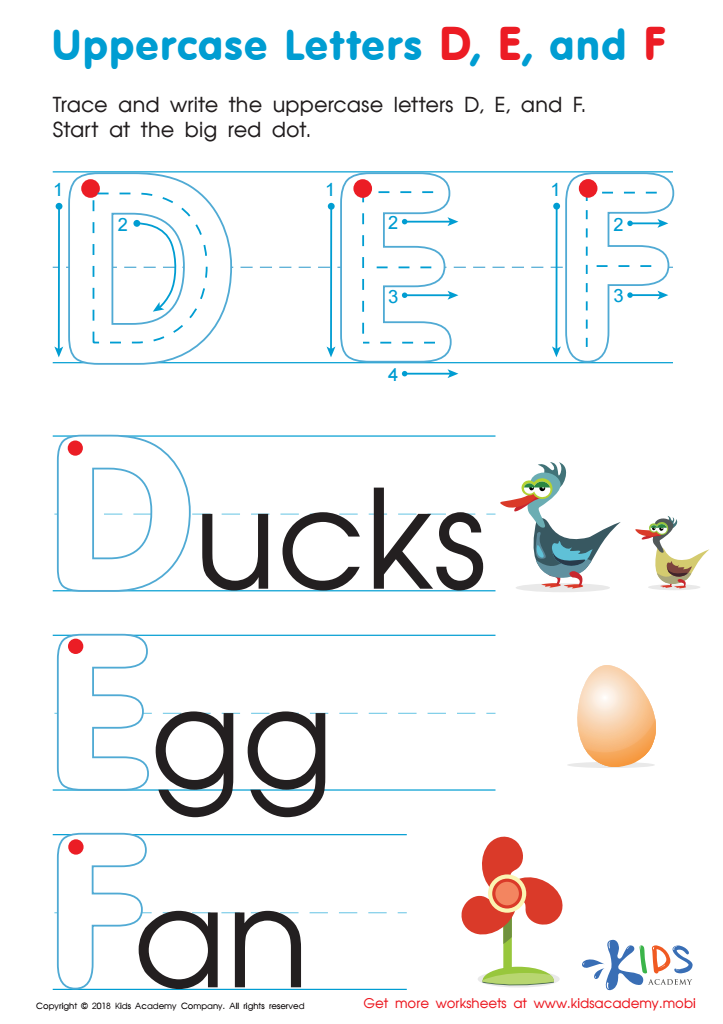
Uppercase Letters D, E, and F Worksheet
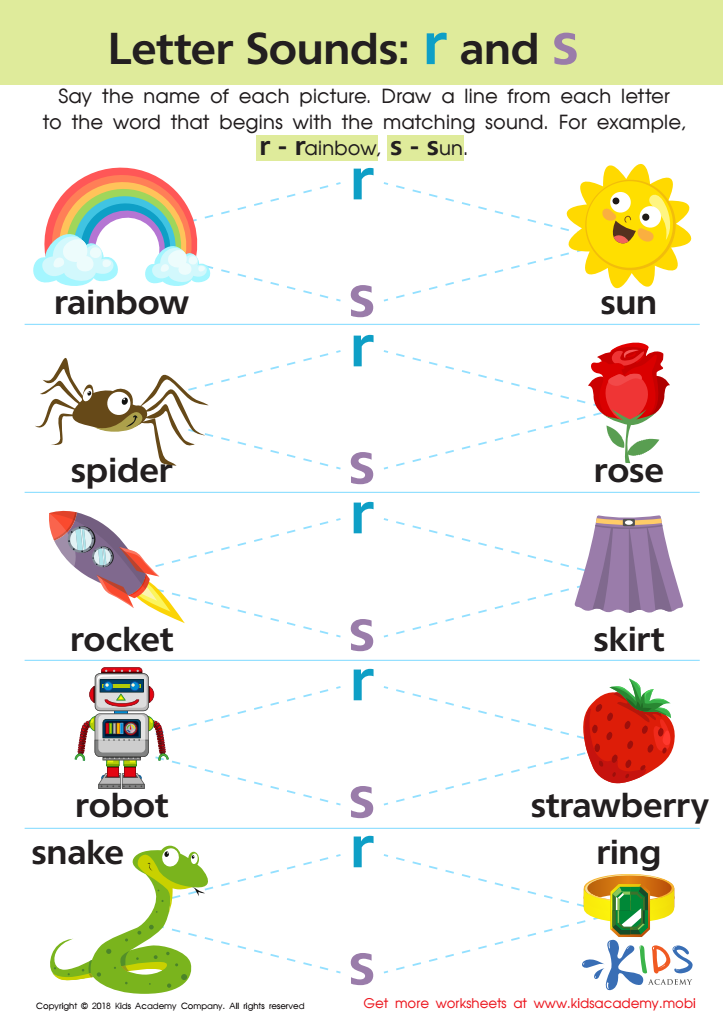
Letter R and S Sounds Worksheet
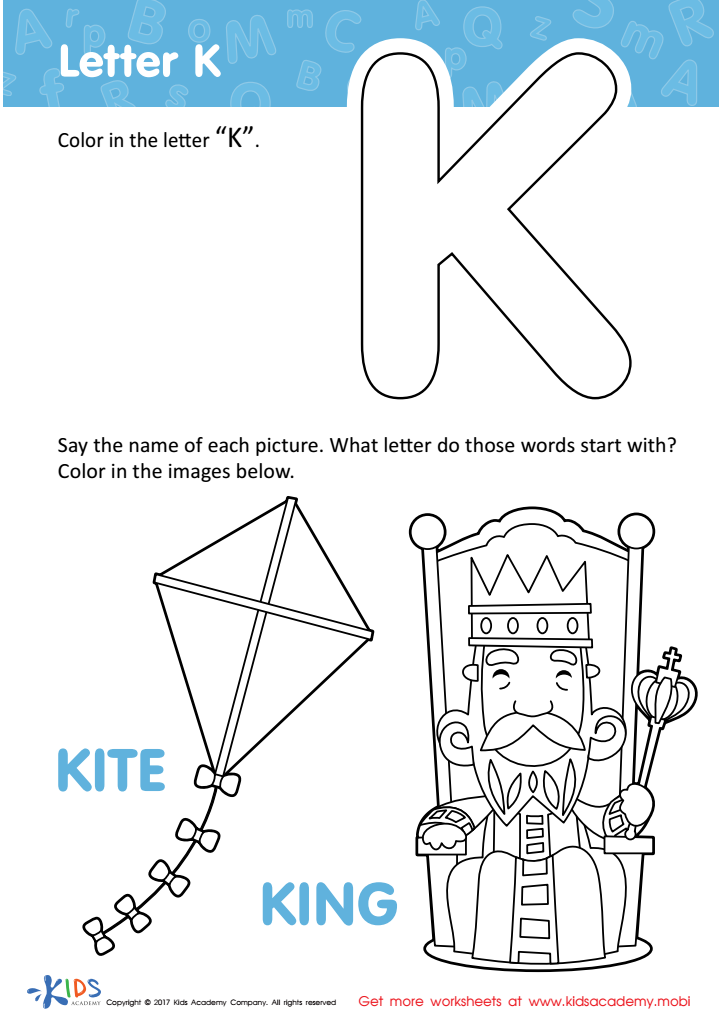
Letter K Coloring Sheet
Assign to My Students
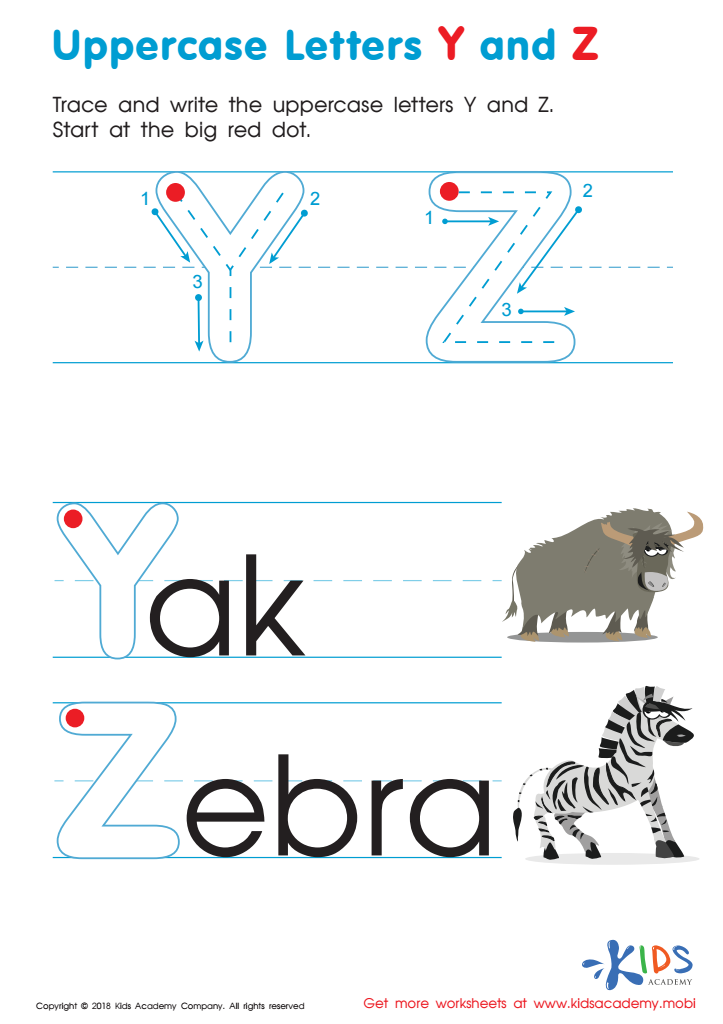
Uppercase Letters Y Z Worksheet
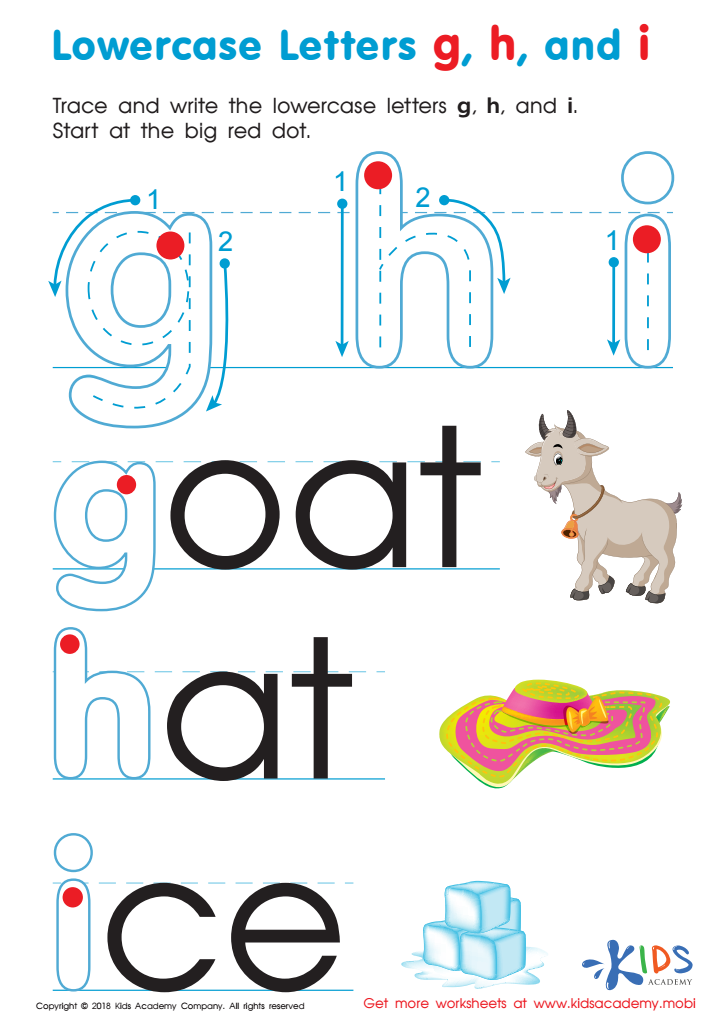
Lowercase Letters g h i Worksheet
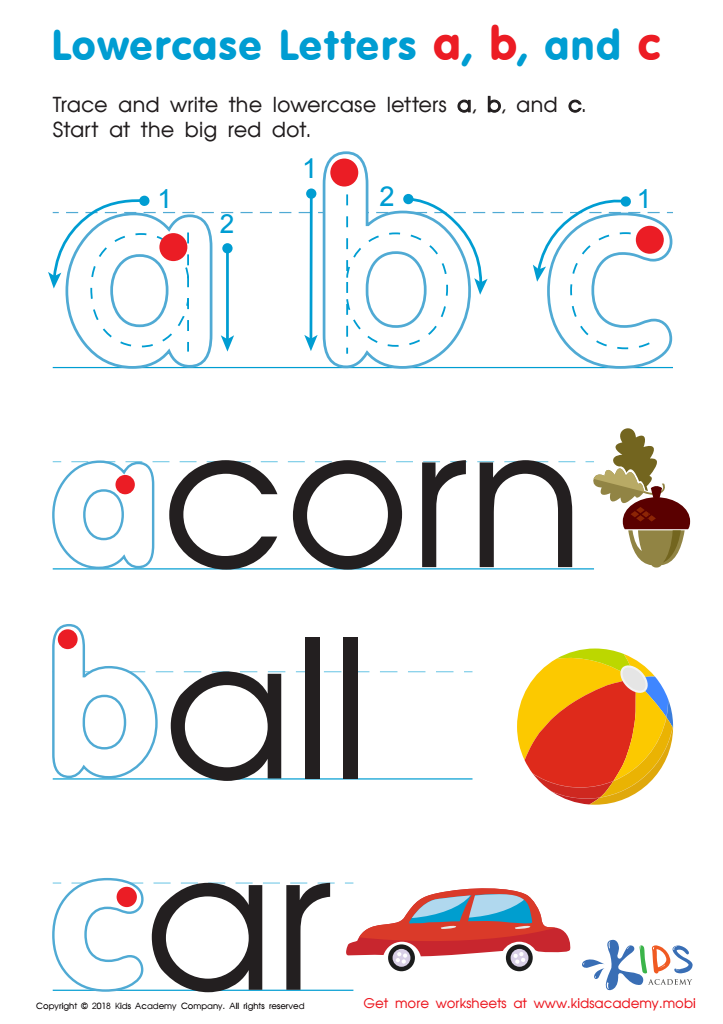
Lowercase Letters a b c Worksheet
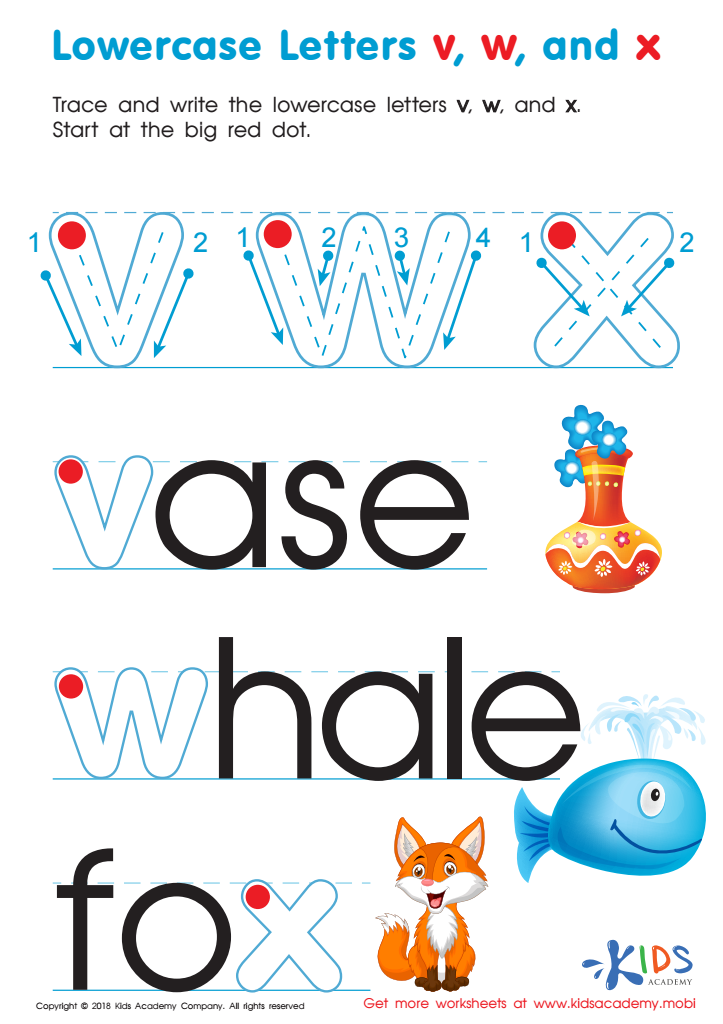
Lowercase Letters v w x Worksheet
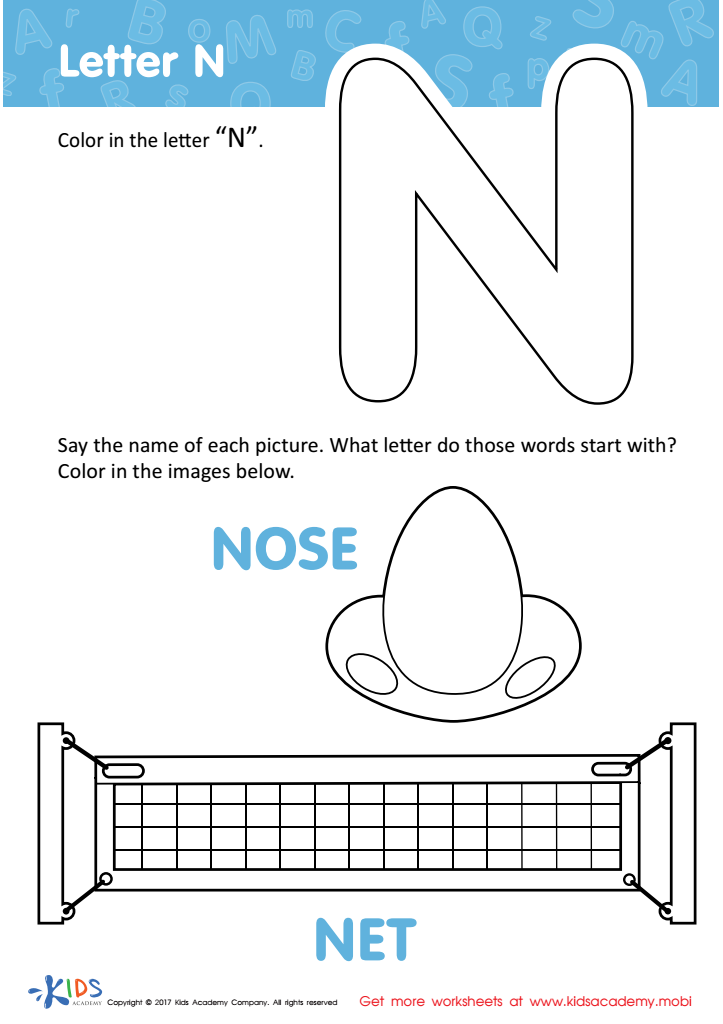
Letter N Coloring Sheet
Assign to My Students
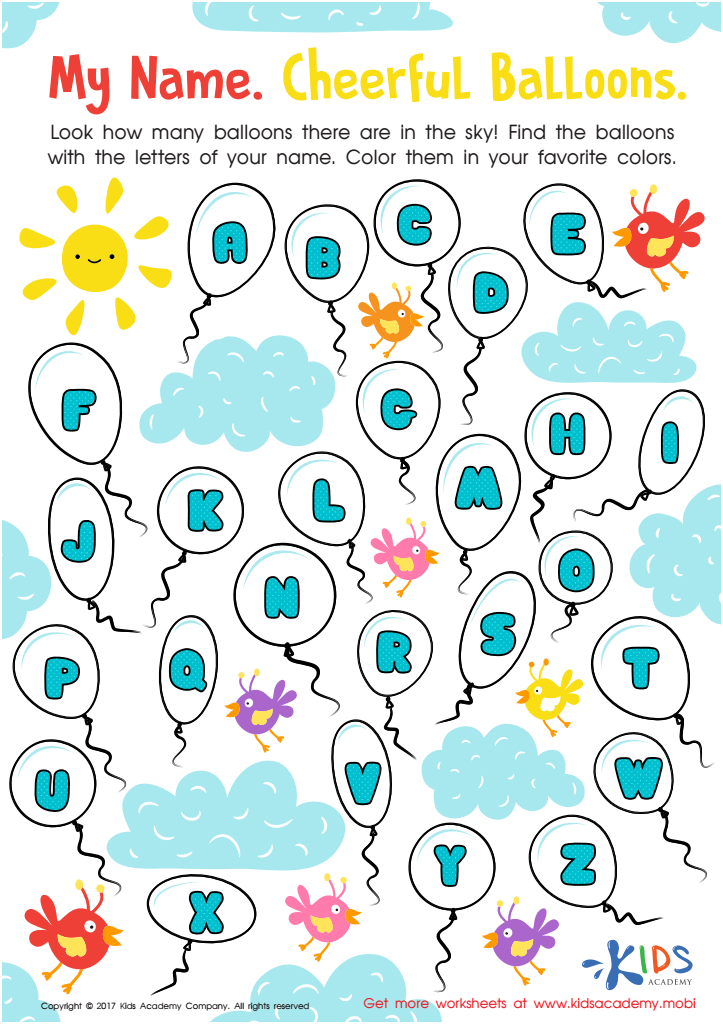
My Name: Cheerful Balloons Worksheet
Assign to My Students
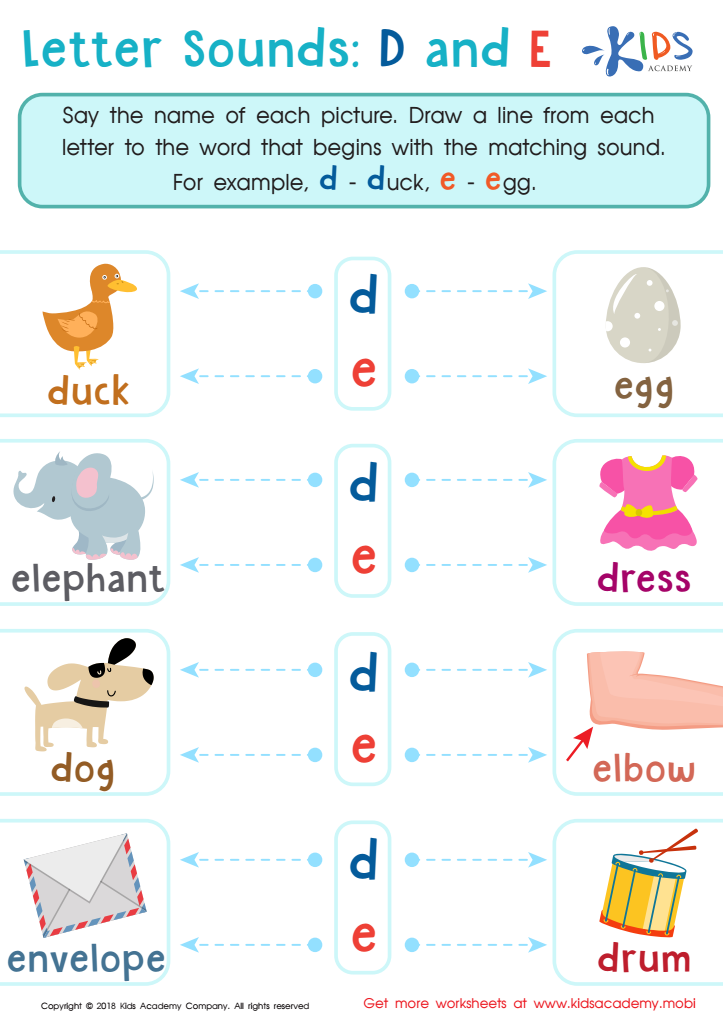
Letter D and E Sounds Worksheet
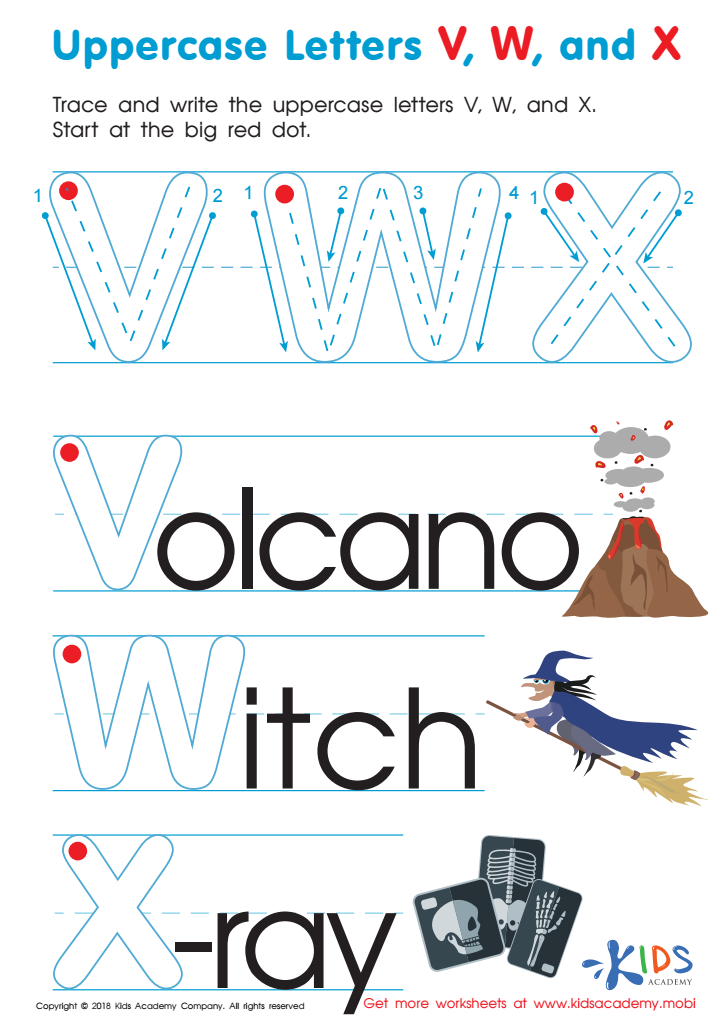
Uppercase Letters V, W, and X Worksheet








Handwriting practice, particularly with the normal alphabet, is foundational for early childhood development. First, it fosters fine motor skills. The act of writing engages hand muscles and improves dexterity, essential for other life skills like buttoning clothes or using utensils. In turn, this physical task reinforces cognitive development. Recognizing and replicating letters aids in visual memory and establishes neural pathways important for reading and comprehension.
Moreover, proficient handwriting is crucial for academic success. Clear, legible writing enables students to communicate their ideas effectively, which is fundamental in nearly all subjects. When children can write effortlessly, they can focus better on content rather than mechanics, boosting their overall learning process. This skill also extends beyond academics, as handwritten notes and communication remain valued in professional and personal contexts.
From a psychological standpoint, mastering handwriting promotes self-confidence and independence. Children experience a sense of accomplishment when they produce readable work, thereby encouraging a positive attitude towards learning. Additionally, handwriting exercises can be soothing, reducing anxiety and helping children manage their emotions.
Thus, investing time in handwriting practice is not merely about forming letters correctly; it is about setting the stage for comprehensive educational and personal development. Parents and teachers must prioritize this essential skill to help children thrive.







