Motor skills development Normal Alphabet Worksheets
3 filtered results
-
From - To
Unlock your child's potential with our “Motor Skills Development Normal Alphabet Worksheets.” Designed to boost fine motor skills, these engaging worksheets help young learners master the alphabet through tracing, coloring, and writing exercises. Each activity is carefully crafted to develop hand-eye coordination, enhance pencil grip, and build foundational writing skills, ensuring a fun and educational experience. Perfect for both classroom and at-home learning, our worksheets offer an optimum blend of skill-building and creativity. Foster confidence and precision in your children’s motor abilities and set them on the path to academic success with Kids Academy’s expert-crafted resources.

Letter H Tracing Page
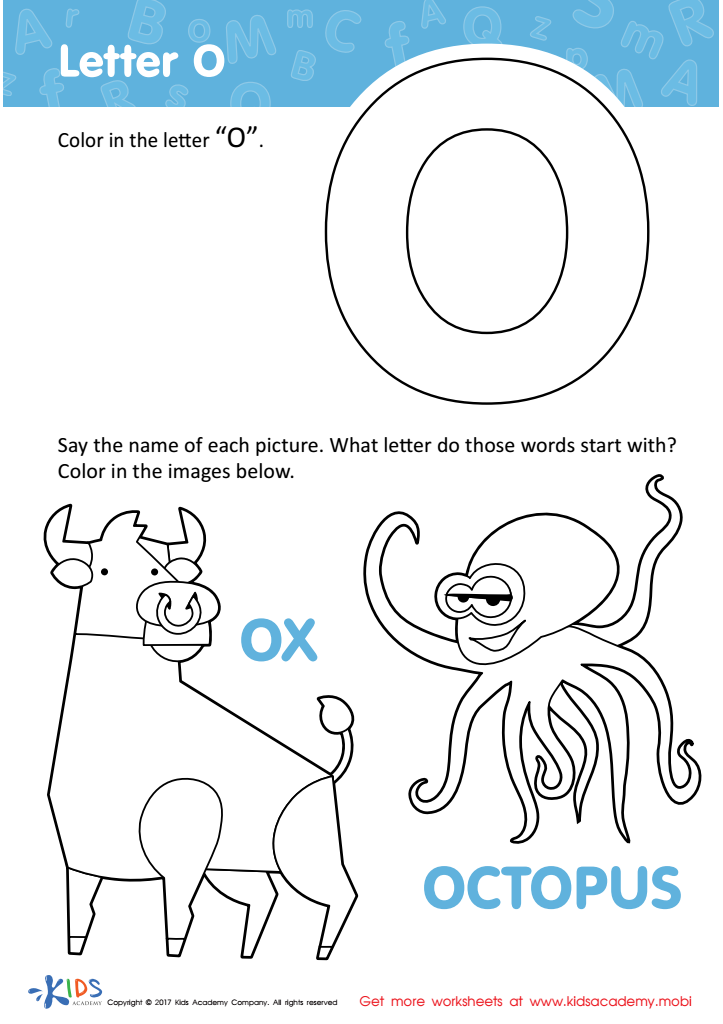
Letter O Coloring Sheet
 Assign to My Students
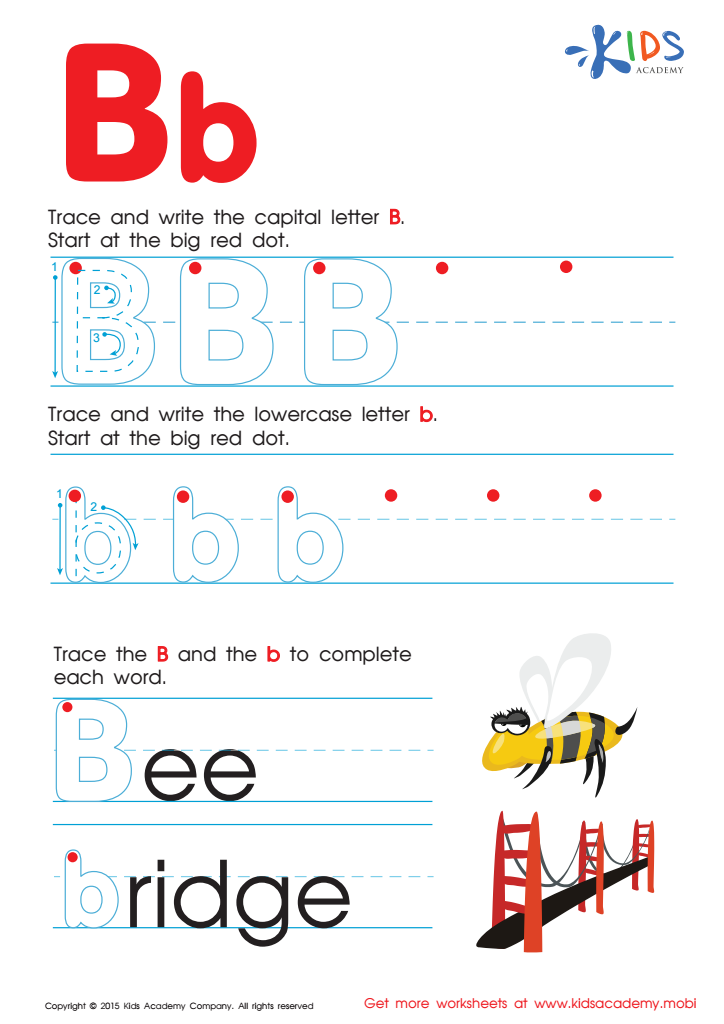
Letter B Tracing Page






Motor skills development is crucial for children's overall growth, warranting attention from both parents and teachers. These skills, classified as fine and gross motor skills, underpin many aspects of a child's daily life and future success.
Gross motor skills involve larger movements like running, jumping, and climbing. Mastering these not only enables kids to engage actively with their environment but also lays the groundwork for physical health and fitness. Imagine children struggling to play sports or even stumble while walking; such scenarios highlight the importance of these skills.
Fine motor skills, on the other hand, entail precise actions like writing, cutting, and buttoning. Proficiency in these areas directly impacts academic performances and autonomy in personal tasks, boosting self-esteem. For instance, effective hand-eye coordination is crucial for writing neatly, solving puzzles, and participating fully in classroom activities.
Beyond academia and physical health, motor skills development fosters cognitive growth and social interactions. As children engage in physical play and interactive tasks, they enhance their problem-solving abilities and build social connections. A foundation in motor skills ensures a holistic development pathway, aiding children in becoming competent and confident individuals. This underscores why parents and teachers should actively support and nurture motor skills from an early age.







