Spelling improvement Normal Alphabet Worksheets
6 filtered results
-
From - To
Boost your child's spelling skills with our Spelling Improvement Normal Alphabet Worksheets! Designed for early learners, these engaging worksheets combine fun activities and effective exercises to reinforce proper letter formation, phonetics, and word recognition. Each sheet introduces new words in an easy-to-follow format, perfect for children mastering the basic principles of spelling. By integrating playful and educational elements, these worksheets stimulate interest while building foundational language skills. Ideal for classroom use or at-home practice, our spelling improvement resources help children gain confidence and excel in their reading and writing journey. Visit us online to download and start improving today!
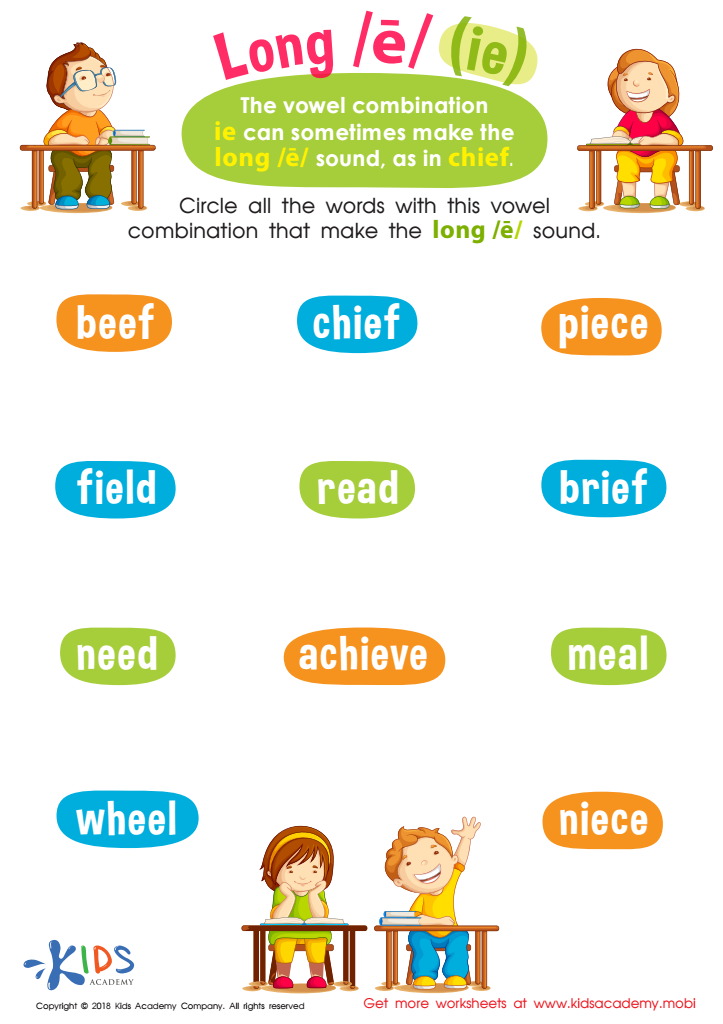
Reading: Long E and IE Worksheet
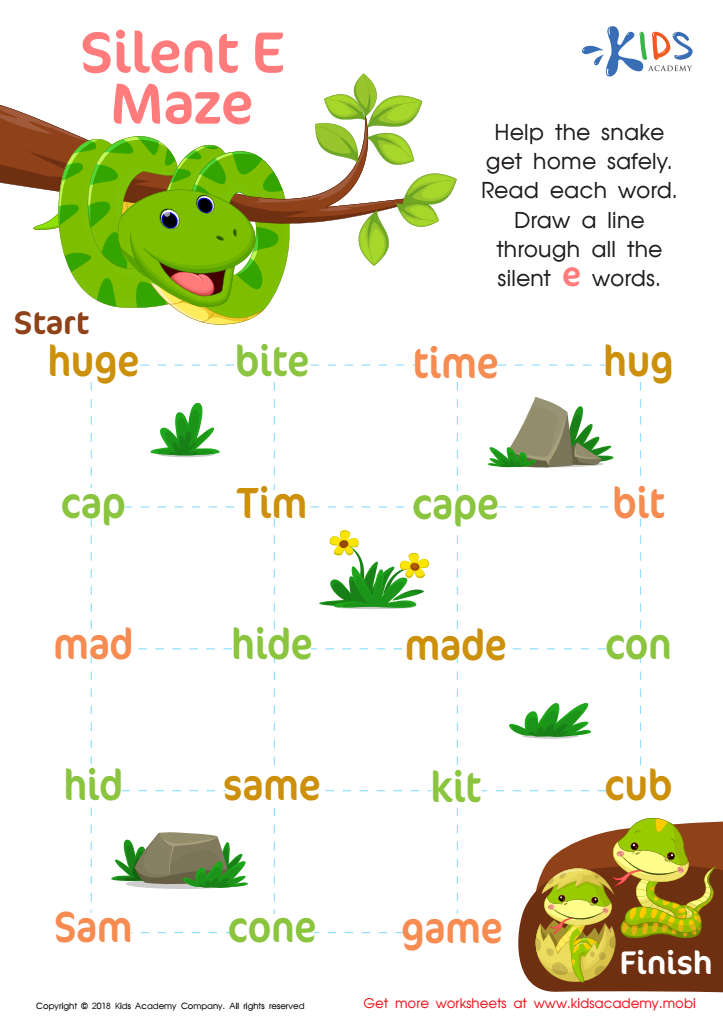
Silent E Maze Worksheet
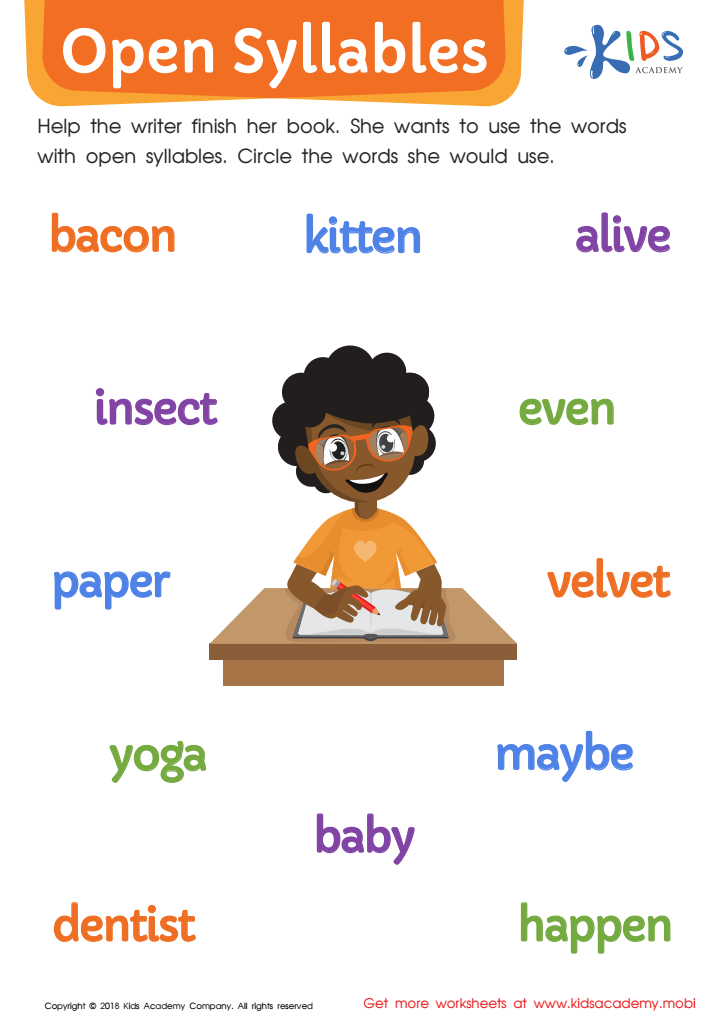
Open Syllables Worksheet
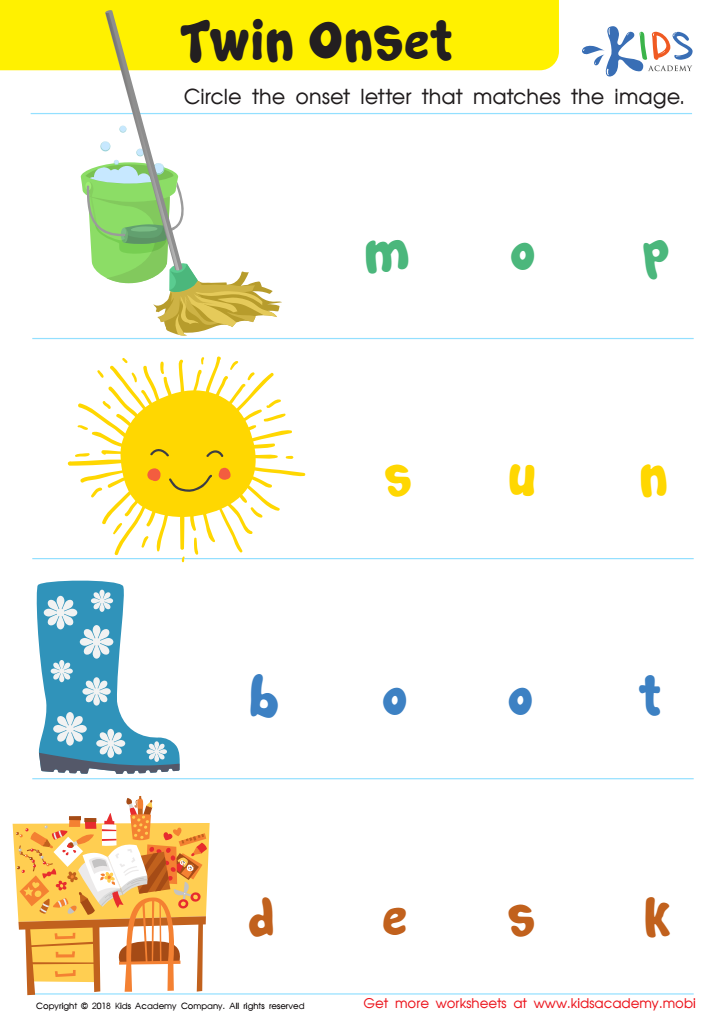
Twin Onset Worksheet
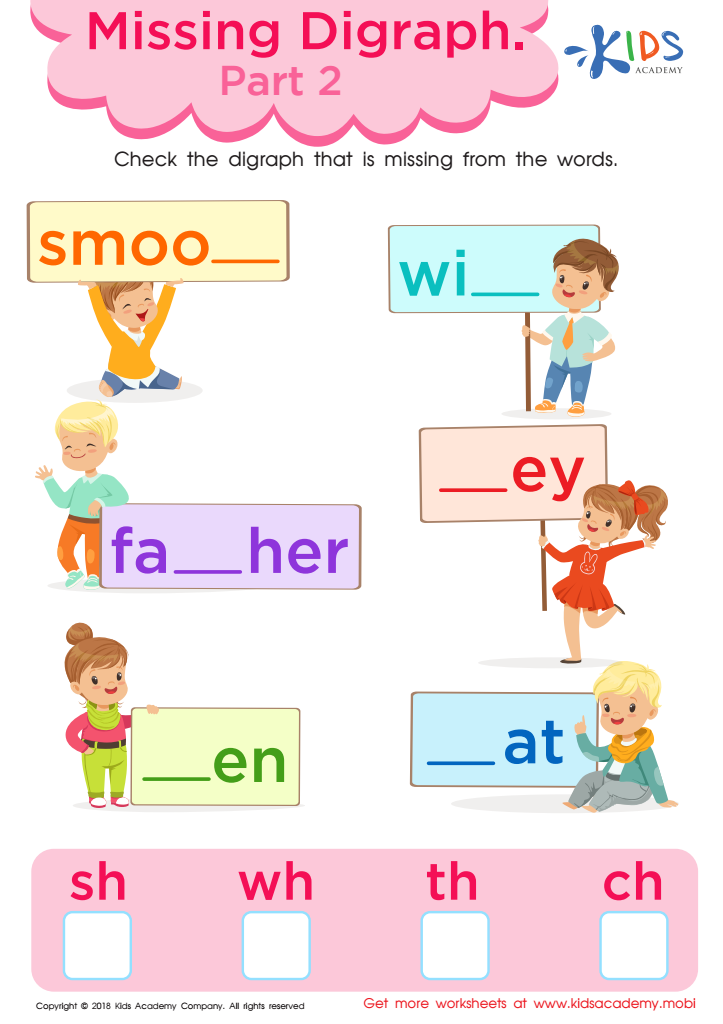
Missing Digraph: Part 2 Worksheet
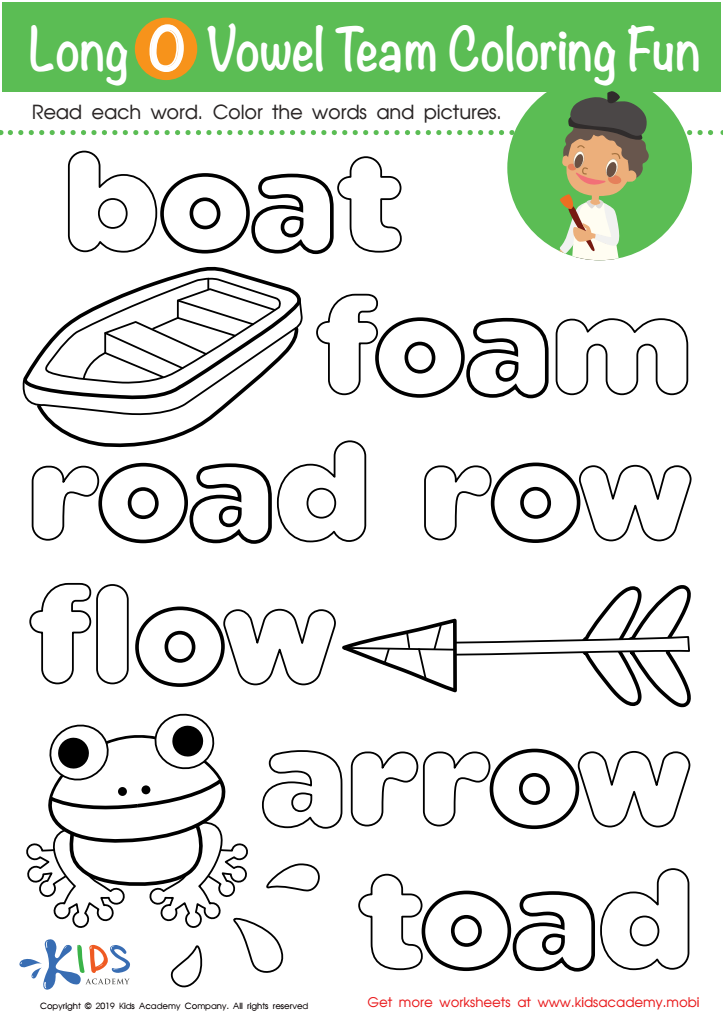
Long O Vowel Team Coloring Worksheet
 Assign to My Students








Spelling improvement is a fundamental aspect of early education that parents and teachers should prioritize for several reasons. Firstly, spelling enhances reading and writing skills. When children learn to spell correctly, they become more proficient readers, enabling them to decode words accurately and understand texts more effectively. This foundation supports their ability to write cohesively and clearly, crucial for expressing thoughts and ideas.
Moreover, good spelling skills boost a child’s confidence. When children spell correctly, they feel a sense of achievement and become more willing to engage in writing activities. This confidence can encourage a love for reading and writing, fostering lifelong literacy skills.
Spelling also plays a vital role in communication. Proper spelling ensures that children can convey their messages without misinterpretation, essential for academic success and future professional communication. Correct spelling reflects attention to detail and aids in making a positive impression in written correspondence.
Additionally, learning to spell broadens a child’s vocabulary and enriches language comprehension. Being familiar with the structure and meaning of words opens doors to learning complex concepts and ideas.
In summary, by caring about spelling improvement, parents and teachers provide children with crucial tools for reading, writing, effective communication, and overall academic and personal success.







