Alphabet tracing Normal Letter Recognition Worksheets
5 filtered results
-
From - To
Welcome to our Alphabet Tracing Normal Letter Recognition Worksheets! These engaging and interactive resources are designed to help young learners master letter recognition and improve their handwriting. Each worksheet features a variety of activities where children can trace uppercase and lowercase letters, reinforcing their understanding of the alphabet in a fun way. Perfect for preschool and early grade students, these worksheets encourage fine motor skills development while making learning enjoyable. Explore our extensive collection and watch your child gain confidence as they get acquainted with the letters, preparing them for future reading and writing success. Start tracing today!
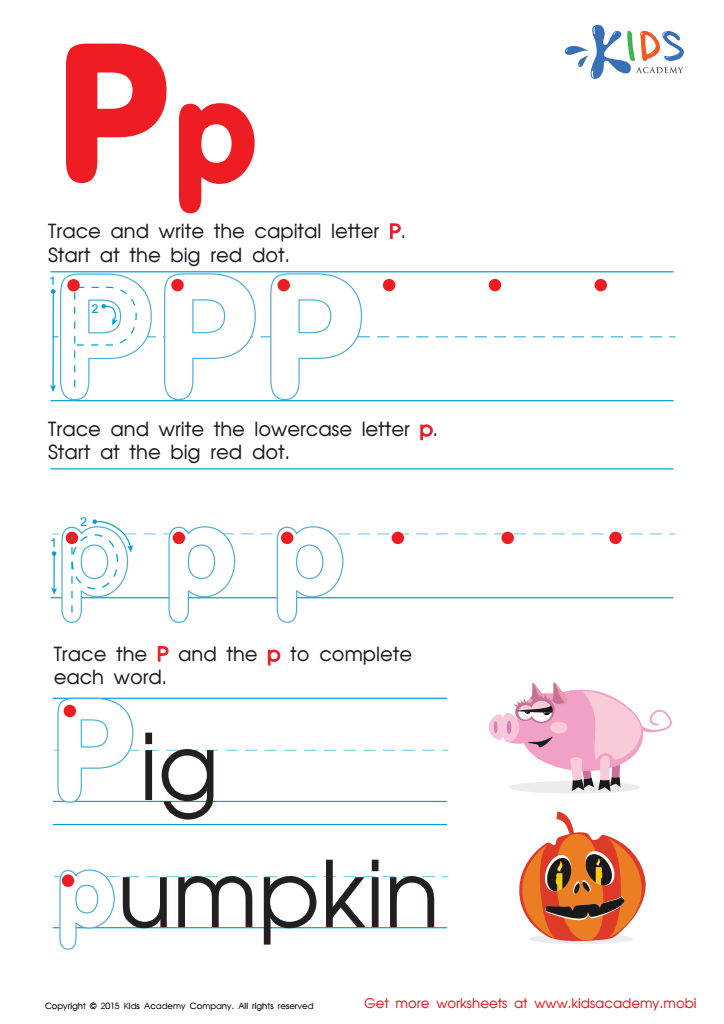
Letter P Tracing Page
 Assign to My Students
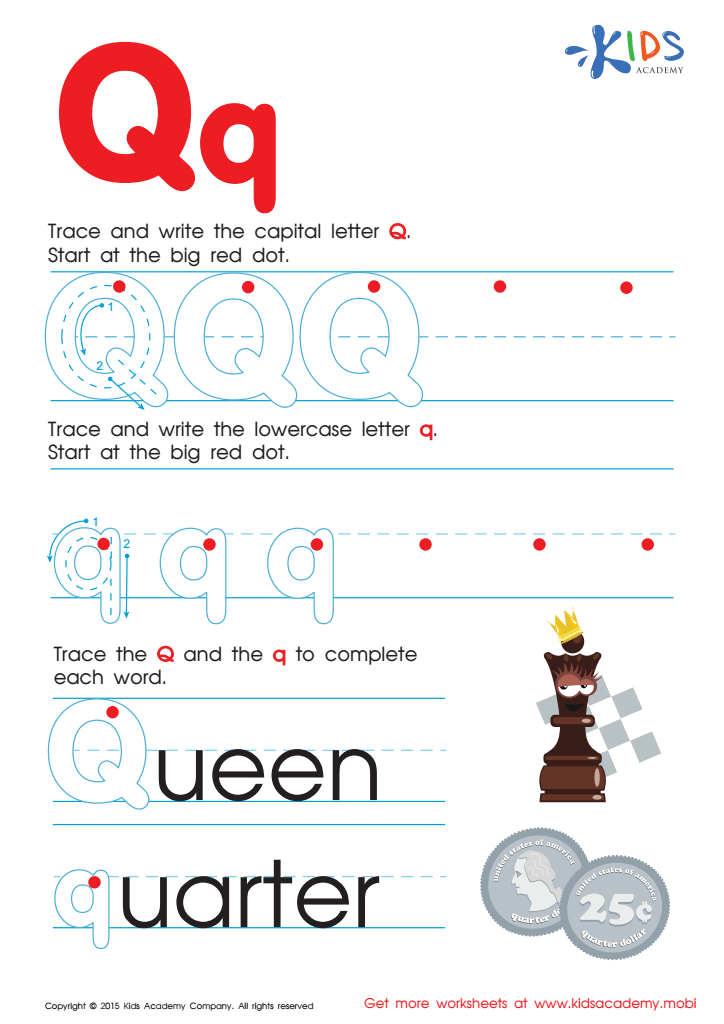
Letter Q Tracing Page
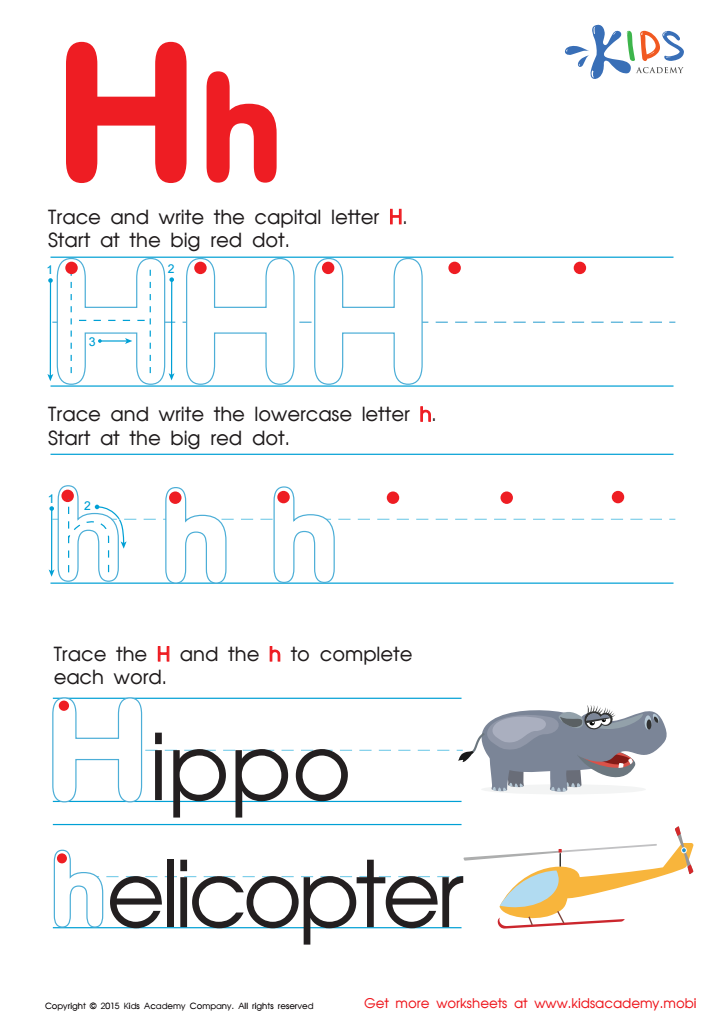
Letter H Tracing Page
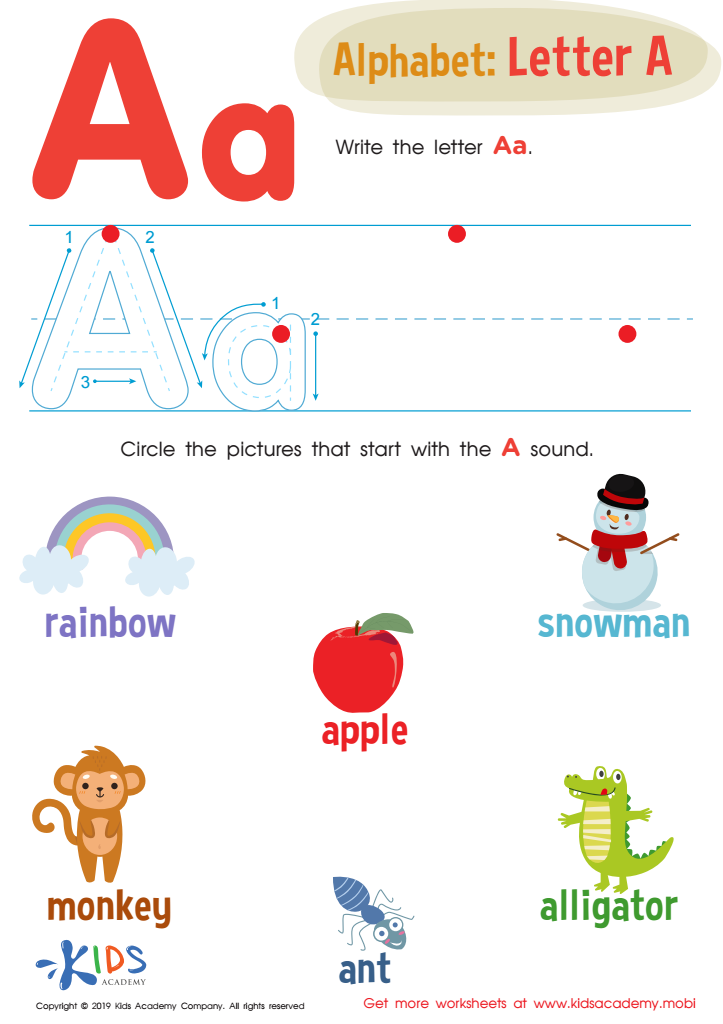
Letter A Tracing Worksheet

Letter D Tracing Page








Alphabet tracing and normal letter recognition are essential components of early literacy development and significantly impact a child's educational journey. First, these practices help children understand that letters are the building blocks of written language, making reading and writing accessible. Tracing letters enhances fine motor skills, as children develop the hand-eye coordination necessary for writing, which is critical for success in school.
Teachers and parents should care about these skills because strong letter recognition fosters confidence in early readers. When children learn to identify both upper and lower case letters, they are better equipped to tackle reading activities, paving the way for a solid foundation in literacy. Furthermore, a child’s ability to recognize letters corresponds with their overall academic achievement; difficulties in this area can extend to other subjects, impacting their confidence and enthusiasm for learning.
Involving parents in this process encourages engagement at home and reinforces what is taught in school. Overall, investing time and resources into letter tracing and recognition cultivates lifelong learners who are better prepared for future educational challenges. Therefore, it is crucial for teachers and parents to collaboratively prioritize these foundational skills in early childhood education.








