Alphabetical order understanding Normal Letter Recognition Worksheets
3 filtered results
-
From - To
Explore our Alphabetical Order Understanding Normal Letter Recognition Worksheets, designed to enhance your child's ability to identify and organize letters. These engaging resources provide a perfect balance of fun and education, helping young learners master the foundational skill of alphabetization. By working through various activities, students will become familiar with letter sequences, expand their vocabulary, and improve their overall literacy skills. The worksheets encourage critical thinking and make the learning process enjoyable. Ideal for early grade classrooms or home learning, these printables are a valuable tool for educators and parents alike, laying the groundwork for future reading success.
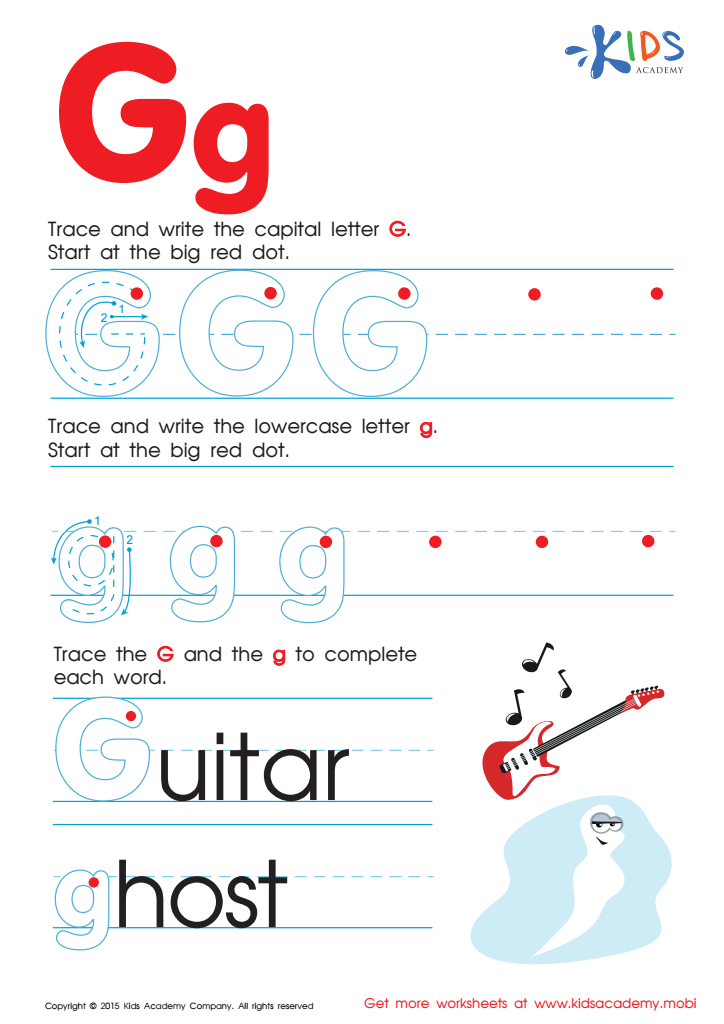
Letter G Tracing Page
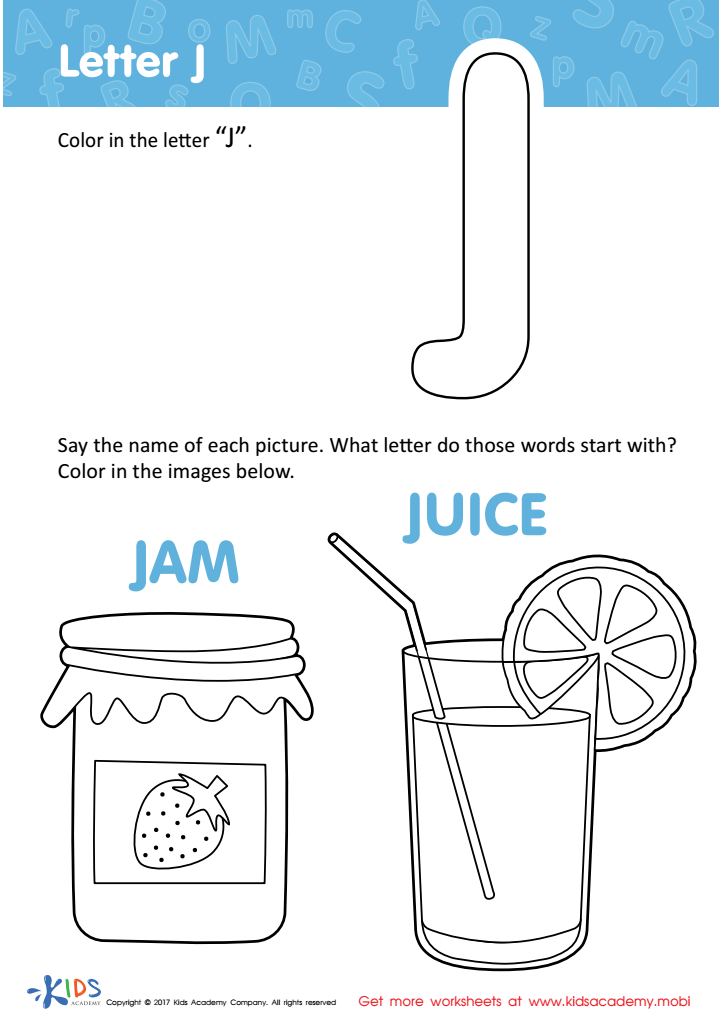
Letter J Coloring Sheet
 Assign to My Students
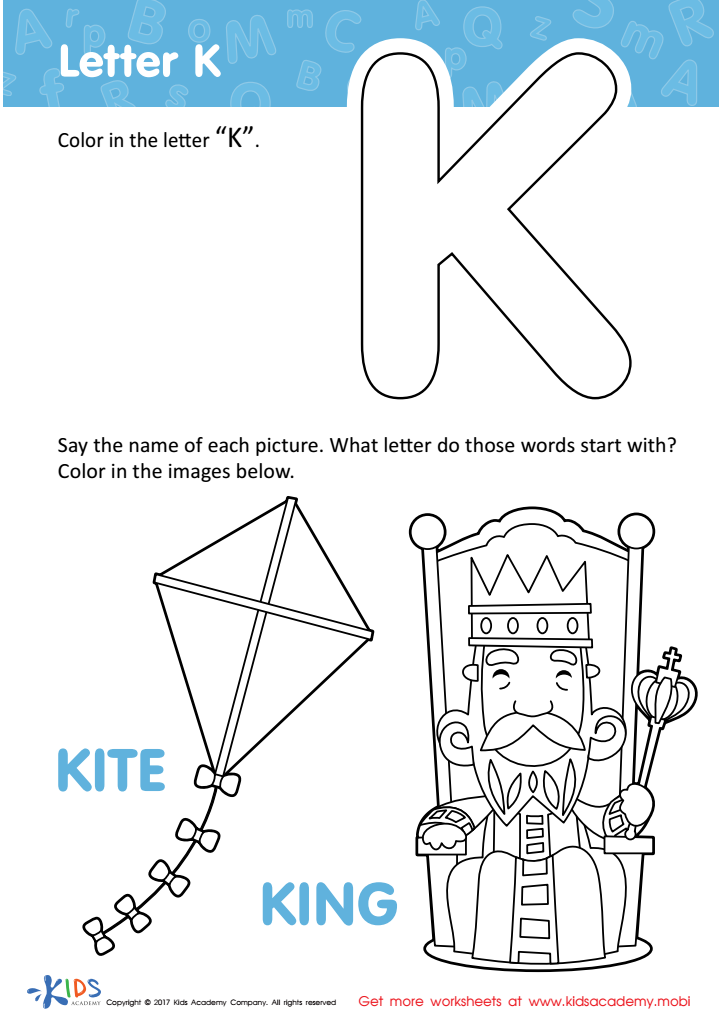
Letter K Coloring Sheet
Assign to My Students








Understanding alphabetical order and normal letter recognition are foundational skills that significantly influence children's literacy development. Parents and teachers should prioritize these skills for several reasons.
Firstly, alphabetical order is essential for organizing information, an integral part of reading and writing. When children learn to arrange letters and words in alphabetical order, they enhance their ability to locate and reference information quickly, a skill beneficial not just in language arts but across various subjects.
Moreover, proficient letter recognition lays the groundwork for reading fluency. Recognizing letters accurately and swiftly allows children to decode words, recognize them in context, and build their vocabulary. This foundational skill boosts confidence as children progress in their literacy skills.
Additionally, strong letter recognition and understanding of the alphabet create a crucial connection between sounds and symbols, fostering phonemic awareness. This skill is necessary for spelling and writing effectively.
Ultimately, nurturing these skills engages students in their learning journey, giving them tools to navigate not only reading and writing but also critical thinking and problem-solving throughout their education. By emphasizing alphabetical order and letter recognition, parents and teachers help set children on a path to academic success and a lifelong love for reading.








