Handwriting Skills Normal Letter Recognition Worksheets
5 filtered results
-
From - To
Enhance your child's handwriting and letter recognition with our specially designed worksheets! Our "Handwriting Skills Normal Letter Recognition Worksheets" provide engaging activities that help young learners Practice writing uppercase and lowercase letters while simultaneously recognizing them. Each worksheet features colorful illustrations and fun prompts that encourage creativity in learning. Perfect for preschool and early grade classrooms, these worksheets bolster fine motor skills and letter familiarity, laying a strong foundation for lifelong literacy. Available for easy download, these resources are ideal for both home and classroom use. Start helping your child develop confident handwriting and essential letter recognition skills today!
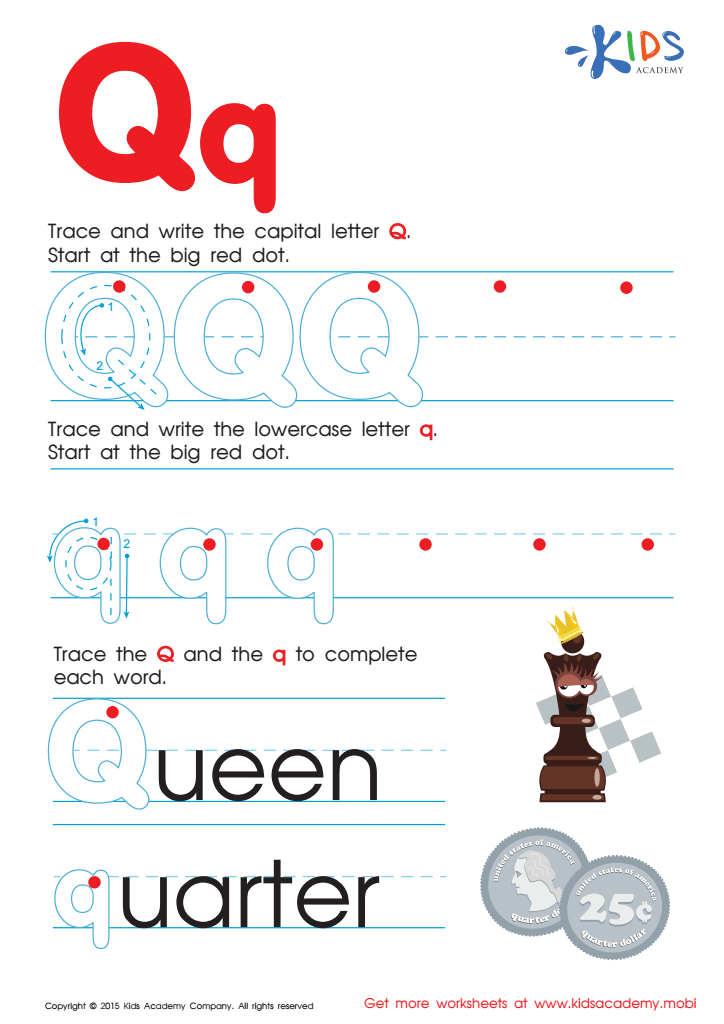
Letter Q Tracing Page
 Assign to My Students
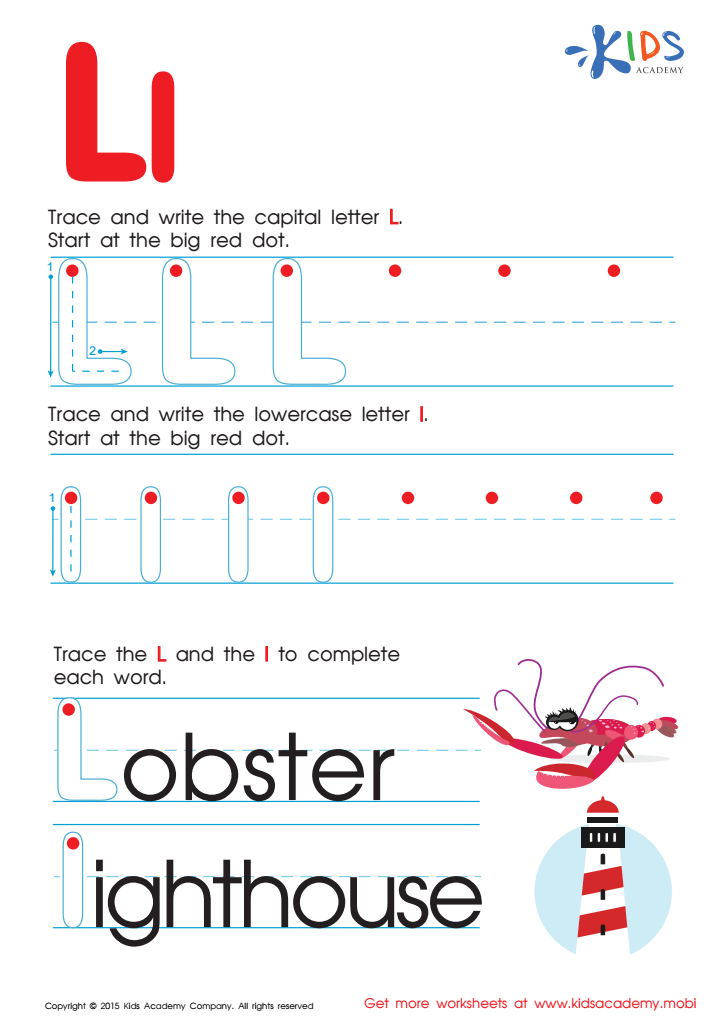
Letter L Tracing Page

Letter E Tracing Page
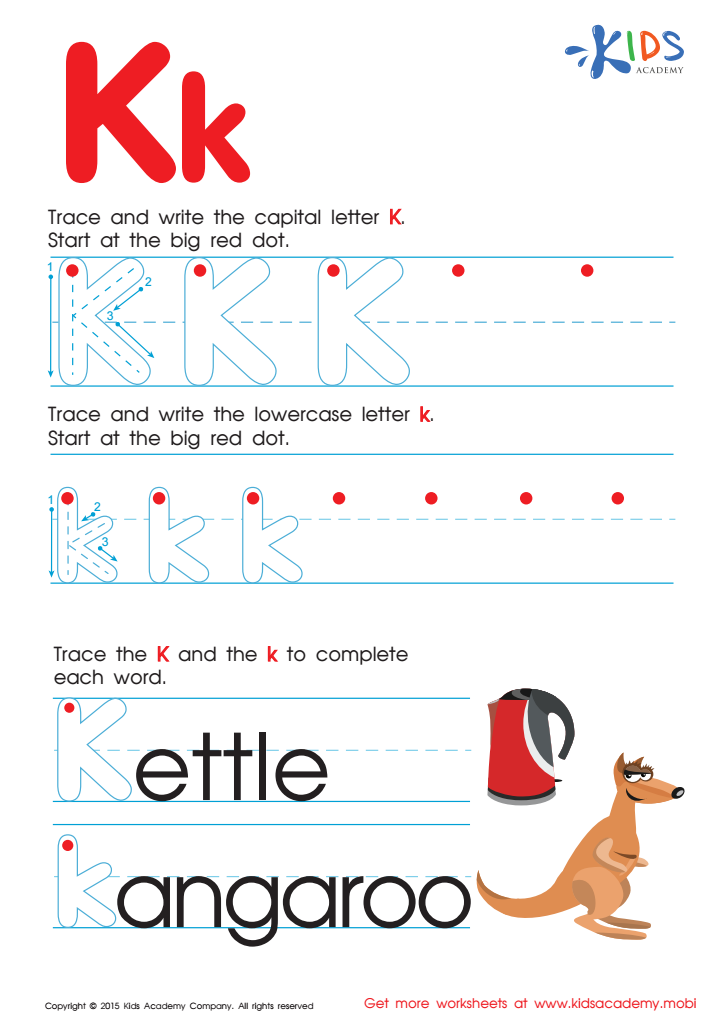
Letter K Tracing Page
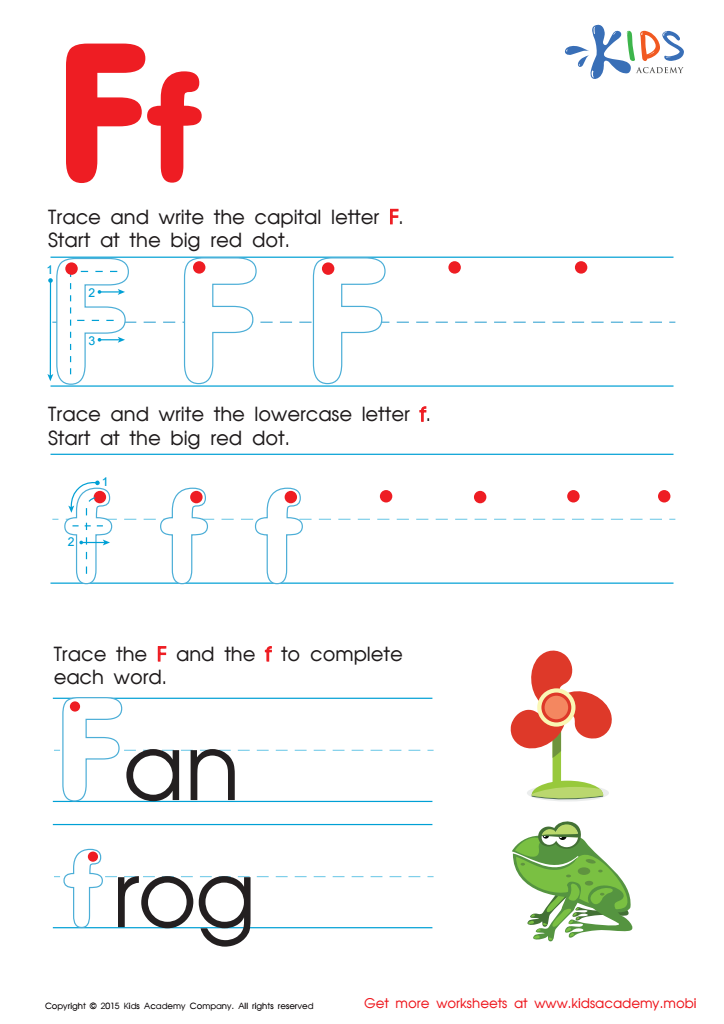
Letter F Tracing Page








Handwriting skills and letter recognition are fundamental components of early childhood education that significantly influence a child’s academic success. Parents and teachers should care about these skills because they serve as the foundation for effective communication and literacy development.
Handwriting helps children express their thoughts and ideas clearly. Developing fine motor skills through writing strengthens hand-eye coordination, which is crucial for activities beyond academics, like sports and art. Furthermore, proper letter recognition aids reading success; children who can identify letters quickly and accurately are more likely to become proficient readers.
Moreover, handwriting encourages cognitive and emotional connections. When children write by hand, they engage more deeply with the material, enhancing memory retention and comprehension. This multi-sensory experience fosters creativity and self-expression, essential for critical thinking and problem-solving skills.
Additionally, in our technology-driven world, strong handwriting skills round out a child's educational experience, ensuring they can communicate effectively in various contexts. Thus, parents and teachers play a pivotal role in nurturing these skills, as they set the groundwork for lifelong learning and successful interactions both in school and the broader world. Prioritizing handwriting and letter recognition is essential for nurturing confident, competent learners.








