Problem-Solving Skills Normal Letter Recognition Worksheets
3 filtered results
-
From - To
Enhance your child’s literacy journey with our "Problem-Solving Skills Normal Letter Recognition Worksheets." Designed for young learners, these engaging worksheets focus on building essential letter recognition skills while fostering critical thinking. Each activity encourages kids to identify, match, and manipulate letters through fun, hands-on exercises. As they navigate through various challenges, children will not only boost their alphabet knowledge but also develop problem-solving strategies that are crucial for their academic success. Perfect for classroom settings or home practice, our worksheets make learning enjoyable and interactive. Equip your child with the skills they need to thrive in reading and beyond!
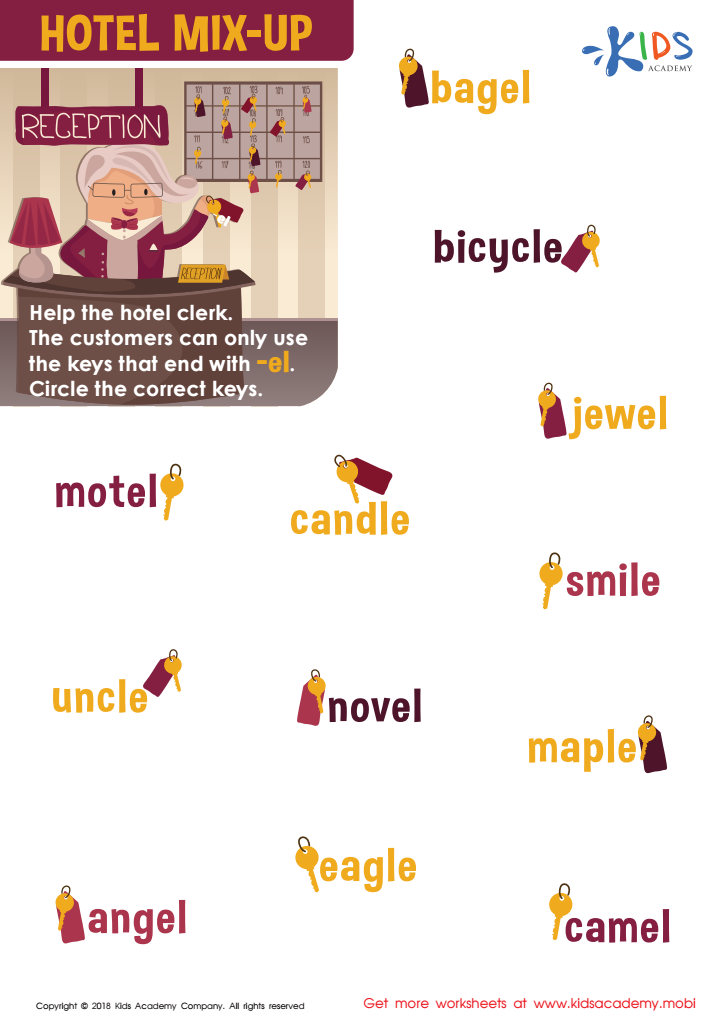
Hotel Mix-up Worksheet
 Assign to My Students
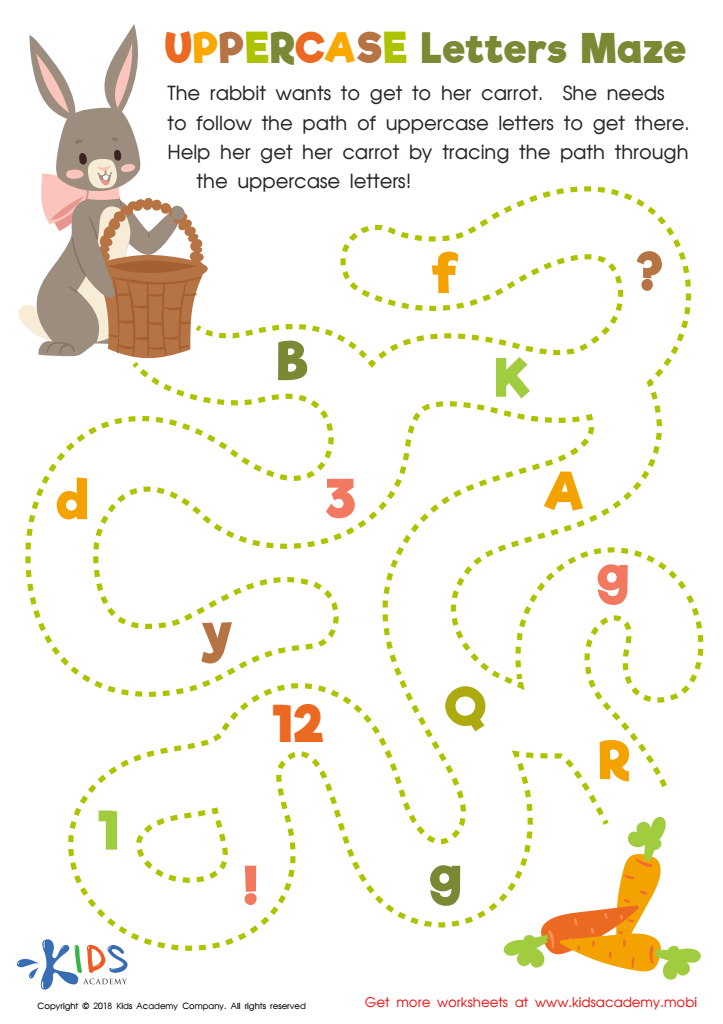
Uppercase Letters Maze Worksheet
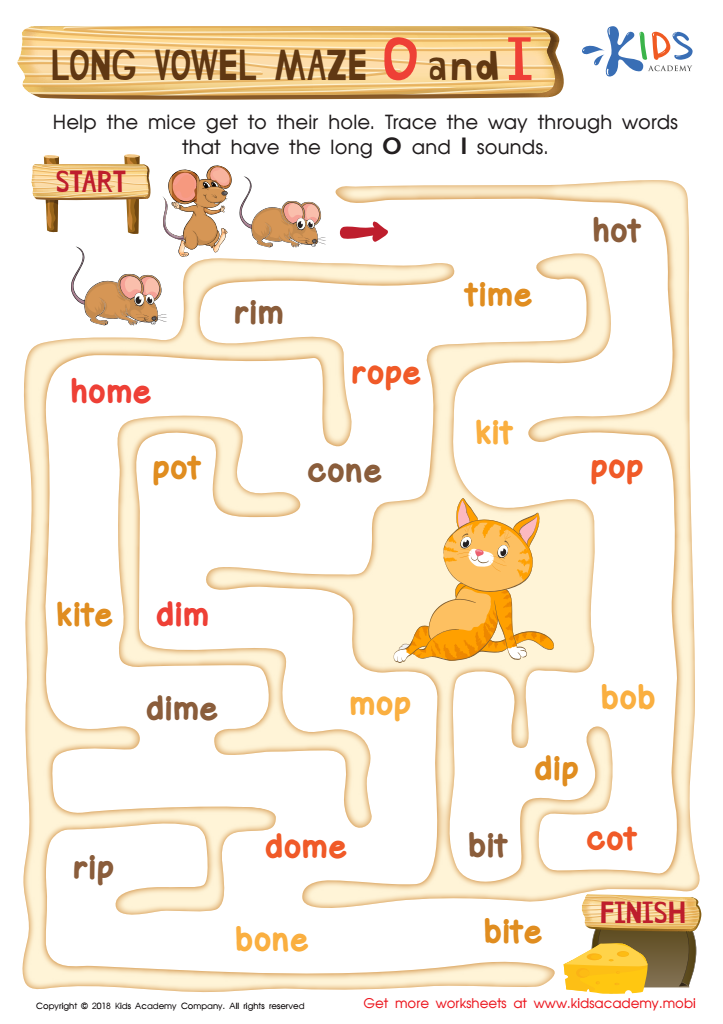
Long Vowel Maze /o/ and /i/ Worksheet








Problem-solving skills and letter recognition are foundational components of early childhood education that significantly impact a child's cognitive development and literacy. Parents and teachers should care about these skills for several reasons.
Firstly, problem-solving skills empower children to navigate challenges, think critically, and approach situations creatively. This ability fosters independence and resilience, essential qualities for academic and life success. Involving children in problem-solving tasks builds their confidence and develops their analytical thinking, enabling them to overcome obstacles they may encounter in various subjects and real-world scenarios.
Secondly, normal letter recognition is vital for literacy development. It’s the first step in reading and writing, as recognizing letters is crucial for decoding words. Strong letter recognition helps children to spell, read fluently, and build a vocabulary. If children struggle with recognizing letters, it can hinder their literary progress, impacting their overall academic performance.
By nurturing these skills together, parents and teachers create a supportive learning environment that encourages exploration and growth. This holistic focus not only paves the way for academic achievements but also prepares children for future social and emotional challenges, laying the groundwork for lifelong learning and success.








