Visual discrimination skills Normal Letter Recognition Worksheets
5 filtered results
-
From - To
Enhance your child's visual discrimination skills with our "Normal Letter Recognition Worksheets." Designed for early learners, these worksheets focus on helping children accurately identify letters by distinguishing their unique shapes and features. Engaging activities include matching, tracing, and identifying letters in various contexts, fostering both recognition and understanding. Our resources are tailored to promote essential literacy skills while keeping learning fun and interactive. Give your child the foundation they need for reading success with our expertly crafted worksheets, perfect for at-home practice or classroom enrichment. Start your journey towards confident letter recognition today! Explore our resources and watch your child thrive!
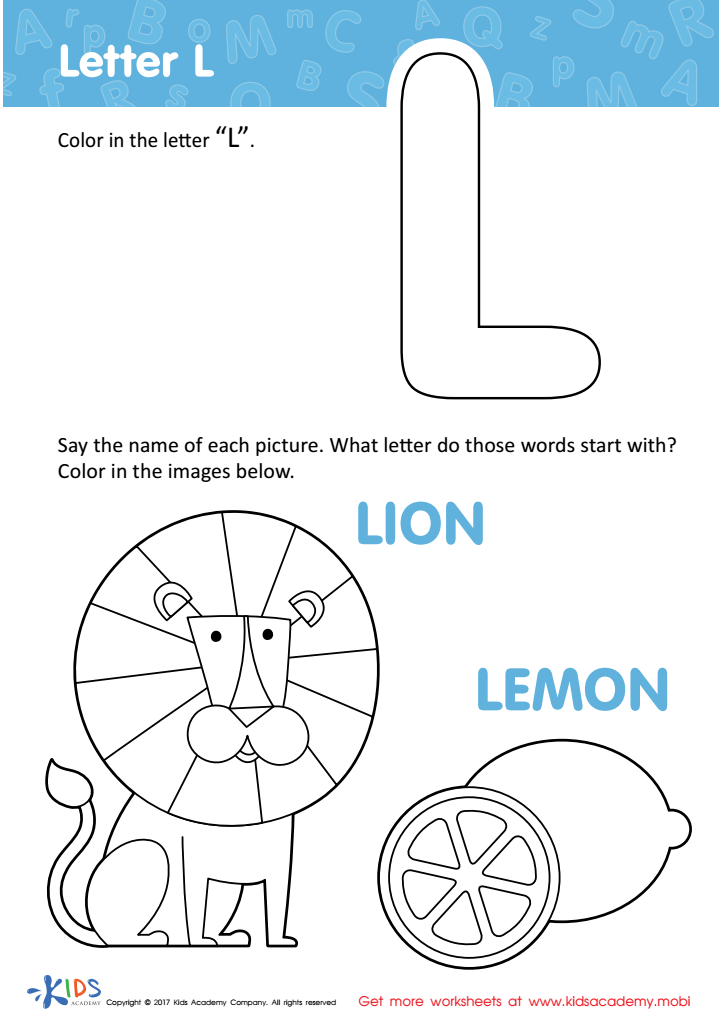
Letter L Coloring Sheet
 Assign to My Students
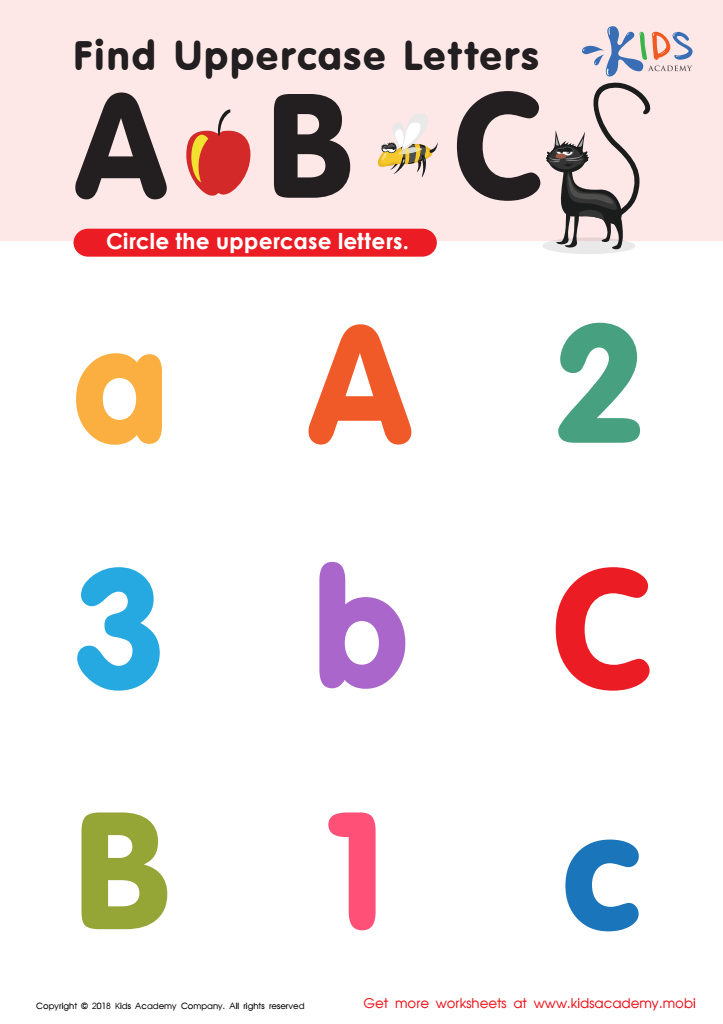
Find Uppercase Letters A, B, and C Worksheet
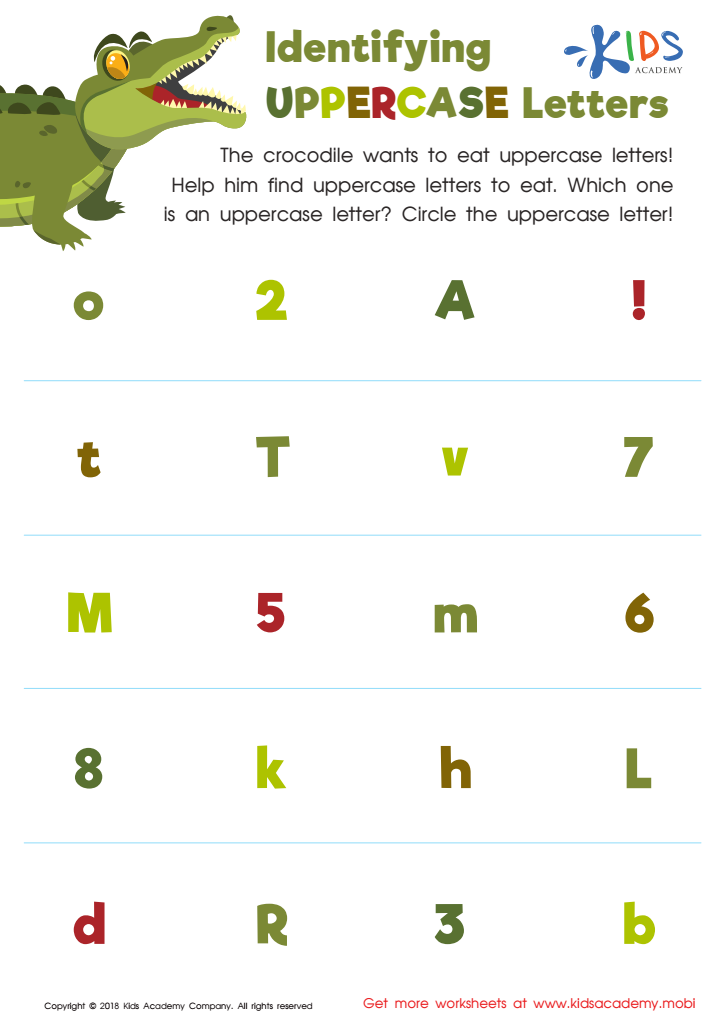
Identifying Uppercase Letters Worksheet
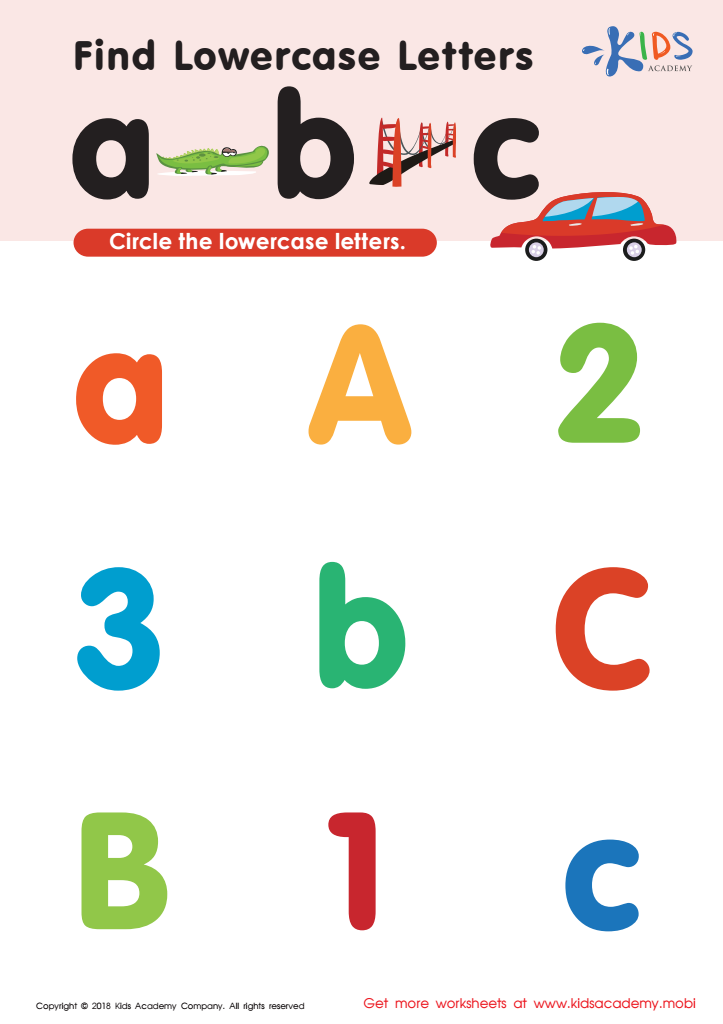
Find lowercase letters a b c Worksheet
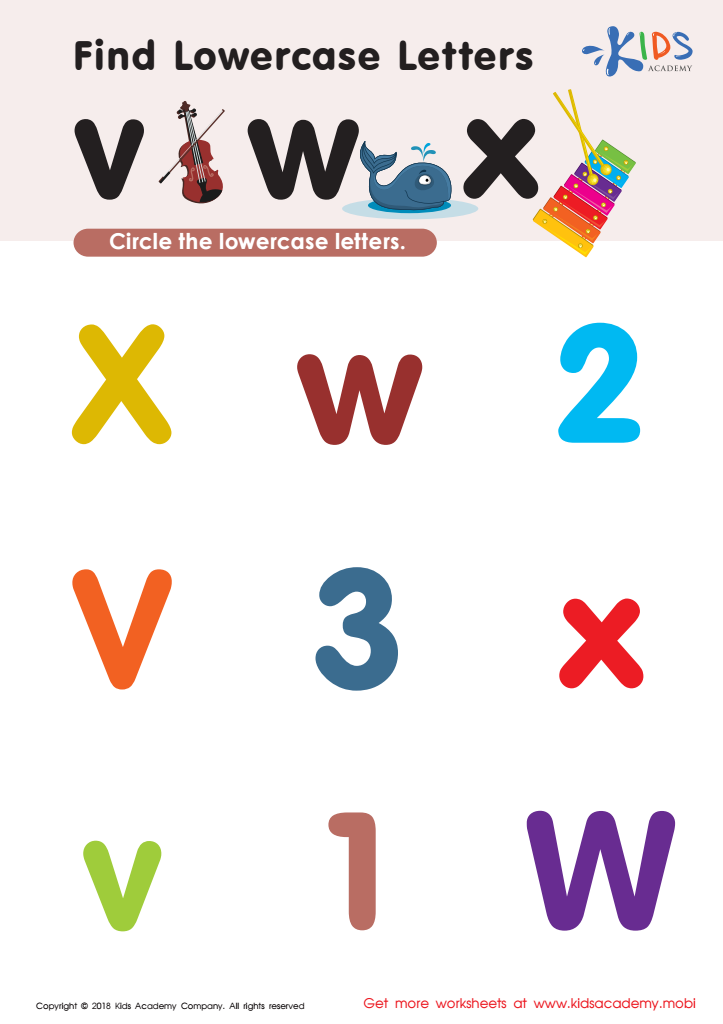
Find Lowercase Letters v w x Worksheet








Visual discrimination skills are foundational for young learners as they foster essential abilities in recognizing and understanding letters, numbers, and shapes. For parents and teachers, nurturing these skills is vital for several reasons.
Firstly, normal letter recognition is crucial for literacy development. Children need to distinguish between letters to read and write effectively. Strong visual discrimination supports Phonemic awareness, allowing them to recognize different phonetic sounds associated with specific letters.
Secondly, visual discrimination plays an essential role in overall academic success. When children can quickly identify and differentiate letters, they can more readily tackle remedial tasks, reduce frustration, and cultivate a love of learning. This skill influences not only reading and writing but also mathematics and other subject areas, forming a basis for strong cognitive skills that extend beyond the classroom.
Furthermore, developing these skills at an early age can help identify any potential learning difficulties. If discrepancies emerge, timely intervention can be implemented to support the child's educational journey effectively.
In conclusion, parents and teachers should prioritize visual discrimination skills and normal letter recognition, as they are critical for foundational literacy and pave the way for lifelong learning and achievement.








