Reading development Normal Phonics Worksheets
5 filtered results
-
From - To
Enhance your child's reading skills with our engaging Normal Phonics Worksheets! Designed for early learners, these worksheets support reading development by making phonics fun and accessible. Each worksheet emphasizes letter recognition, sound association, and blending skills through interactive activities and colorful illustrations. Ideal for classroom instruction or at-home practice, our resources cater to diverse learning styles. By integrating phonics into reading exercises, children build a strong foundation for literacy that fosters confidence and fluency. Explore our extensive collection to ignite your child's passion for reading and help them succeed in their educational journey! Start printable learning today!
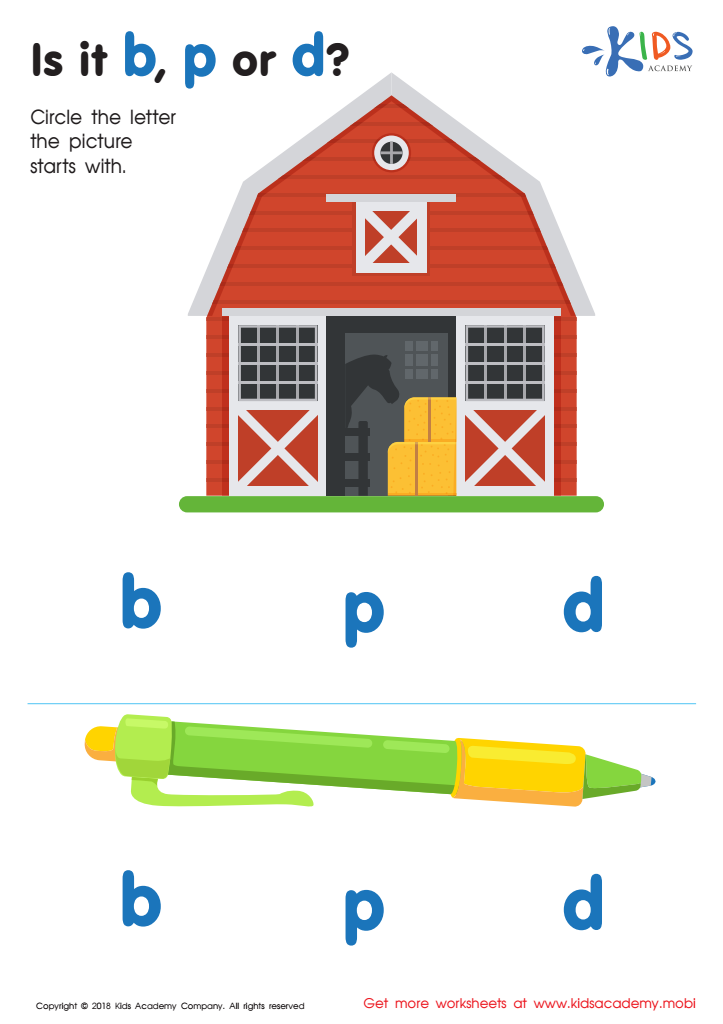
Is it b, p or d? Worksheet
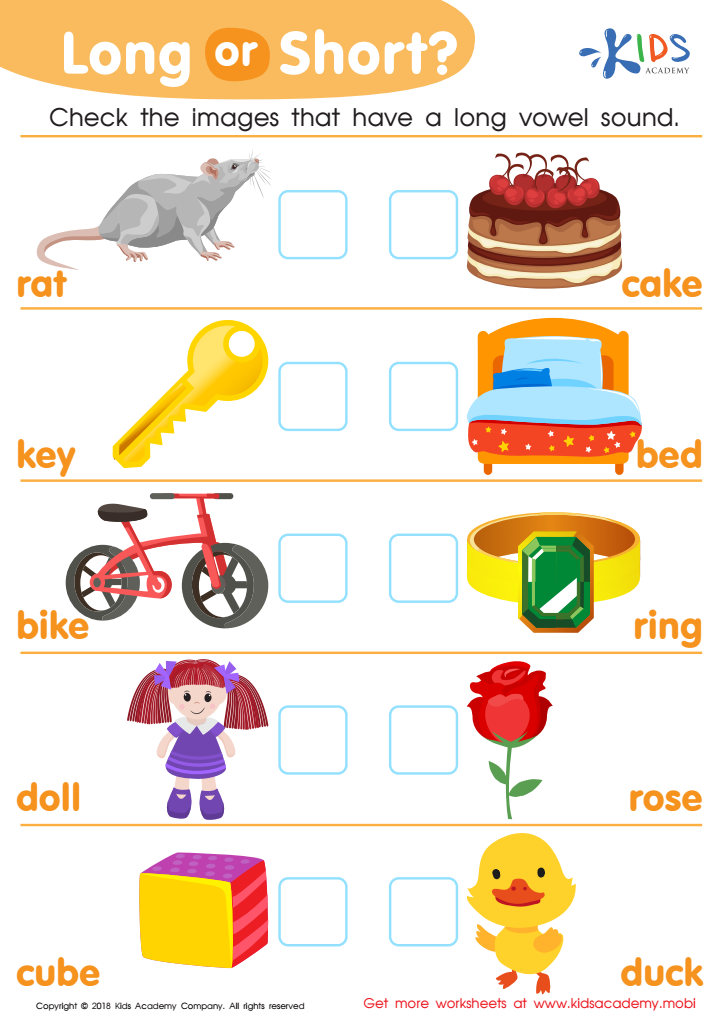
Long or Short Reading Worksheet
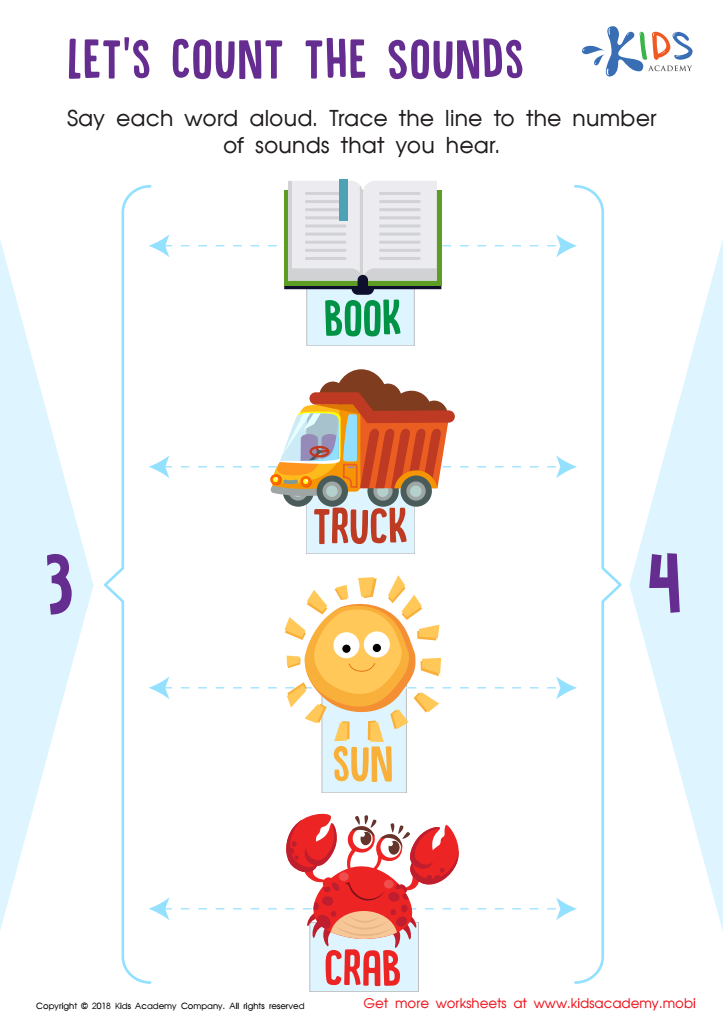
Let's Count the Sounds Worksheet
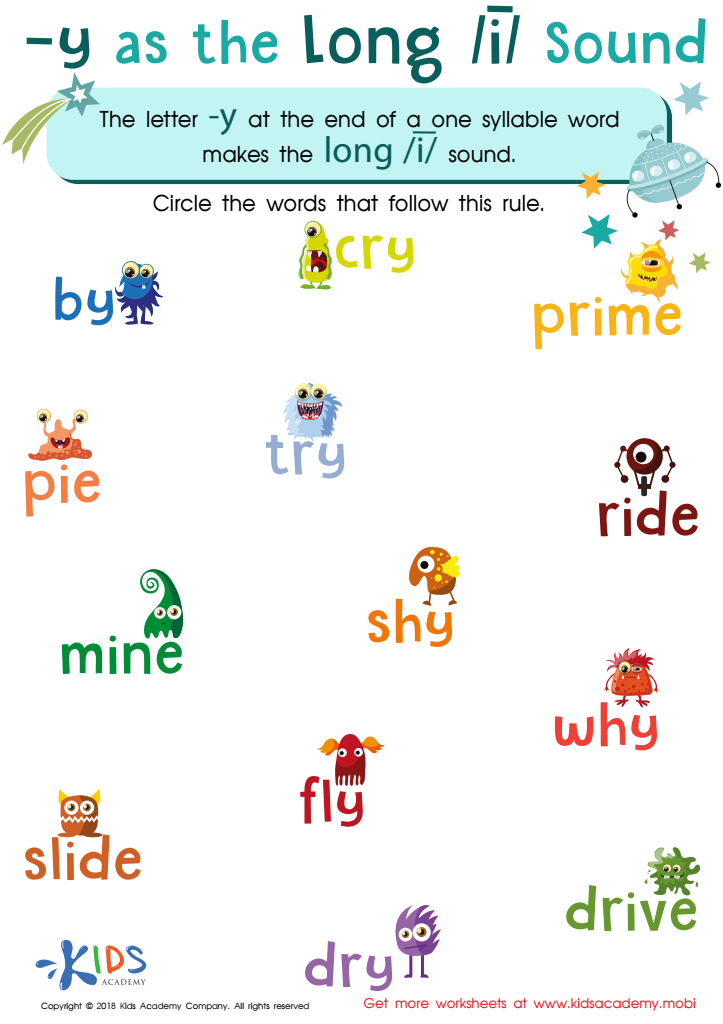
Reading: Y as Long I Worksheet
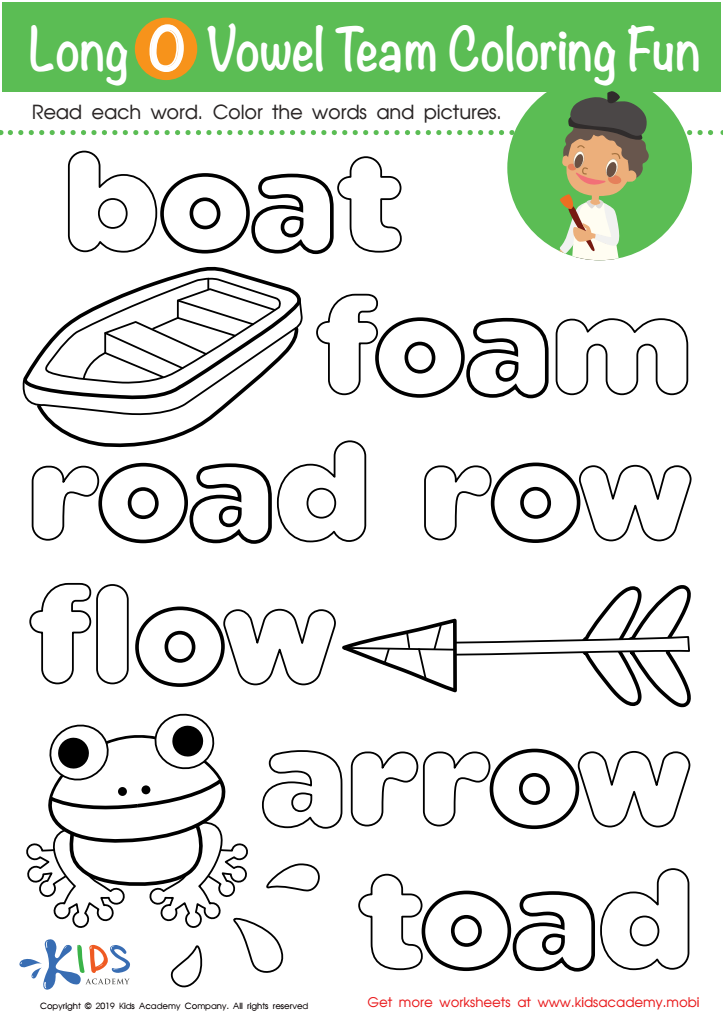
Long O Vowel Team Coloring Worksheet
 Assign to My Students








Parents and teachers should prioritize reading development in children, particularly through methods like Normal Phonics, because it lays the foundational skills necessary for literacy. Phonics instruction helps children understand the relationships between letters and sounds, enabling them to decode new words independently. This skill is crucial for building reading fluency, comprehension, and overall academic success.
Additionally, early reading development is linked to increased vocabulary, improved listening skills, and enhanced communication abilities. By mastering phonics, children gain confidence in their reading skills, fostering a love for literature that can last a lifetime. When educators and parents emphasize phonics, they support children in making connections between spoken and written language, essential for effective communication.
Moreover, strong reading skills positively impact self-esteem and social interactions, as children are better equipped to engage academically and socially with their peers. Supporting phonics instruction at home or in school ensures that children are not left behind, particularly those who may struggle with traditional reading approaches. Thus, a focus on Normal Phonics in early education can create equitable opportunities for all children, turning reading into a gateway for lifelong learning and growth.







