Phonics Skills Normal Short Vowels Worksheets
7 filtered results
-
From - To
Boost your child's reading journey with our "Phonics Skills Normal Short Vowels Worksheets" from Kids Academy! These engaging and educational worksheets are designed to help young learners master short vowel sounds through fun activities. Each worksheet targets specific phonics skills, guiding children in vowel recognition, pronunciation, and usage in everyday words. Perfect for early graders, our resources encourage self-paced learning in a playful manner. Download our printable worksheets to make phonics practice enjoyable and effective, setting the foundation for your child’s literacy success. Explore Kids Academy today and make phonics fun with Short Vowels Worksheets!
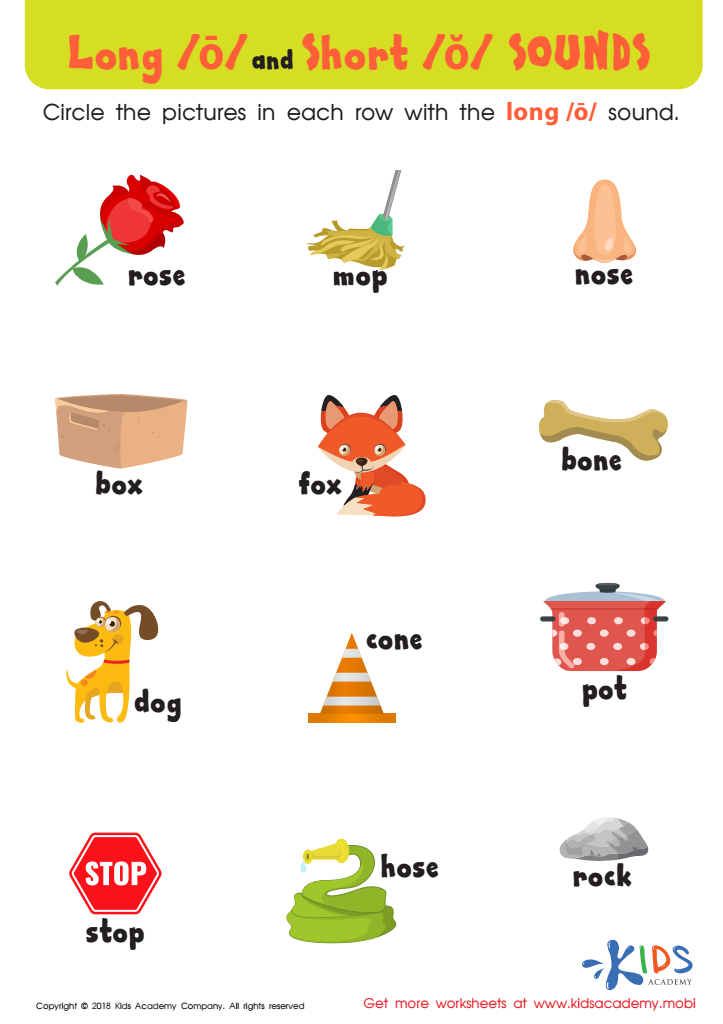
Reading: Long O and Short O Sounds Worksheet
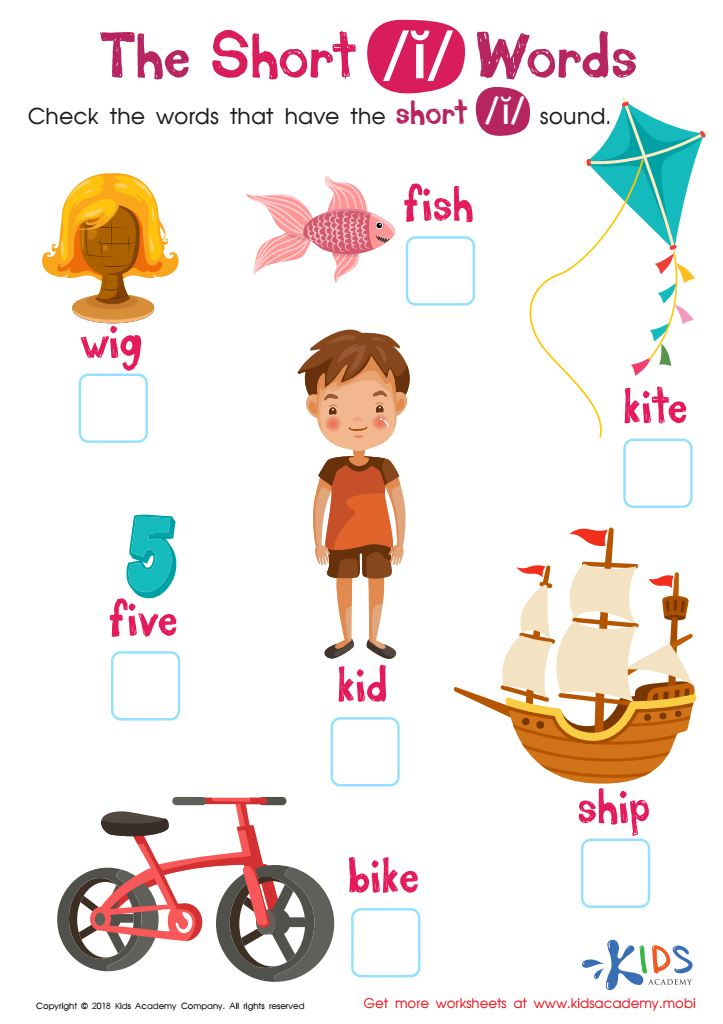
The Short I Words Reading Worksheet
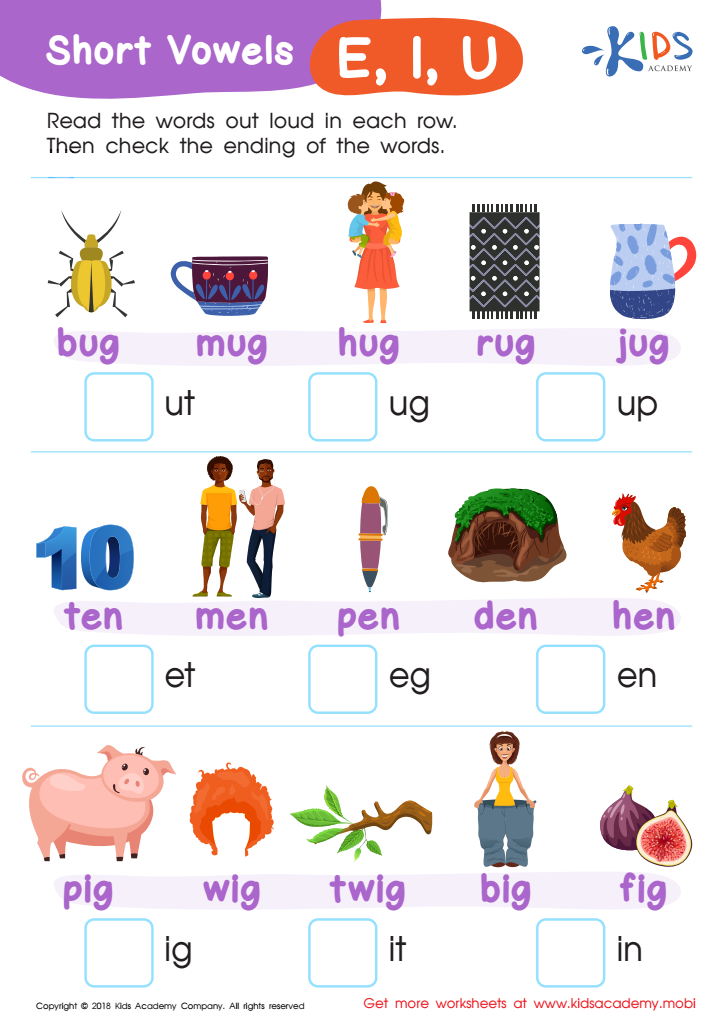
Short Vowels /e/, /i/, and /u/ Worksheet
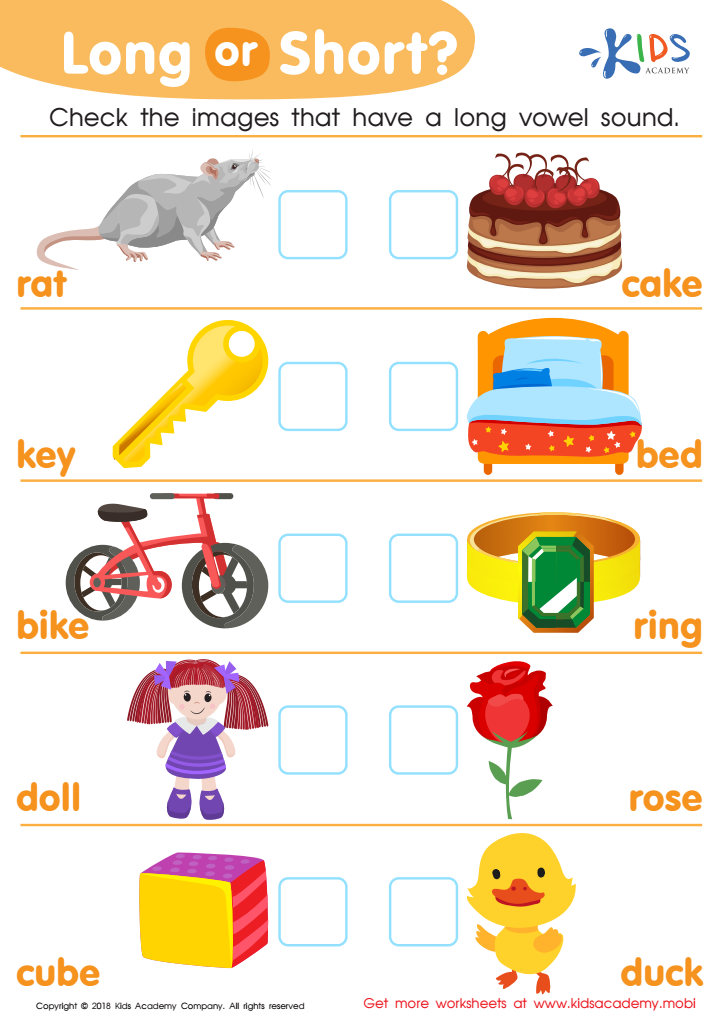
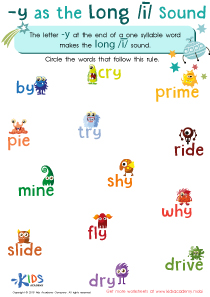
Long or Short Reading Worksheet
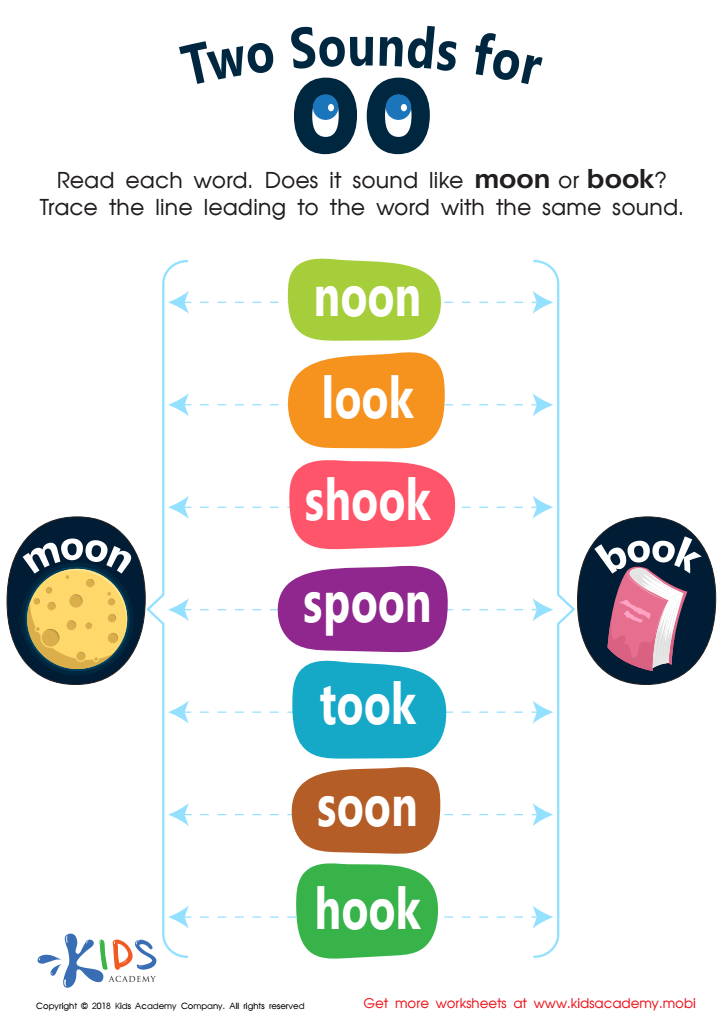
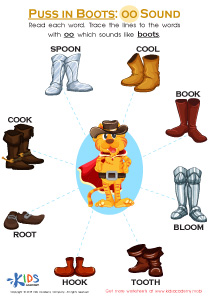
Two Sounds for OO Worksheet
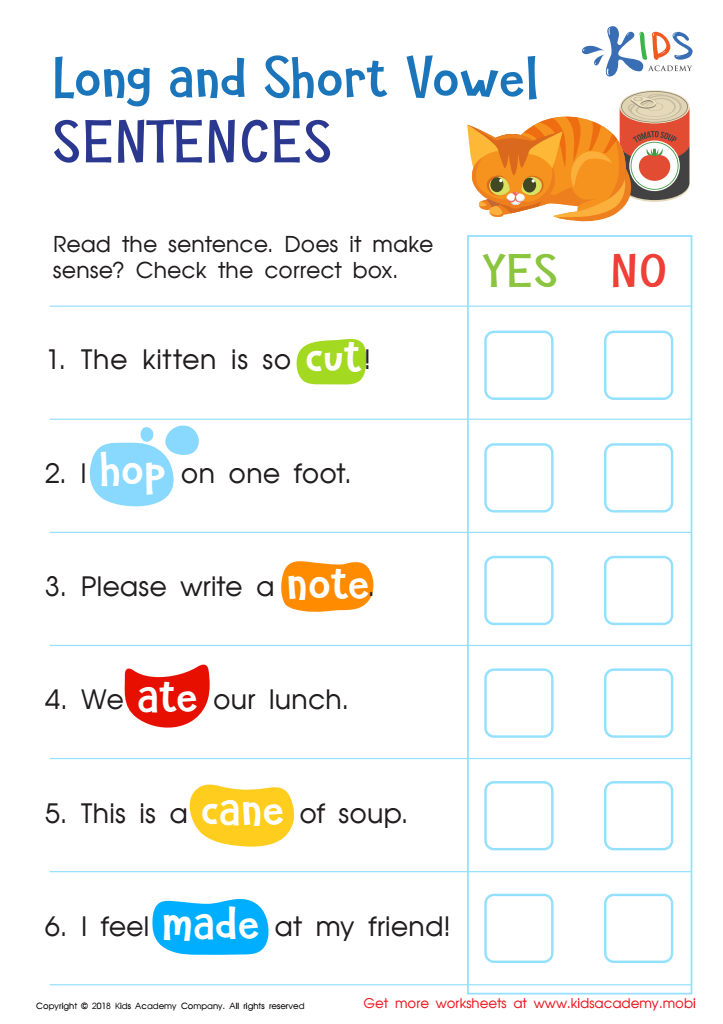
Long and Short Vowel Sentences: Assessment Worksheet
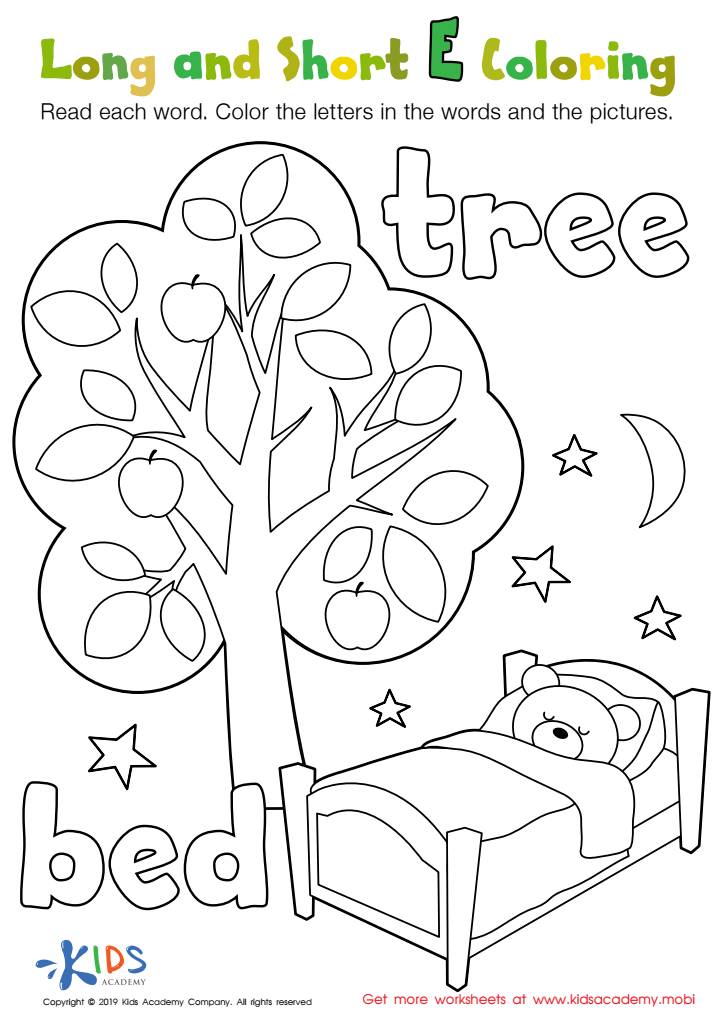
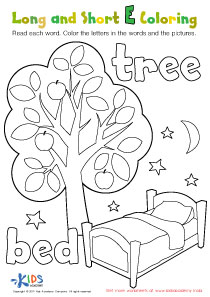
Long and Short E Worksheet
 Assign to My Students



Phonics skills, particularly understanding and using normal short vowels, are foundational elements in early literacy development. For both parents and teachers, fostering these skills is essential because they enable children to decode words, enhancing their reading fluency and comprehension. Short vowels are common in many simple, frequently-used words. Mastery of these sounds aids children in recognizing patterns in spelling and reading, providing a critical strategy for figuring out new words independently.
For educators, focusing on short vowels helps structure lessons that build on students' existing knowledge incrementally, thereby boosting their confidence and motivation to read. Regular practice with activities such as phonemic awareness exercises, word families, and phonics games can make this learning engaging and fun, crucial for young learners.
Parents play a pivotal role in reinforcing phonics lessons at home. By engaging children in activities that involve short vowel sounds, like reading aloud, playing phonics-based puzzles, or using educational apps, they contribute directly to their child's literacy journey. This consistent support reinforces the skills learned in the classroom, creating a cohesive learning experience.
In summary, parents and teachers should care deeply about phonics skills and normal short vowels because they are crucial building blocks for reading success, paving the way for more advanced literacy and academic achievement.