Handwriting Skills Normal Tracing Letters Worksheets
5 filtered results
-
From - To
Enhance your child's handwriting skills with our engaging Normal Tracing Letters Worksheets! Designed for early learners, these worksheets provide a fun and interactive way for kids to practice writing the alphabet. Each worksheet features clearly outlined letters for tracing, helping children develop fine motor skills, letter recognition, and proper penmanship techniques. Perfect for home or classroom use, our worksheets cater to various learning styles, making handwriting practice enjoyable and effective. Watch your child's confidence grow as they master their letters and prepare for advanced writing tasks. Download our Handwriting Skills Normal Tracing Letters Worksheets today and support your child's educational journey!
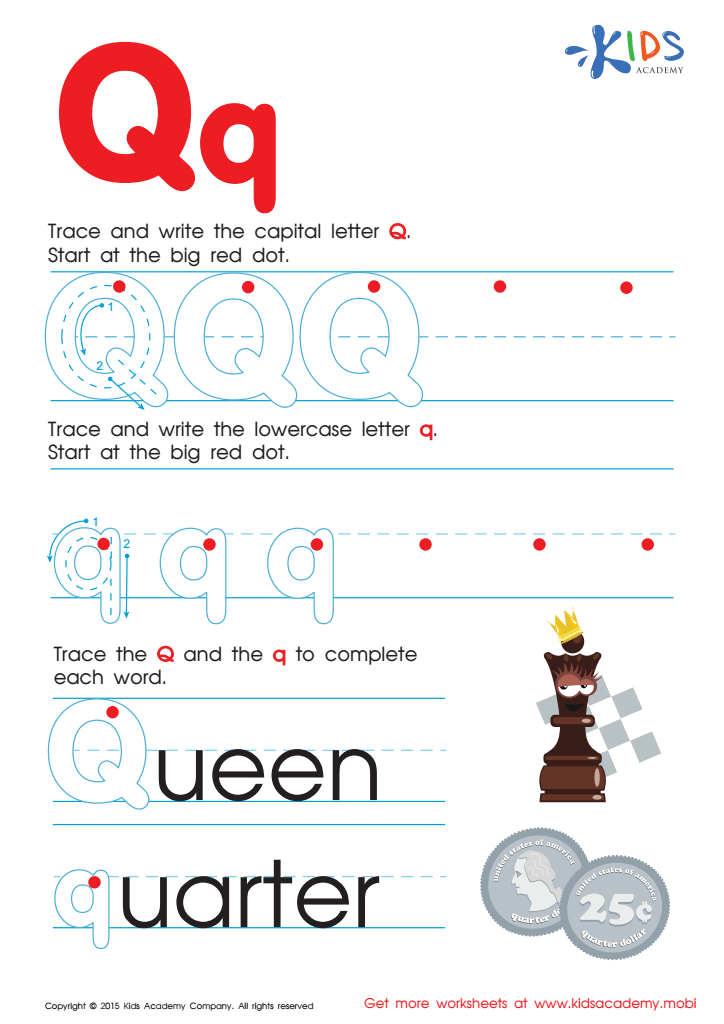
Letter Q Tracing Page
 Assign to My Students
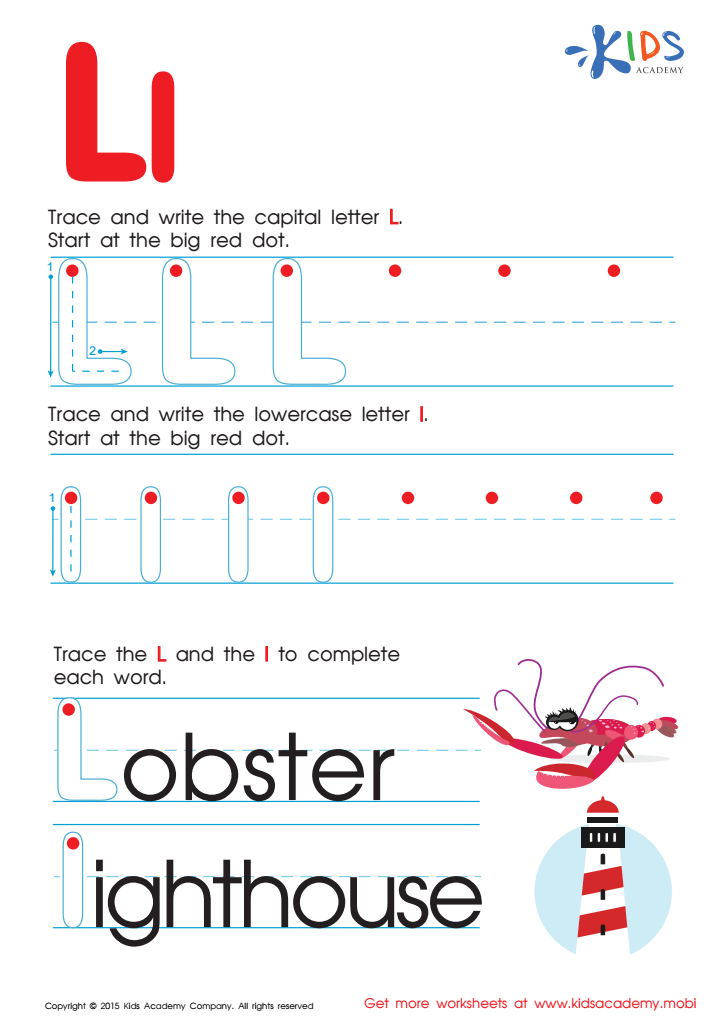
Letter L Tracing Page
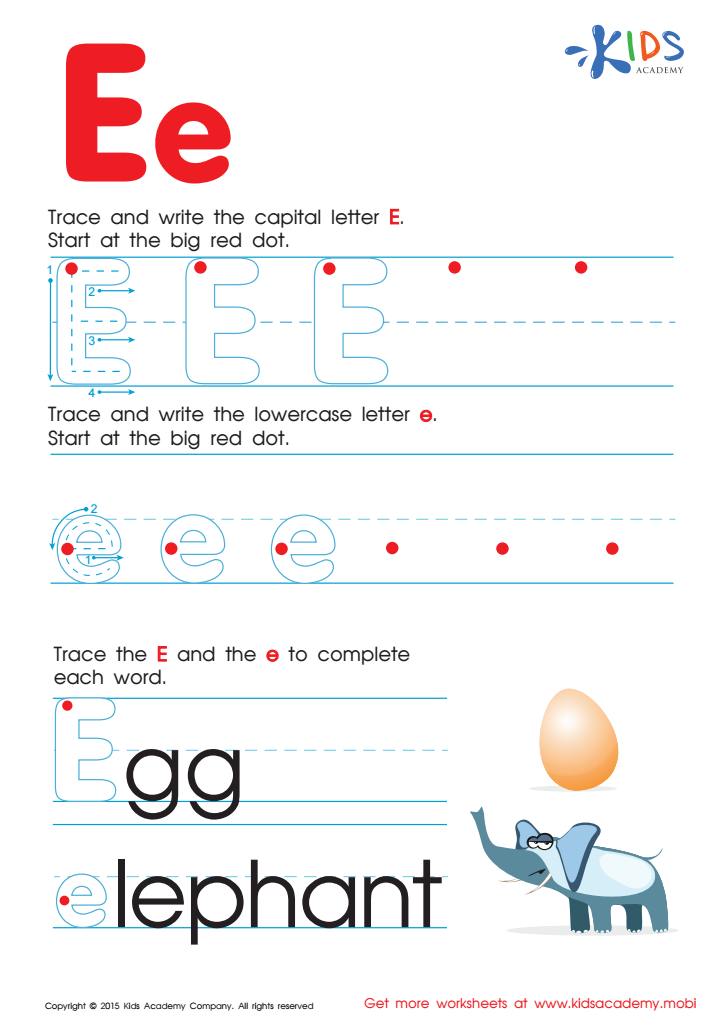
Letter E Tracing Page
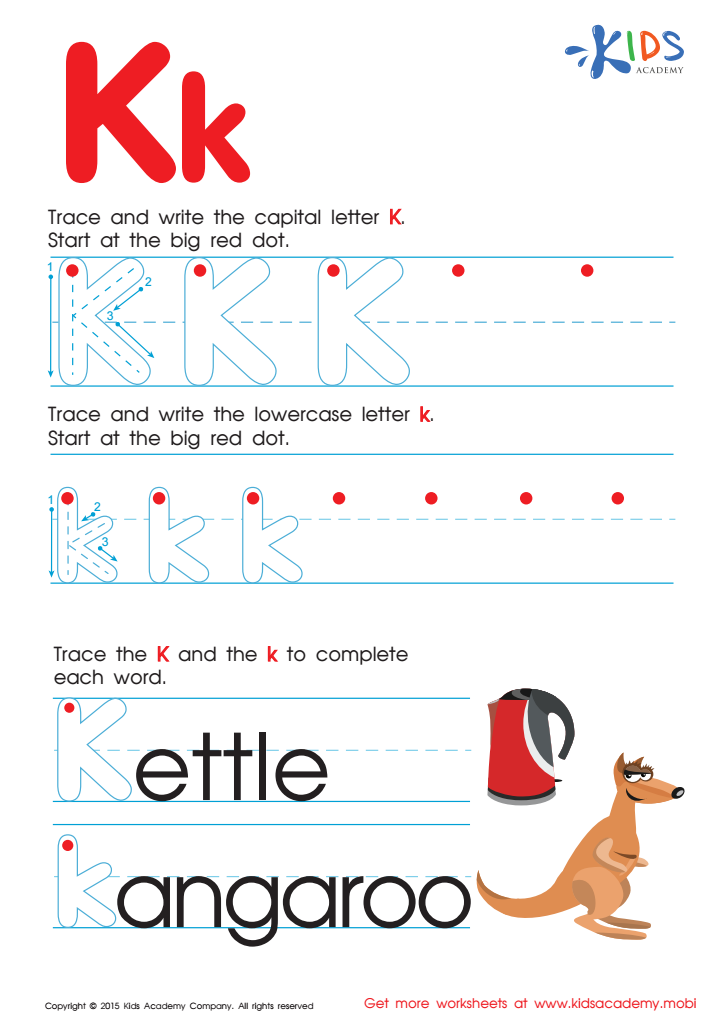
Letter K Tracing Page
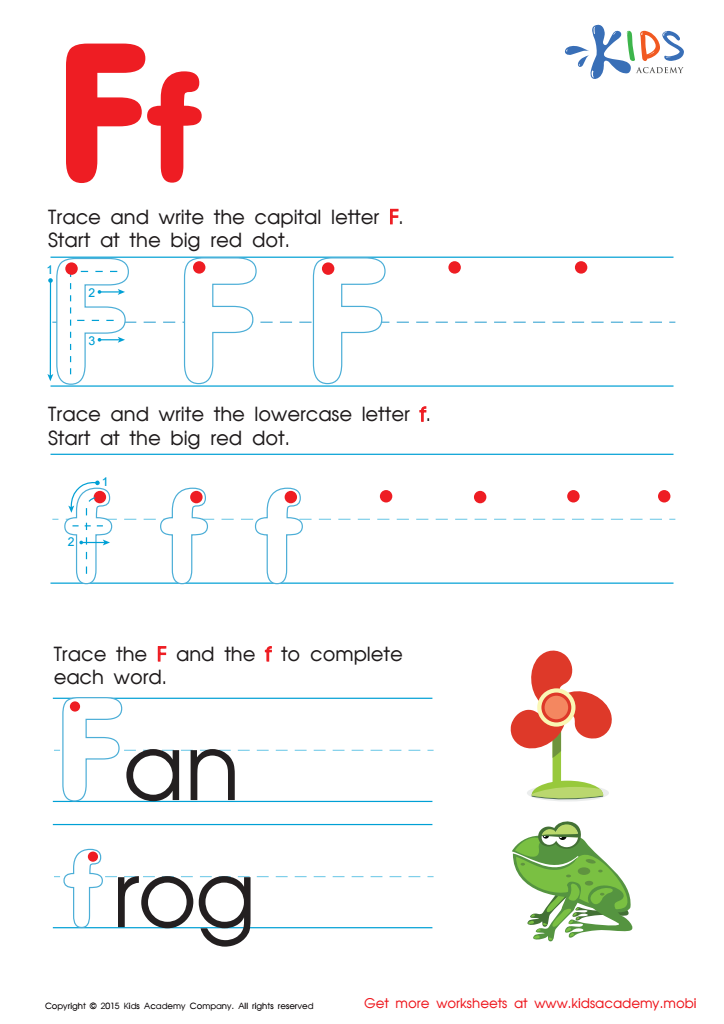
Letter F Tracing Page







Handwriting skills, particularly the ability to trace letters, are foundational to a child’s literacy development and cognitive growth. For parents and teachers, fostering these skills is essential because handwriting influences not just communication, but also various aspects of a child’s overall learning experience.
First, tracing letters helps young learners develop fine motor skills, which are crucial for everyday activities and more advanced writing. It enhances hand-eye coordination and strengthens finger control and dexterity. This early focus on handwriting prepares students for more complex writing tasks in the future.
Moreover, handwriting plays a significant role in literacy development. Letters and shapes are essential in building the connection between sounds and symbols. When children trace letters, they reinforce their understanding of letter formation, which aids in spelling and reading fluency.
Additionally, good handwriting promotes confidence; when children can write neatly, they feel more positive about their work, which encourages engagement and participation in class. Teachers and parents that emphasize handwriting skills can help create a strong foundation for academic success. Ultimately, nurturing these skills is an investment in a child's self-esteem, educational achievements, and future communication abilities.








