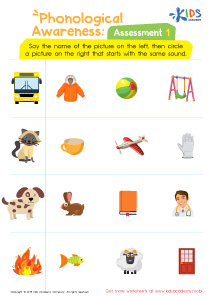
Reading development Normal Vowels Worksheets
3 filtered results
-
From - To
Enhance early learning with our "Reading Development Normal Vowels Worksheets," designed to support young readers in recognizing and mastering vowel sounds. These free, printable worksheets help children distinguish A, E, I, O, and U through engaging activities that make learning fun. Our expertly crafted materials cater to different skill levels, making them perfect for classroom use or additional practice at home. Inspire confidence in your child’s reading abilities with these effective resources, while fostering crucial literacy skills. Boost your child’s phonemic awareness, decoding skills, and overall reading development with our comprehensive collection of normal vowels worksheets.
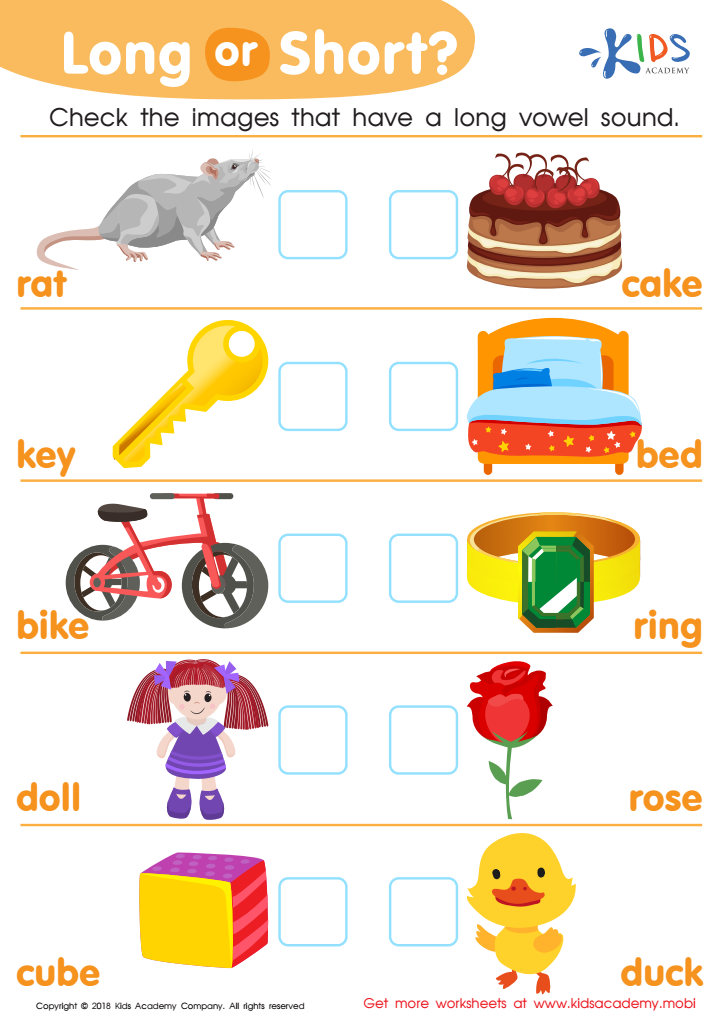
Long or Short Reading Worksheet
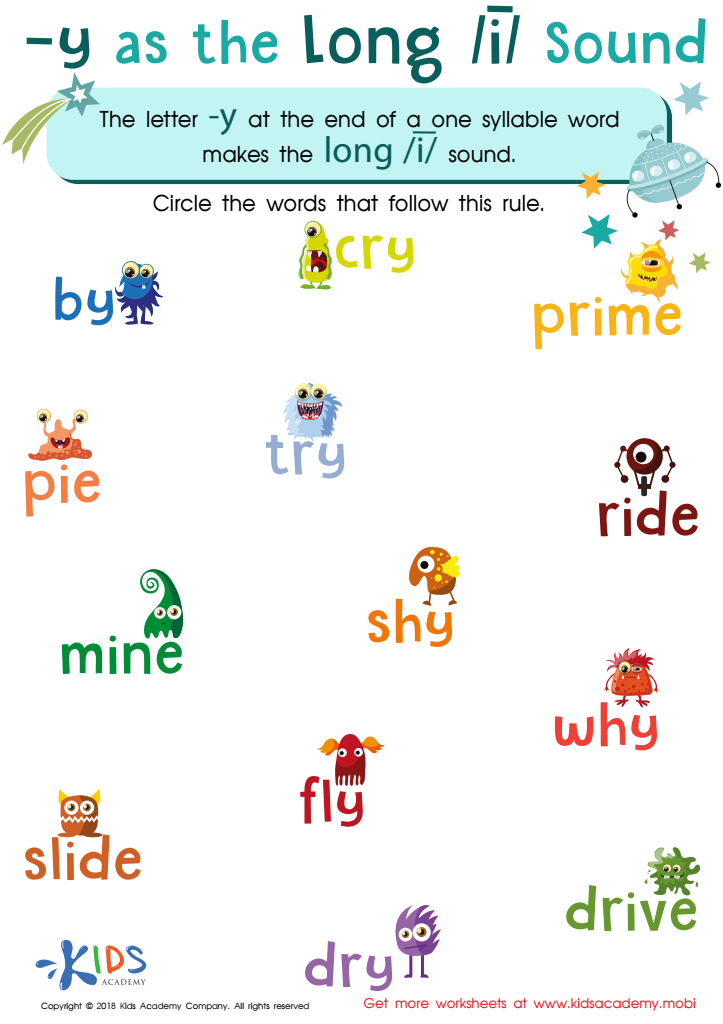
Reading: Y as Long I Worksheet
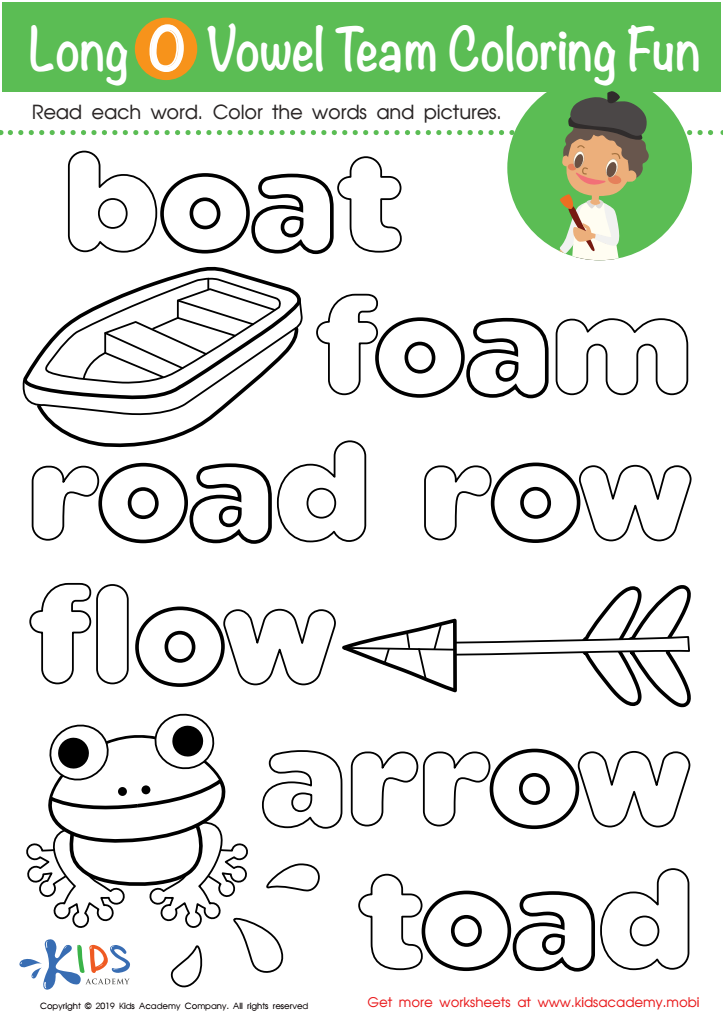
Long O Vowel Team Coloring Worksheet
 Assign to My Students





Reading development, specifically the comprehension and proper usage of normal vowels, is critical in early education. Vowels are integral building blocks of most words; they bridge consonants and create syllables that form coherent speech and writing. Parents and teachers should understand this and actively support children's mastery of vowels to facilitate stronger reading skills.
When children grasp basic vowel sounds (A, E, I, O, U), they can decode and sound out words more efficiently. This phonemic awareness boosts their confidence and reading fluency, enabling them to tackle more complex texts with ease. Additionally, early proficiency in vowel sounds augments spelling and vocabulary building, forming a foundational skill set required for all academic subjects.
Poor vowel recognition can lead to reading struggles, misunderstandings, and decreased academic performance, which may engender frustration and a lack of enthusiasm toward learning. Conversely, strong reading skills instilled at a young age can foster a lifelong love for reading, empowering children with the tools required for critical thinking and knowledge absorption.
Therefore, parents and teachers must actively engage in reading activities, phonics games, and consistent practice to ensure children master normal vowels. This proactive approach lays the cornerstone for effective literacy and sets the stage for future educational success.