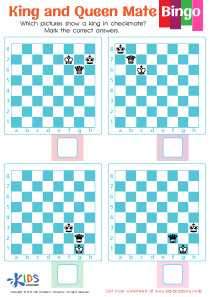
Number Recognition Normal Chess Worksheets
3 filtered results
-
From - To
Explore our engaging Number Recognition Normal Chess Worksheets, designed to make learning numbers exciting for young minds! Perfect for early learners, these worksheets combine the intriguing world of chess with essential number recognition skills. Each worksheet features fun chess-themed activities that encourage children to identify, trace, and write numbers, all while developing critical thinking skills. Whether at home or in the classroom, these printables are an excellent addition to your teaching resources, fostering an interactive learning environment. Help your child build a strong numerical foundation through the playful challenge of chess! Download the worksheets today and watch their skills soar!
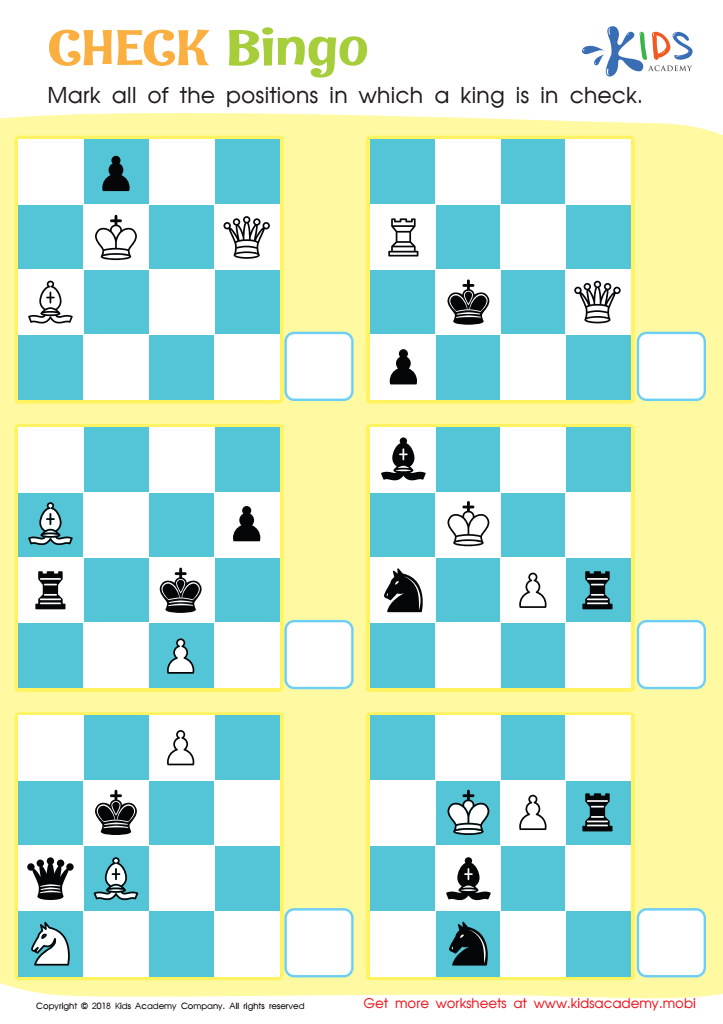
Check Bingo Worksheet
 Assign to My Students
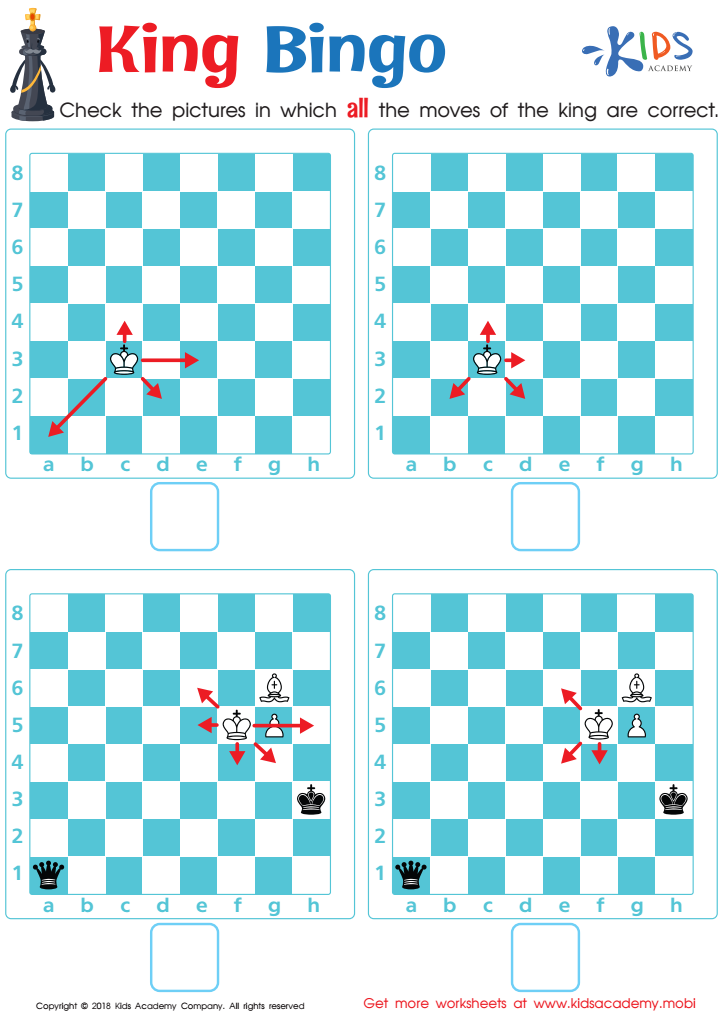
King Bingo Worksheet
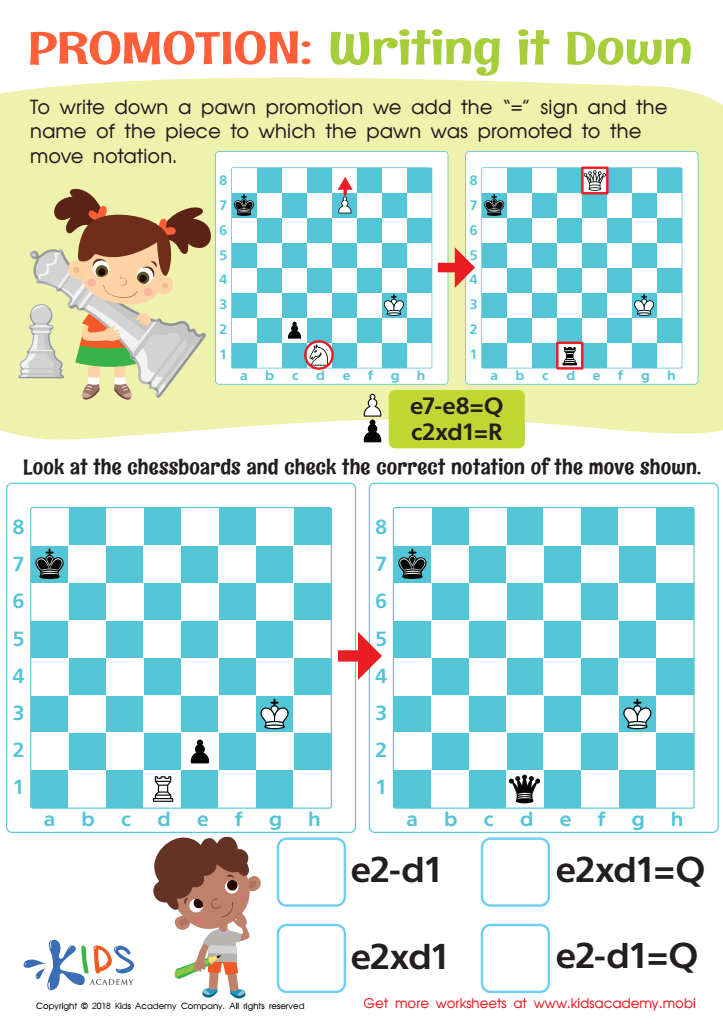
Writing it Down Worksheet



Number recognition is a fundamental skill in early childhood education that sets the stage for mathematical understanding. Parents and teachers should care about this foundational skill as it can significantly influence a child's learning trajectory. Mastery of number recognition enables children to identify and work with numbers, a critical precursor to concepts such as counting, addition, and subtraction.
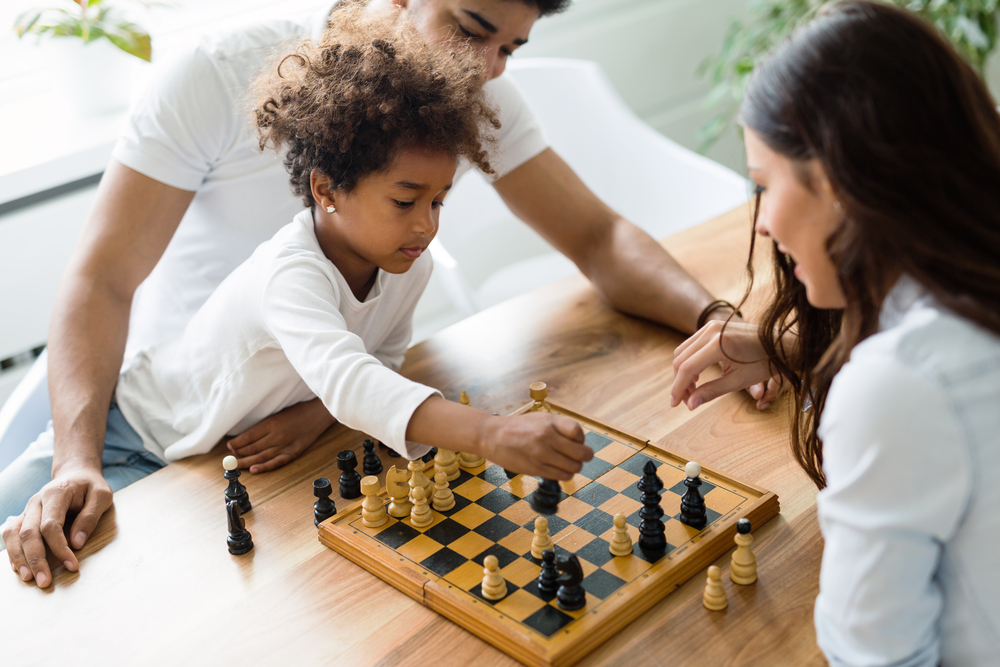
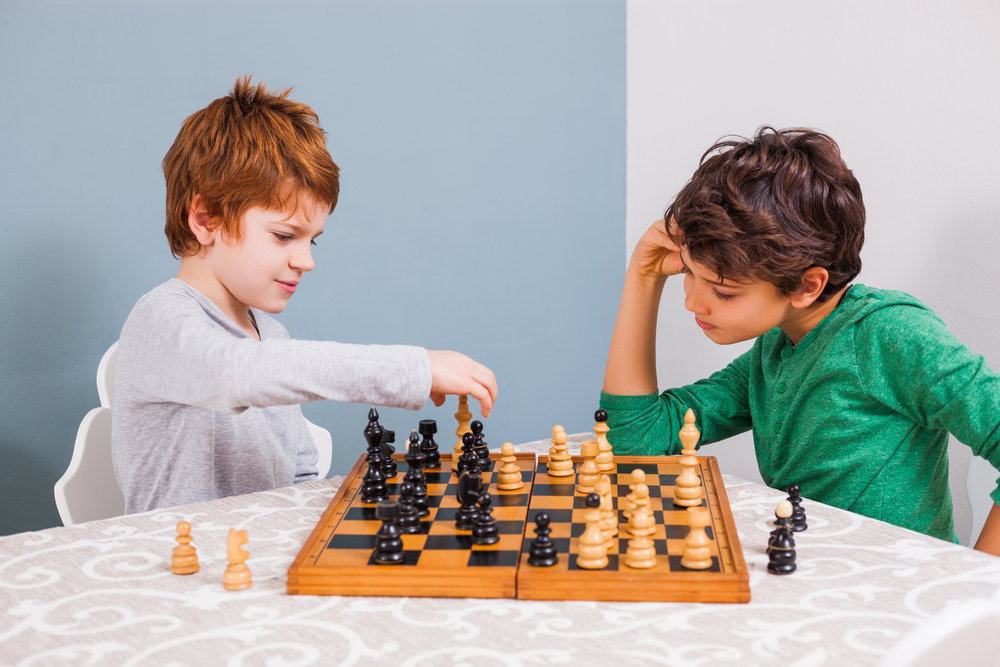
The method of using "Normal Chess" is particularly engaging, turning abstract number concepts into a tangible and interactive game. This approach enhances spatial awareness and problem-solving skills while making learning enjoyable. Parents and teachers who incorporate play-based learning, like chess, not only motivate children but also cater to different learning styles, helping to reach those who may struggle with traditional methods.
Moreover, strong early number recognition can boost a child's confidence in mathematics, reducing anxiety toward math-related tasks later in life. Building these skills early fosters a positive mindset around learning and helps set lifelong positive relationships with numbers and mathematics. Overall, investing time and resources toward developing number recognition skills through engaging methods like Normal Chess can yield significant academic benefits and promote a joyful learning environment.