Historical Knowledge Normal Coloring Pages Worksheets
3 filtered results
-
From - To
Explore our engaging "Historical Knowledge Normal Coloring Pages Worksheets" designed to make learning fun for young minds! These printable coloring pages introduce children to significant historical figures, events, and cultural symbols, fostering creativity while enhancing their understanding of history. Ideal for classroom activities or home learning, these worksheets promote fine motor skills, encourage critical thinking, and spark curiosity about the past. Each image inspires imaginative storytelling, making history accessible and exciting for kids. Download your favorite coloring pages today and help children connect with history in a hands-on and interactive way, all while nurturing their artistic talents!
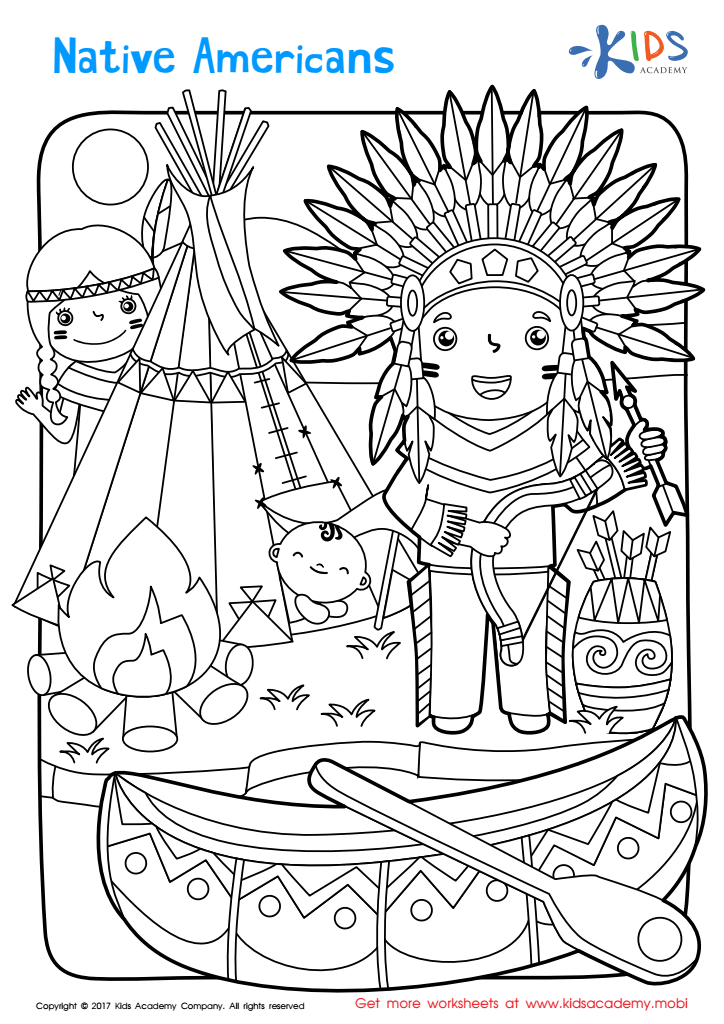
Native American Coloring Page Worksheet
 Assign to My Students
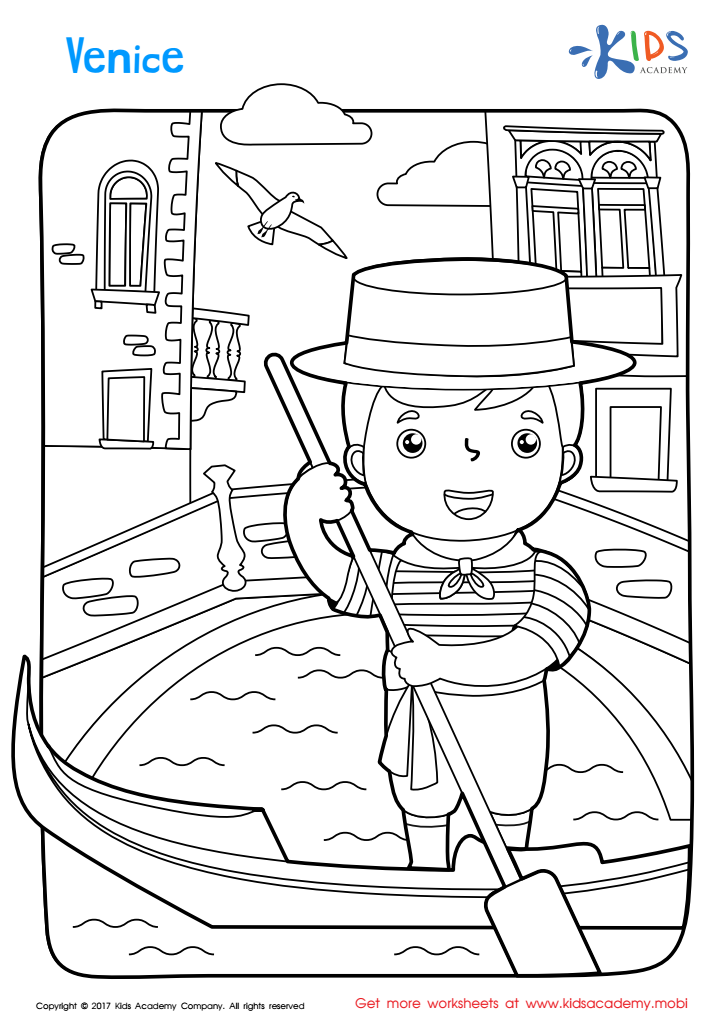
Venice Worksheet
Assign to My Students
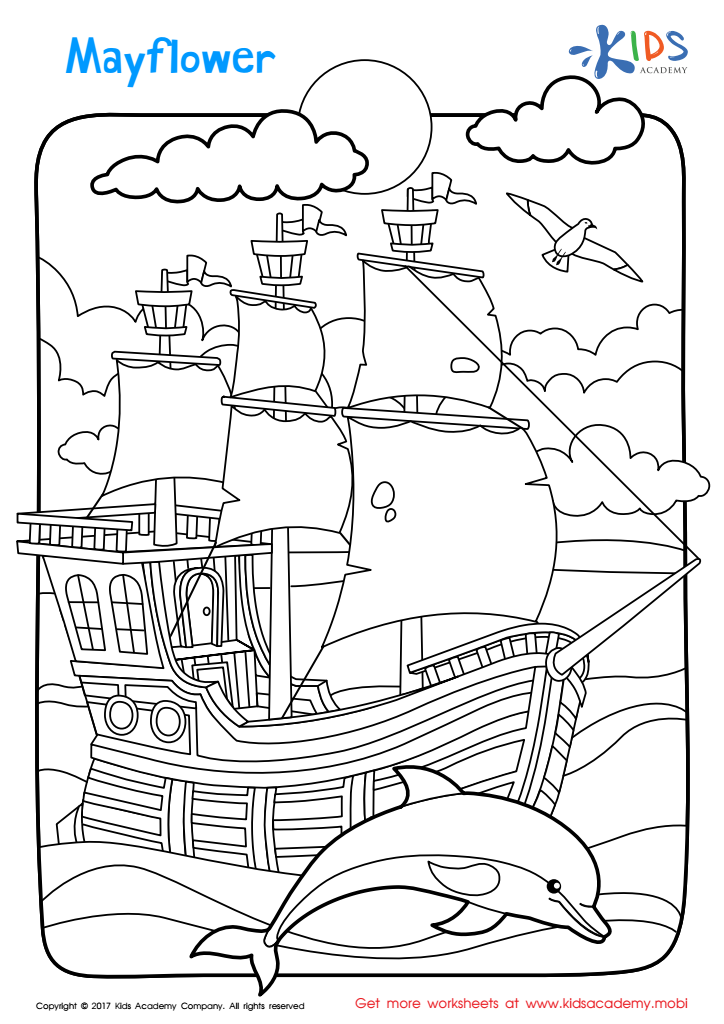
Mayflower Ship Coloring Page
Assign to My Students








Historical Knowledge Normal Coloring Pages can play a significant role in early childhood education, promoting a multifaceted understanding of history while engaging children's creativity. Parents and teachers should care about these resources for several reasons.
Firstly, they introduce young learners to historical figures, events, and cultures in a fun, imaginative way. By recognizing and coloring images related to history, children not only develop their fine motor skills but also enhance their knowledge of important events and people. This facilitates early understanding and appreciation of diverse cultures and histories.
Secondly, these coloring pages can serve as a gateway for conversations about history, broadening children's perspectives. Parents and teachers can use the coloring sessions to discuss the significance of what children are coloring, fostering deeper questions and critical thinking from an early age.
Moreover, incorporating art into learning helps cater to various learning styles and keeps children engaged. The visual and tactile elements of coloring make history more accessible and enjoyable for young minds. In a world where multiculturalism is essential, Historical Knowledge Normal Coloring Pages not only enable skill development but also instill a sense of identity and cultural understanding, enriching children's educational experiences. By prioritizing such resources, adults equip children for a globally interconnected future.