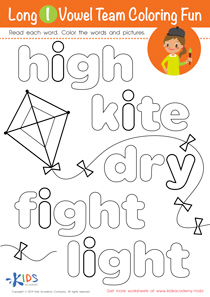
Word Recognition Normal Grade 1 Consonants Worksheets
5 filtered results
-
From - To
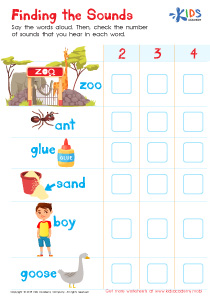
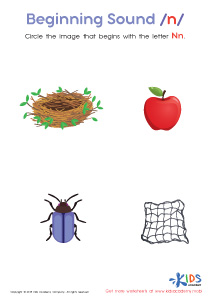
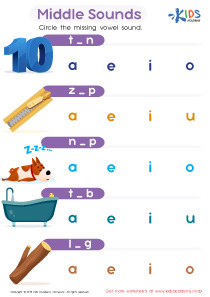
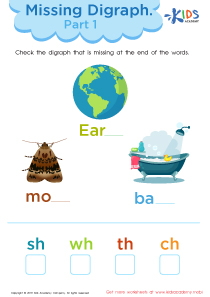
Enhance your Grade 1 students' reading skills with our engaging "Word Recognition Normal Grade 1 Consonants Worksheets." Tailored specifically for young learners, these worksheets focus on recognizing and understanding consonant sounds through interactive exercises. Students will practice word formation, boosting their vocabulary and phonemic awareness. Each worksheet features visually appealing images and simple words that make learning enjoyable and effective. Ideal for classroom use or home practice, our worksheets provide a structured approach to mastering consonants, laying a strong foundation for future literacy skills. Download and transform your students' reading journey today!
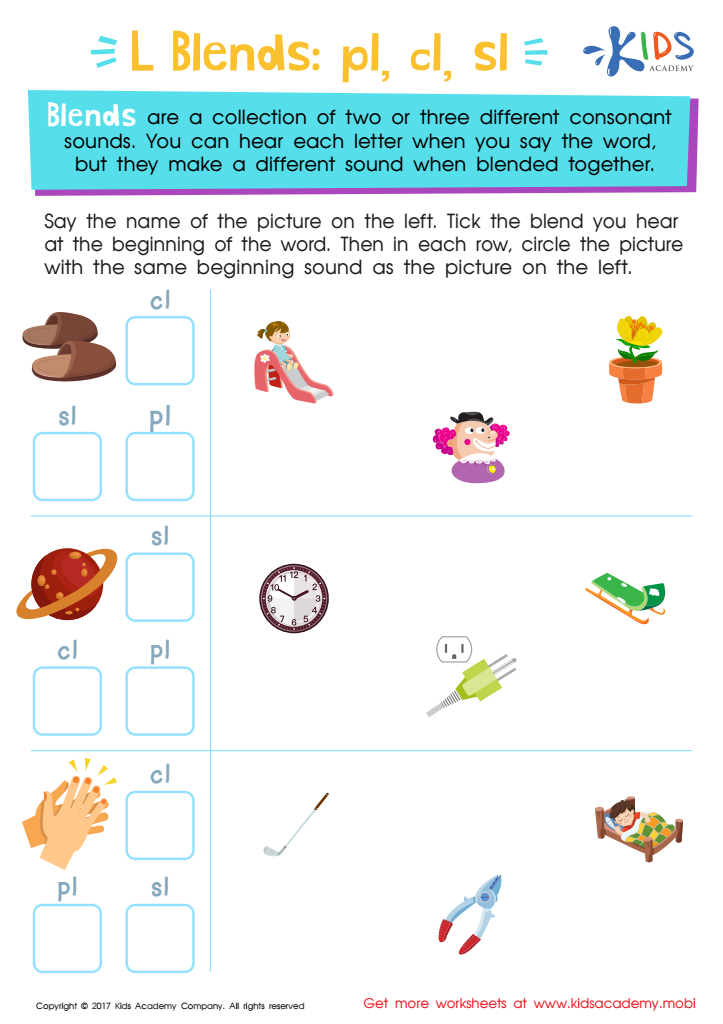
L Blends: "Pl", "Cl" and "Sl" Printable
 Assign to My Students
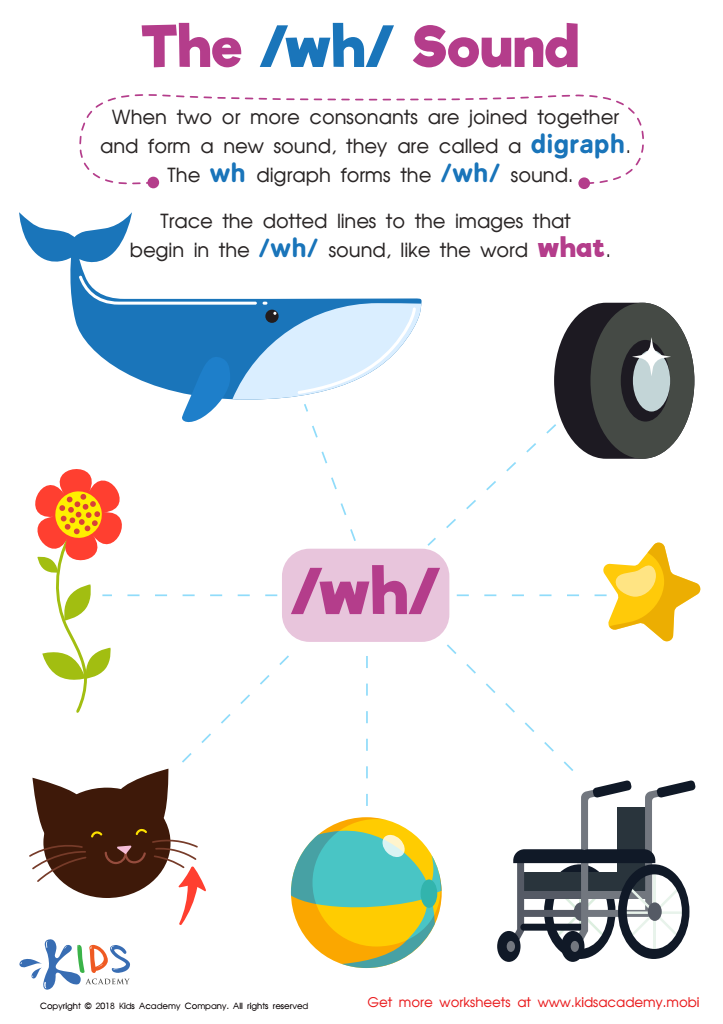
The /wh/ Sound Worksheet
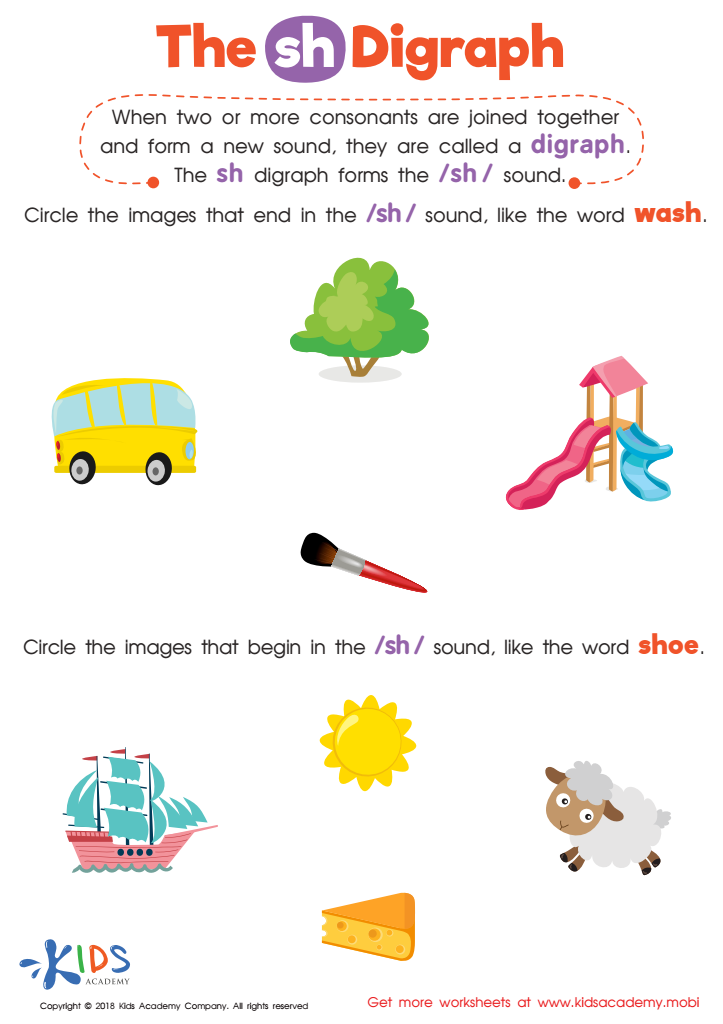
The SH Digraph Worksheet
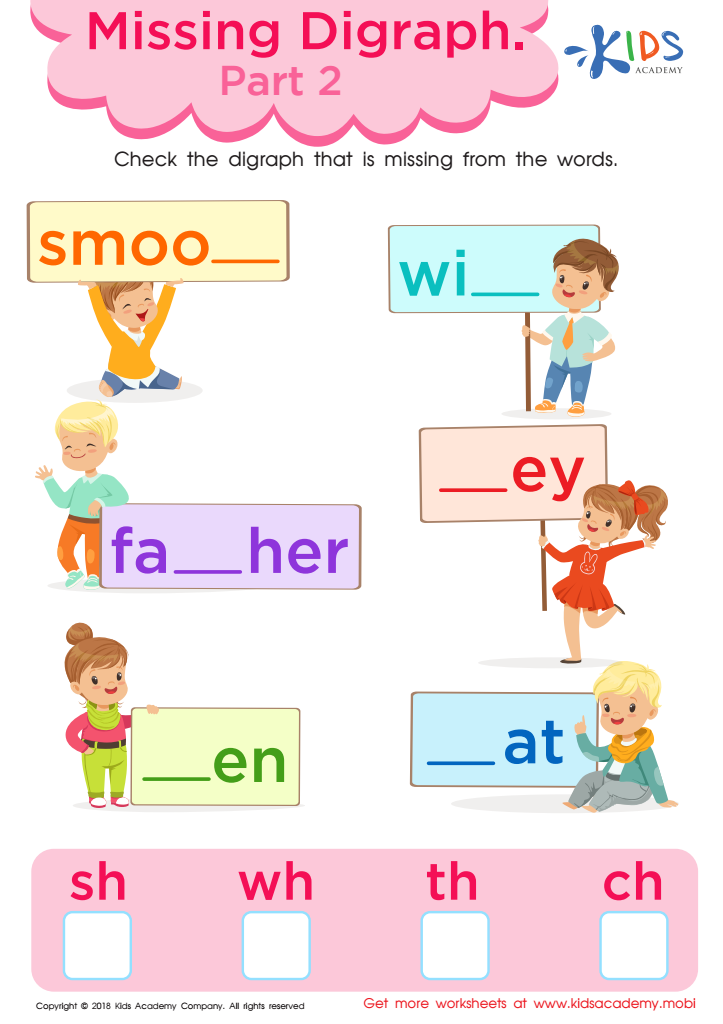
Missing Digraph: Part 2 Worksheet
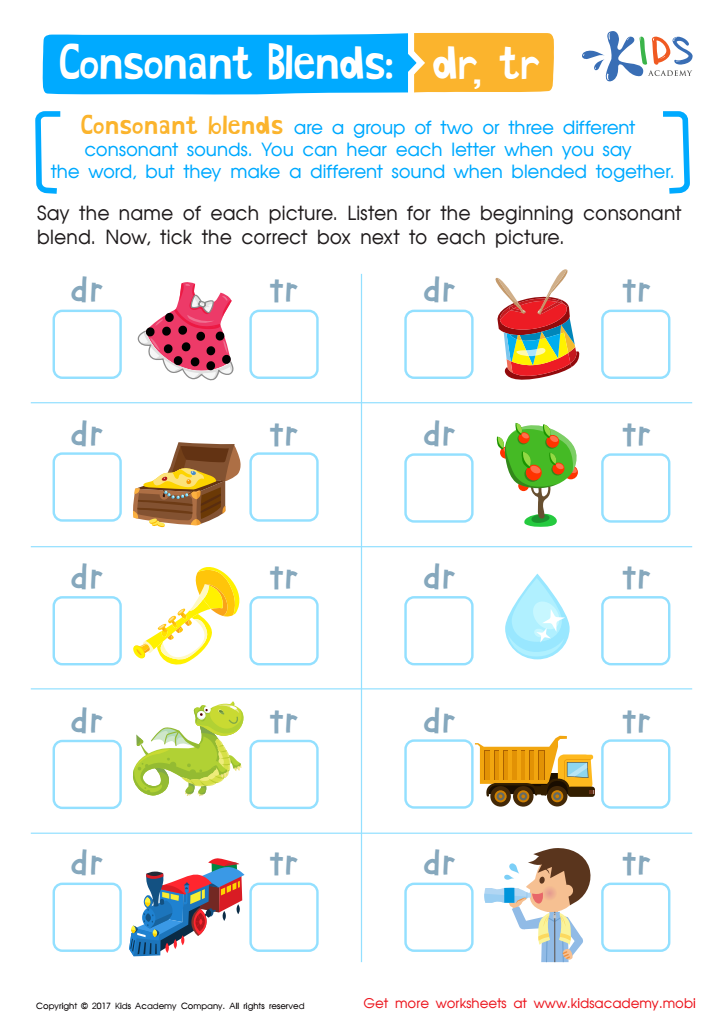
Consonant Blends: "Dr" and "Tr" Printable


Word recognition is a crucial skill for early readers, and mastering consonants is a foundational step for first graders. Understanding consonants aids children in decoding words, which is essential for reading fluency and comprehension. When parents and teachers prioritize consonant recognition, they empower young learners to take charge of their literacy journey. Recognizing consonants helps students to segment and blend sounds, which are critical components of reading.
Early mastery of consonants fosters confidence as children encounter new texts. This skill allows them to decode unfamiliar words independently, thereby enhancing their motivation and love for reading. Additionally, strong word recognition abilities contribute to a child's overall academic success. Children who excel in reading often perform better in other subjects, benefiting from increased vocabulary and improved comprehension skills.
Moreover, focusing on consonant recognition aligns with developmental milestones in literacy. When educators and parents engage with children through interactive activities that reinforce these sounds, such as phonics games and storytelling, they create a rich learning environment. In summary, caring about consonant mastery not only builds literacy skills but also supports a child’s self-esteem and enthusiasm for learning, setting the stage for lifelong reading success.