Word Recognition Normal Grade 1 Phonics Worksheets
11 filtered results
-
From - To
Discover our engaging Word Recognition Normal Grade 1 Phonics Worksheets designed to enhance literacy skills in young learners! These carefully crafted worksheets focus on helping children recognize and read commonly used words, promoting reading fluency and confidence. Each activity is tailored to align with grade-level phonics standards, making learning both fun and educational. Ideal for home or classroom use, our worksheets include colorful illustrations and interactive exercises that capture students' interest. By practicing word recognition, first graders build a solid foundation for future reading success. Explore the variety of worksheets available and watch your child thrive in their learning journey!
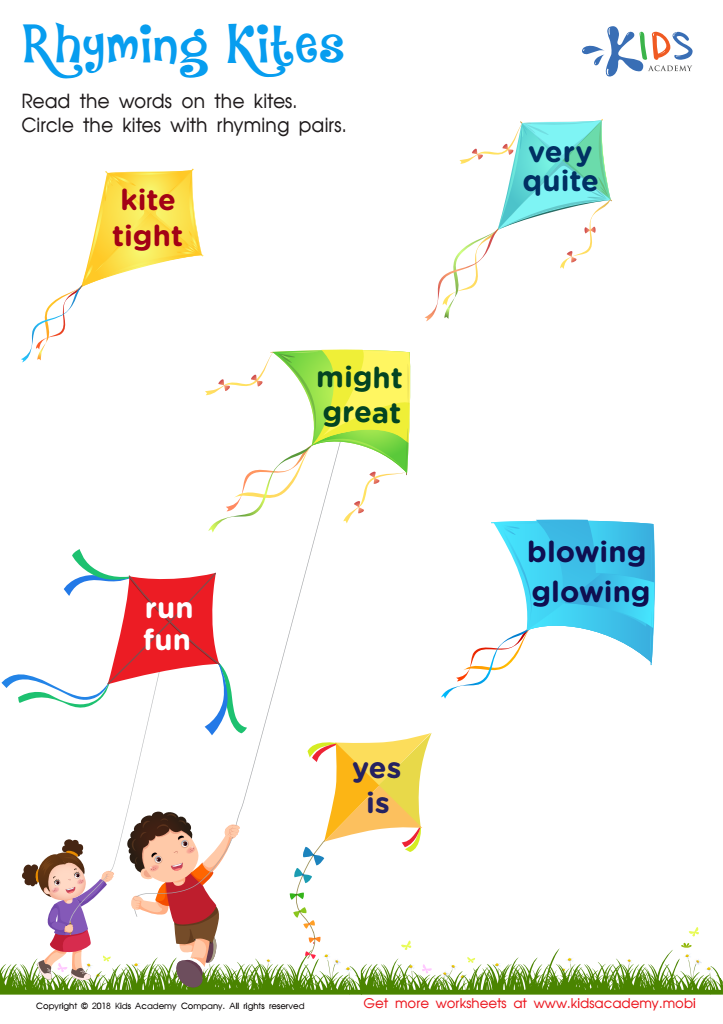
Rhyming Kites Worksheet
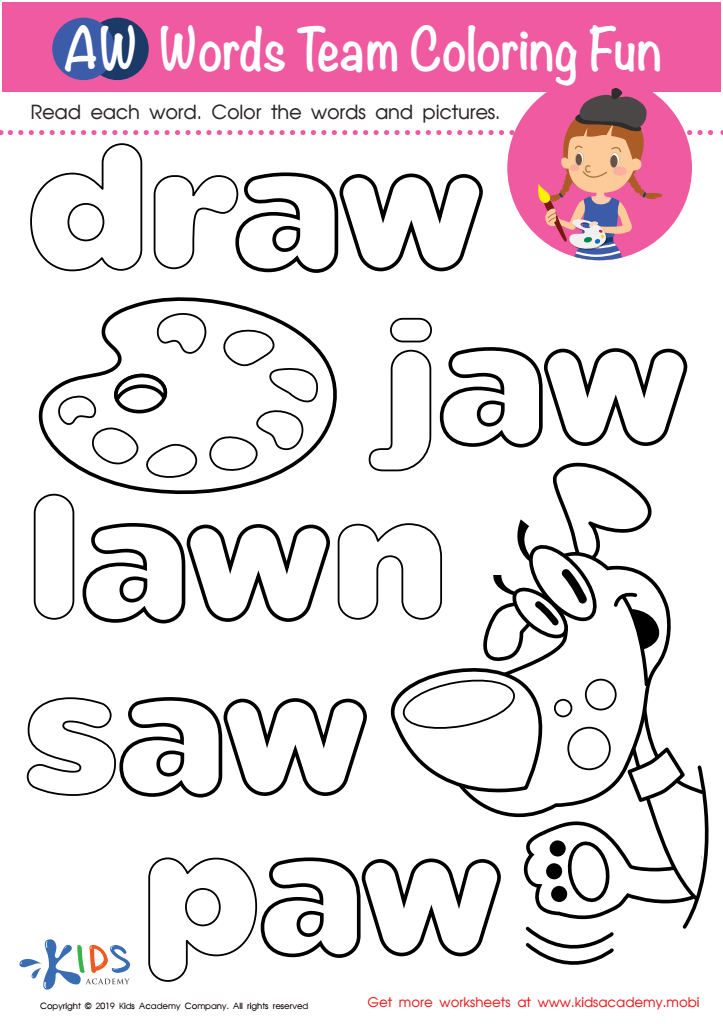
AW Words Team Coloring Fun Worksheet
 Assign to My Students
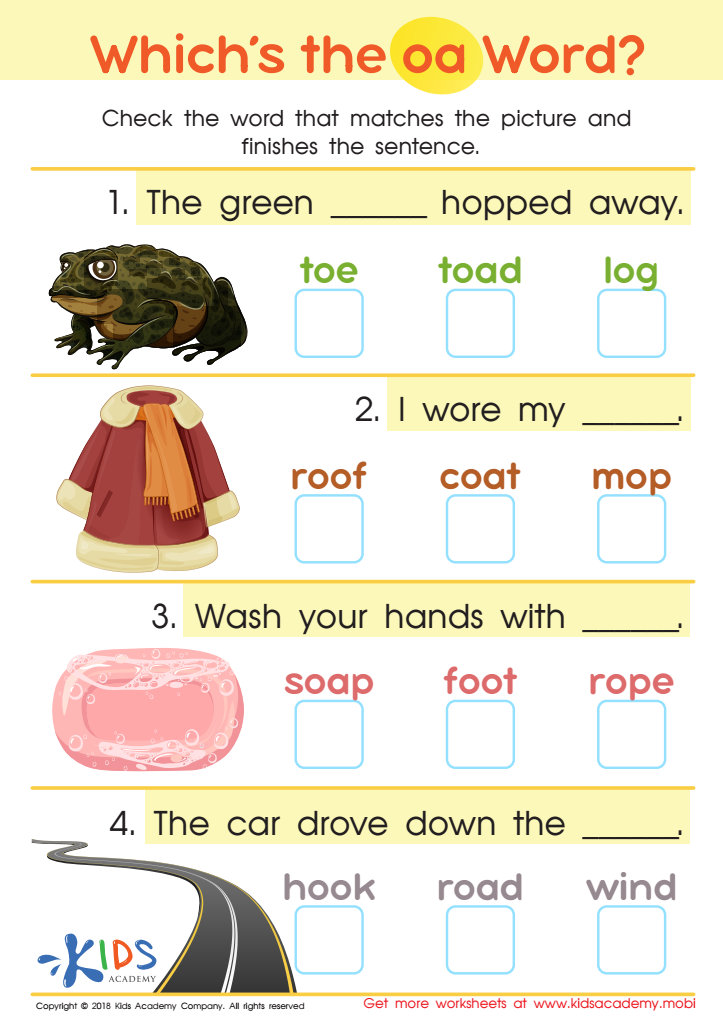
Which's the OA Word? Worksheet
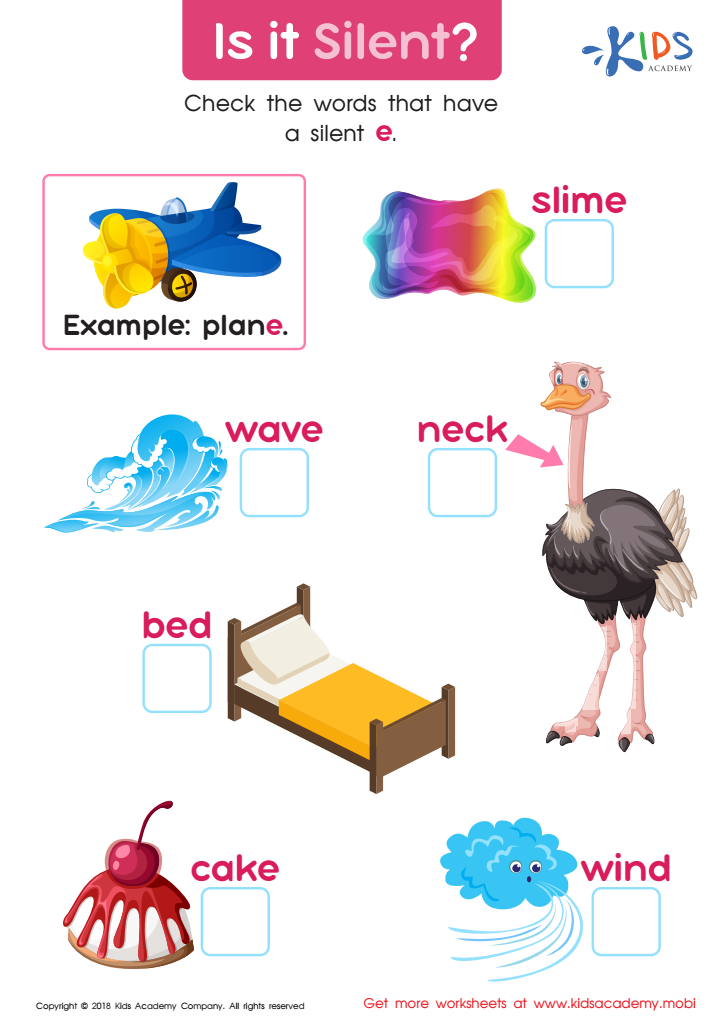
Is It Silent? Worksheet
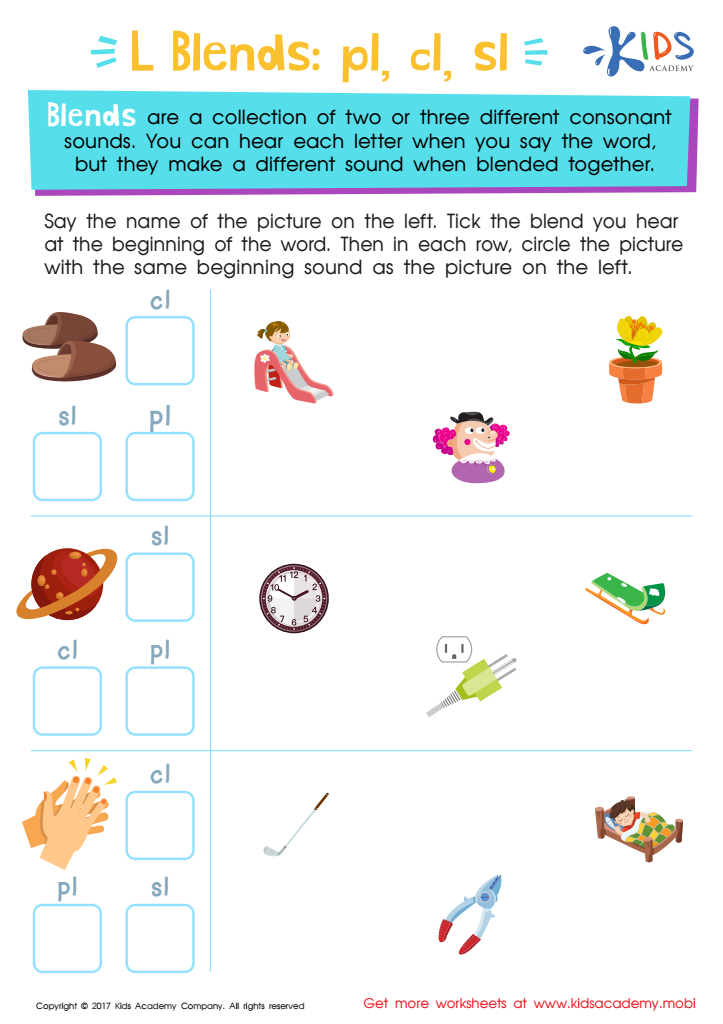
L Blends: "Pl", "Cl" and "Sl" Printable
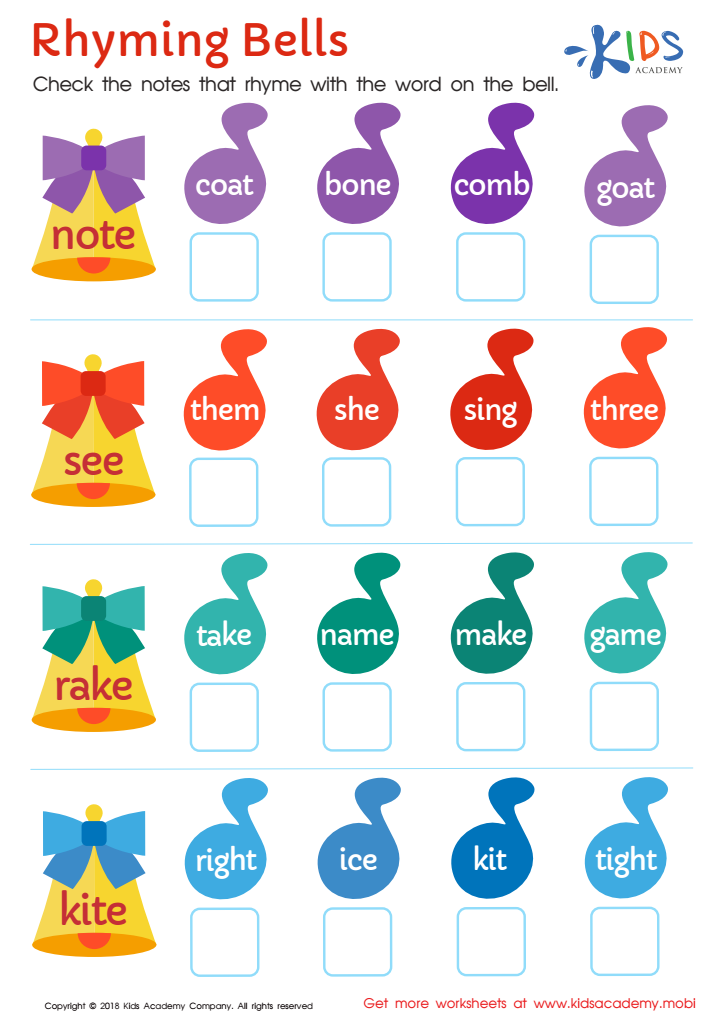
Rhyming Bells Worksheet
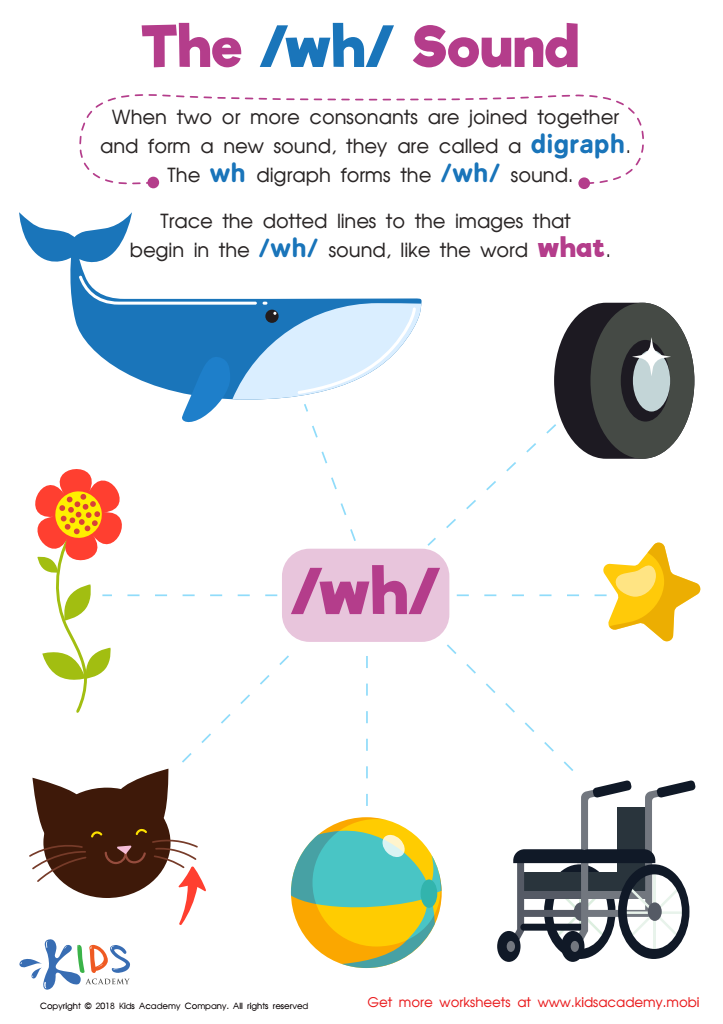
The /wh/ Sound Worksheet
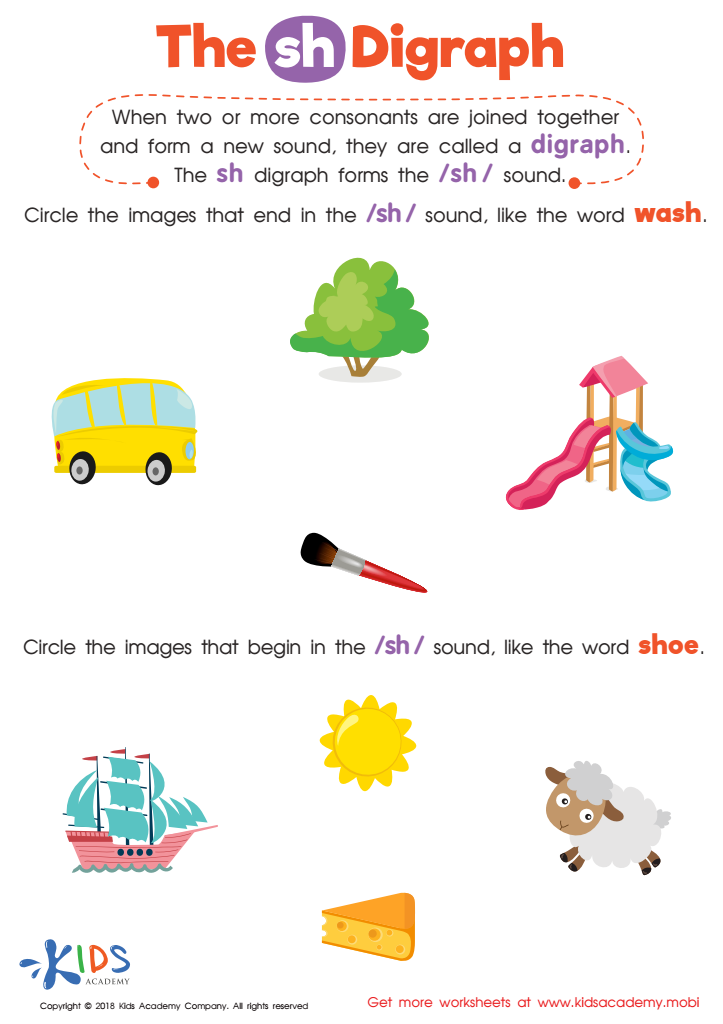
The SH Digraph Worksheet
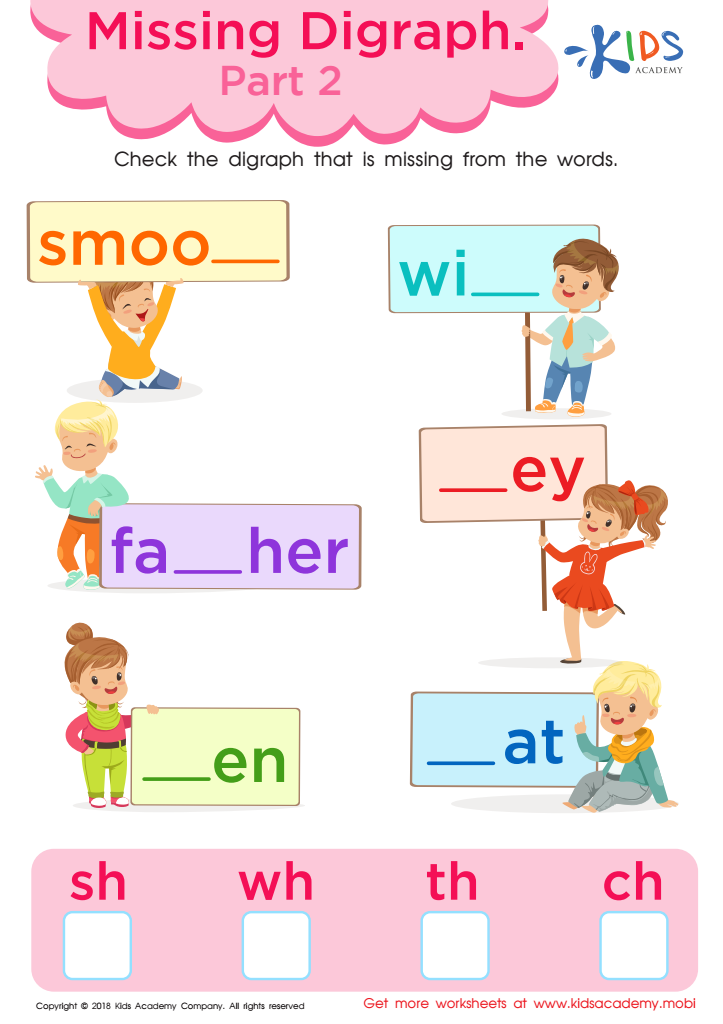
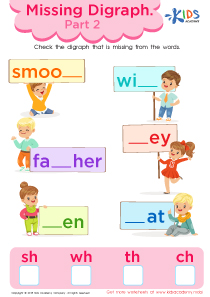
Missing Digraph: Part 2 Worksheet
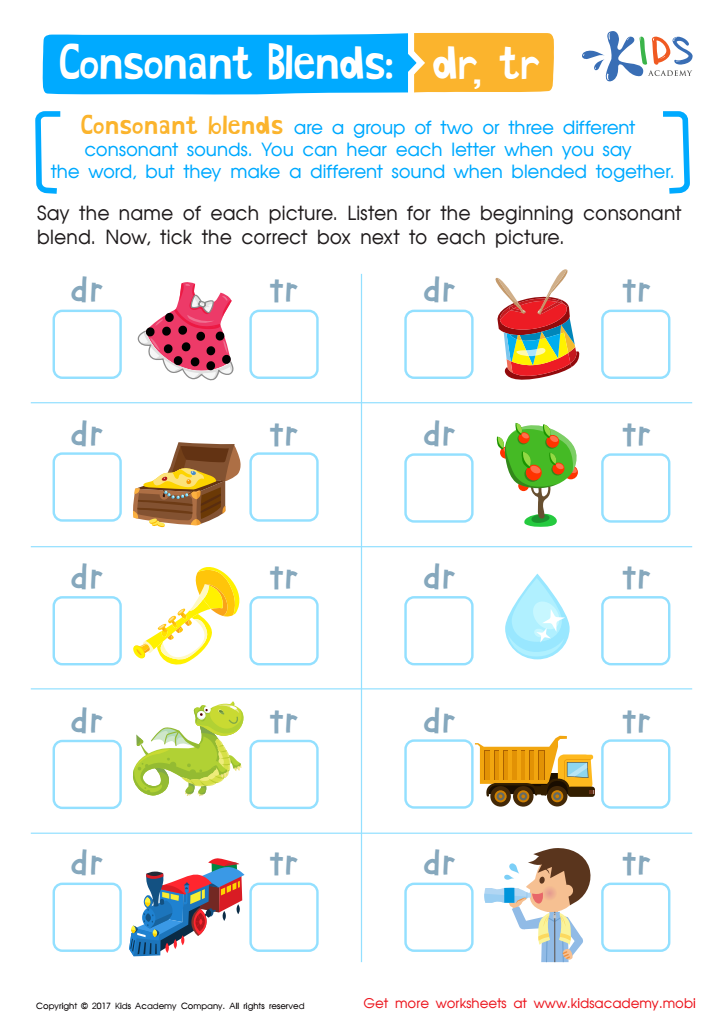
Consonant Blends: "Dr" and "Tr" Printable
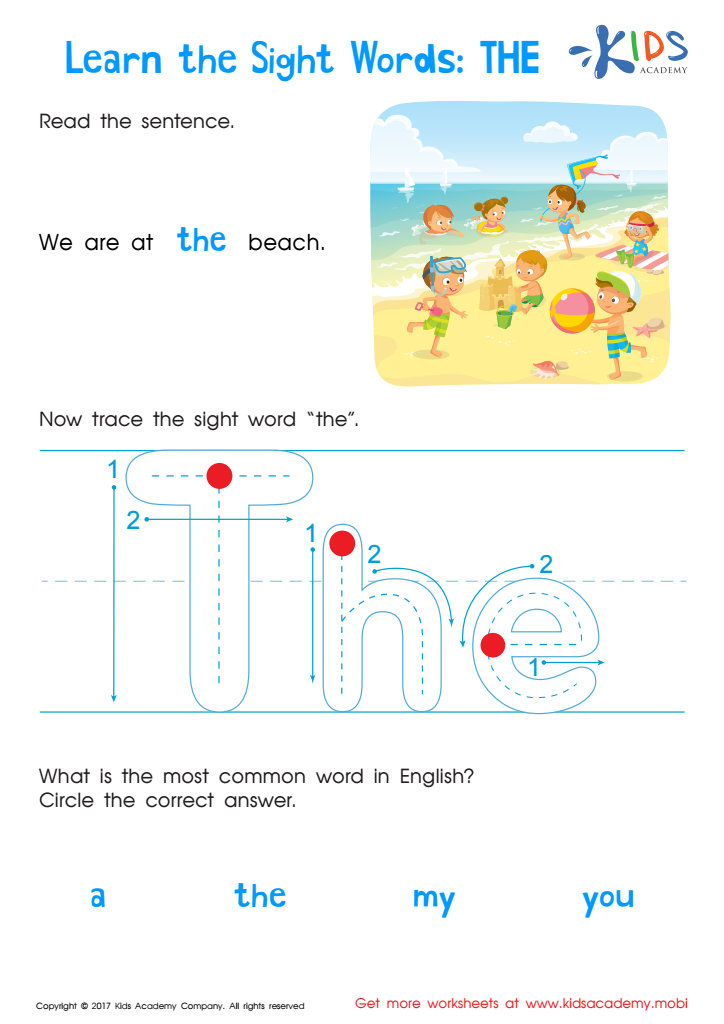
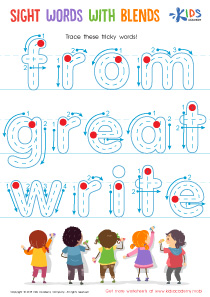
Sight Words: The Worksheet


Word recognition is crucial in first-grade phonics as it lays the foundation for literacy development. At this stage, students learn to connect sounds with letters, enabling them to decode words. This skill is essential for reading fluency, comprehension, and overall academic success. Parents and teachers should prioritize word recognition in Grade 1 for several reasons.
Firstly, a strong grasp of word recognition helps children become more confident readers. As they encounter familiar words, their fluency improves, allowing them to focus on understanding the text rather than struggling to sound out each word. This boosts their enjoyment of reading and encourages them to engage with books, fostering a lifelong love of literature.
Additionally, effective word recognition skills facilitate vocabulary expansion. Children who can quickly identify words are more likely to encounter and understand new vocabulary, enhancing their overall language skills.
Furthermore, for teachers, promoting phonics and word recognition aligns with evidence-based instructional practices, ensuring students meet developmental benchmarks.
In summary, prioritizing word recognition in first-grade phonics equips children with essential tools for academic achievement, stimulates a passion for reading, and improves their language development, making it a vital focus for parents and educators alike.