Basic arithmetic practice Normal Grade 1 Worksheets
3 filtered results
-
From - To
Discover engaging Basic Arithmetic Practice worksheets for Grade 1 students! Our printable worksheets are designed to help young learners strengthen their foundational math skills through fun and interactive exercises. With a variety of activities focusing on addition, subtraction, and number sense, kids will enjoy practicing arithmetic in a supportive environment. These worksheets are perfect for both classroom use and at-home practice, allowing parents and teachers to monitor progress easily. Immerse first graders in a world of numbers that inspires confidence and boosts their mathematical abilities. Download our Basic Arithmetic Practice worksheets today and watch your child excel in math!
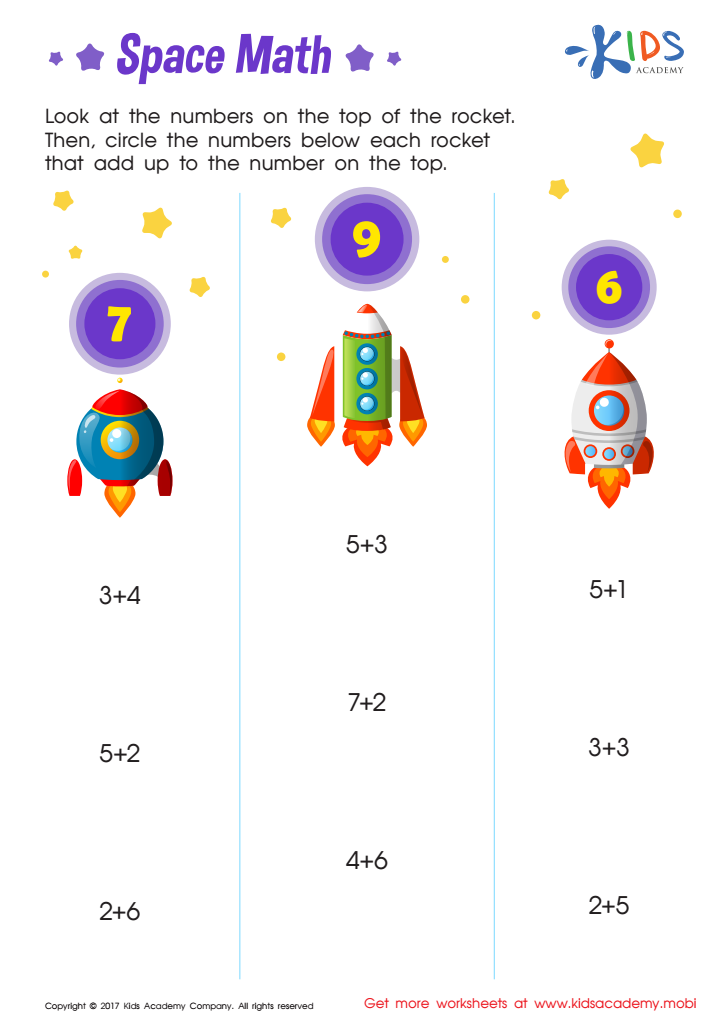
Addition: Space Math Worksheet
 Assign to My Students
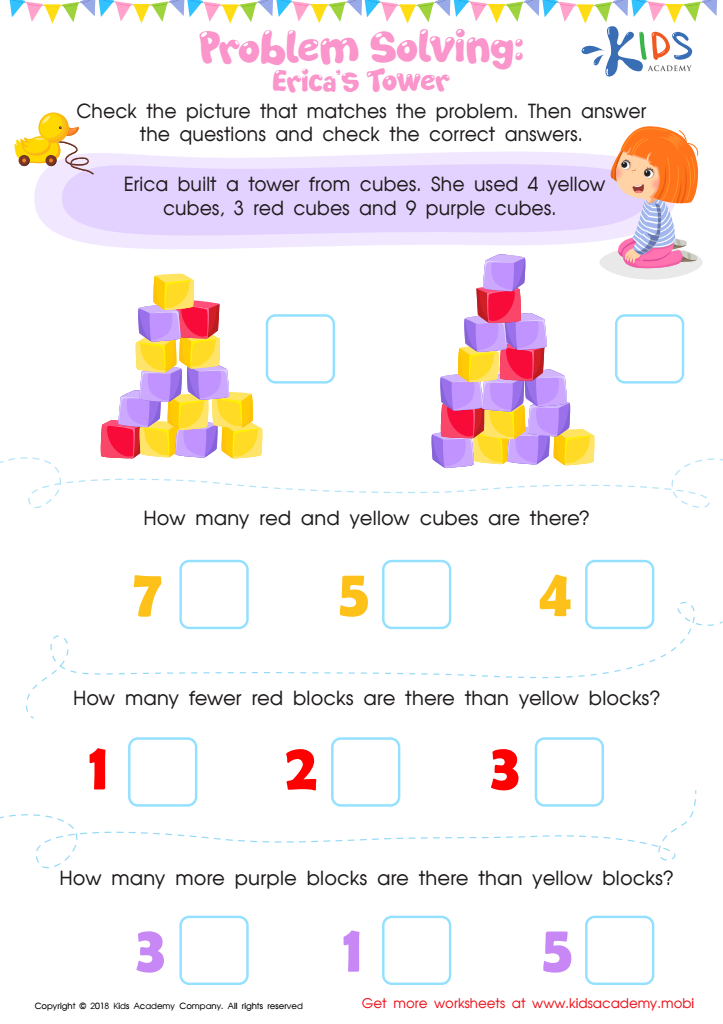
Problem Solving: Erica's Tower Worksheet
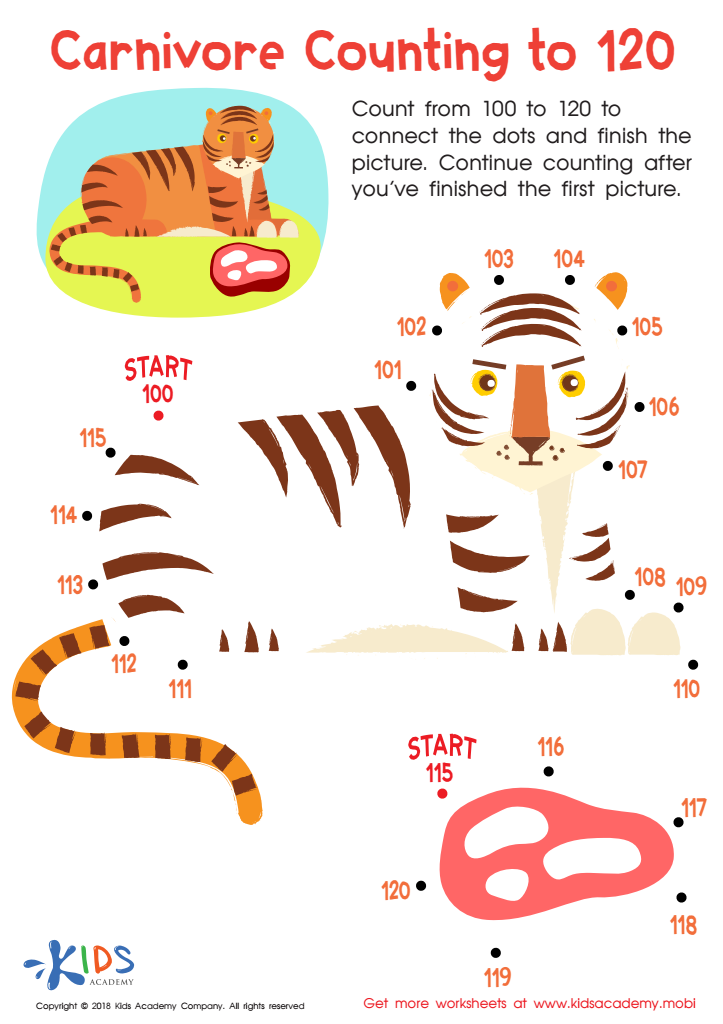
Carnivore Counting to 120 Worksheet








Basic arithmetic practice in grade 1 is crucial for several reasons. First, it lays the foundation for all future math skills. At this early stage, children learn essential concepts such as counting, addition, and subtraction, which are vital for their academic progression. Mastery of these basic skills ensures that children will not struggle with more complex math later on.
Secondly, early exposure to arithmetic helps develop critical thinking and problem-solving skills. Engaging with numbers and calculations encourages young learners to analyze situations, think logically, and find solutions independently. These skills extend beyond math and foster a general aptitude for learning.
Additionally, basic math practice enhances children's confidence and self-esteem. When they succeed in solving arithmetic problems, they feel a sense of accomplishment, motivating them to tackle new challenges. This newfound confidence translates to other subjects, paving the way for a more holistic educational experience.
Moreover, regular practice supports brain development and helps improve cognitive abilities such as memory and attention span. Ultimately, parents and teachers should value basic arithmetic practice in grade 1 because it cultivates essential skills that impact their child’s overall educational journey and future opportunities. Early investment in these skills sets the stage for lifelong learning.