Shape Recognition Normal Grade 1 Worksheets
11 filtered results
-
From - To
Enhance your first graders' shape recognition skills with our engaging Shape Recognition Normal Grade 1 Worksheets! Designed specifically for young learners, these worksheets offer a variety of activities that make learning about shapes fun and interactive. From identifying and coloring different shapes to matching and sorting tasks, our printables cater to diverse learning styles. Each worksheet is aligned with educational standards, ensuring that students build a solid foundation in geometry while developing essential critical thinking skills. Access these user-friendly resources to boost classroom learning or as enjoyable at-home practice. Explore our collection today and watch your child's confidence soar in shape recognition!
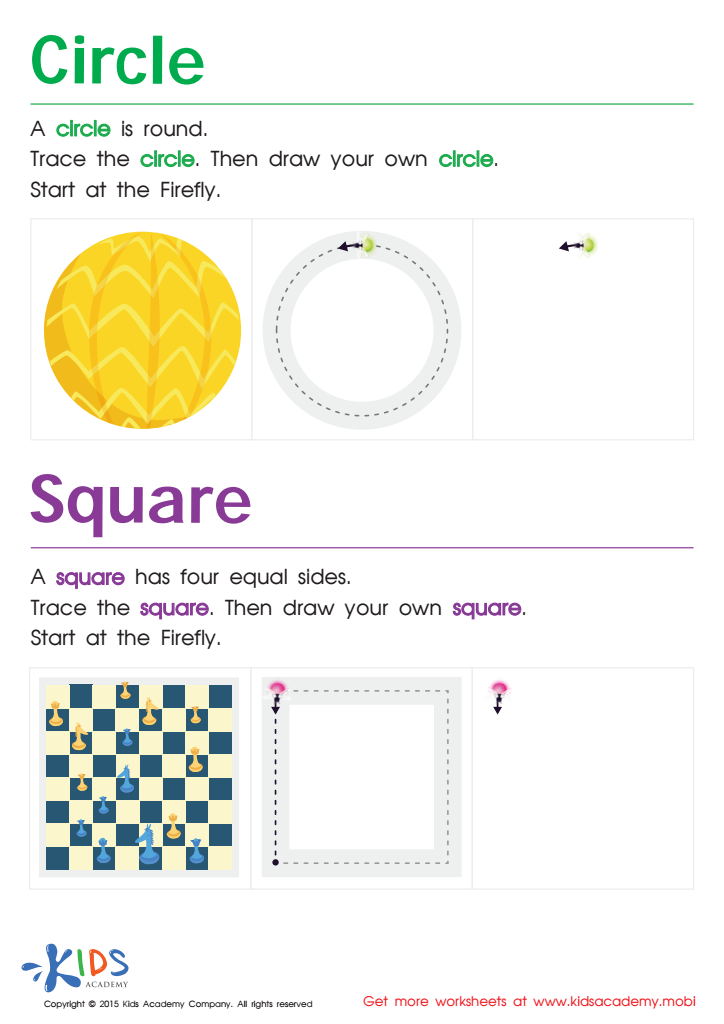
Trace And Draw a Circle And a Square Worksheet
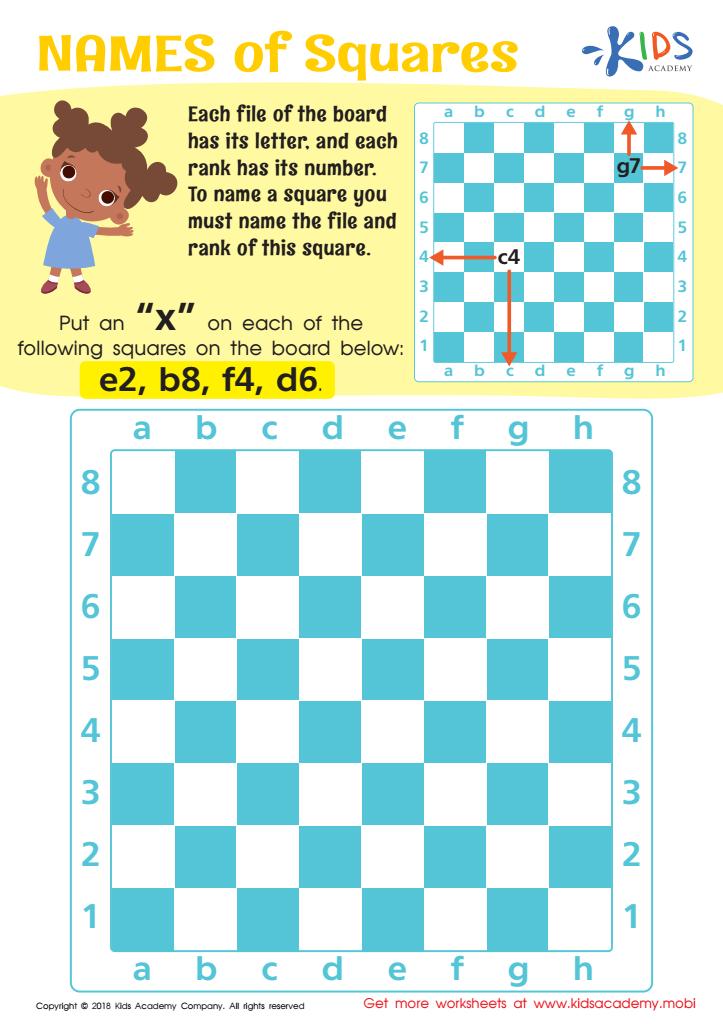
Names of Squares Worksheet
Halloween: A Funny Monster Worksheet
 Assign to My Students
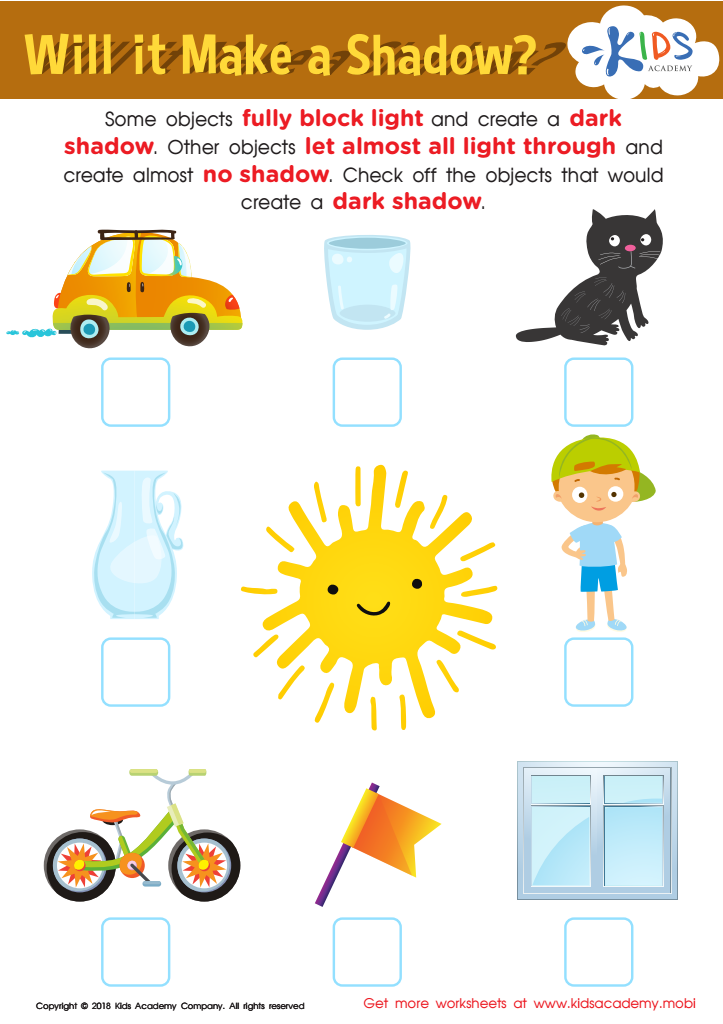
Will It Make a Shadow? Worksheet
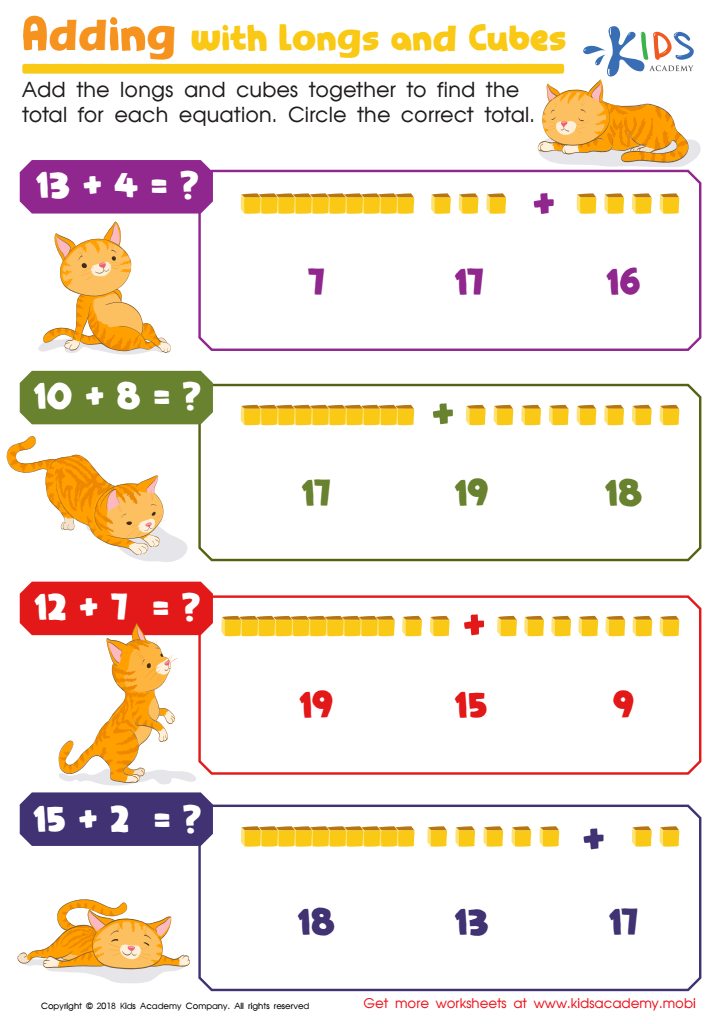
Adding With Longs and Cubes Worksheet
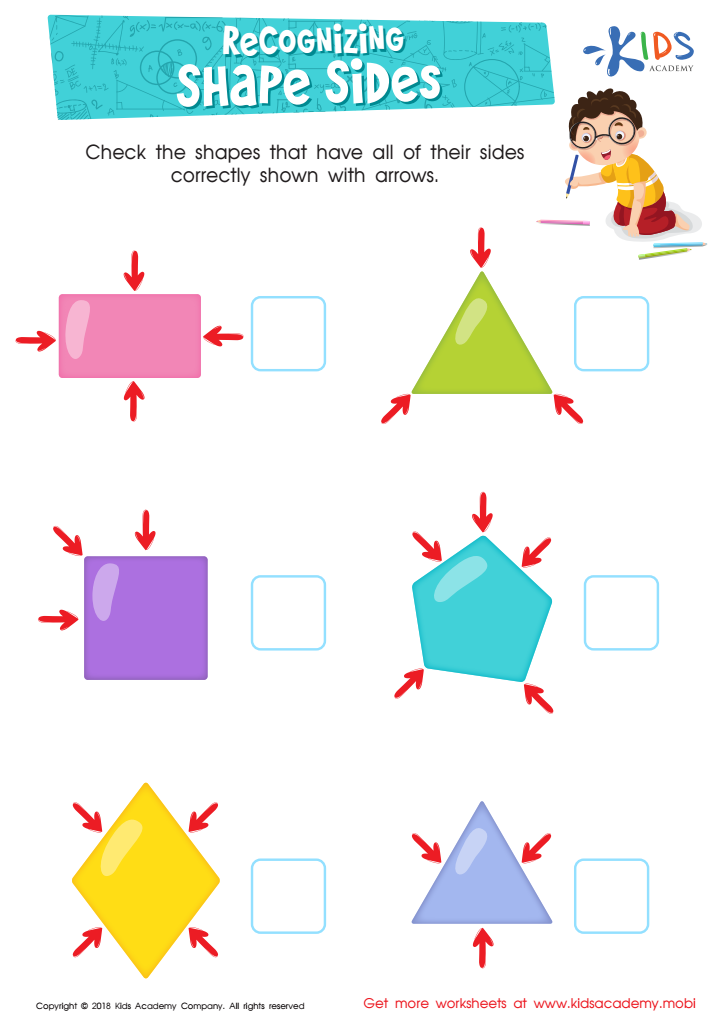
Recognizing Shape Sides Worksheet
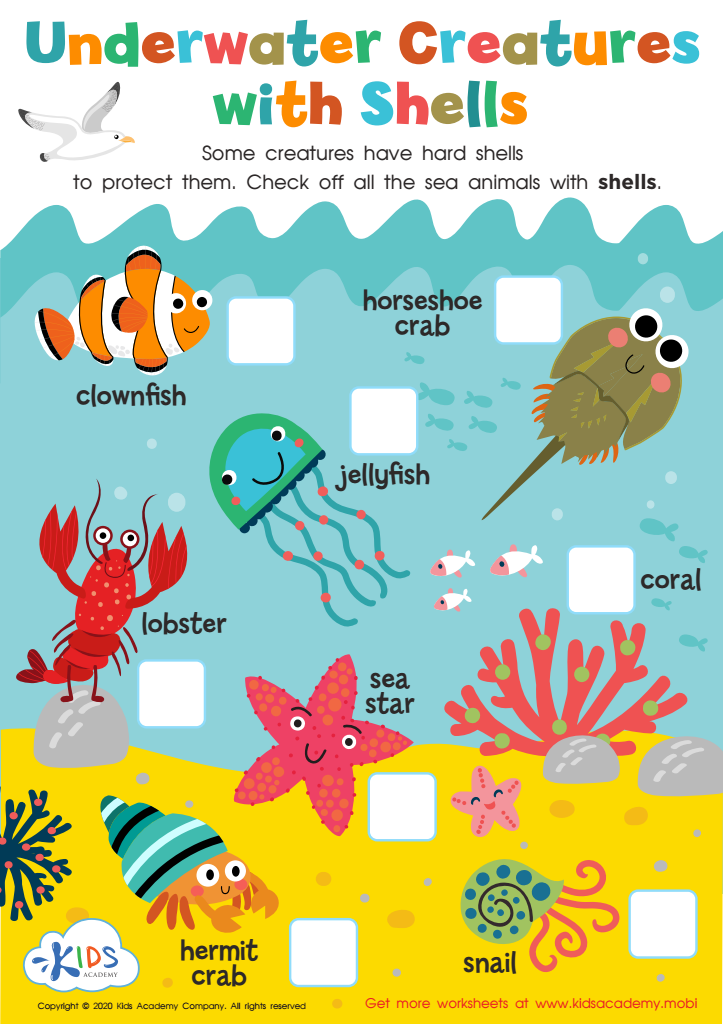
Underwater Creatures with Shells Worksheet
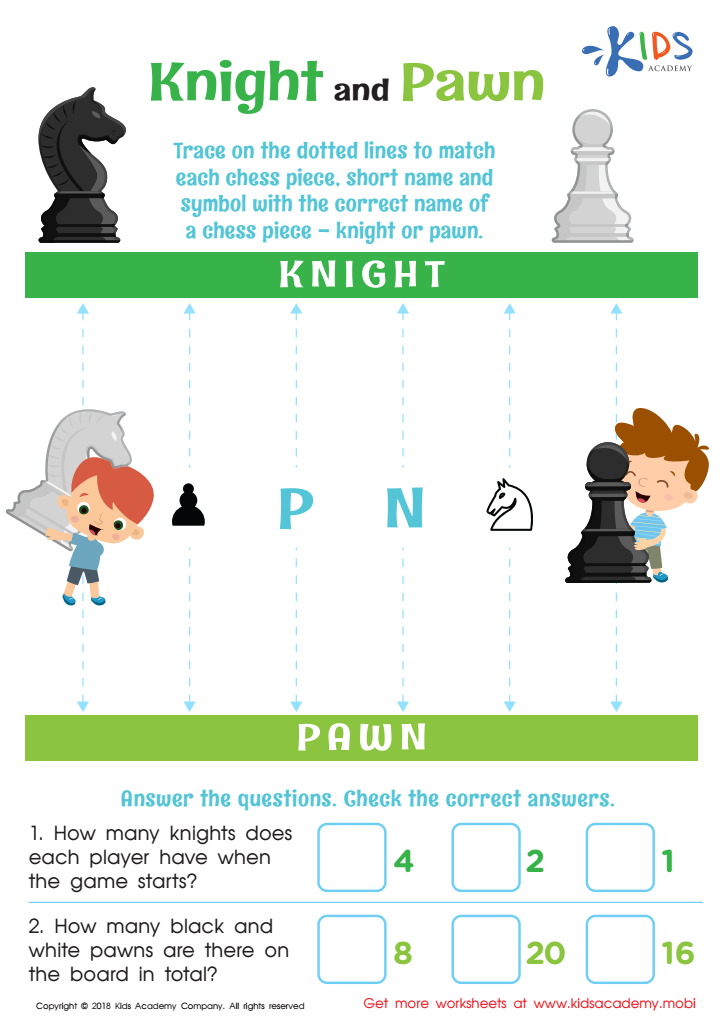
Knight and Pawn Worksheet
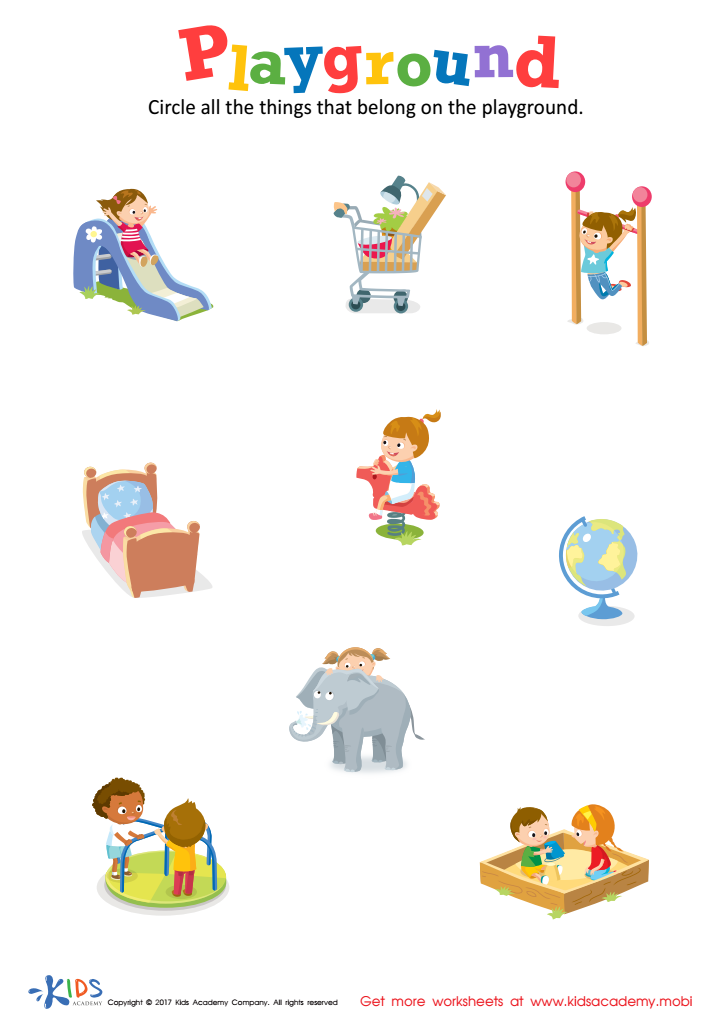
Playground Worksheet
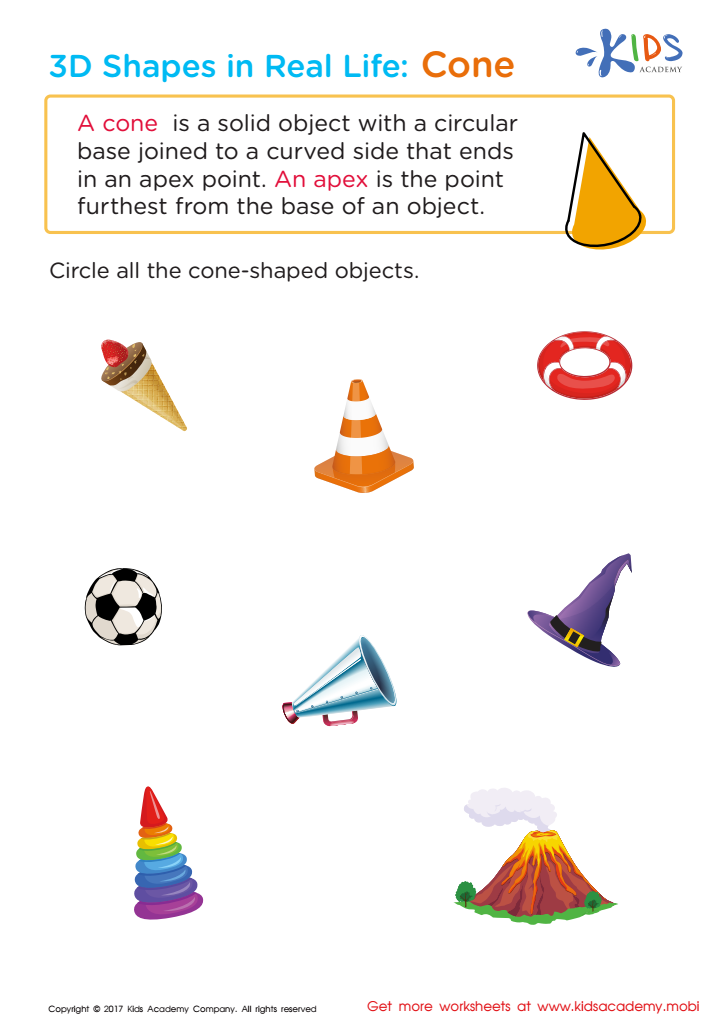
Shapes in Real Life: Cone Worksheet
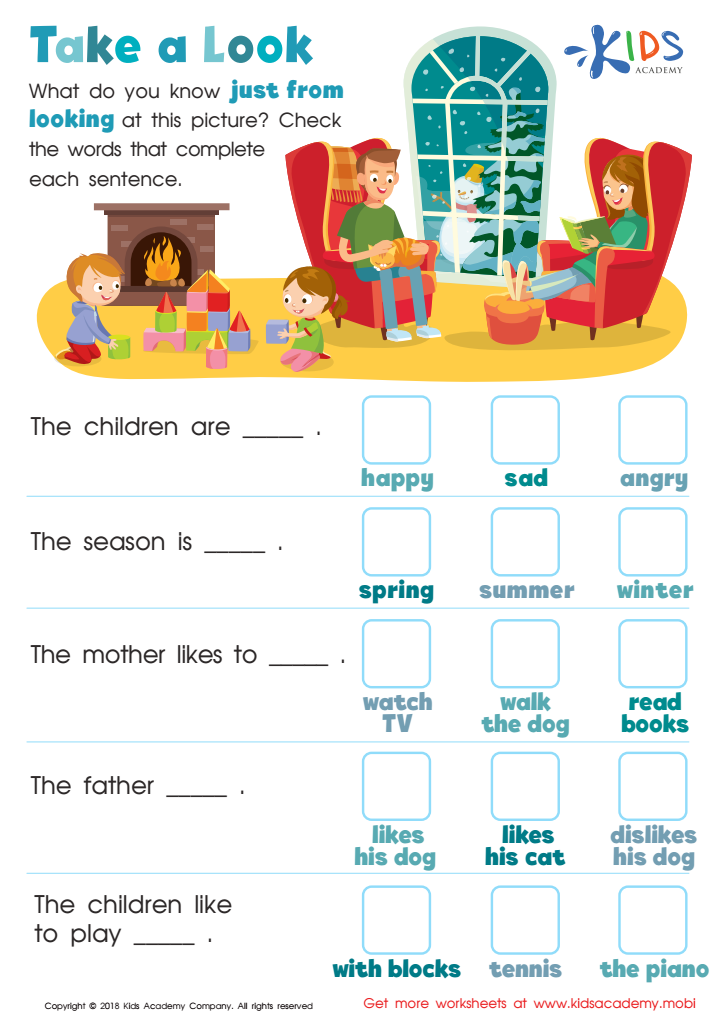
Take a Look - Part 1 Worksheet








Shape recognition is a fundamental skill for Grade 1 students and is crucial for their overall cognitive development. Parents and teachers should care about this skill because it lays the groundwork for more complex mathematical concepts, such as geometry, measurement, and spatial reasoning. Being able to identify and categorize shapes helps children to make sense of the world around them, aiding in problem-solving and critical thinking.
Additionally, shape recognition is tied to various developmental areas, including visual perception and fine motor skills. Engaging with shapes—through activities such as drawing, building, and sorting—encourages hands-on learning and promotes creativity. Understanding shapes also enhances language development, as children learn to articulate their thoughts about sizes, dimensions, and properties.
Moreover, early shape recognition promotes social skills. Collaborative activities involving shape games help children learn to communicate effectively, work together towards common goals, and develop a sense of belonging within a classroom community.
Lastly, fostering shape recognition can boost a child's confidence as they succeed in identifying and working with shapes, paving the way for a positive attitude toward learning in mathematics and beyond. Supporting this early development is essential for holistic educational growth.