Understanding Sequences Normal Grade 1 Worksheets
3 filtered results
-
From - To
Discover our engaging "Understanding Sequences" worksheets designed specifically for Grade 1 students! These printable resources help young learners grasp the concept of sequencing through fun and interactive activities. With a variety of exercises, students will identify patterns, arrange events in chronological order, and improve their critical thinking skills. Our worksheets are perfect for both classroom use and at-home practice, ensuring a solid foundation in early math and literacy skills. Encourage your child's development with engaging visuals and relatable contexts. Start exploring our comprehensive collection now to promote a deeper understanding of sequences and boost your child's confidence in learning!
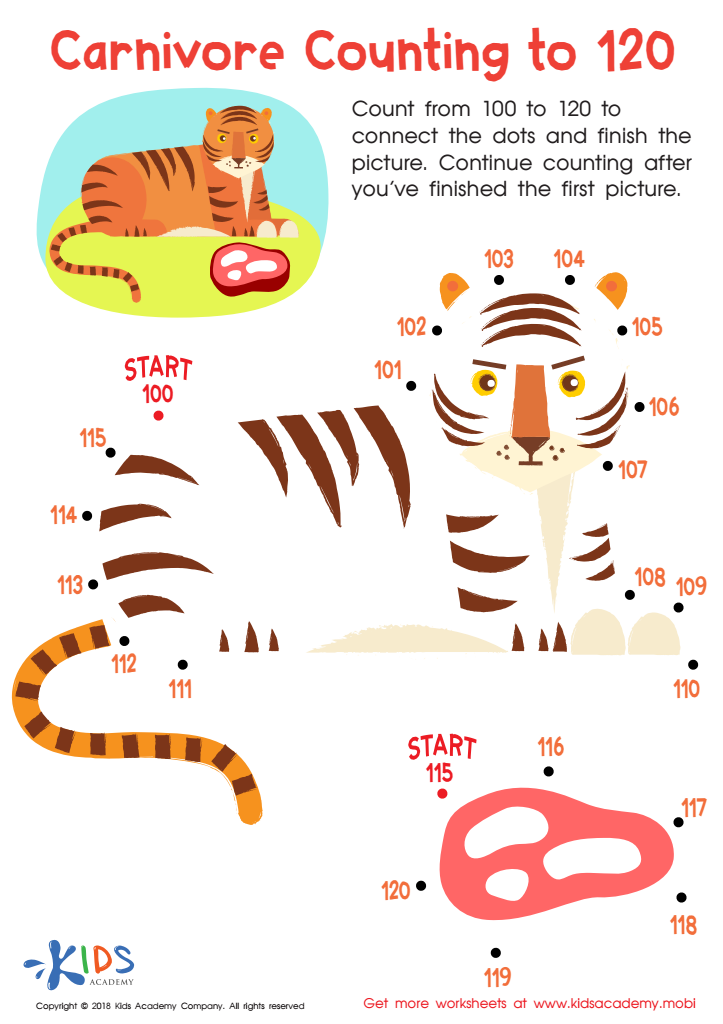
Carnivore Counting to 120 Worksheet
 Assign to My Students
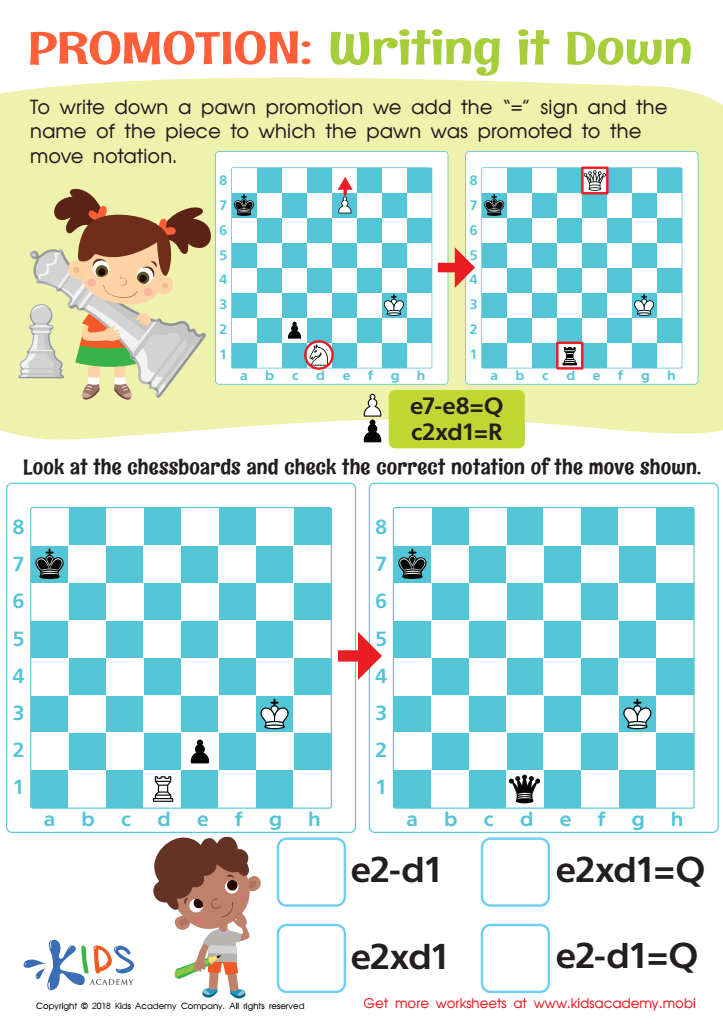
Writing it Down Worksheet
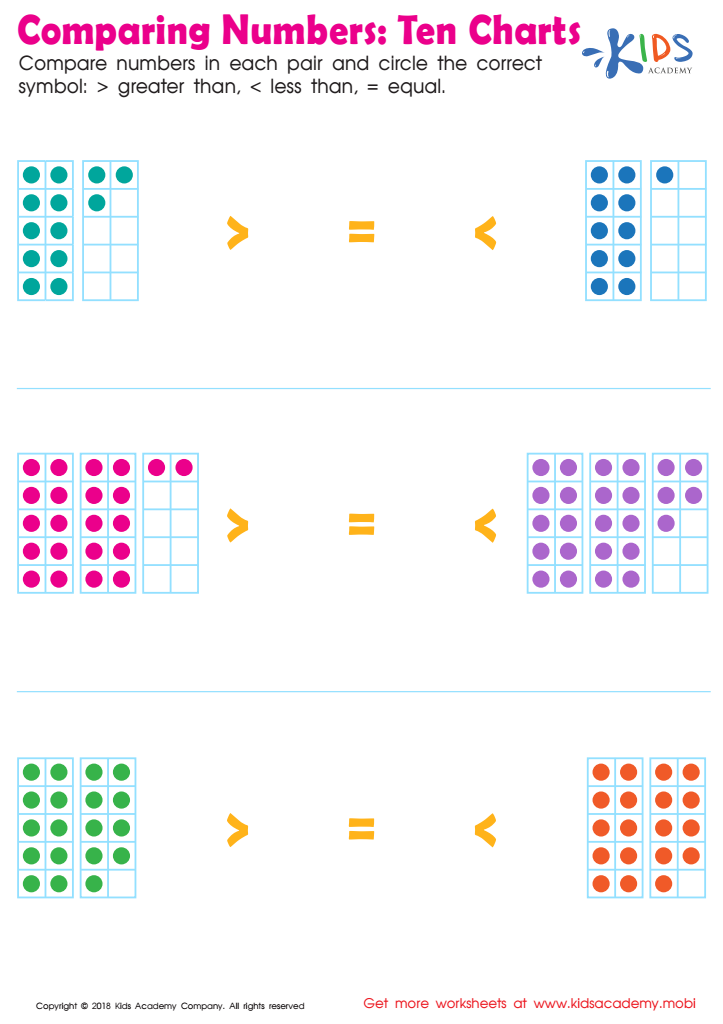
Ten Charts Worksheet





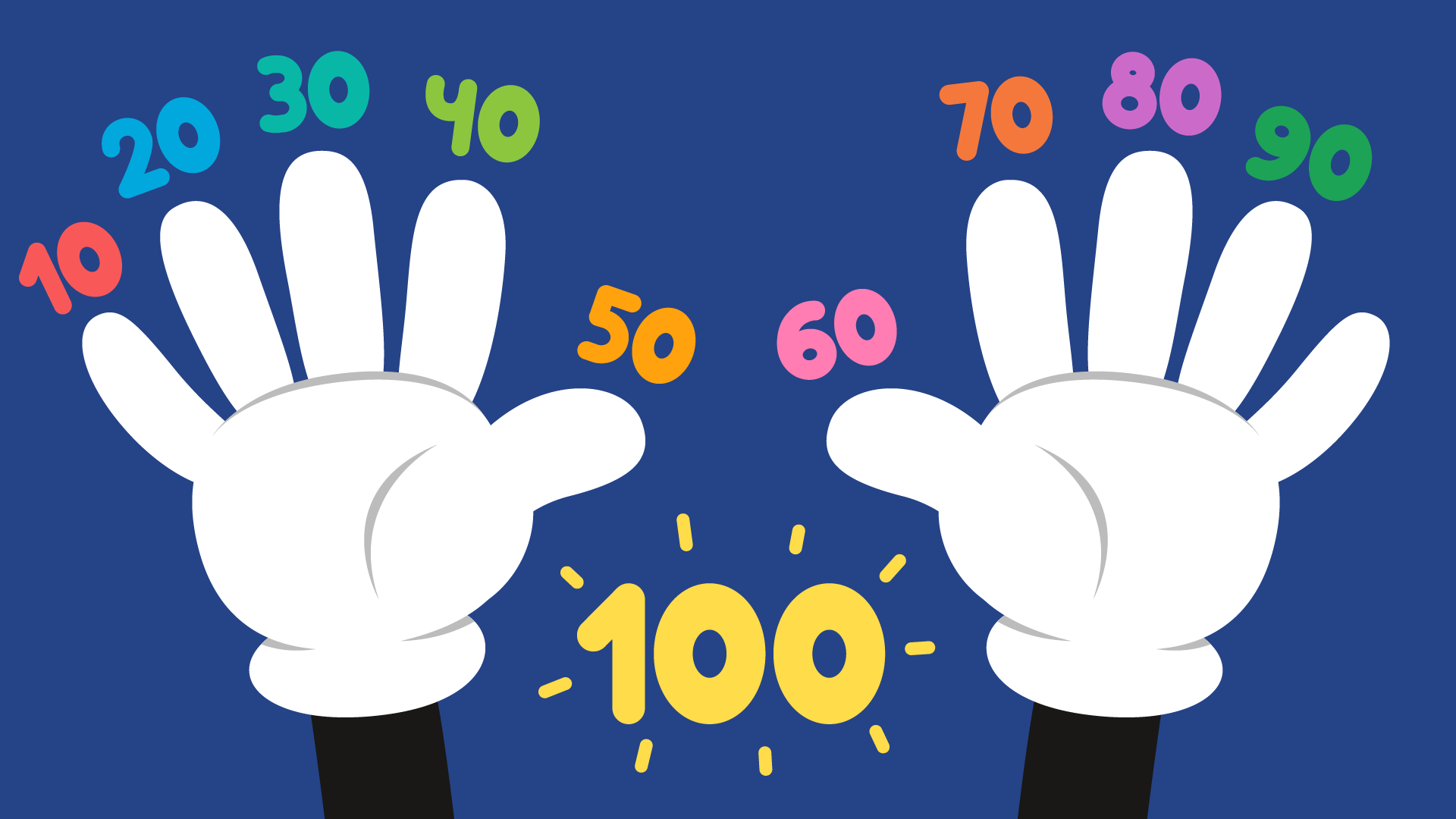

Understanding sequences is crucial for Grade 1 students as it lays the foundation for their future learning in mathematics and beyond. Parents and teachers should care about this concept since skills related to sequencing enhance critical thinking and problem-solving abilities. Recognizing patterns and order sharpens cognitive skills, enabling children to follow instructions and understand stories or events in chronological order.
In mathematics, sequences introduce students to the idea of counting, sorting, and basic operations, building essential numeracy skills. By grasping sequences, children learn how to predict what comes next, fostering an innate curiosity about patterns in numbers and nature. This skill can also enhance their capability in subjects like science and reading, where understanding processes and narratives is vital.
Moreover, the ability to understand sequences helps develop organization skills in children. This organization is not only beneficial in academic settings but also important for daily life tasks like following routines and completing chores. Overall, committing time and resources to teaching sequences empowers young learners, ensuring they develop a strong academic foundation, critical thinking abilities, and essential life skills for the future.