Visual perception improvement Normal Grade 1 Worksheets
5 filtered results
-
From - To
Enhance your child's visual perception skills with our Grade 1 worksheets designed specifically for young learners. These engaging printable activities foster critical skills necessary for effective reading, writing, and overall academic success. Each worksheet focuses on crucial visual processing tasks that help improve attention to detail, pattern recognition, and spatial awareness. Perfect for daily practice, our vibrant and fun exercises encourage students to develop essential skills in a playful manner. Whether at home or in the classroom, these resources support a well-rounded curriculum, ensuring your child builds a strong foundation for future learning. Get started today to unlock your child's potential!
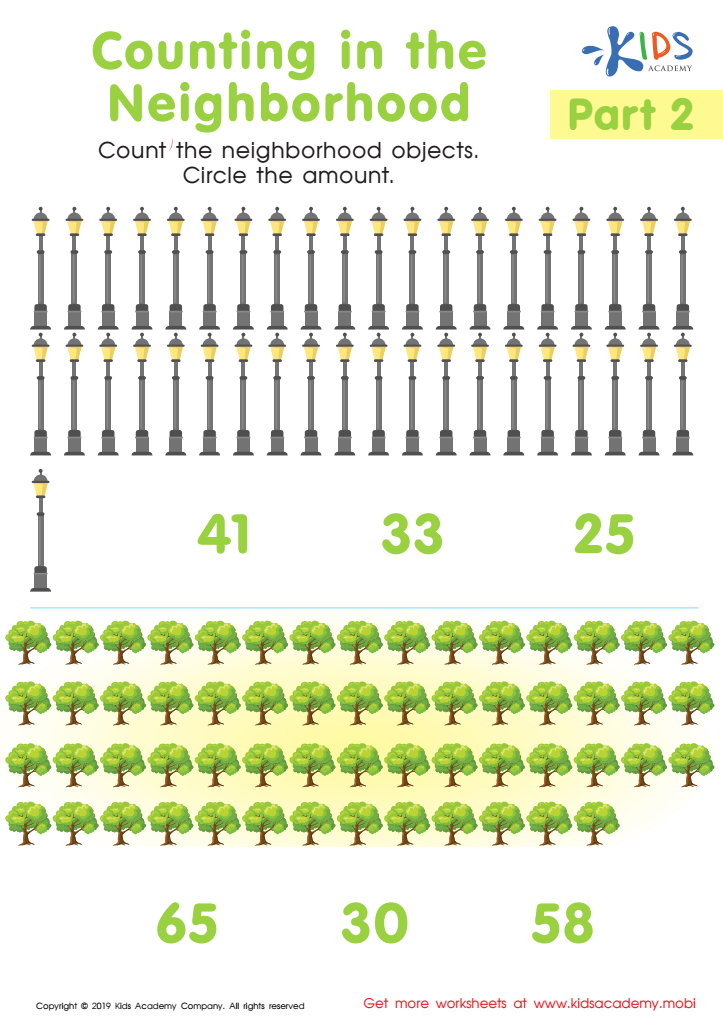
Counting In The Neighborhood Part 2 Worksheet
 Assign to My Students
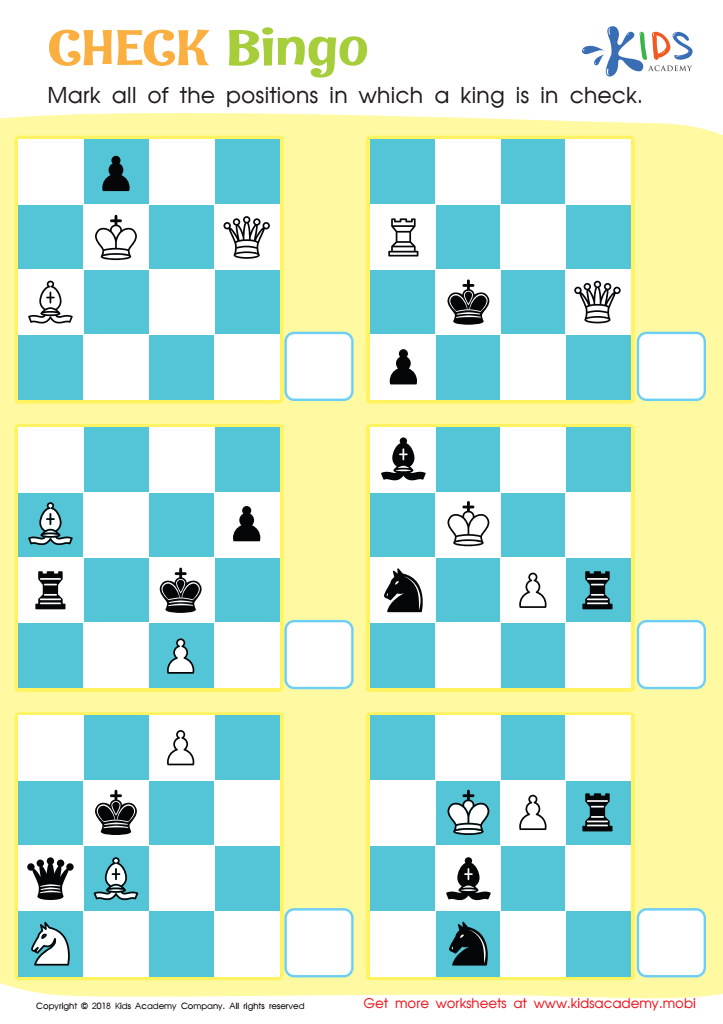
Check Bingo Worksheet
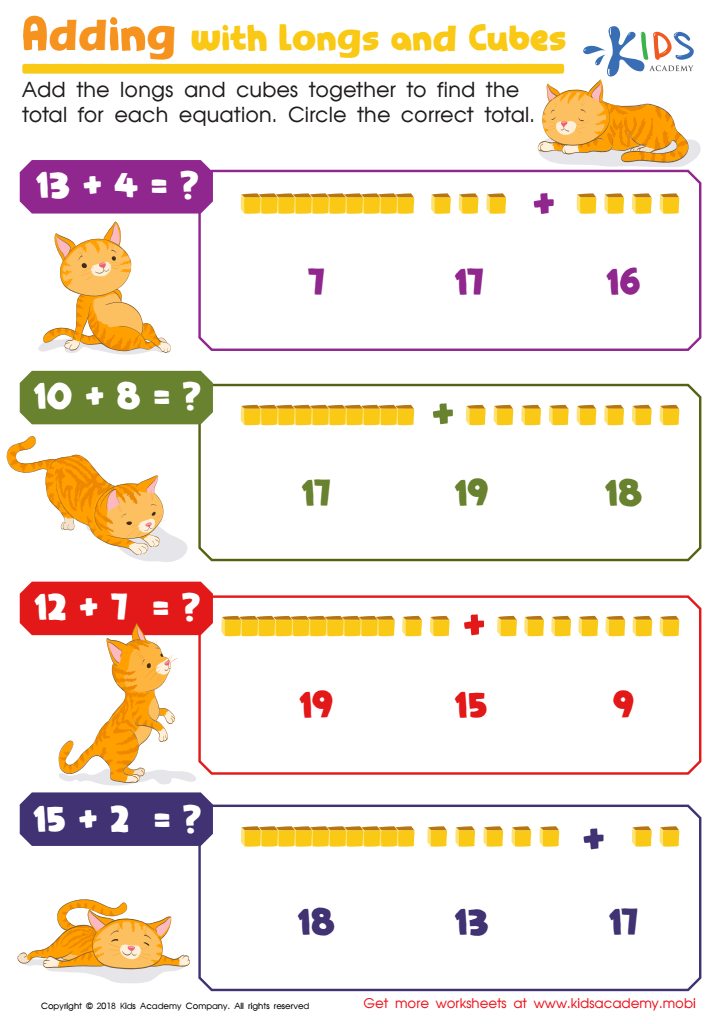
Adding With Longs and Cubes Worksheet
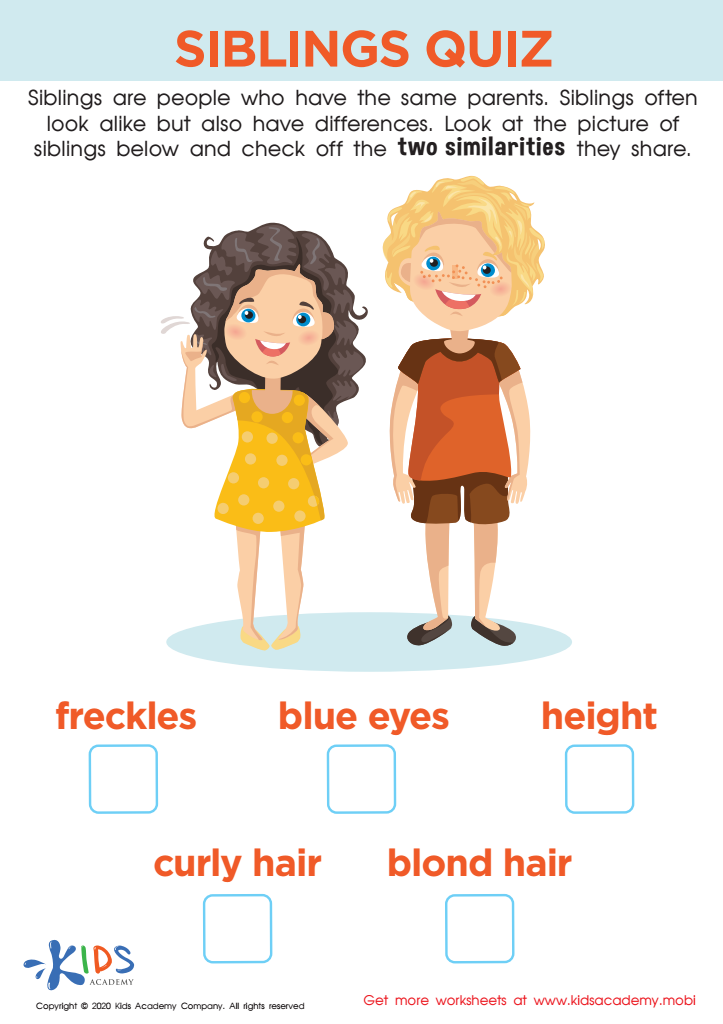
Siblings Quiz Worksheet
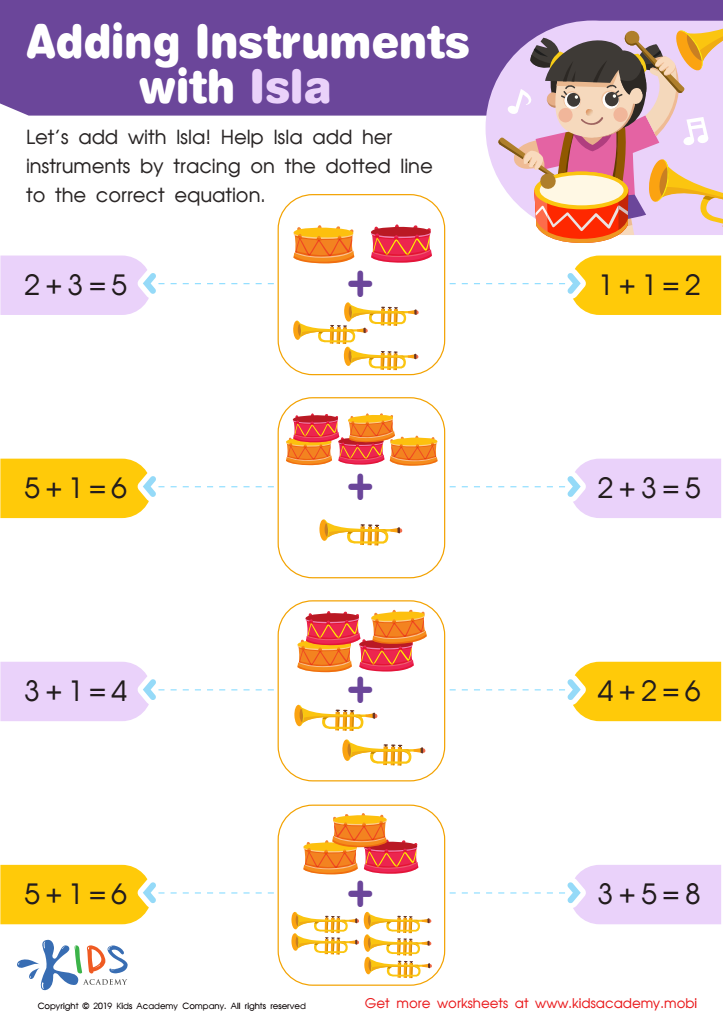
Adding Instruments with Isla Worksheet







Visual perception plays a crucial role in a child's overall development, especially in Grade 1, where foundational skills are established. At this age, children are learning to read, write, and recognize shapes and letters, all of which rely on strong visual perception. Improving these skills helps categorize and interpret visual information more effectively, enhancing their ability to engage with learning materials.
Parents and teachers should take an active interest in visual perception improvement for several reasons. First, strong visual perception skills can boost confidence and performance in academic tasks, making learning more enjoyable. Children who struggle in this area may feel frustrated or discouraged, leading to a negative attitude towards school.
Moreover, improved visual perception supports not only academic success but also social interactions and physical activities. It helps children navigate their environment, play with peers, and develop fine motor skills necessary for writing and drawing.
Incorporating visual games, activities, and exercises into daily routines can significantly aid development. By prioritizing visual perception, parents and teachers lay the groundwork for a child's success in school, fostering a love for learning that extends beyond the classroom. It's an investment in their future capabilities and well-being.