Basic Math Skills Normal Grade 1 Numbers Worksheets
5 filtered results
-
From - To
Welcome to our collection of Basic Math Skills Normal Grade 1 Numbers Worksheets, designed to make early mathematics engaging and fun! These expertly crafted worksheets help young learners master essential math concepts through interactive activities. Kids will practice number recognition, counting, and basic addition and subtraction while building their problem-solving abilities. Our resources promote essential skills in a structured way, ensuring a strong foundation for future math success. Ideal for home or classroom use, these worksheets cater to various learning styles. Dive into the world of numbers today, and nurture your child's confidence and proficiency in math with our effective and enjoyable worksheets!
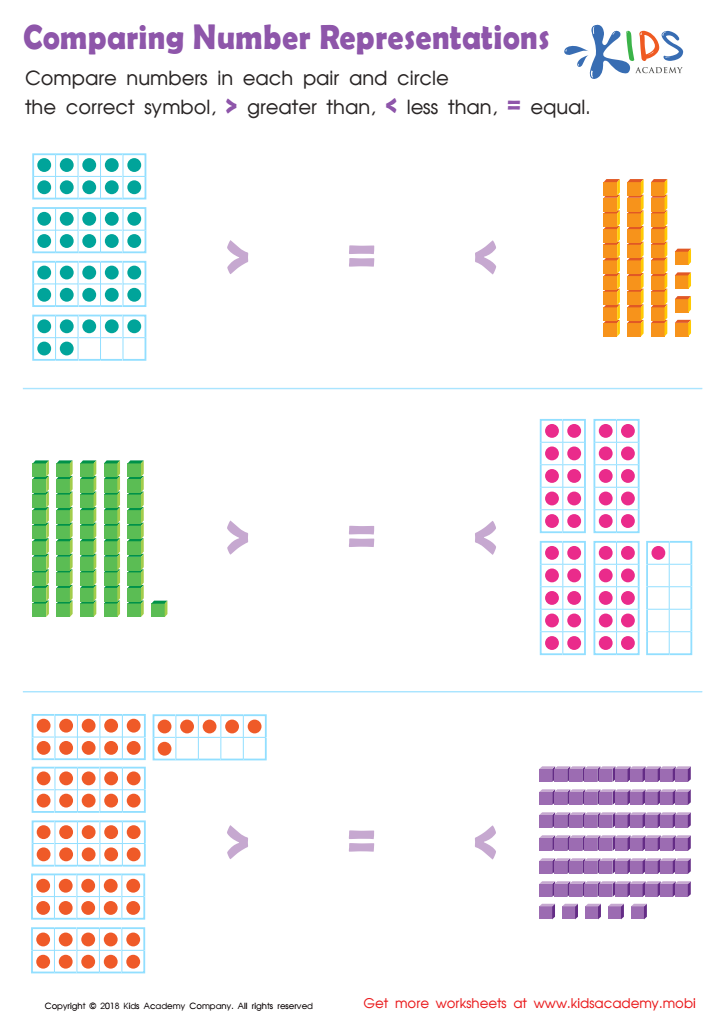
Comparing Number Representations Worksheet
 Assign to My Students
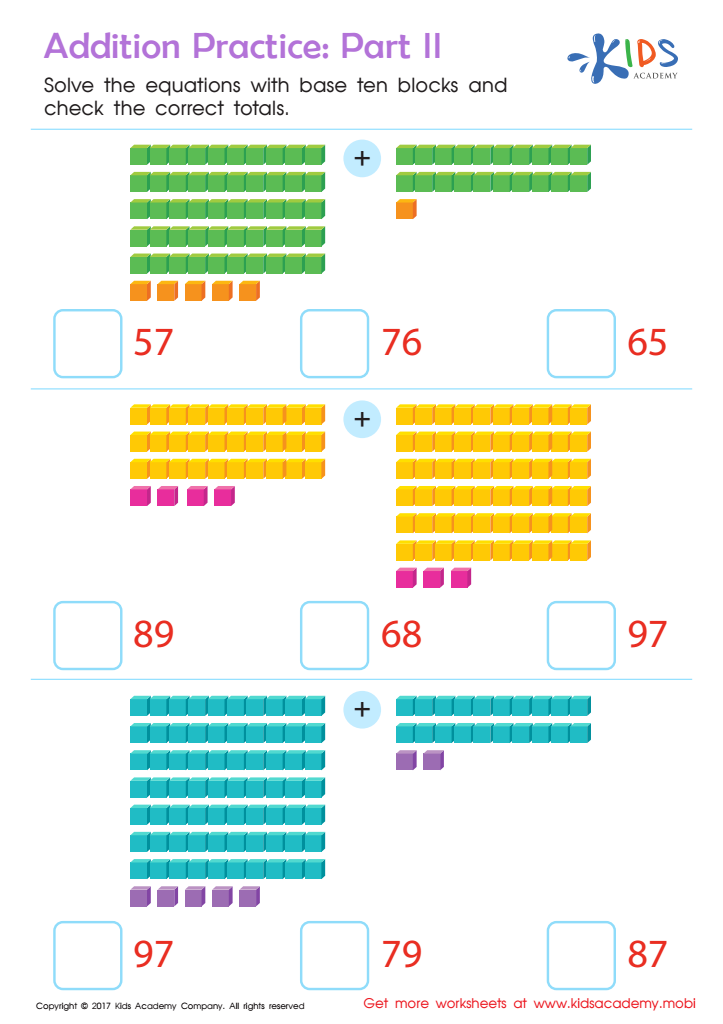
Addition Practice Sheet: Part 2
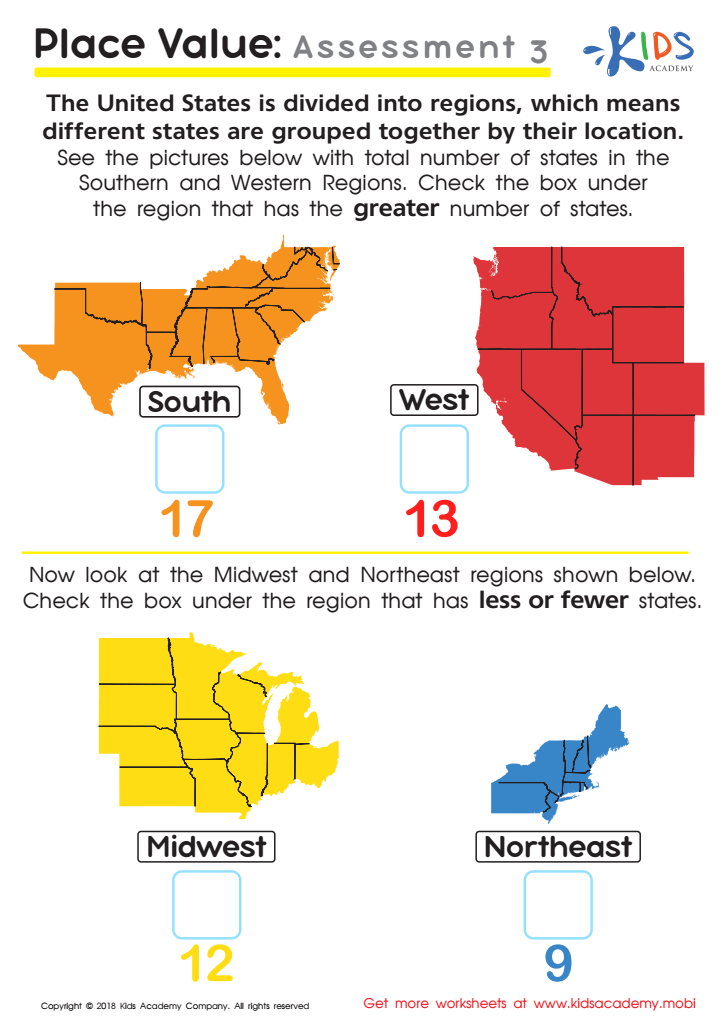
Place Value: Assessment 3 Worksheet
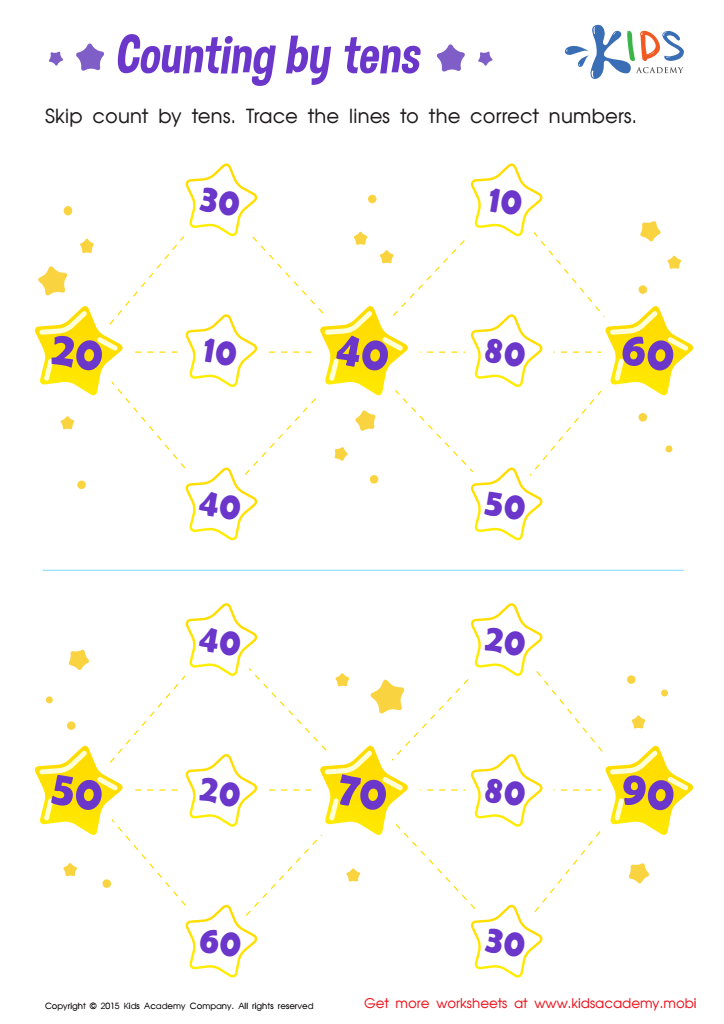
Learn Dozens: Counting by Tens Printable
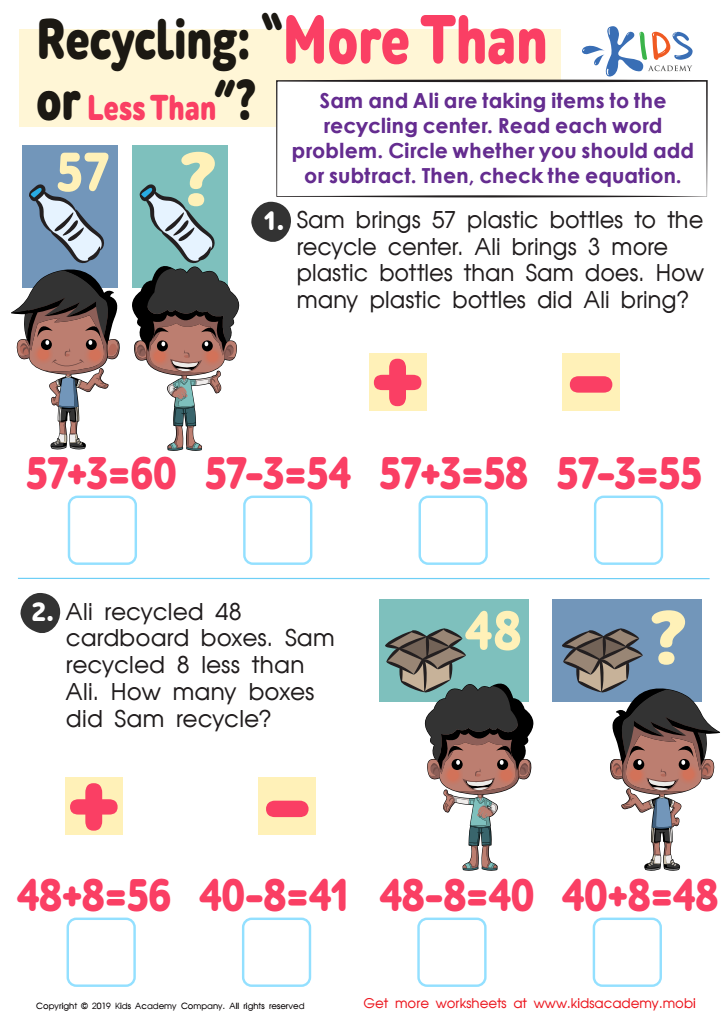
Recycling - More or Less Worksheet







Basic math skills are foundational for children's cognitive development and academic success, especially in Grade 1. At this stage, students begin to understand numbers, counting, addition, and subtraction, which are essential for more advanced mathematical concepts later on. Parents and teachers should care about nurturing these skills because they form the building blocks for children’s problem-solving abilities and logical reasoning.
When children grasp basic math concepts, they gain confidence and a sense of achievement that echoes into other subjects. Early math skills correlate with improved performance in science and reading, as they foster critical thinking. Furthermore, a solid foundation in math can enhance a child's everyday life by helping them make informed decisions, understand financial literacy, and develop analytical skills.
Additionally, engaging in math activities at this early age cultivates a positive attitude toward learning and helps alleviate anxiety related to math tasks later on. Involving parents at home through games and real-life applications reinforces classroom learning, creates a supportive learning environment, and strengthens the home-school connection. Ultimately, prioritizing basic math skills in Grade 1 equips children with the necessary tools to thrive in their educational journey and beyond.