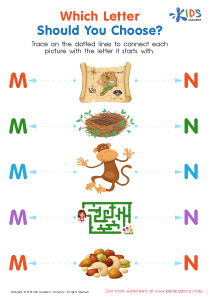
Alphabet familiarity Normal Kindergarten Alphabet Worksheets
7 filtered results
-
From - To
Enhance your child’s alphabet knowledge with our "Normal Kindergarten Alphabet Worksheets." These engaging and interactive worksheets are designed to build alphabet familiarity in young learners. Perfect for kindergarten students, our resources offer a variety of activities that promote letter recognition, sound association, and early writing skills. Each worksheet is crafted to keep kids motivated while they practice their letters through fun exercises. By incorporating our Alphabet worksheets into their learning routine, children will cultivate a strong foundation for reading and writing. Explore our collection today and set your child on the path to literacy success! Suitable for home or classroom use.
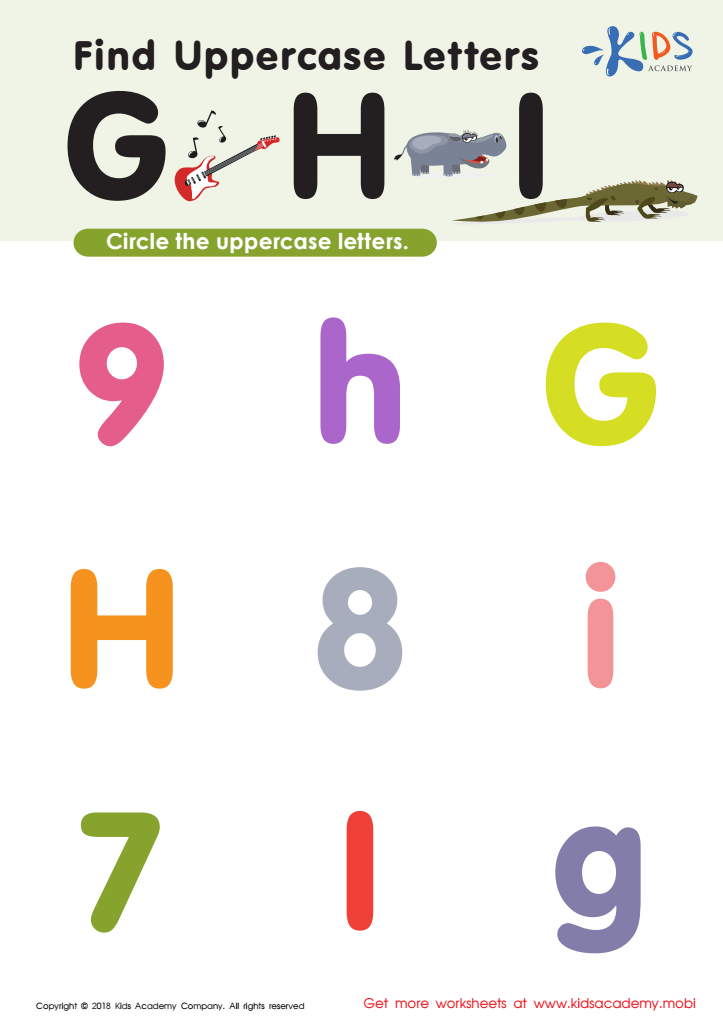
Find Uppercase Letters G, H, and I Worksheet
 Assign to My Students
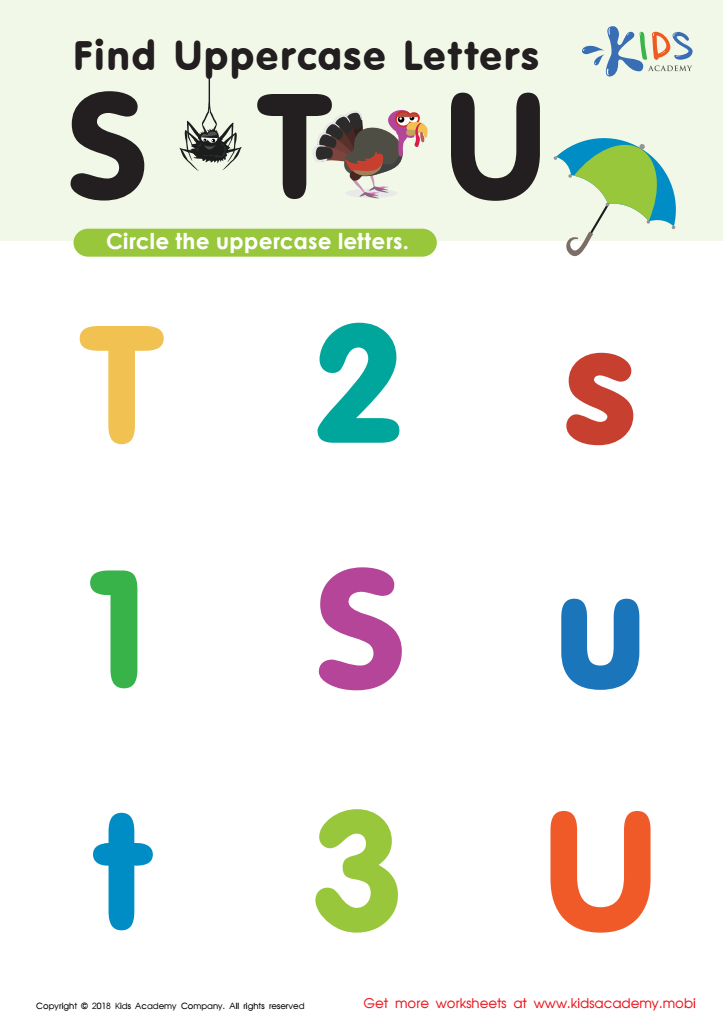
Find Uppercase Letters Worksheet
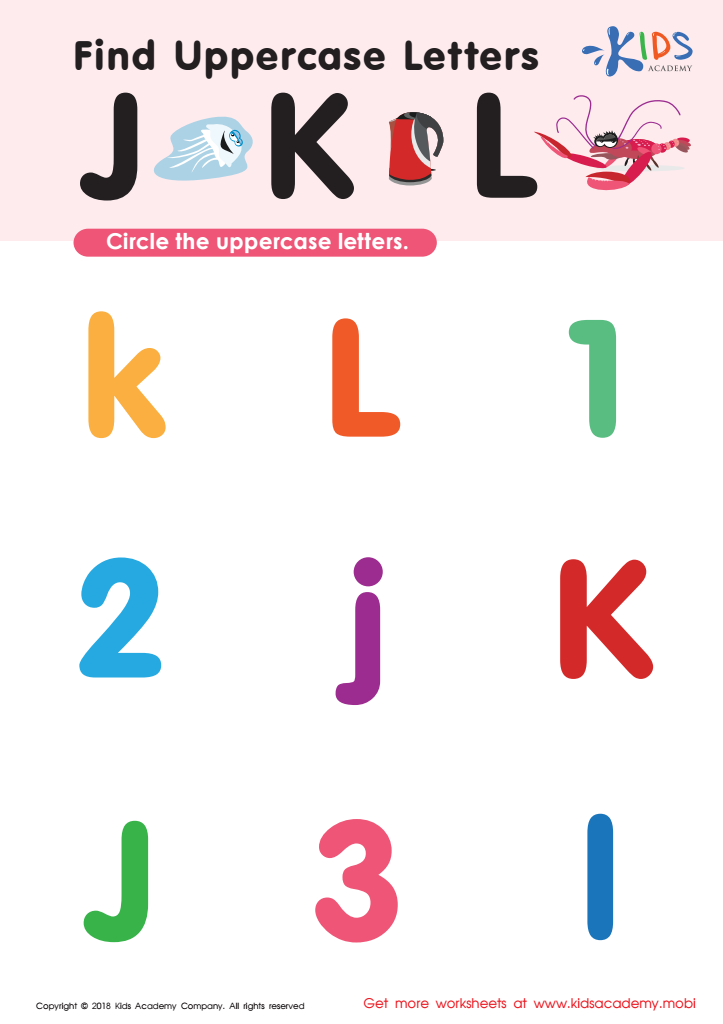
Find Uppercase Letters J, K, and L Worksheet
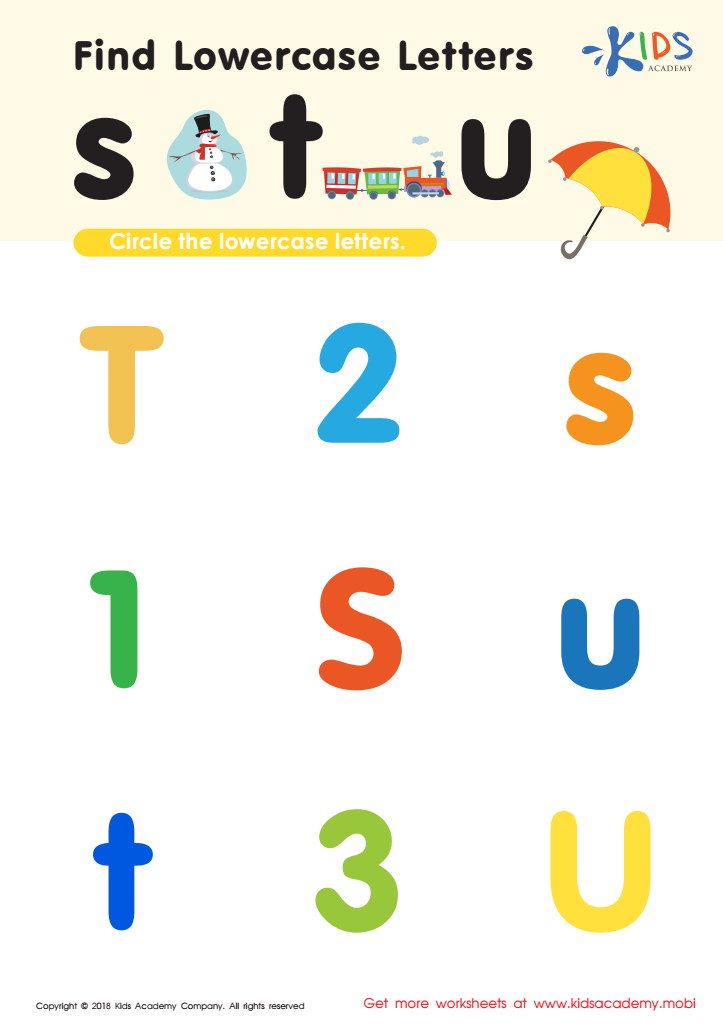
Find lowercase Letters s t u Worksheet

Find Uppercase Letters A, B, and C Worksheet

Find Lowercase Letters v w x Worksheet
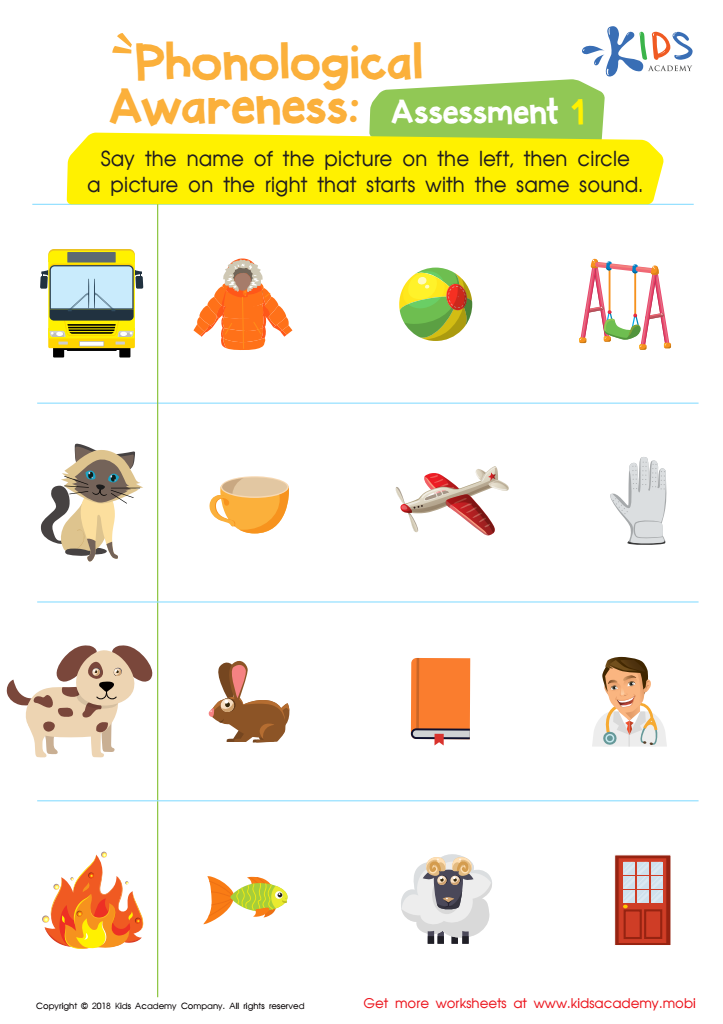
Phonological Awareness: Assessment 1 Worksheet








Alphabet familiarity is crucial for young children's early literacy development, as it lays the groundwork for reading and writing skills. Parents and teachers should prioritize introducing the Normal Kindergarten Alphabet, which consists of both uppercase and lowercase letters, as it fosters recognition and understanding of the alphabetic system.
When children are familiar with the alphabet, they enhance their phonemic awareness, which is the ability to hear, identify, and manipulate the sounds in spoken words. This skill directly contributes to their ability to decode words while reading, leading to increased literacy confidence and competence. Furthermore, proficiency in recognizing letters helps children learn vocabulary, spelling, and sentence structure as they progress in their education.
In addition, engaging with the alphabet provides opportunities for interactive learning experiences. Parents and teachers can create fun games, songs, and activities that instill a lasting interest in language. This supportive environment nurtures children's enthusiasm for reading, encouraging them to explore books and stories independently.
Ultimately, by emphasizing alphabet familiarity in kindergarten, parents and teachers are equipping children with fundamental skills that will serve them throughout their academic journey and beyond, empowering them as lifelong learners.