Basic Addition Skills Normal Kindergarten Worksheets
5 filtered results
Difficulty Level
Grade
Age
-
From - To
Subject
Activity
Standards
Enhance your child's early math skills with our Basic Addition Skills Normal Kindergarten Worksheets! Designed for young learners, these engaging worksheets focus on foundational addition concepts. Each printable activity offers colorful illustrations and interactive exercises that make learning fun and enjoyable. Children will practice adding numbers with visuals, helping them develop critical thinking and problem-solving abilities. Ideal for classroom use or at-home learning, these worksheets cater to various learning styles and ensure a solid grasp of addition. Discover a wealth of resources that promote essential math skills in a supportive environment, paving the way for academic success. Download now and watch your child thrive!
Favorites
With answer key
Interactive
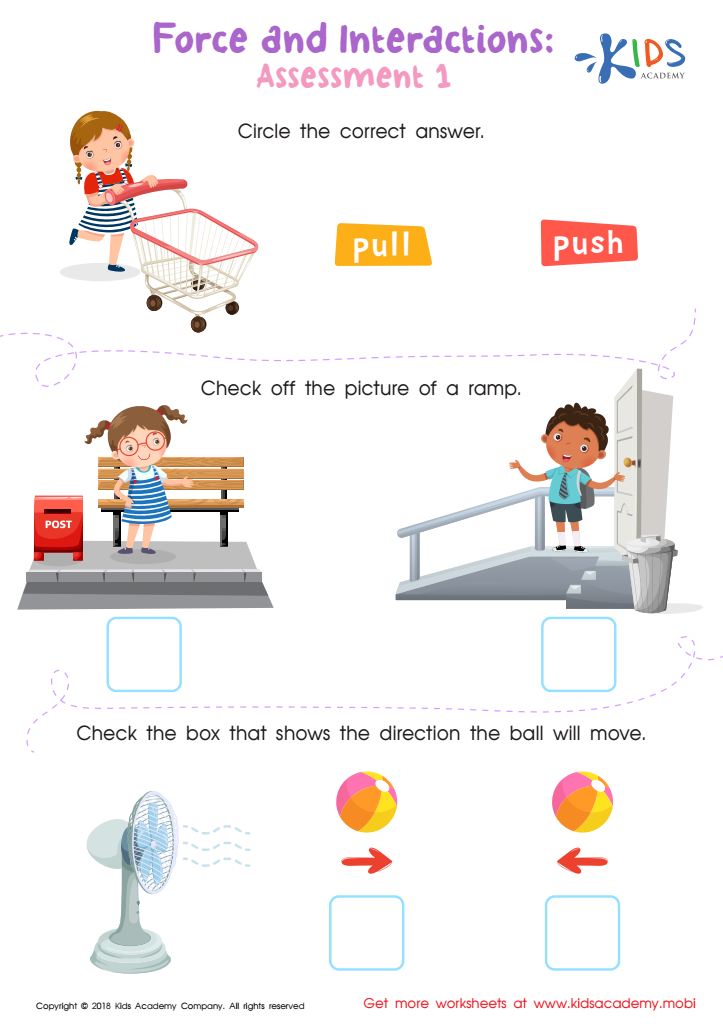
Force and Interactions: Assessment 1 Worksheet
Test your students' knowledge of pushing, pulling, ramps and wind with this worksheet. The first task requires them to identify push or pull pictures. The second asks them to identify a ramp and the third to explain which direction a ball will move when exposed to wind.
 Assign to My Students
Force and Interactions: Assessment 1 Worksheet
Worksheet
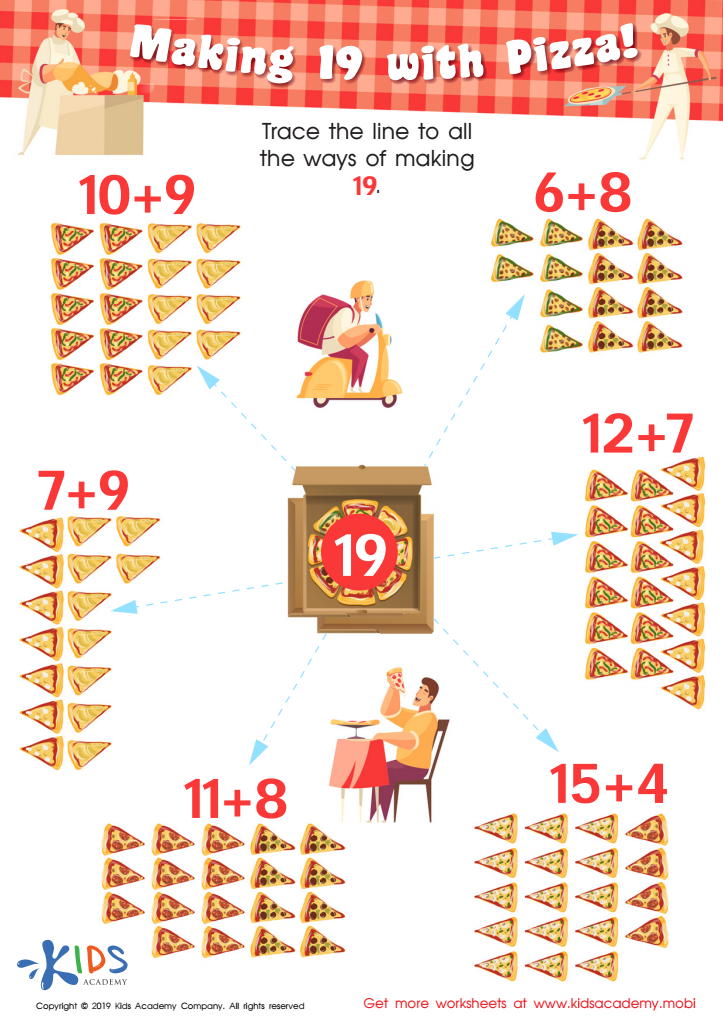
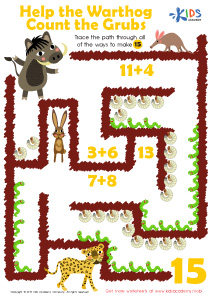
Making 19 with Pizza! Worksheet
Who loves pizza? Your kids do! Next time you need to teach them math, make it fun by combining it with something they enjoy. This worksheet uses a pizza-themed problem to help them practice solving equations. Have them trace the line to figure out how to make 19. It's a great way to make learning math fun!
Making 19 with Pizza! Worksheet
Worksheet
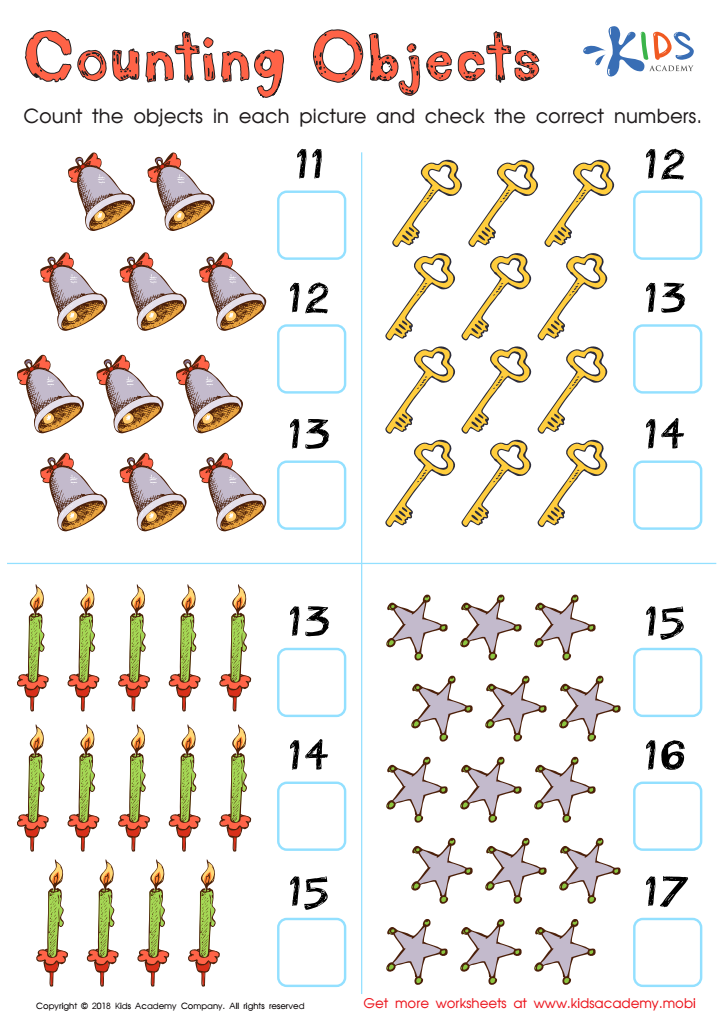
Counting Numbers Worksheet For Kindergarten
This worksheet is a great way to get your child practicing foundational math skills. With bright pictures to count, counting numbers just got a lot more fun! Get them ready for future math success and help them hone their early math skills.
Counting Numbers Worksheet For Kindergarten
Worksheet
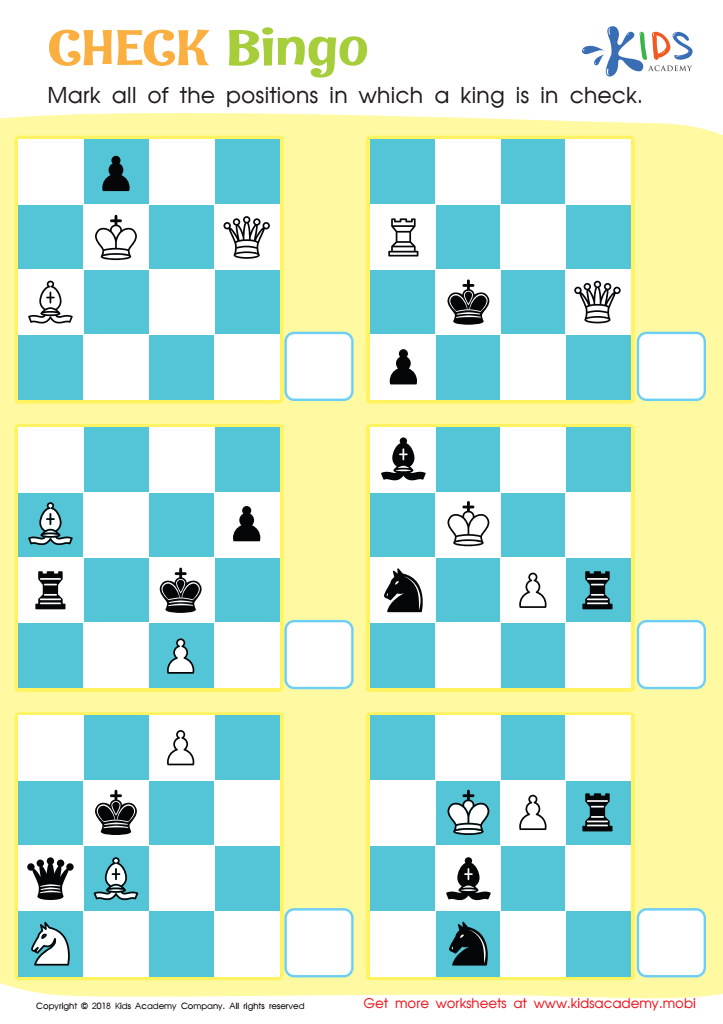
Check Bingo Worksheet
Chess helps young minds build critical thinking, problem-solving and logical reasoning skills. This free PDF worksheet is a fun way to teach these skills. It explains the concept of check and includes gameboards with kings in various positions. Students mark off the boards where a king isn't in check, and they're ready to move onto checkmate!
Check Bingo Worksheet
Worksheet
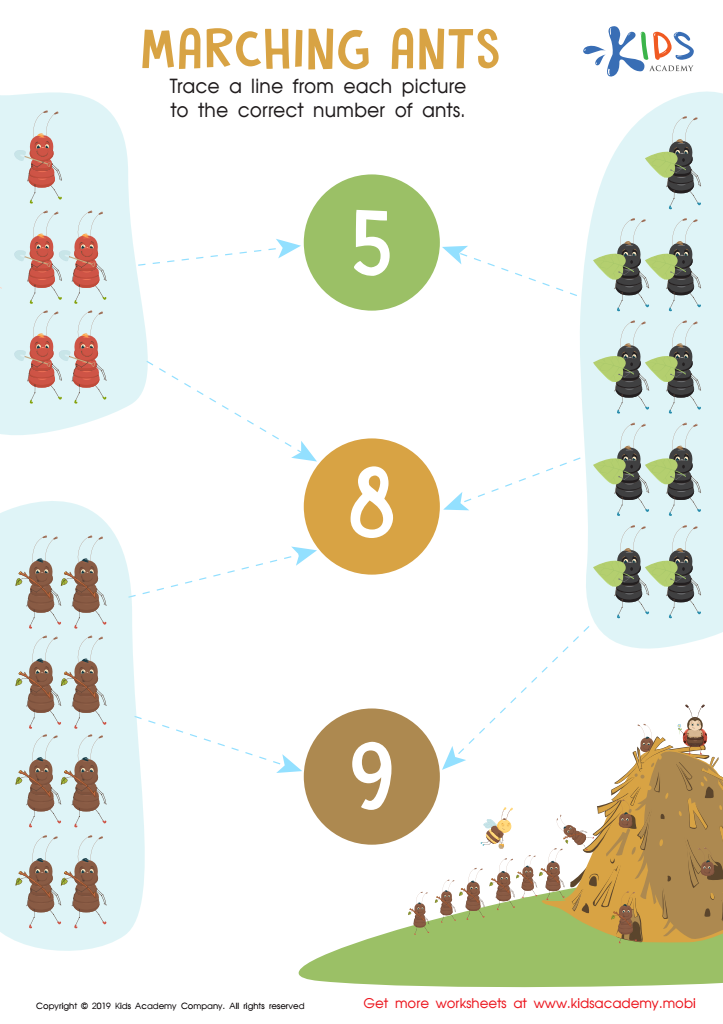
Marching Ants Worksheet
Assess and help your kids practice counting with this worksheet. Ask them to identify the four groups of ants in the picture. Guide them as they count each group and trace the lines to the corresponding number.
Marching Ants Worksheet
Worksheet
Join Kids Academy for Free
Who is primarily going to use this learning content?






Basic addition skills in kindergarten are critical for several reasons, making them a priority for both parents and teachers. First, these skills lay the foundation for all future mathematical concepts. Early mastery of addition helps children understand more complex operations as they progress through their education.
Second, developing basic addition skills enhances cognitive abilities. Engaging in simple math exercises encourages problem-solving, critical thinking, and logical reasoning. These skills are not only useful in math but are also applicable in everyday life situations, fostering a child's ability to navigate through various challenges.
Furthermore, basic addition skills promote confidence in learning. When children can perform simple addition tasks, they experience a sense of accomplishment, motivating them to embrace more challenging subjects. This positive reinforcement builds a love for learning and helps reduce math anxiety.
Finally, parents and teachers play a crucial role in creating an encouraging environment. By practicing addition at home or incorporating it into playful learning at school, they strengthen children's skills and bolster their enthusiasm for mathematics. Ultimately, nurturing these foundational skills paves the way for future academic success and fosters a lifelong appreciation for numeracy.