Handwriting Skills Normal Kindergarten Worksheets
7 filtered results
-
From - To
Unlock your child's potential with our Handwriting Skills Normal Kindergarten Worksheets! Tailored specifically for young learners, these engaging and interactive worksheets are designed to build foundational handwriting abilities in a fun way. Each worksheet focuses on key skills such as letter formation, proper grip, and spacing, ensuring that children develop confidence in their writing. The vibrant illustrations and child-friendly activities encourage students to practice and perfect their handwriting daily. Perfect for classroom use or at-home learning, these worksheets provide a structured approach to mastering essential writing skills, laying the groundwork for future literacy success. Start your child's writing journey today!
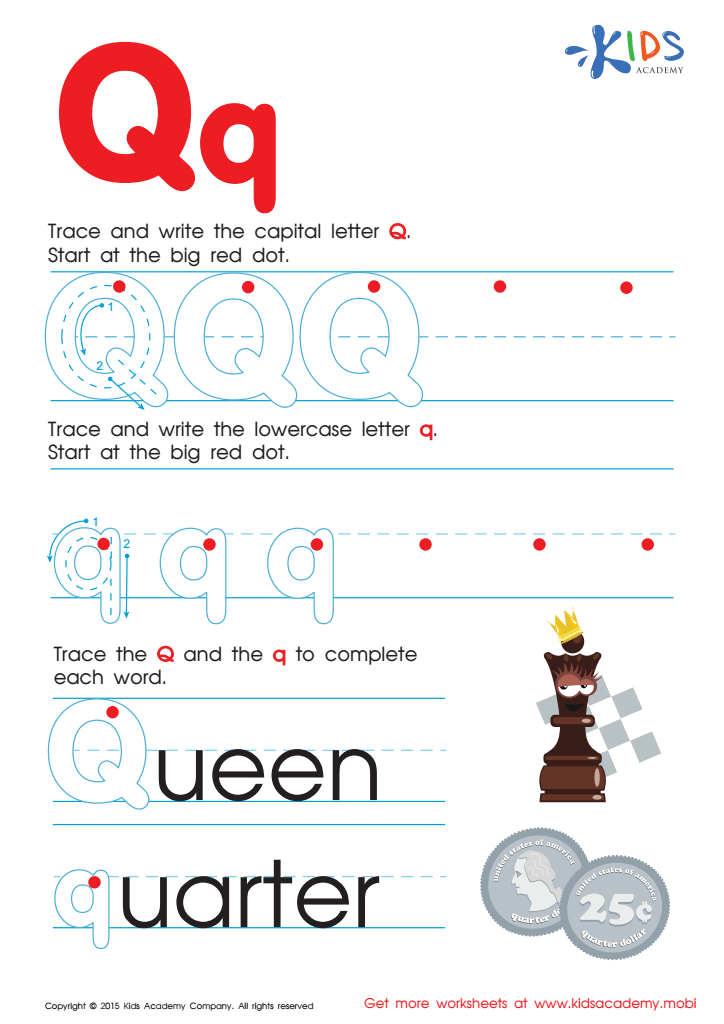
Letter Q Tracing Page
 Assign to My Students
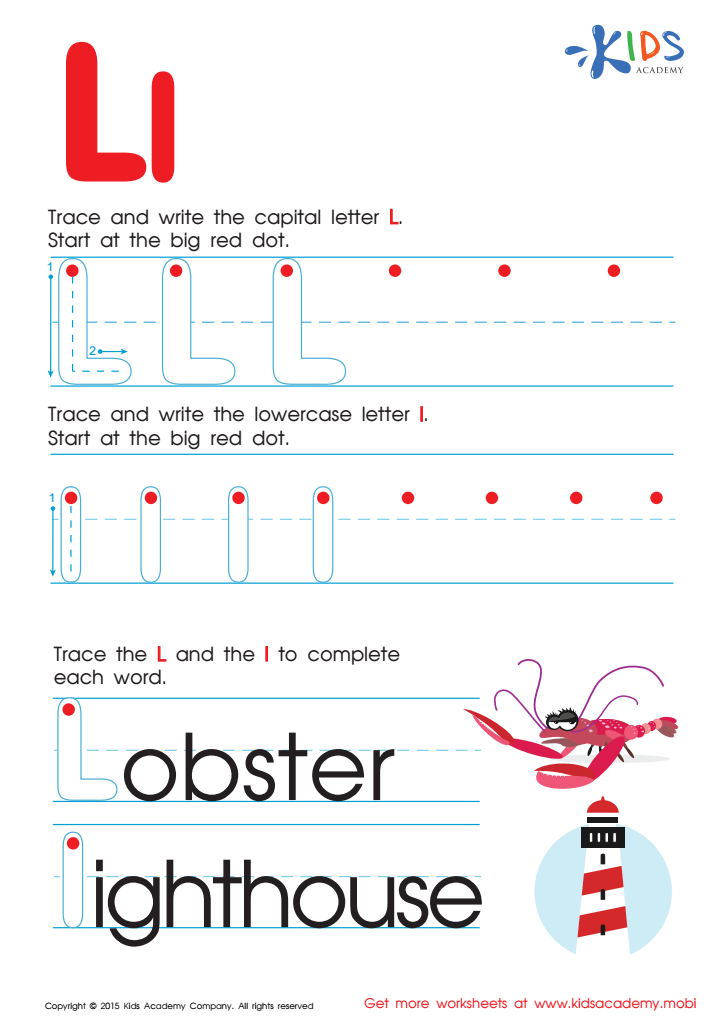
Letter L Tracing Page
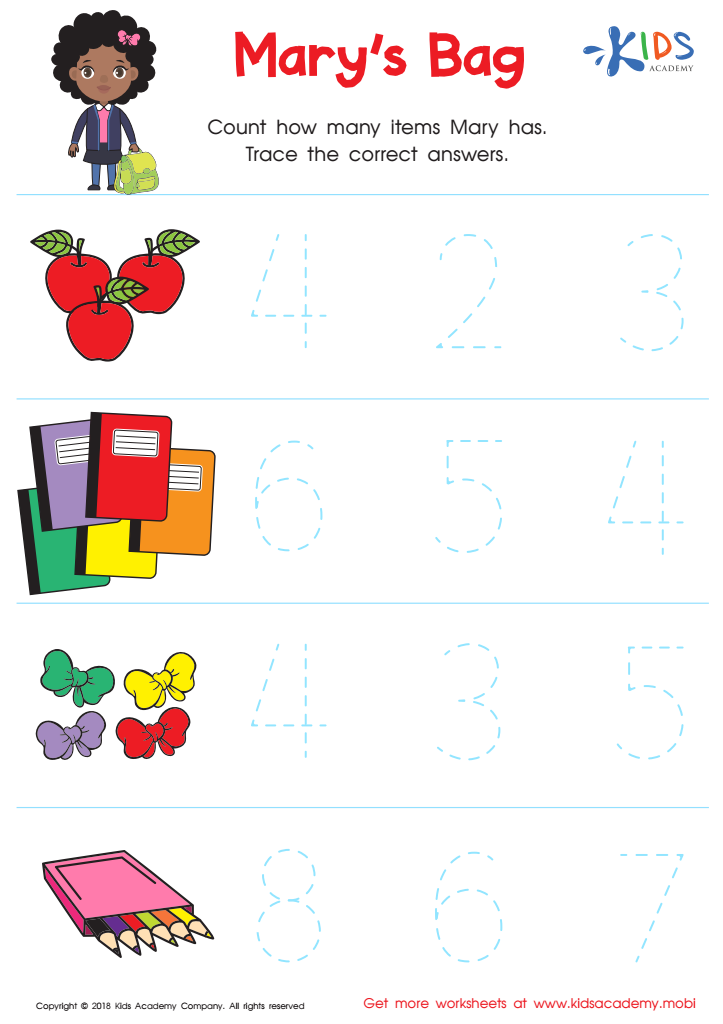
Kindergarten Number Tracing: Mary's Bag Worksheet
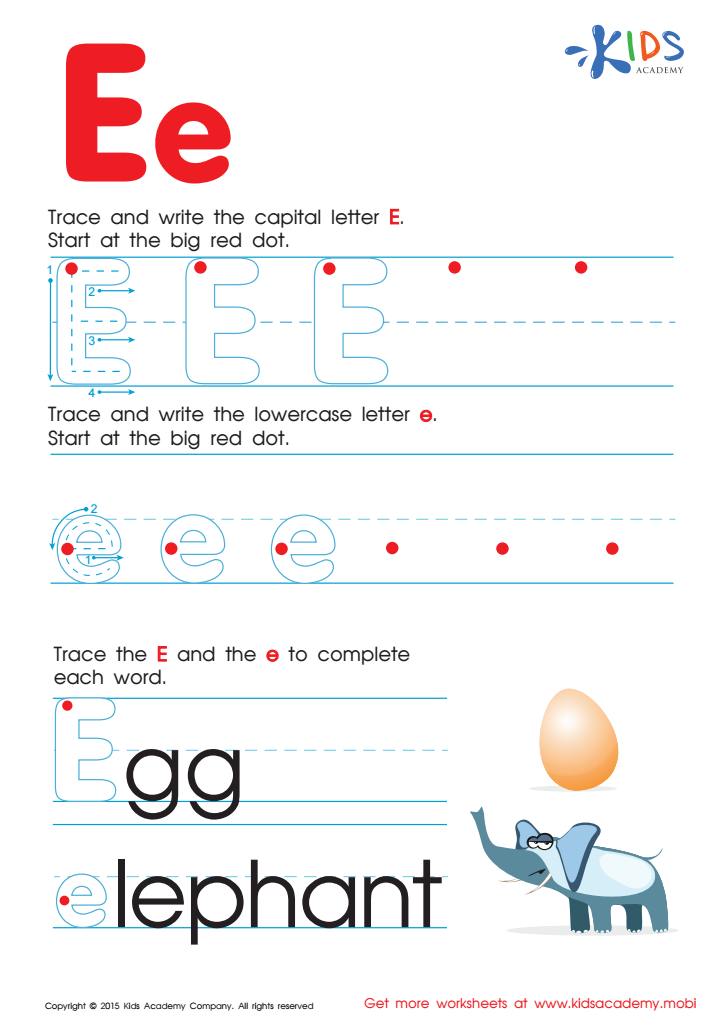
Letter E Tracing Page
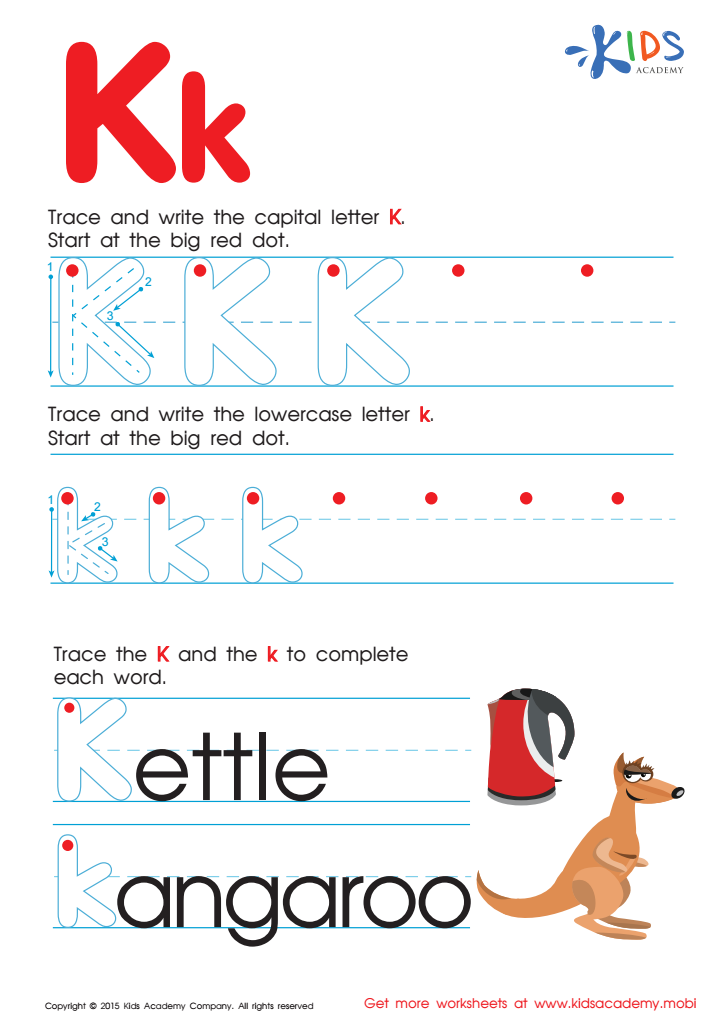
Letter K Tracing Page
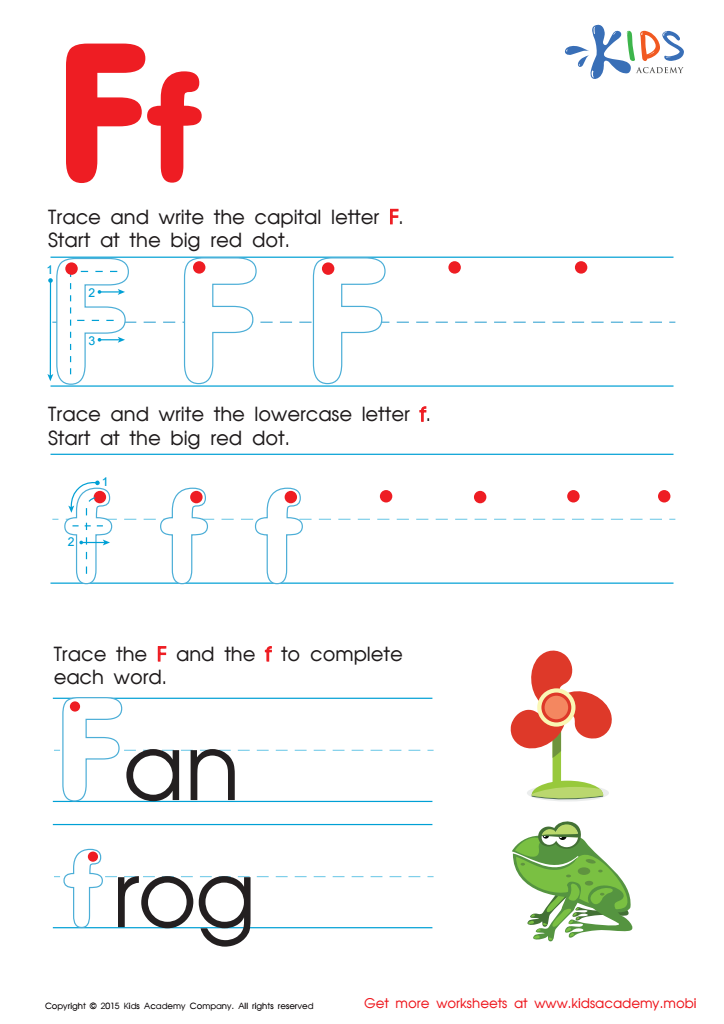
Letter F Tracing Page
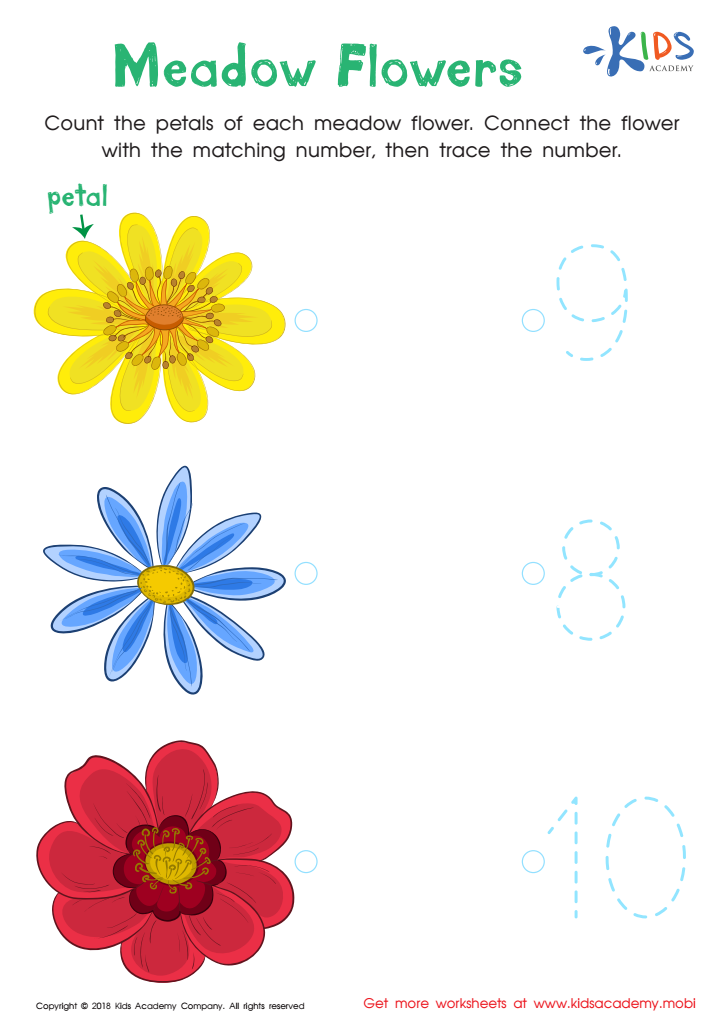
Kindergarten Number Tracing: Medow Flowers Worksheet








Handwriting skills in kindergarten are crucial for a child’s overall development and learning. Developing fine motor skills through handwriting practice enhances a child's dexterity and hand-eye coordination, foundational abilities that are essential for various daily tasks. By learning to write, children also gain important cognitive skills such as memory, concentration, and spatial awareness.
Additionally, handwriting aids in literacy development. As children practice writing letters and words, they reinforce their understanding of phonics and letter recognition, building a strong foundation for reading and writing. This skill supports communication, allowing children to express their thoughts and ideas effectively.
From a psychological perspective, learning to write can boost a child's self-esteem and sense of achievement. Mastering handwriting can provide a sense of accomplishment, instilling confidence as they navigate their academic journey.
Furthermore, in a technology-driven society, the ability to write beautifully and legibly can set a child apart. While digital skills are essential, handwriting remains important for various contexts in life, including note-taking and writing personal messages.
Teachers and parents play a key role in fostering these skills. By prioritizing handwriting activities in early education, they ensure that children develop crucial skills that benefit their future learning experiences and personal growth.