Understanding directions Normal Kindergarten Worksheets
6 filtered results
-
From - To
Our "Understanding Directions: Normal Kindergarten Worksheets" are designed to boost essential listening and comprehension skills in young learners. These engaging and age-appropriate activities help children follow spoken and written directions while enhancing their critical thinking and understanding abilities. Through fun exercises, kindergartners will learn to navigate tasks like identifying left and right, up and down, and interpreting simple maps. These worksheets provide a solid foundation for future academic success, promoting confidence and independence in everyday tasks. Perfect for classroom use or at-home learning, our worksheets foster a love for learning and ensure children stay ahead in their educational journey.
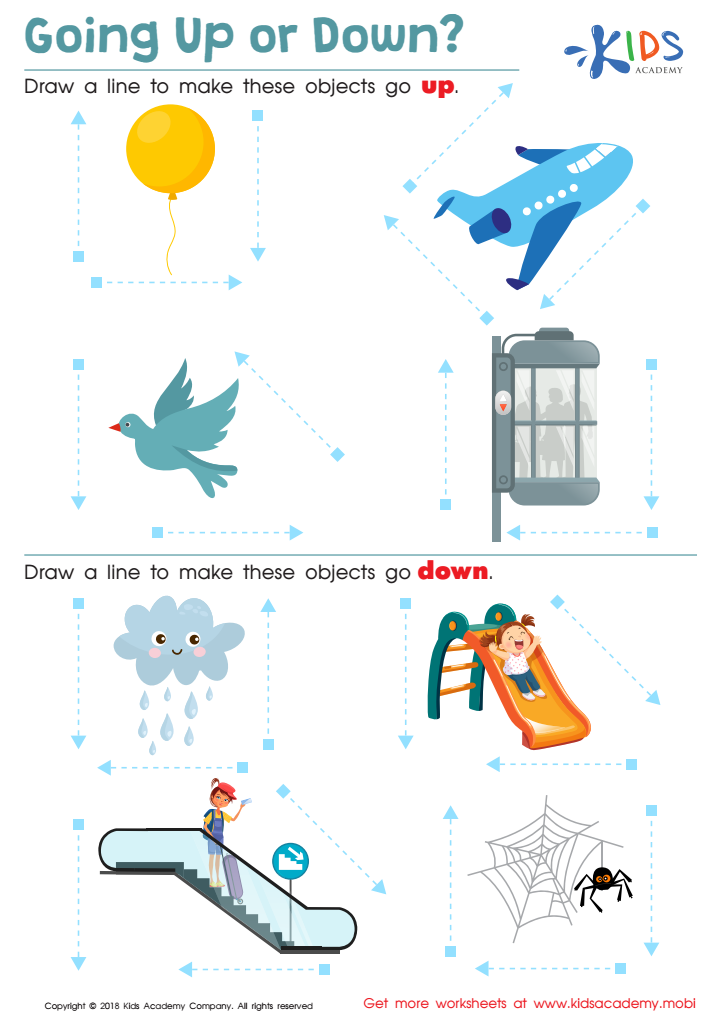
Going up or Down? Worksheet
 Assign to My Students
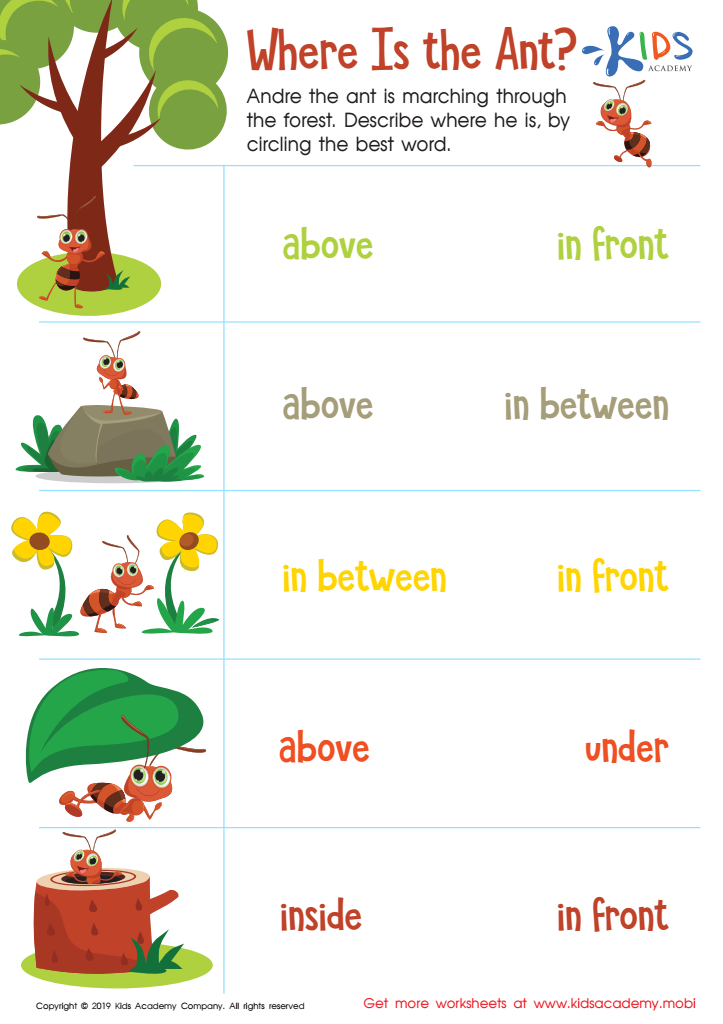
Where Is the Ant? Worksheet
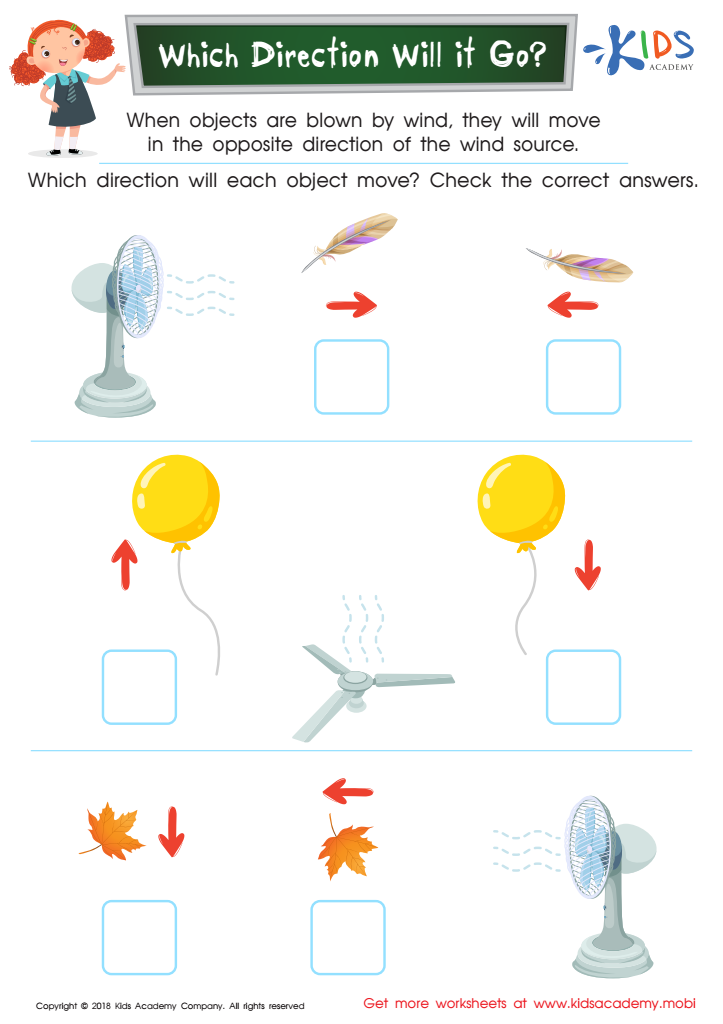
Which Direction Will it Go? Worksheet
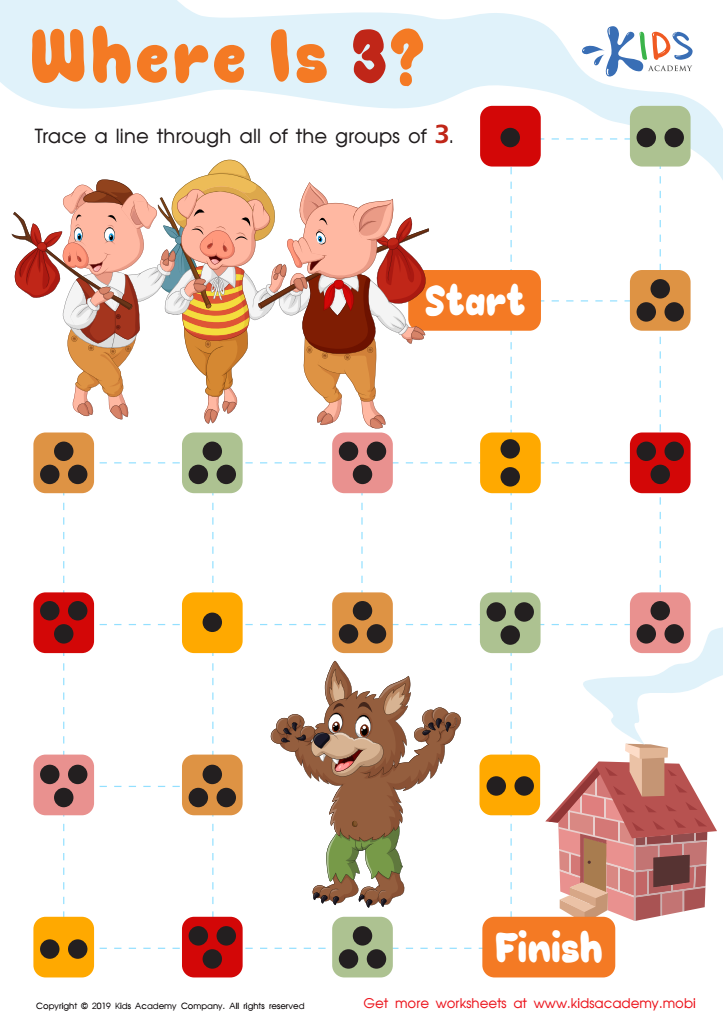
Where Is 3? Worksheet
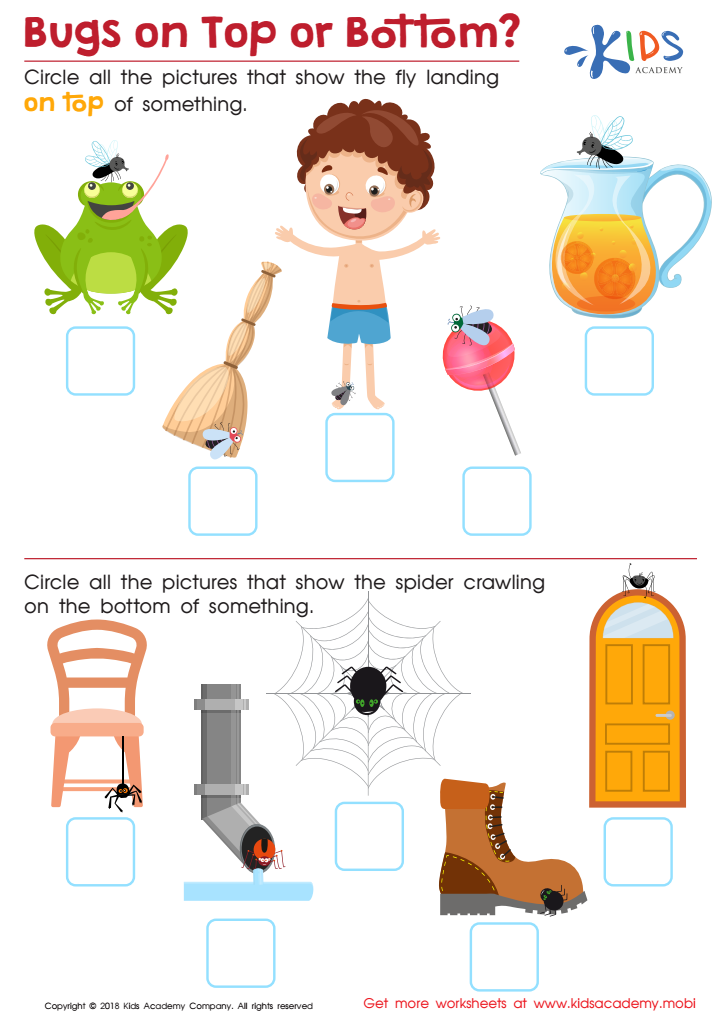
Bugs on Top or Bottom? Worksheet
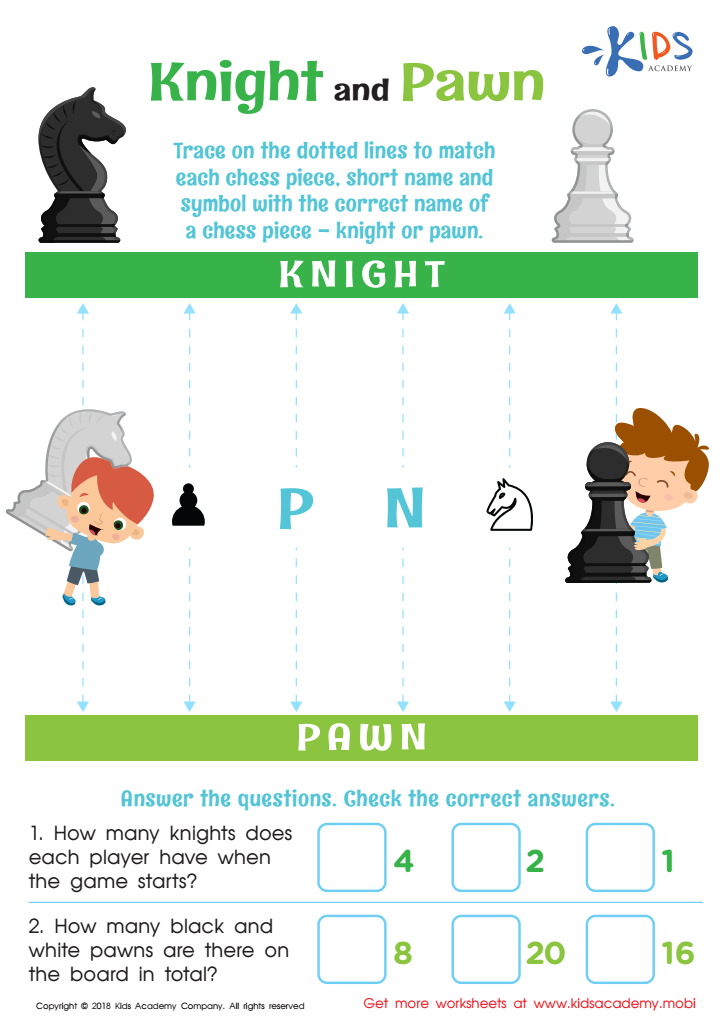
Knight and Pawn Worksheet


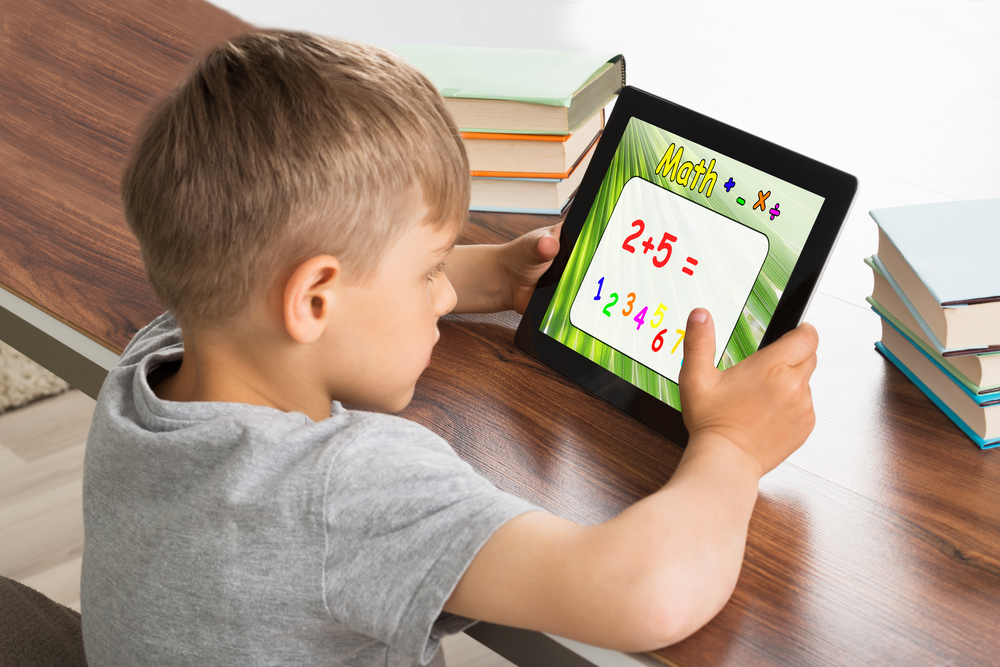





Understanding directions is a fundamental skill for kindergarten students and is crucial for several reasons. First, it promotes safety. Young children who can comprehend and follow directions are less likely to engage in risky behavior, as they can heed warnings such as "Stop," "Look both ways," or "Wait for an adult."
Second, it fosters independence and confidence. Kids who can follow instructions can independently complete tasks, such as putting away their toys or getting dressed, boosting their self-esteem and giving them a sense of responsibility.
Third, good direction-following skills support academic success. Many kindergarten activities, from counting blocks to crafting, require children to understand and execute multi-step directions. This ability translates into better focus and stronger listening skills, which are foundational for later learning.
Lastly, it develops social skills. Effective communication and the ability to follow rules are essential for interacting positively with peers. Recognizing and obeying social cues can reduce conflicts and help children develop friendships more easily.
In sum, understanding directions equips kindergartners with the skills needed for safety, independence, academic achievement, and social interaction. Teachers and parents should prioritize this competence to lay a strong foundation for future development and success.