Problem-Solving Skills Normal Kindergarten Math Worksheets - Page 2
27 filtered results
-
From - To
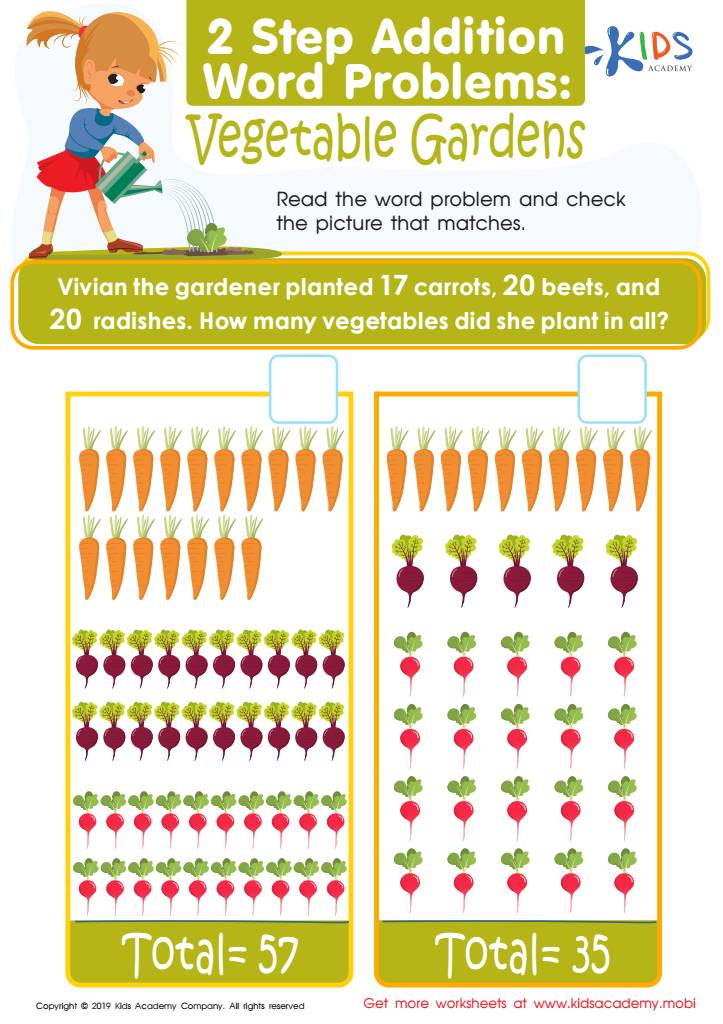
Vegetable Gardens Worksheet
 Assign to My Students
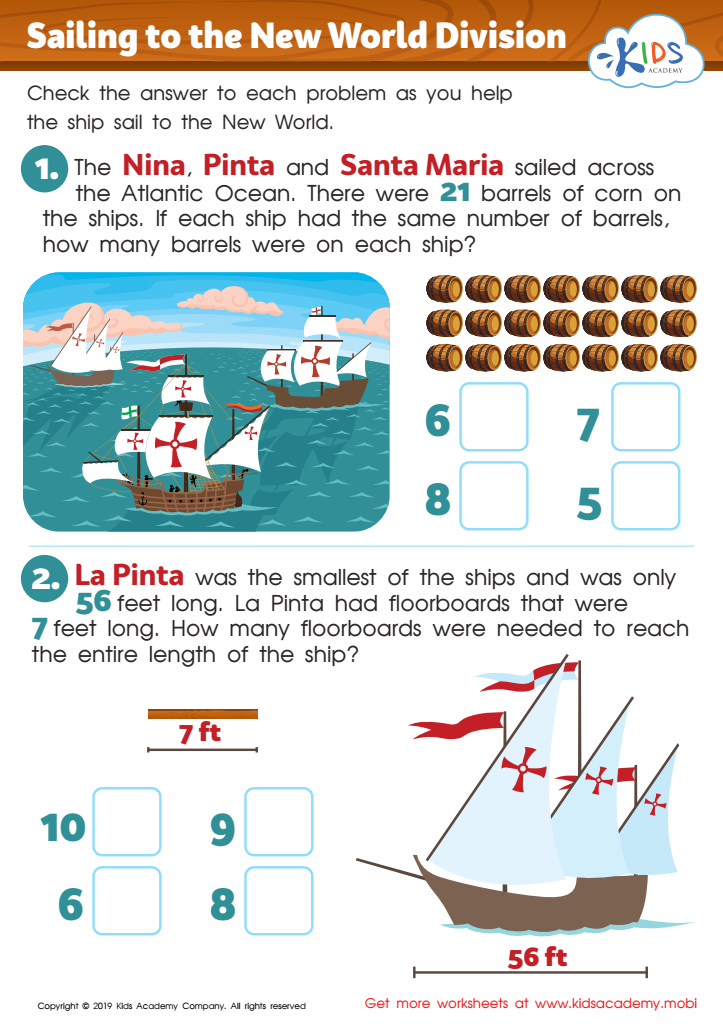
Sailing to the New World Division Worksheet
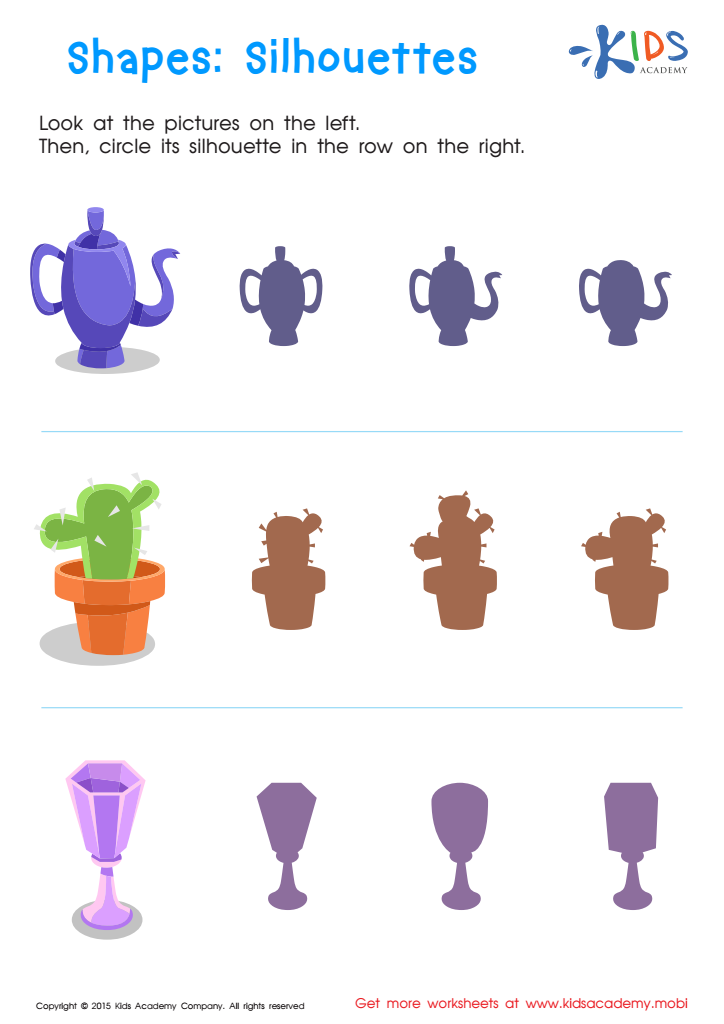
Silhouettes – Shapes Worksheet








Parents and teachers should prioritize problem-solving skills in normal kindergarten math because these skills are foundational for children's cognitive development and their future academic success. Engaging in problem-solving helps young learners develop critical thinking abilities, enabling them to approach challenges with confidence and creativity. It encourages them to analyze situations, identify potential solutions, and make informed decisions.
Incorporating problem-solving into kindergarten math promotes analytical skills essential for everyday life. As children learn to break down and simplify complex tasks, they become more adept at handling situations both in and out of the classroom. Problem-solving fosters persistence and resilience, as children often encounter difficulties that require them to try multiple strategies before arriving at a solution.
Moreover, mathematics is not just about memorizing numbers and operations; it's about understanding concepts and relationships. When children engage in problem-solving, they grasp mathematical ideas more deeply, laying a strong groundwork for later math learning. Additionally, these skills encourage collaboration and communication, as students often work together to solve problems, enhancing their social and emotional development. Ultimately, focusing on problem-solving in kindergarten math equips children with essential life skills, preparing them for a successful educational journey and beyond.








