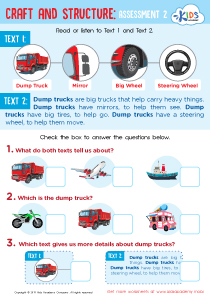
Story sequencing Normal Kindergarten Reading Worksheets
5 filtered results
-
From - To
Enhance your child's reading and comprehension skills with our Story Sequencing Normal Kindergarten Reading Worksheets! Perfectly designed for young learners, these engaging activities encourage kids to arrange events from familiar stories in order, fostering critical thinking and narrative skills. Our worksheets feature colorful illustrations and age-appropriate texts that make learning enjoyable and effective. With a focus on building vocabulary and understanding story structure, these resources are an excellent way to support your child's literacy journey. Download and print these interactive worksheets today to help your little ones develop a love for reading while honing their sequencing abilities! Ideal for home and classroom use.
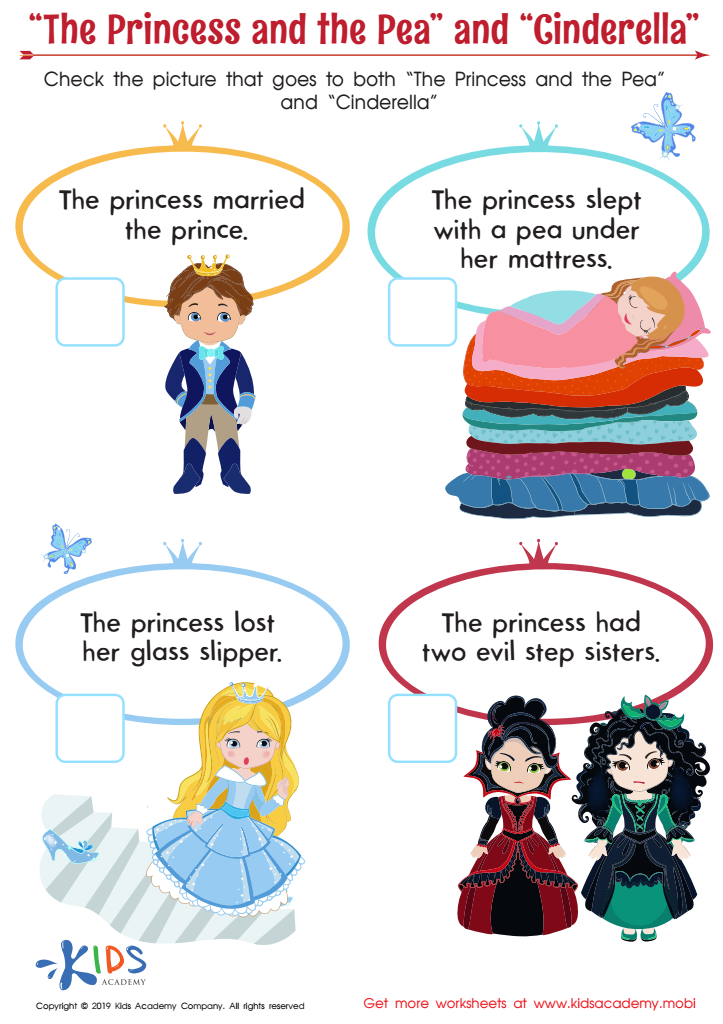
“The Princess and the Pea” and “Cinderella” Worksheet
 Assign to My Students
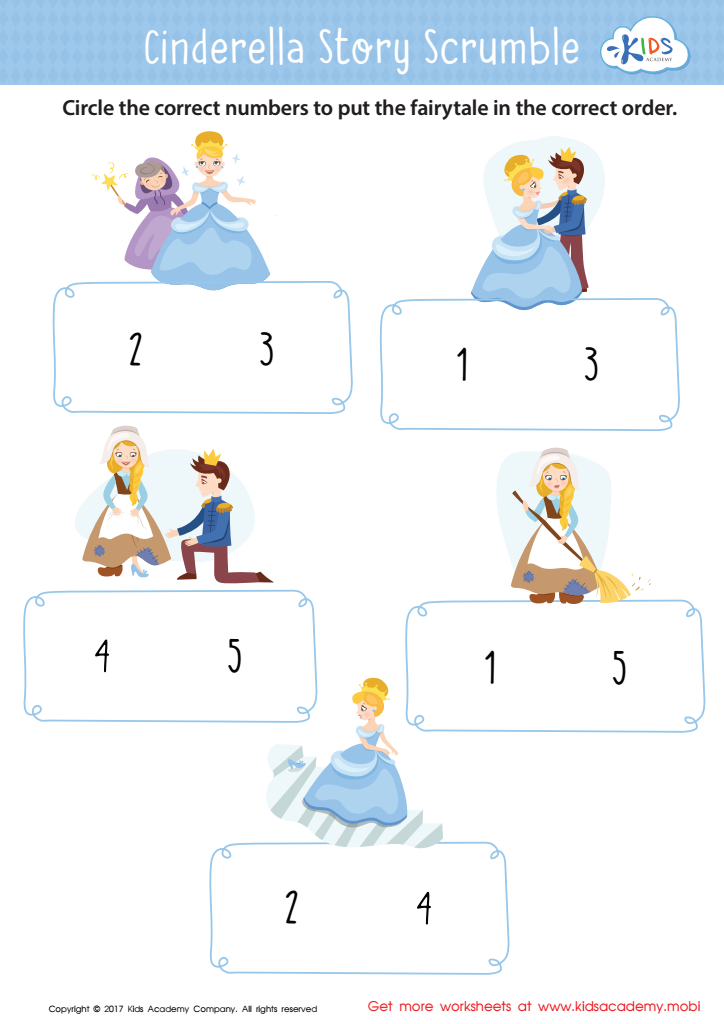
Cinderella Story Sequencing Worksheet
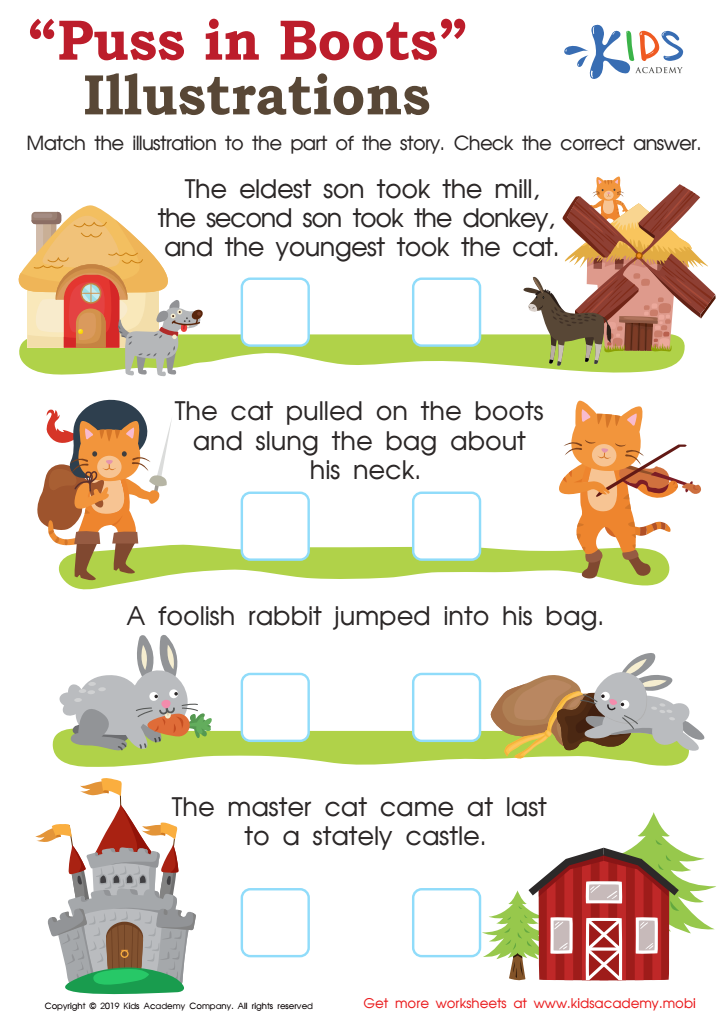
Puss in Boots Illustrations Worksheet
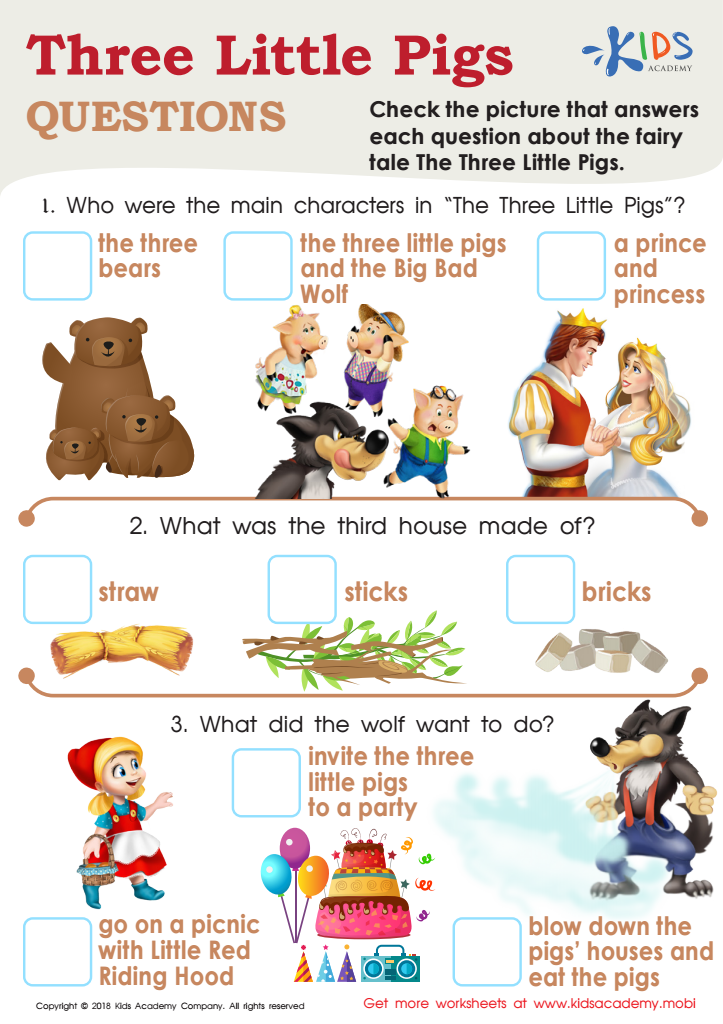
Three Little Pigs Questions Worksheet
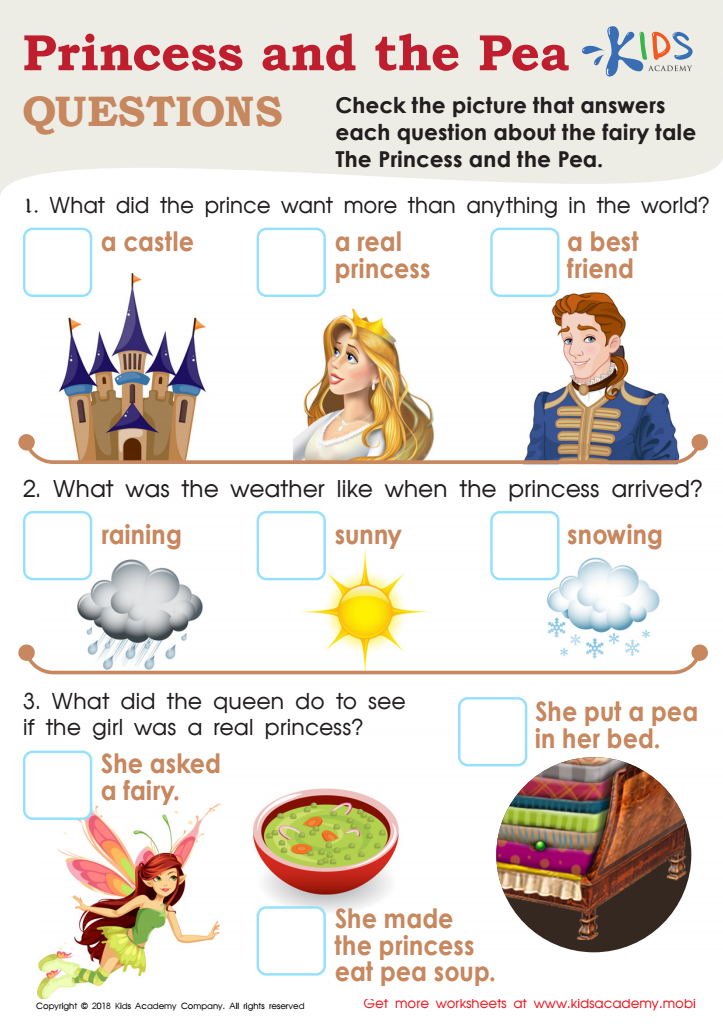
Princess and the Pea Questions Worksheet


.jpg)




Story sequencing is a vital skill for kindergarteners that lays the foundation for their reading and comprehension development. When parents and teachers prioritize story sequencing, they help young learners understand the structure of narratives—beginning, middle, and end. This skill is essential for several reasons.
First, it aids in comprehension. When children can sequence events, they grasp the overall plot and meaning of a story, improving their ability to retell what they’ve read or heard. This not only enhances their understanding but also builds confidence in their reading abilities.
Second, story sequencing develops critical thinking and problem-solving skills. Children learn to connect ideas and events logically, fostering cognitive development. By arranging events in order, they enhance their analytical skills, enabling them to make predictions about outcomes and understand cause-and-effect relationships.
Finally, sequencing fosters language development. As children practice expressing thoughts about what happens first, next, and last, they expand their vocabulary and sentence structure, enhancing their oral and written communication skills.
In summary, story sequencing enriches children’s reading experiences, boosts comprehension, and cultivates essential cognitive and communication skills, making it a crucial focus for parents and educators alike.