Cognitive Development Normal Kindergarten Animals Worksheets
3 filtered results
-
From - To
Enhance your child's cognitive development with our engaging Kindergarten Animals Worksheets! Designed for young learners, these worksheets provide fun and interactive activities that promote critical thinking and problem-solving skills. Explore various animal themes while developing key cognitive abilities such as memory, pattern recognition, and categorization. Each worksheet is tailored to foster curiosity and enhance understanding of the natural world. Perfect for classroom or at-home learning, these resources make learning enjoyable and stimulating. Help your child build a strong foundation in cognitive skills through delightful and educational animal-related activities. Download now to support your kindergartner’s learning journey!
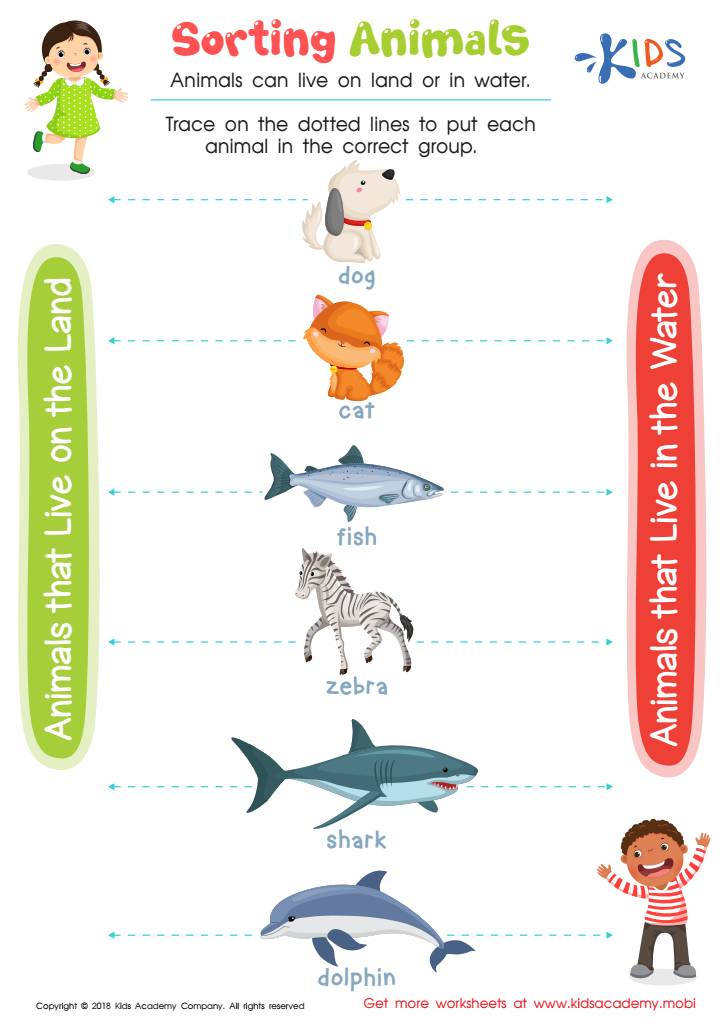
Sorting Animals Worksheet
 Assign to My Students
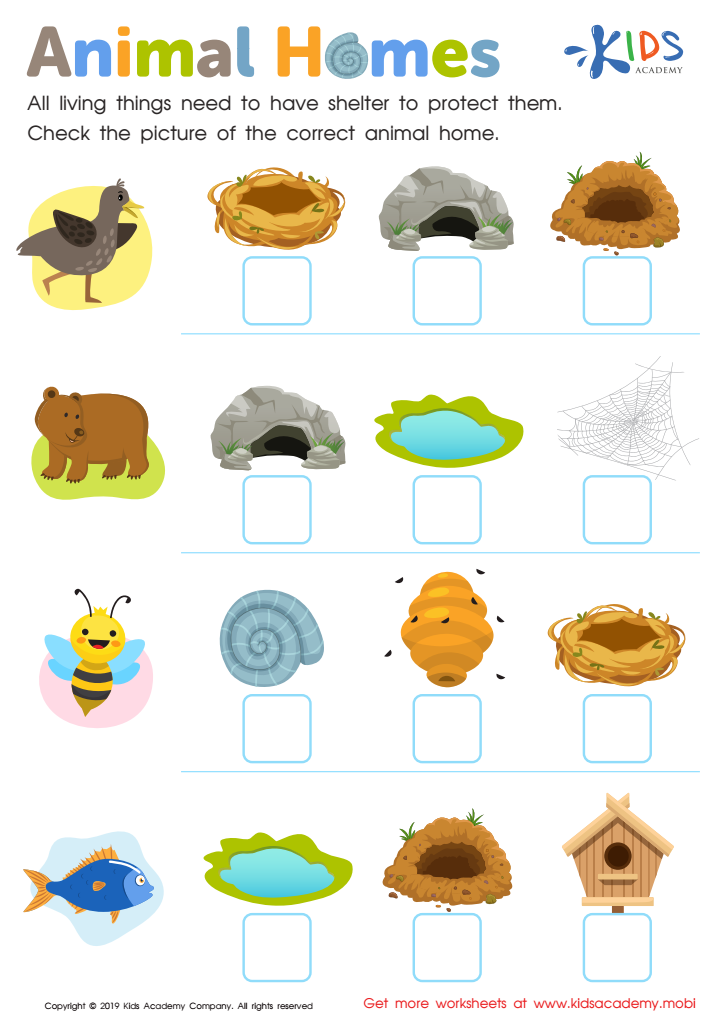
Animal Homes Worksheet
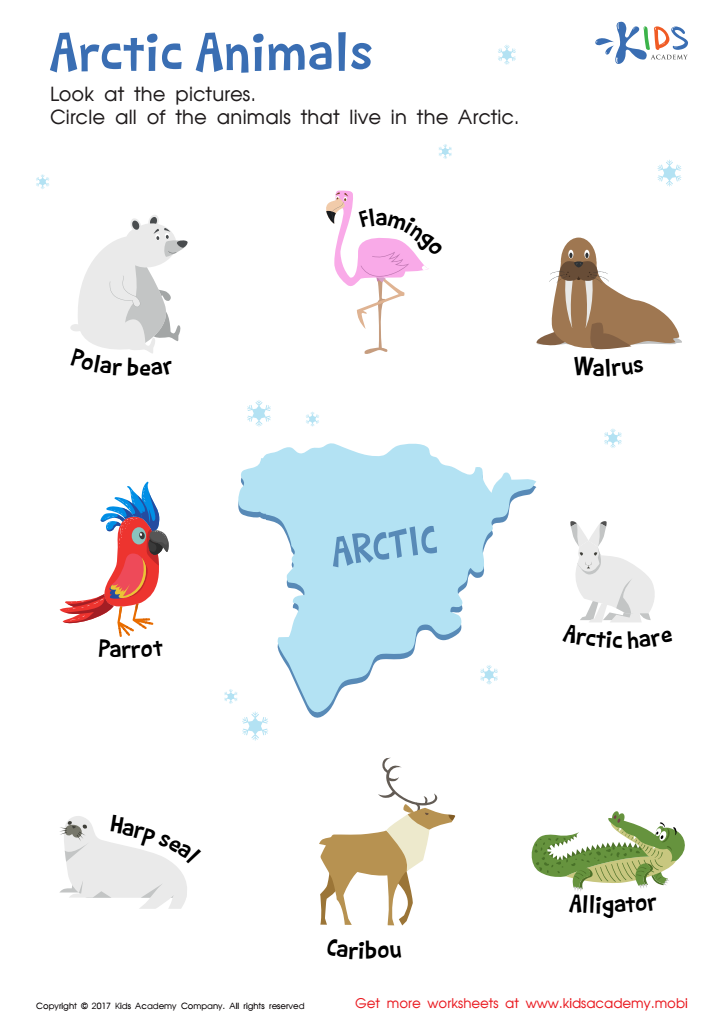
Arctic Animals Worksheet




%20(1).jpg)



Cognitive development in kindergarten-aged children is foundational for their future learning, and incorporating animals in this exploration can significantly enhance their growth. In the early years, children are naturally curious and eager to learn about the world around them, and animals offer a relatable and engaging subject matter. When children learn about animals, they not only develop essential cognitive skills, such as memory and problem-solving but also improve their language and communication skills through discussions and storytelling.
Understanding animals contributes to a child’s ability to categorize, compare, and think critically. For instance, by observing different species, children learn to identify similarities and differences, a key component of analytical thinking. Furthermore, this can foster empathy and emotional intelligence, as children learn to care for living beings and understand their needs.
Teachers and parents should prioritize activities involving animals—such as reading books, organizing field trips, or engaging in hands-on projects—because these experiences provide a robust platform for cognitive growth. This focus ultimately supports children in developing a love for learning, fosters their imaginative play, and prepares them for the complexities of later education and interpersonal interactions. Being invested in animals not only enriches cognitive development but also traditional classroom learning.