
Comparison Skills Normal Worksheets
5 filtered results
Difficulty Level
Grade
Age
-
From - To
Subject
Activity
Standards
Enhance your child's learning experience with our Comparison Skills Normal Worksheets! Designed for early grade students, these worksheets help children develop essential comparison and analytical skills. Through fun and engaging activities, kids will practice identifying similarities and differences between various objects and concepts. Our worksheets promote critical thinking, promote vocabulary development, and encourage interactive learning. Easy-to-use and adaptable for various learning environments, they are perfect for both classroom use and homeschooling. Foster curiosity and observational skills in your young learners while ensuring they grasp fundamental comparison concepts effectively. Download your free worksheets today and watch your child's confidence grow!
Favorites
With answer key
Interactive
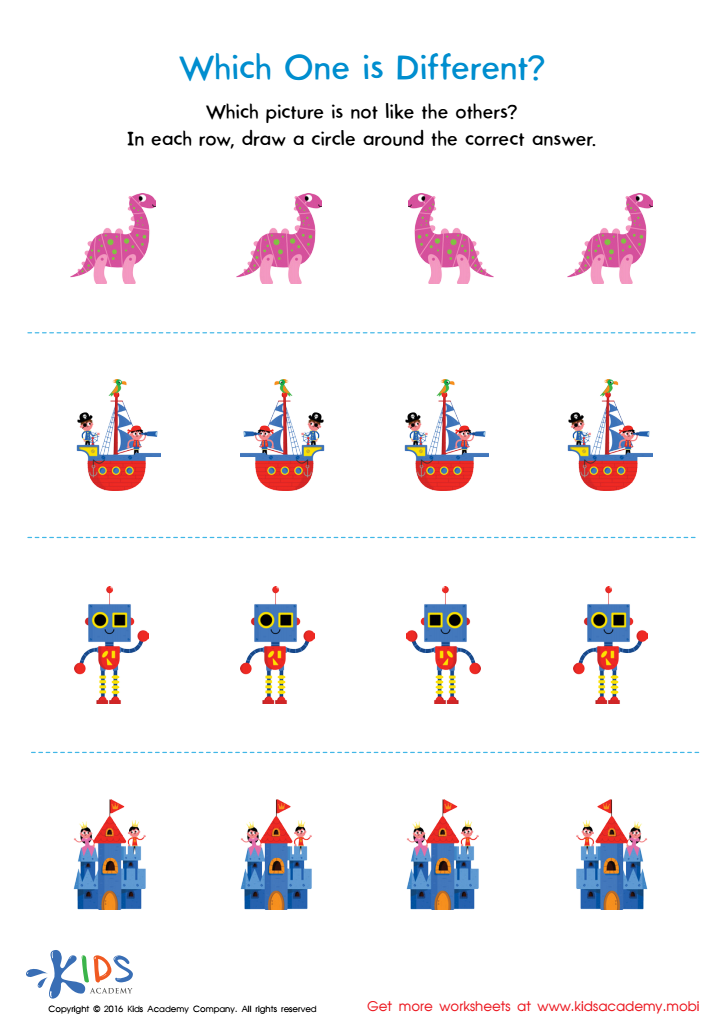
Which One Is Different Worksheet
Preschoolers can hone logical reasoning and critical analysis skills with this "Which one is Different?" worksheet. Kids must look closely and pick out unique attributes of objects and images. It's a skill that can serve them throughout their lifetime.
 Assign to My Students
Which One Is Different Worksheet
Worksheet
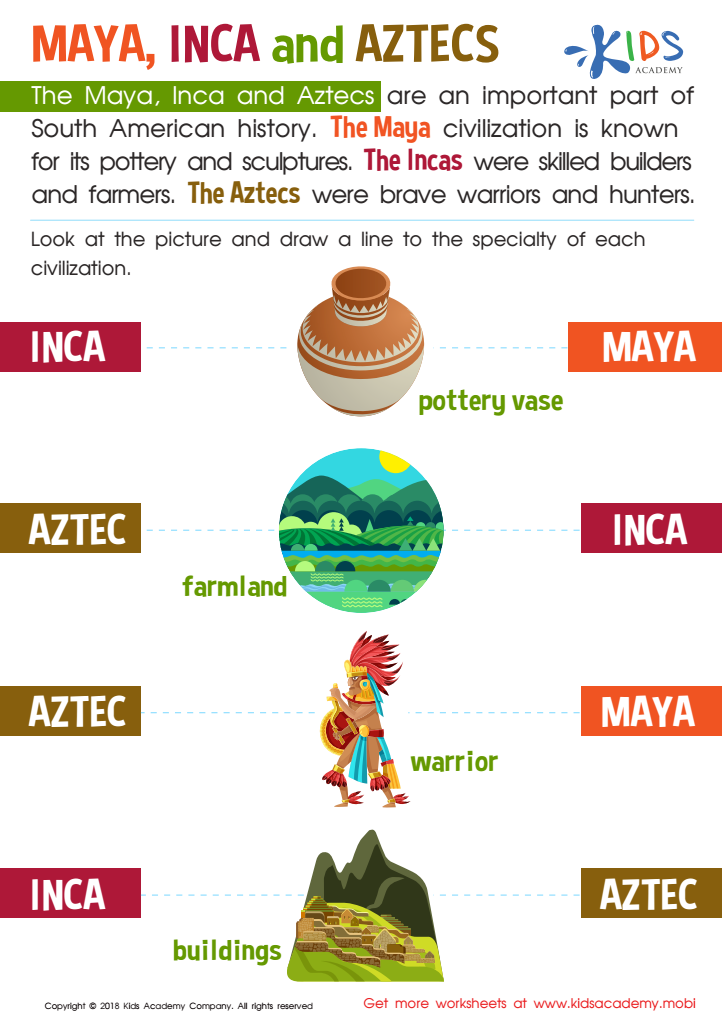
Maya, Inca and Aztecs Worksheet
This worksheet introduces your child to the thrilling histories of the Mayan, Incan and Aztec cultures, teaching them about their warriors, sculptors and farmers. With traceable lines and colorful imagery, they'll connect each culture with its correct associated picture - great for cementing concepts!
Maya, Inca and Aztecs Worksheet
Worksheet
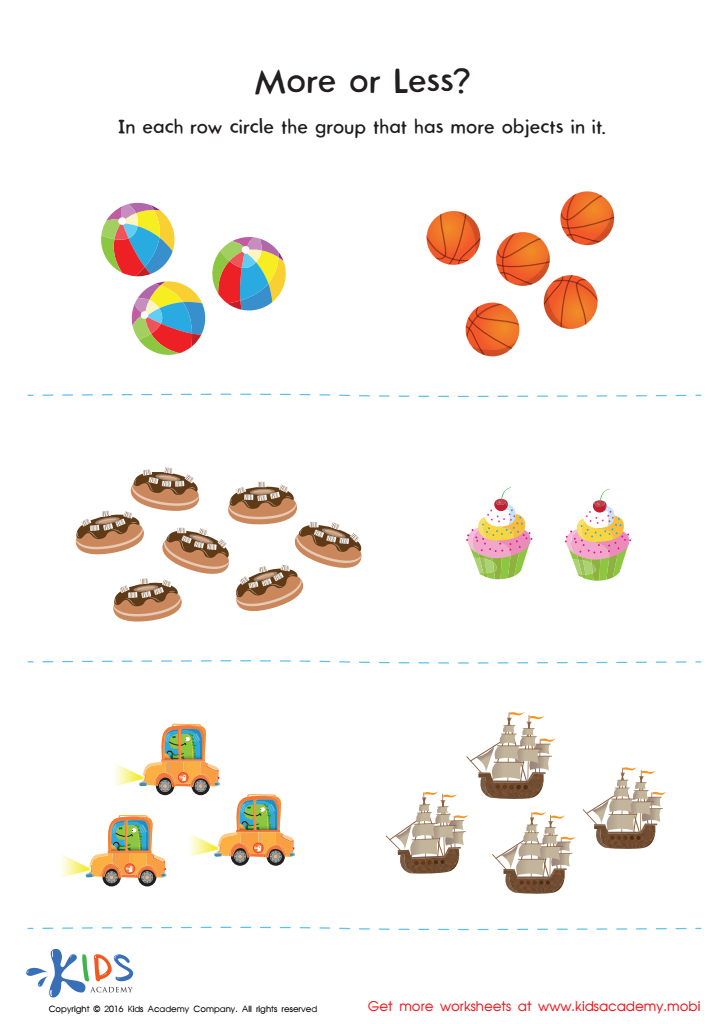
More or Less Size Worksheet
Worksheet
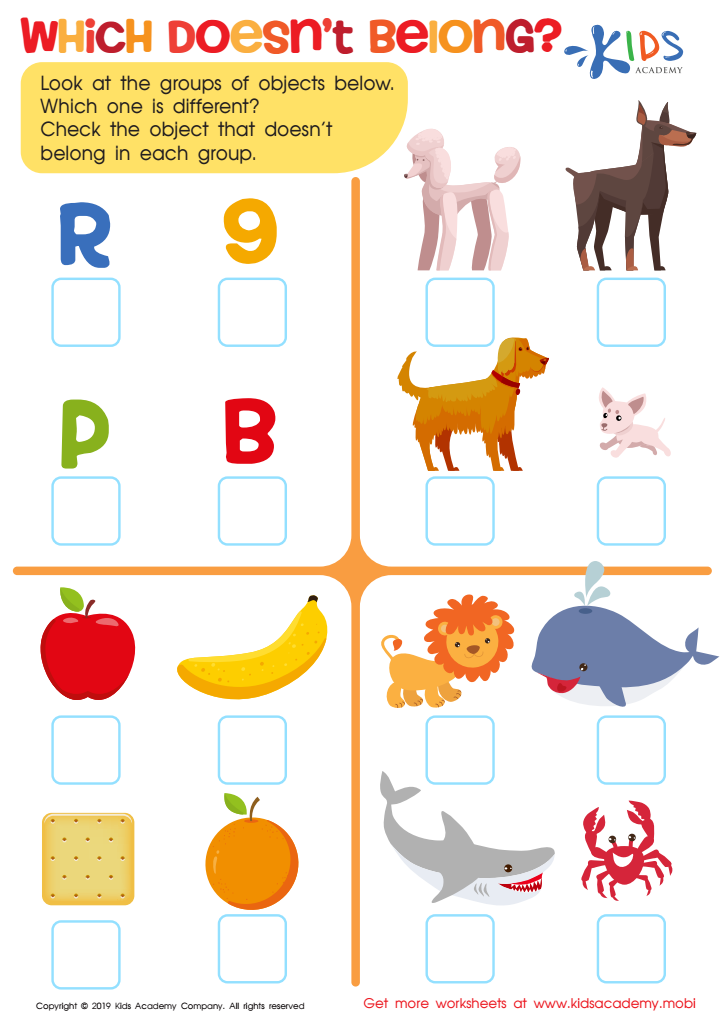
Which Doesn't Belong? Worksheet
This engaging worksheet helps preschoolers recognize similar and different attributes of common words, using brightly-colored pictures. They analyze the items in each category and check off what is different. For extra practice, have them explain their reasoning verbally! Sorting and classifying are important skills to learn.
Which Doesn't Belong? Worksheet
Worksheet
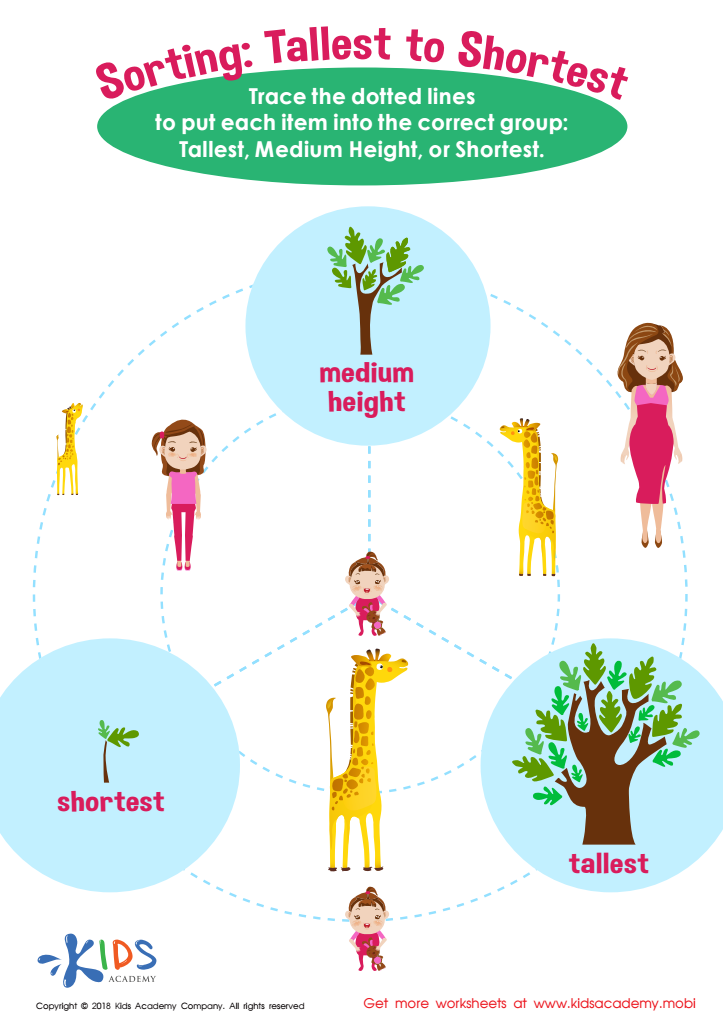
Sorting: Tallest to Shortest Worksheet
This worksheet is great for preschoolers to practice foundational measurement skills. Traceable lines help them sort pictures into Tallest, Shortest and Medium categories, giving them concrete examples to compare. Fine motor skills and understanding of relationships between sizes are also developed - perfect for preparing them for larger measurement concepts.
Sorting: Tallest to Shortest Worksheet
Worksheet
Join Kids Academy for Free
Who is primarily going to use this learning content?







Comparison skills are essential for young learners as they form the foundation for critical thinking and problem-solving abilities. For parents and teachers, fostering these skills is particularly important for several reasons.
Firstly, comparison skills help children understand relationships between different concepts, items, or ideas. For instance, comparing shapes, sizes, and colors enhances their ability to categorize and make sense of the world around them. This foundational understanding is crucial as it lays the groundwork for more advanced concepts in mathematics and science later on.
Moreover, employing comparison skills encourages children to make informed decisions. When they learn to weigh pros and cons or assess different viewpoints, they develop a more nuanced understanding of situations, helping them navigate everyday choices more effectively.
Additionally, honing comparison skills contributes to improved communication prowess. Children who articulate reasons for their comparisons can express their thoughts more clearly, fostering effective dialogue and collaboration with peers.
Finally, in a world constantly bombarded with information, having strong comparison skills equips children to discern valid information from misleading content, enhancing their overall media literacy. By prioritizing comparison skills, parents and teachers empower children to become confident, analytical, and informed individuals.








