Data interpretation Normal Worksheets
5 filtered results
-
From - To
Welcome to our Data Interpretation Normal Worksheets page! Here, young learners will discover engaging activities designed to build essential data interpretation skills. Our printable worksheets are tailored for early grades, focusing on key concepts like reading charts, interpreting graphs, and analyzing information. These friendly and colorful exercises make it easy for students to understand data representation while developing critical thinking skills. Parents and teachers can find a variety of worksheets suited to different learning levels, ensuring a well-rounded educational experience. Jumpstart your child's journey into data interpretation and watch their confidence grow as they tackle each worksheet with enthusiasm!
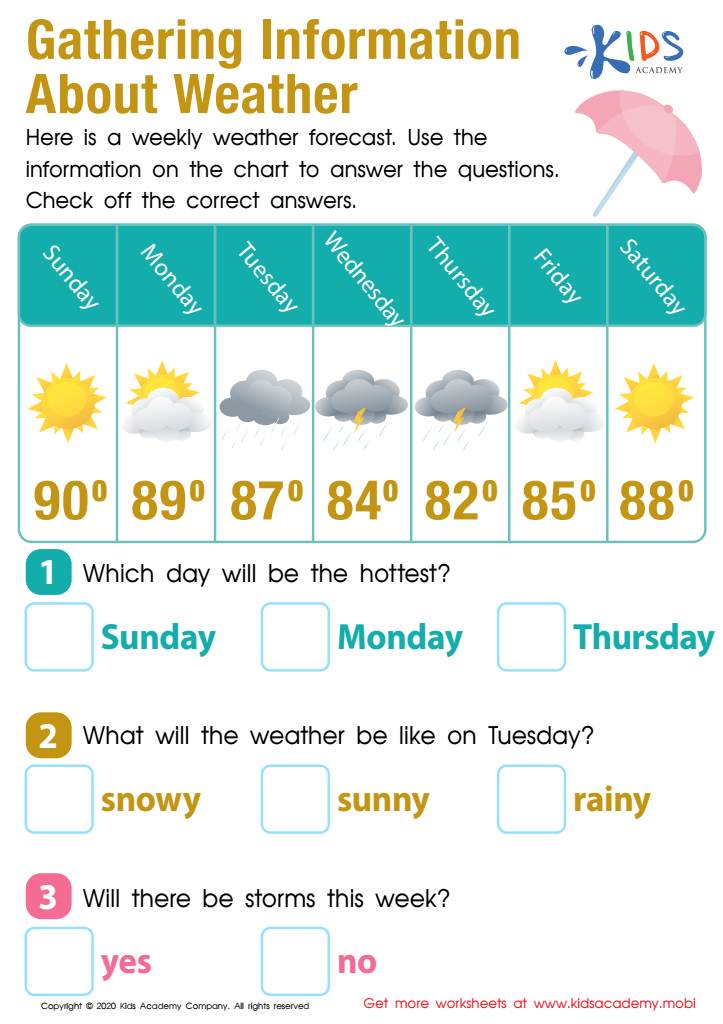
Gathering Information About the Weather Worksheet
 Assign to My Students
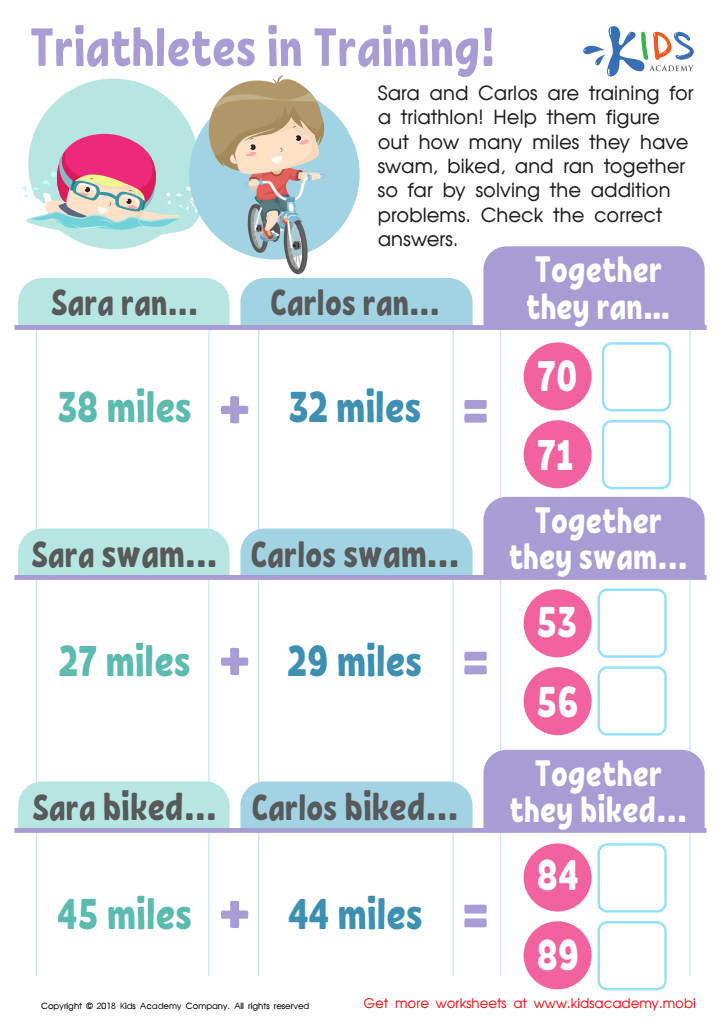
Triathletes in Training Worksheet
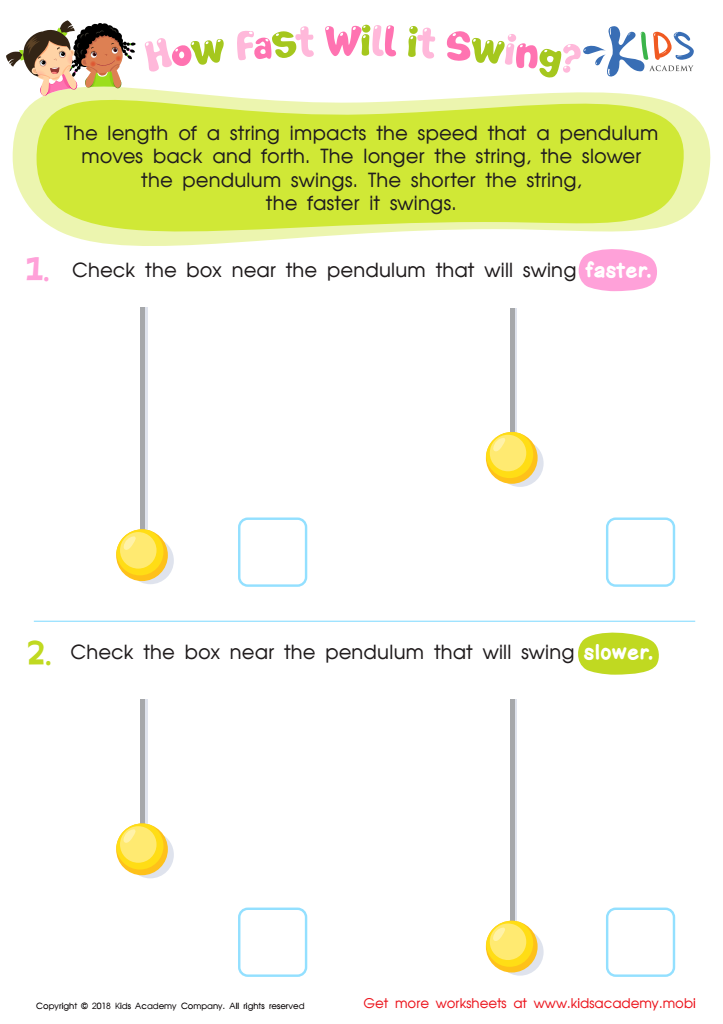
Pendulum Experiment Worksheet For 3rd Grade
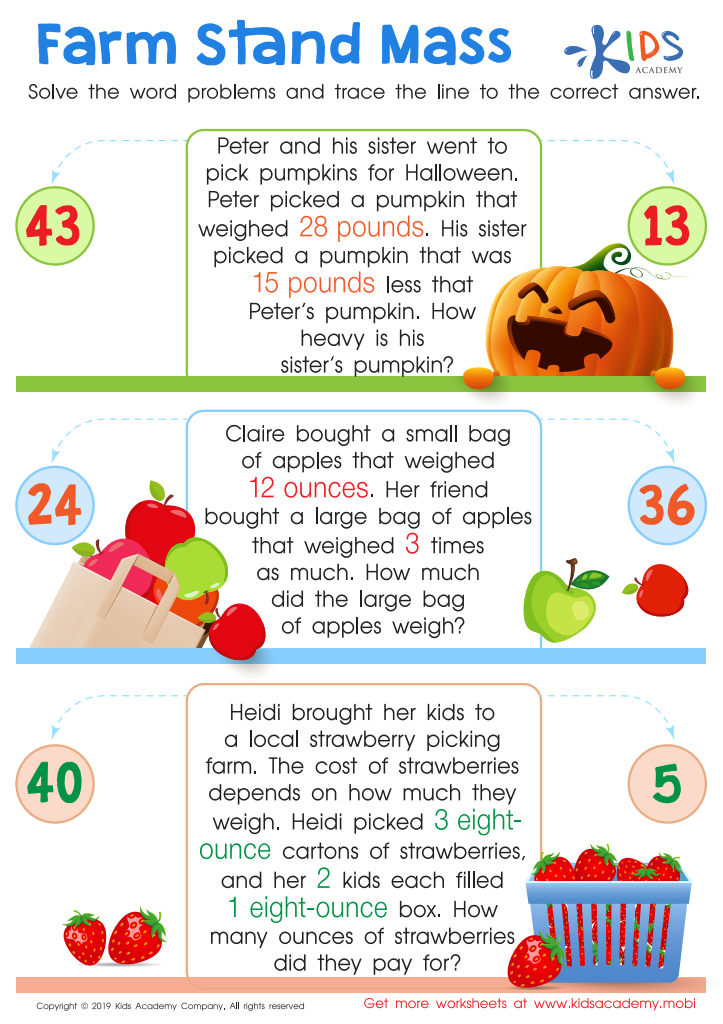
Farm Stand Mass Worksheet
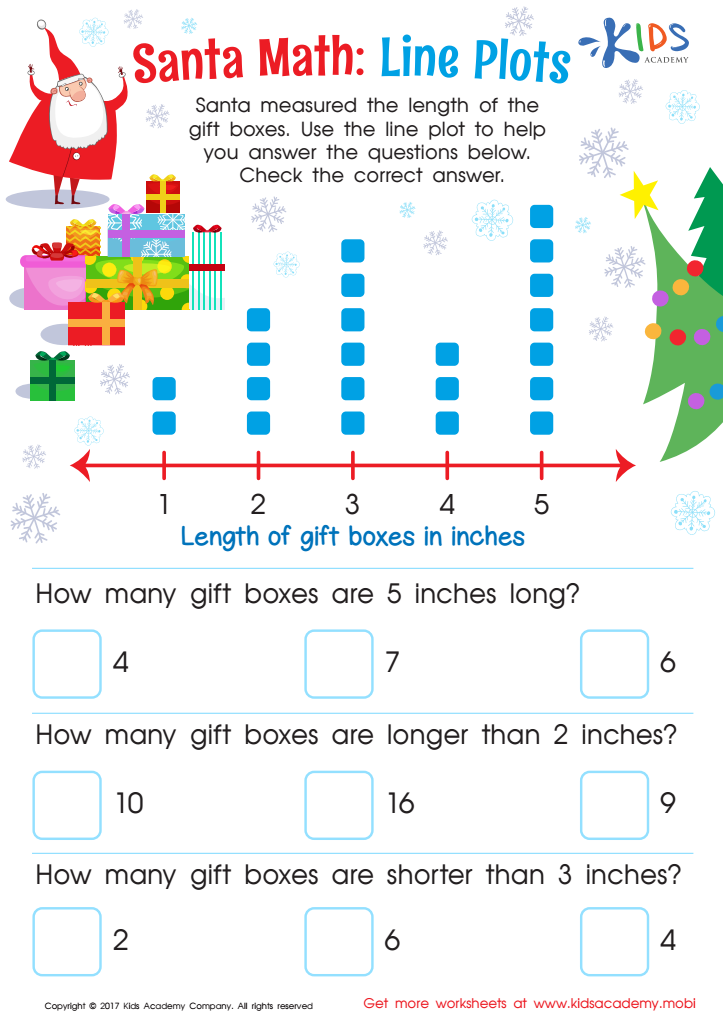
Line Plot Worksheet







Data interpretation is a crucial skill for both parents and teachers, as it enables them to understand and make informed decisions based on information. In the educational context, data interpretation normalizes the use of assessment scores, behavioral trends, and learning outcomes, helping educators and caregivers to gauge a child's progress objectively. This understanding fosters a growth mindset, emphasizing improvement over merely meeting standards.
For parents, interpreting data from student performance, attendance, and engagement can inform them about their child's strengths and weaknesses. It equips them to support their child in the learning process by identifying areas that require additional focus, whether through tutoring, reading at home, or communication with teachers.
Teachers, on the other hand, rely on data interpretation to tailor their instruction to meet the diverse needs of their students. By analyzing assessment data, they can adjust curricula, implement targeted interventions, and track student growth over time.
Ultimately, embracing data interpretation ensures that parents and teachers work collaboratively to nurture every child's unique potential, driving positive educational outcomes and developing critical lifelong skills in analytical thinking and problem-solving. This shared responsibility creates a supportive learning environment, benefitting students, families, and the community as a whole.








