Developing analytical thinking Normal Worksheets
5 filtered results
-
From - To
Discover our "Developing Analytical Thinking Normal Worksheets" designed to enhance critical reasoning and problem-solving skills in young learners. Tailored for early grades, these engaging worksheets offer a variety of activities that promote logical reasoning and analytical abilities. Students will enjoy puzzles, pattern recognition, and comparison tasks that challenge their thinking and support cognitive development. Ideal for classroom use or home learning, our worksheets provide comprehensive support for parents and teachers aiming to cultivate independent thinkers. Empower your child’s learning journey with fun, interactive exercises that lay the foundation for lifelong analytical skills. Explore our collection today!
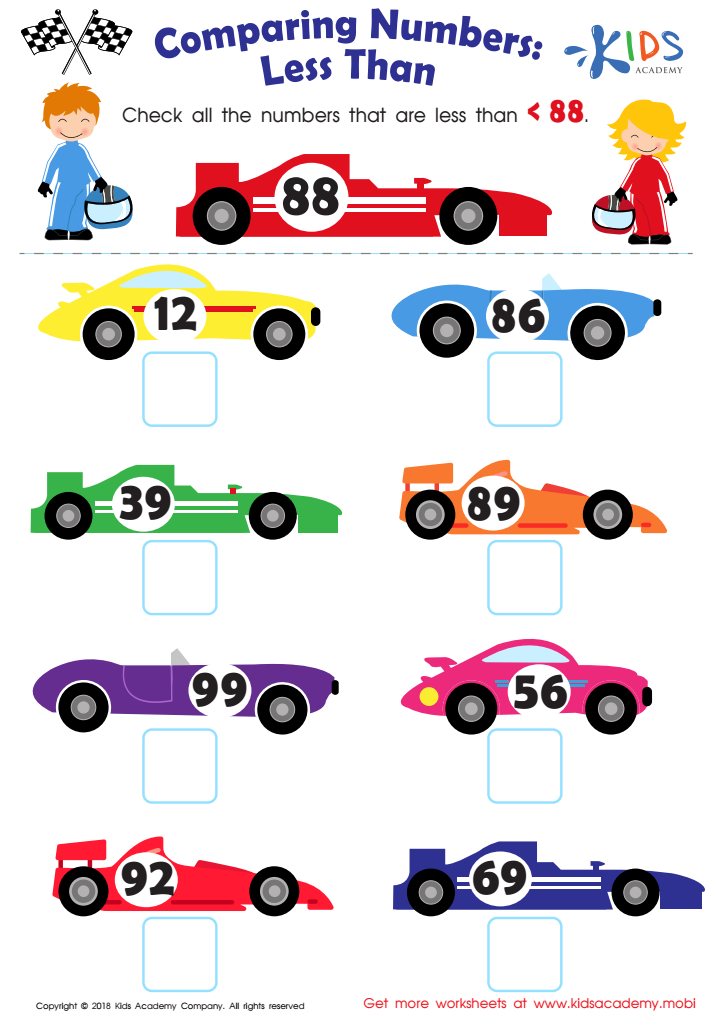
Less Than Worksheet
 Assign to My Students
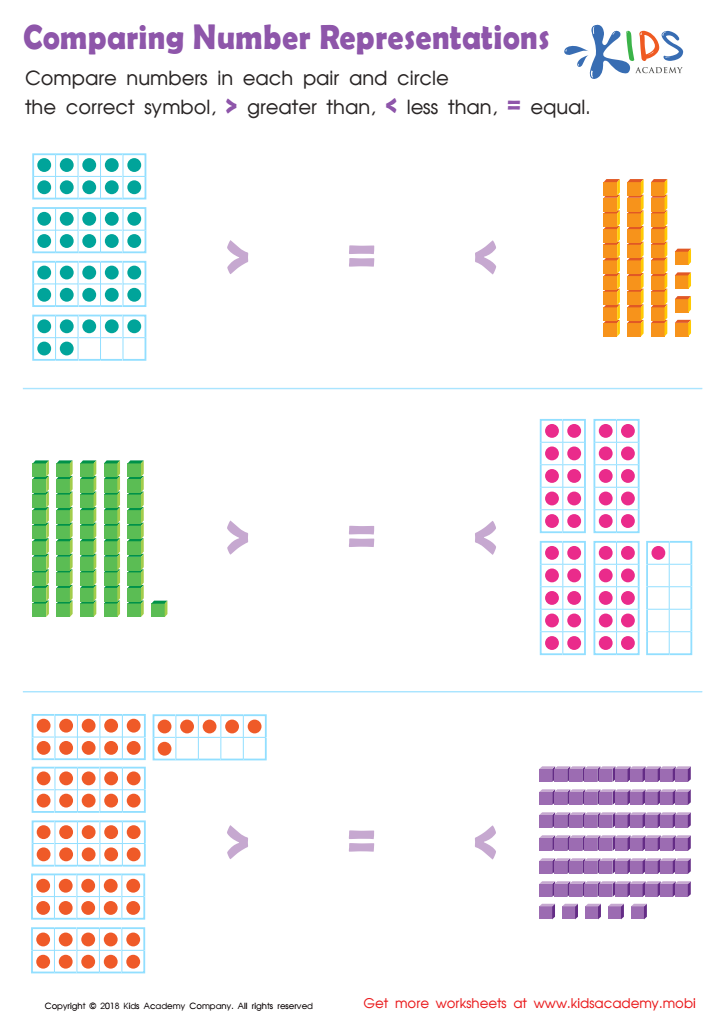
Comparing Number Representations Worksheet
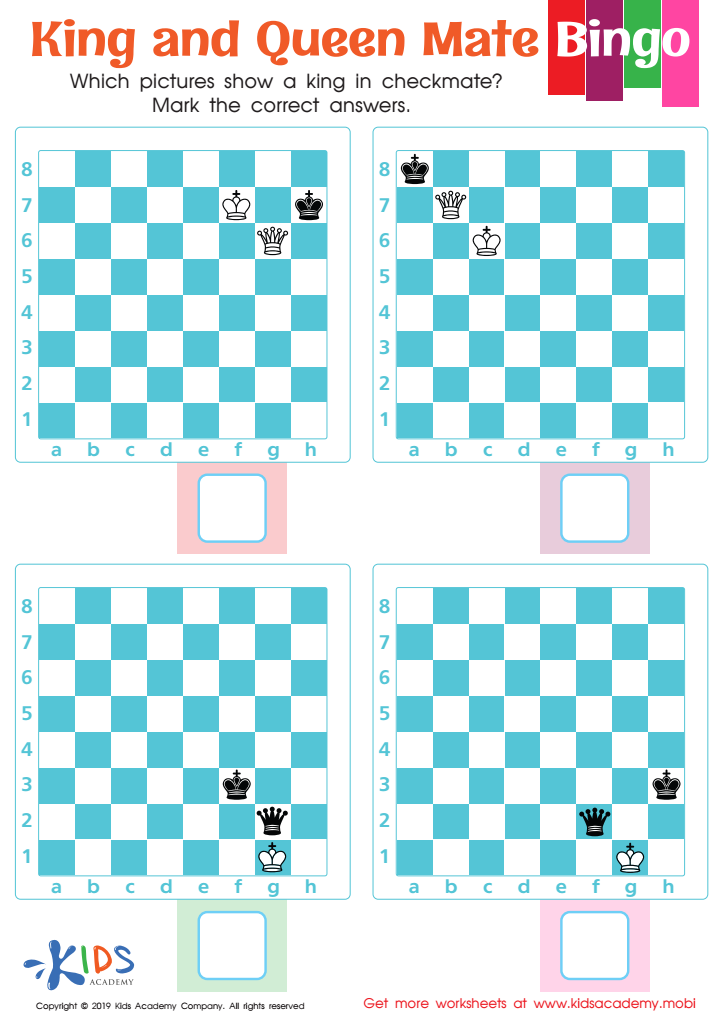
King and Queen Mate: Bingo Worksheet
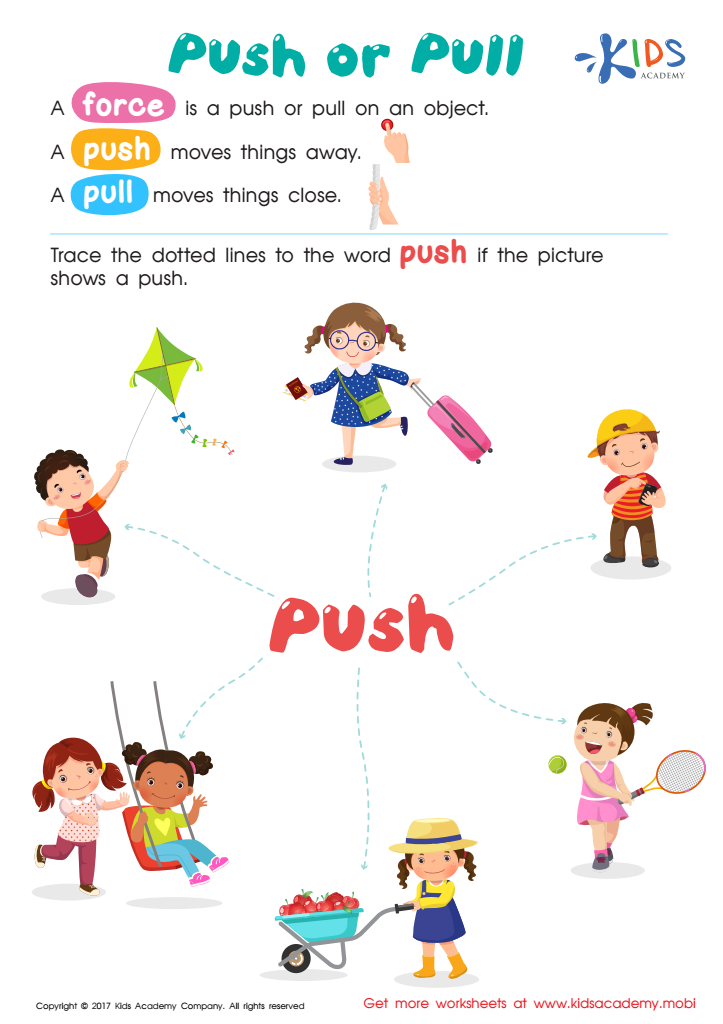
Push or Pull Worksheet
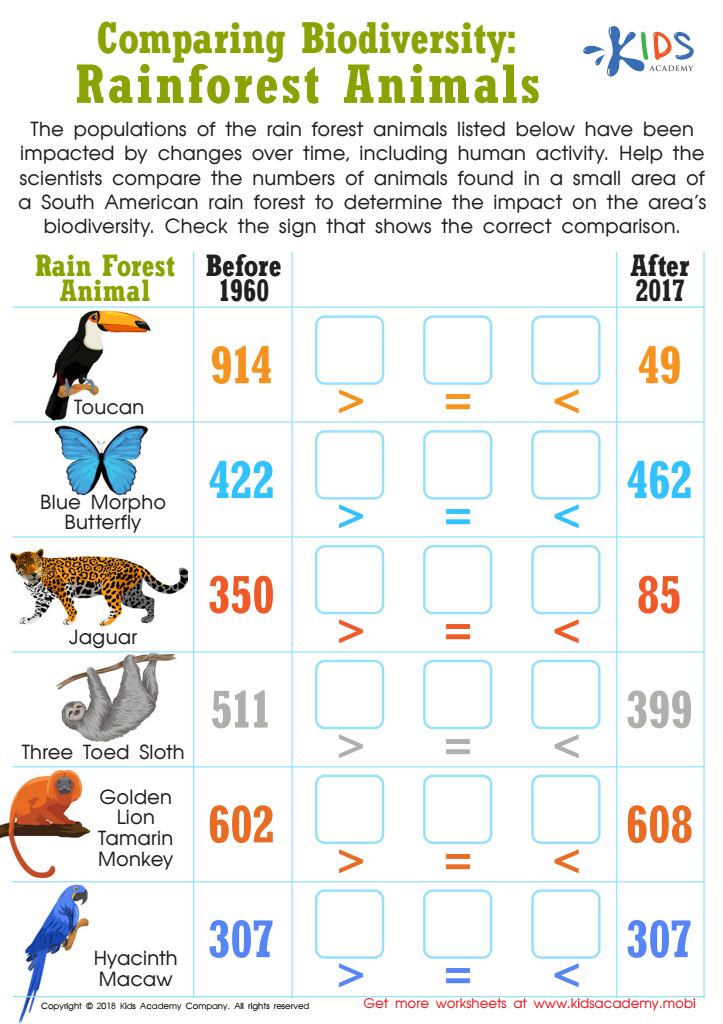
Comparing Biodiversity: Rainforest Animals Worksheet








Developing analytical thinking in children is crucial for their overall cognitive development and success in both academic and everyday life. Analytical thinking enables students to break down complex problems, assess information critically, and make informed decisions—skills essential for navigating a rapidly changing world.
Parents and teachers play a vital role in fostering these skills. For teachers, promoting analytical thinking encourages deeper understanding and engagement in the classroom, leading to improved academic performance. By incorporating activities like problem-solving exercises, discussions, and projects, educators can create an environment that nurtures intellectual curiosity and critical analysis.
For parents, supporting analytical thinking at home builds a strong foundation for their children's future. Encouraging questions, discussions about daily experiences, and engaging in games that require strategy fosters a mindset that values inquiry and reasoning. When parents show interest in analytical discussions, they model the importance of critical thinking skills.
Furthermore, analytical thinking contributes to emotional intelligence and social skills. Children learn to evaluate situations, consider different perspectives, and address challenges logically, thereby enhancing their relational skills and resilience. Ultimately, cultivating analytical thinking in children positions them for success in both personal and professional realms, making it a priority for both educators and parents.








