Developing logical thinking Normal Worksheets
4 filtered results
-
From - To
Unlock your child's potential with our "Developing Logical Thinking Normal Worksheets!" Designed for young learners, these engaging resources aim to sharpen critical thinking and problem-solving skills. Through fun and interactive activities, kids will enhance their ability to reason, make connections, and develop logical strategies. Our worksheets provide a variety of challenges, from pattern recognition to sequencing, ensuring a comprehensive approach to cognitive development. Perfect for classroom use or at-home learning, these tools foster a growth mindset while making learning an enjoyable experience. Equip your child with the essential skills they need for lifelong success by exploring our collection today!
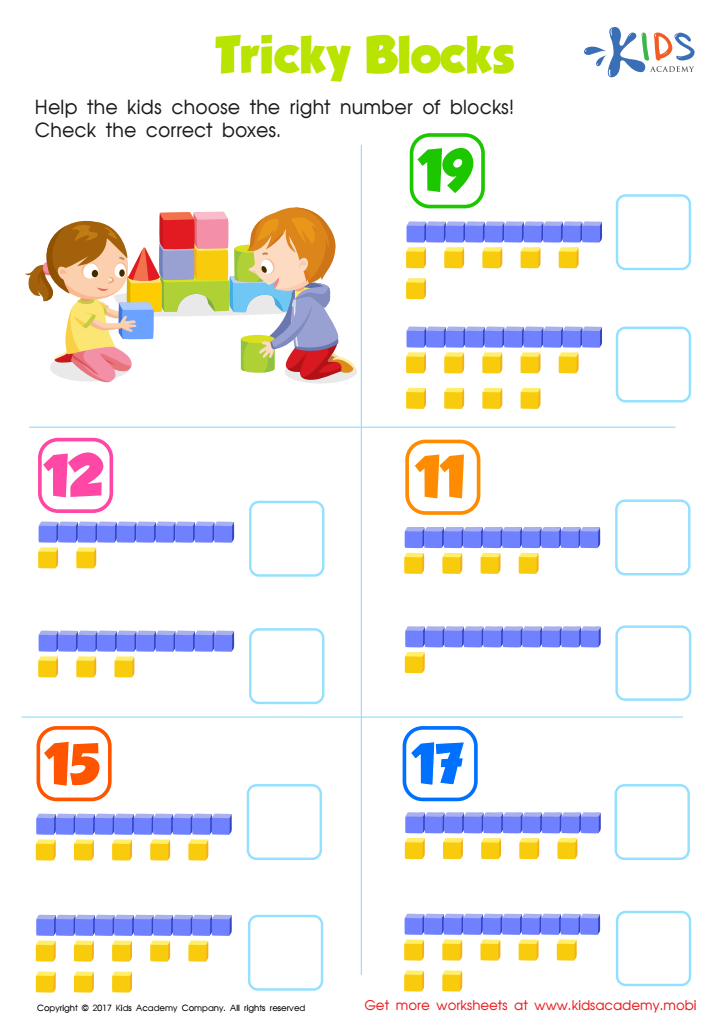
Tricky Blocks Worksheet
 Assign to My Students
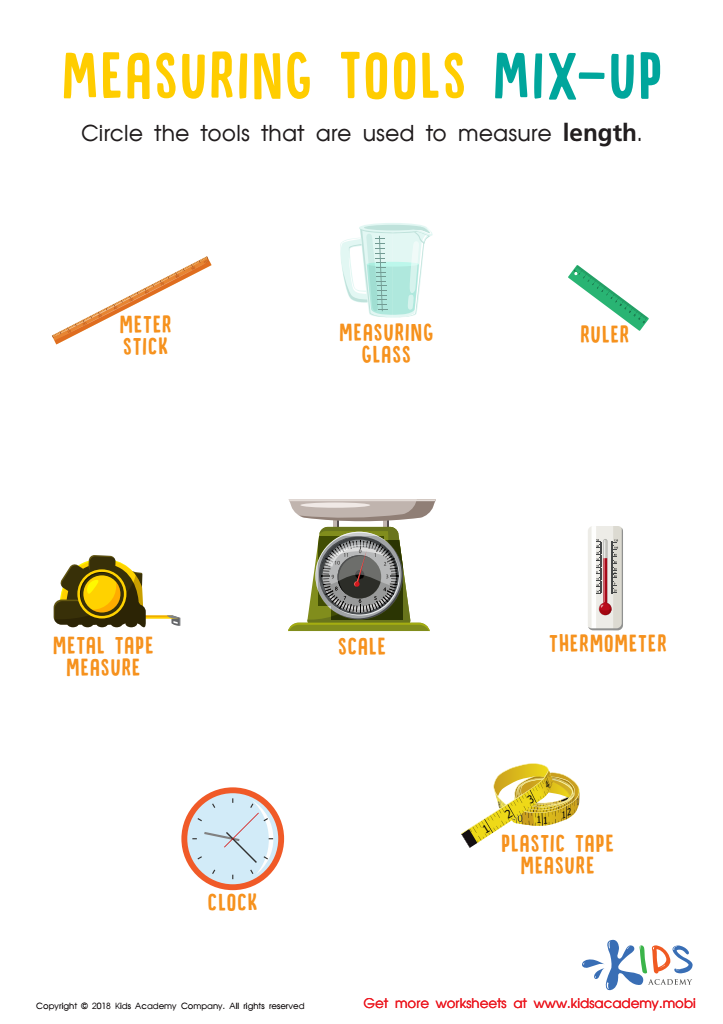
Measuring Tools Mix–up Worksheet
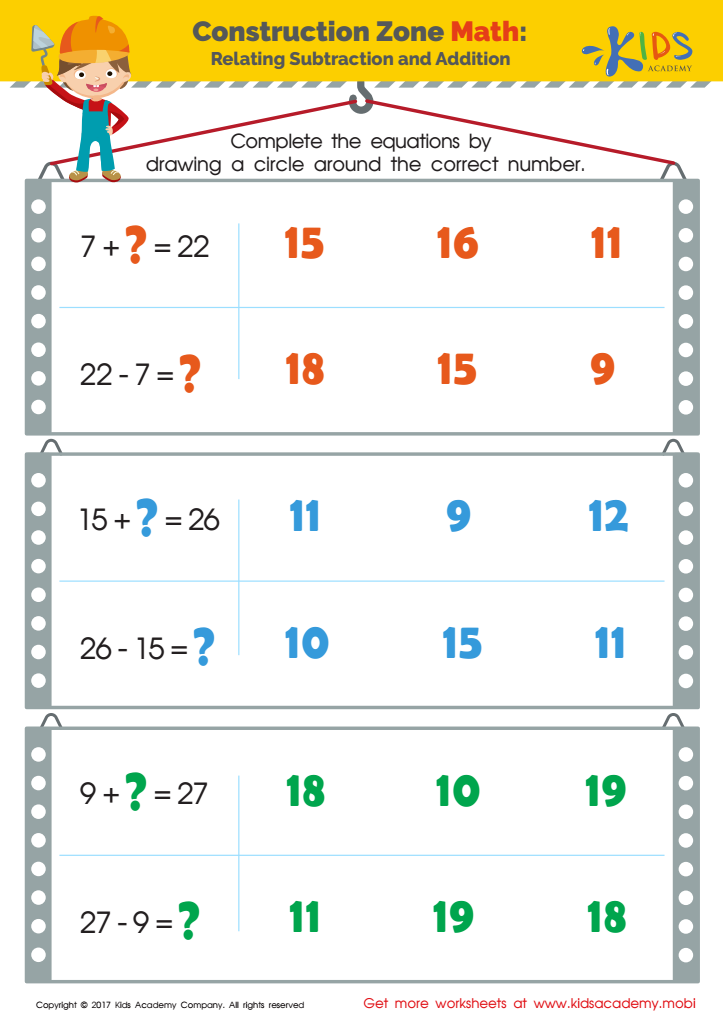
Related Addition and Subtraction Facts Worksheet
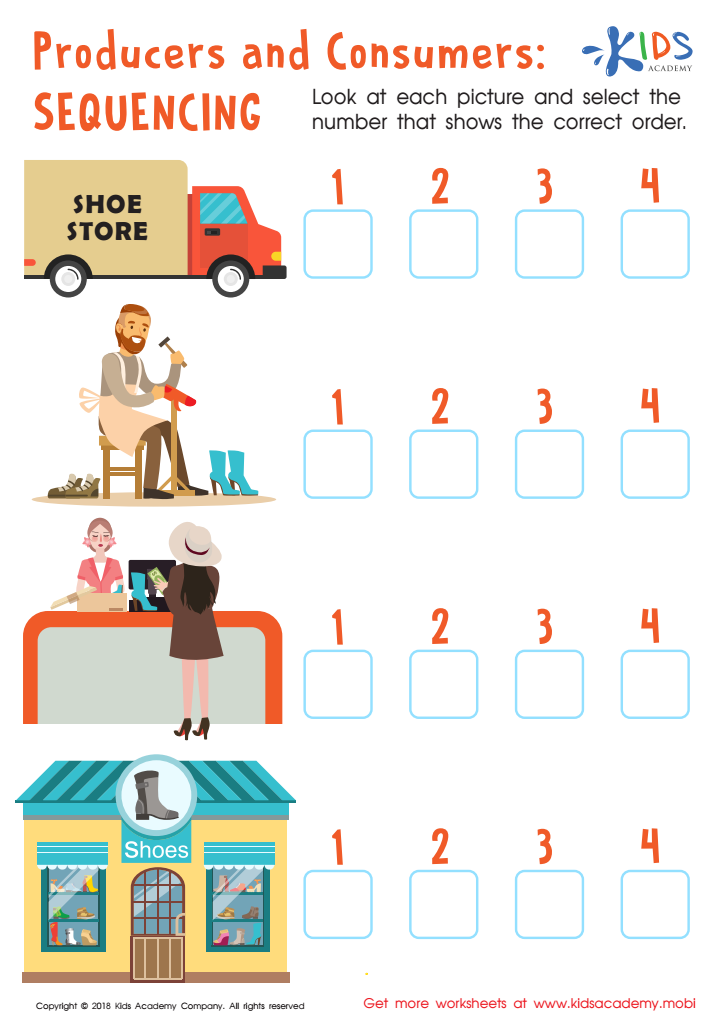
Producers and Consumers: Sequencing Worksheet








Developing logical thinking in early childhood is crucial for laying a strong foundation for future learning and everyday problem-solving. Logical thinking helps children understand how to analyze situations, make connections between ideas, and deduce solutions systematically. When kids learn to think logically, they become better at reasoning, which is essential not just in academics—particularly subjects like math and science—but also in understanding stories, following instructions, and navigating social interactions.
For teachers, fostering logical thinking in the classroom helps cultivate more effective and independent learners. Students who can draw connections and reason logically are more likely to grasp complex concepts, ask insightful questions, and approach problems with persistence.
For parents, developing these skills at home leads to long-term benefits. Children equipped with logical thinking are better at making decisions that affect their safety and wellbeing, from understanding the consequences of their actions to strategizing in games and managing their emotions.
In both settings, emphasizing logical thinking supports overall cognitive development. Activities like puzzles, strategy games, and open-ended questioning engage young minds in a manner that nurtures critical thinking, enhancing essential life skills. It’s an investment in a child's ability to succeed academically and socially, setting them up for a future where they can tackle challenges confidently and thoughtfully.








