Geography skills Normal Worksheets
3 filtered results
-
From - To
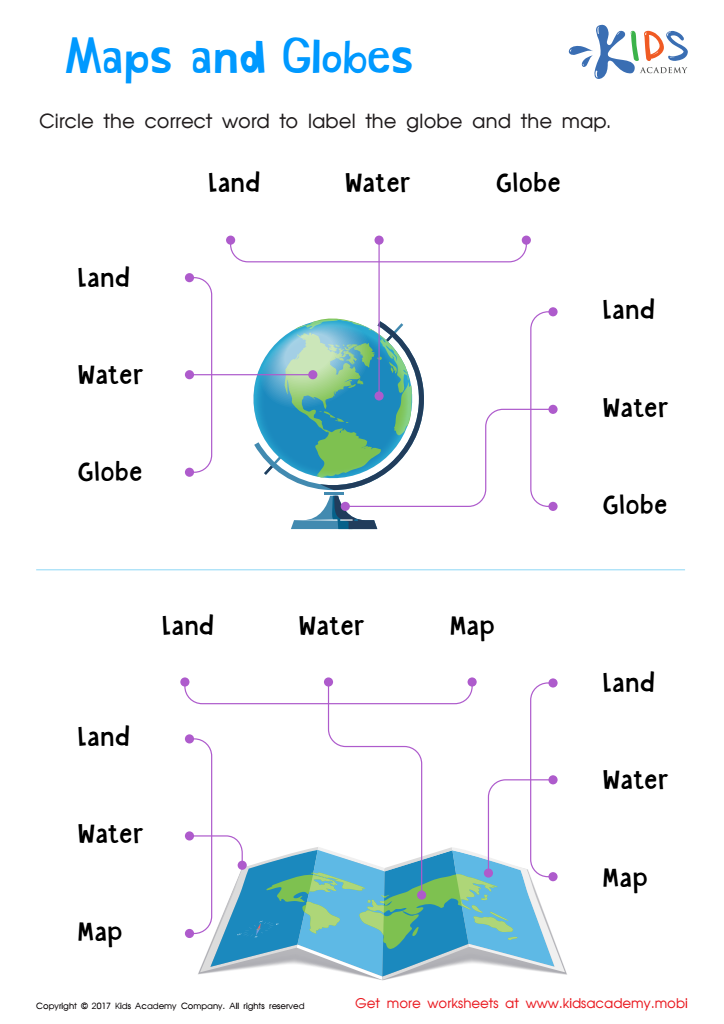
Explore our engaging Geography Skills Normal Worksheets designed for young learners! These worksheets are tailored to foster essential geography skills while keeping students entertained. Covering various topics, including map reading, identifying continents and countries, and understanding landscapes, these resources help children develop a foundational understanding of the world around them. Each worksheet encourages critical thinking and problem-solving through fun exercises, perfect for both classroom and home use. With easy-to-follow instructions and vivid illustrations, our worksheets are ideal for early grade teachers aiming to enhance students' geographic knowledge in an interactive manner. Start your adventure in geography today!
 Assign to My Students
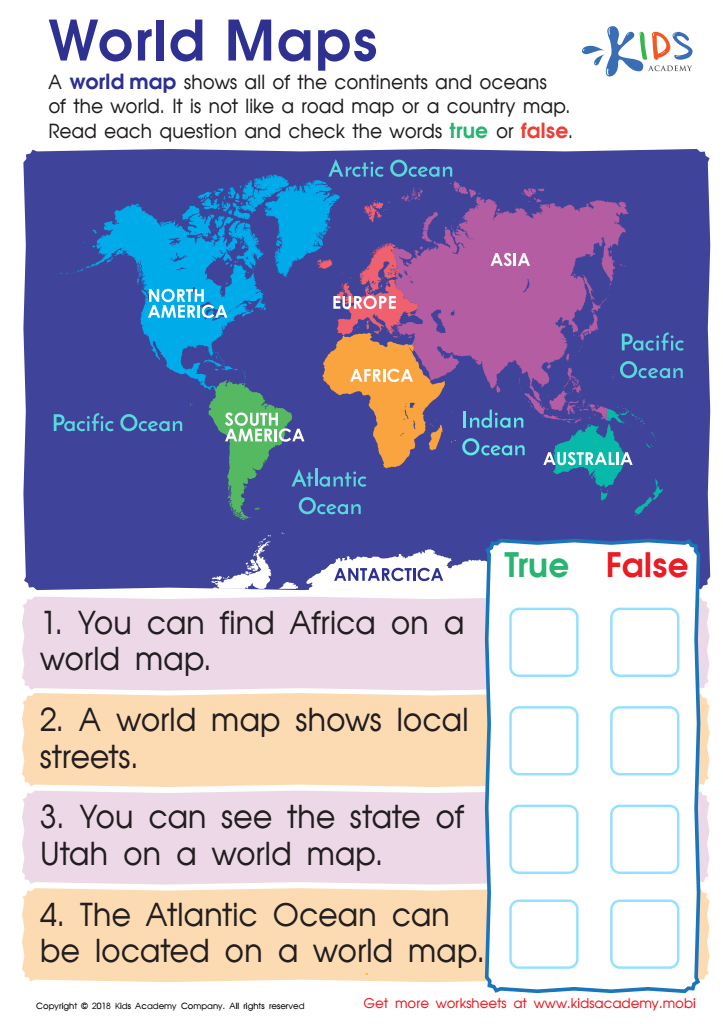
World Maps Worksheet
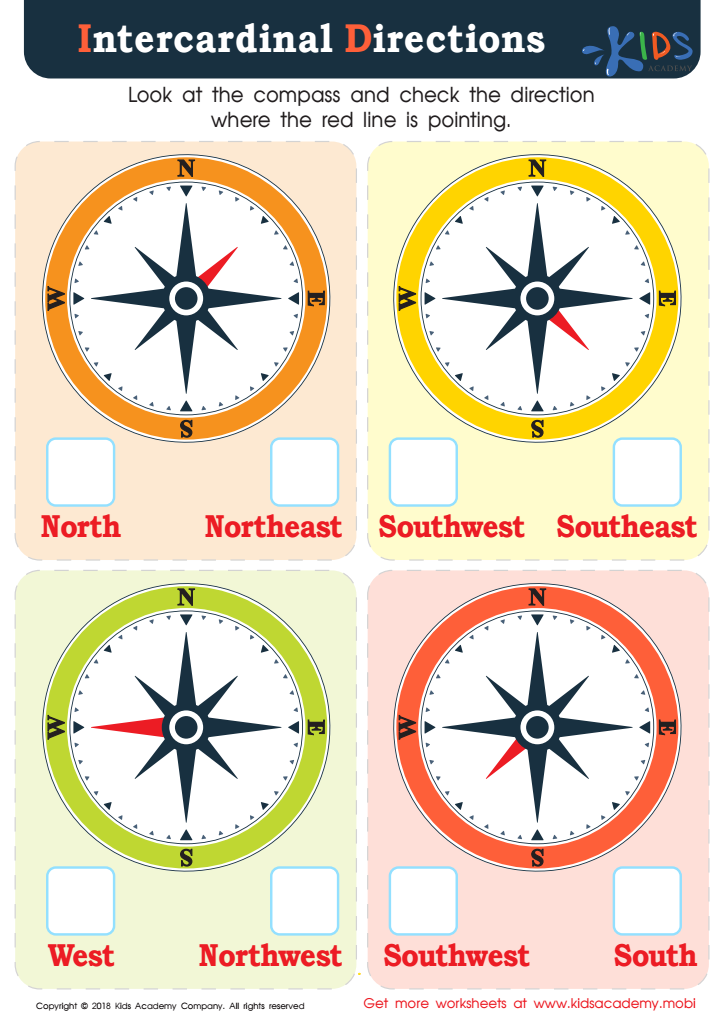
Intercardinal Directions Worksheet






Geography skills are essential for children as they foster critical thinking, cultural understanding, and awareness of global interconnections. Parents and teachers should prioritize geography education because it equips students with the ability to understand the world around them, promoting informed citizenship.
First, geography helps students comprehend the physical spaces they inhabit, including features like mountains, rivers, and climate zones, which influence human activity. This knowledge is crucial for making informed decisions about environmental conservation and sustainability.
Moreover, geography skills encourage cultural literacy by exposing students to diverse cultures, lifestyles, and histories. Understanding different regions fosters empathy and respect towards others, essential qualities in a multicultural society.
In an increasingly globalized world, having strong geography skills translates to improved awareness of geopolitical issues, economic relationships, and environmental challenges that cross national boundaries.
Additionally, geographical literacy is key for career opportunities in various fields, including urban planning, environmental science, and international relations.
Ultimately, by emphasizing geography education, parents and teachers can help students not only navigate their immediate surroundings but also develop the knowledge and skills needed to thrive in an interconnected world. Therefore, caring about geography is an investment in students’ future and the broader community.








