Historical Knowledge Normal Worksheets - Page 2
27 filtered results
-
From - To
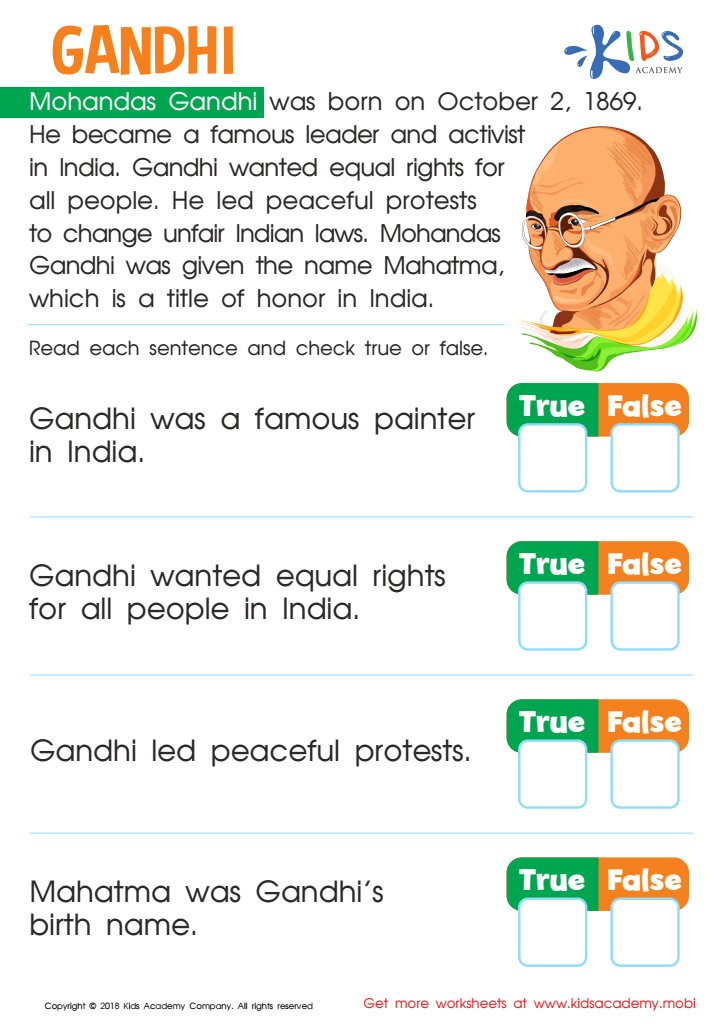
Gandhi Worksheet
 Assign to My Students
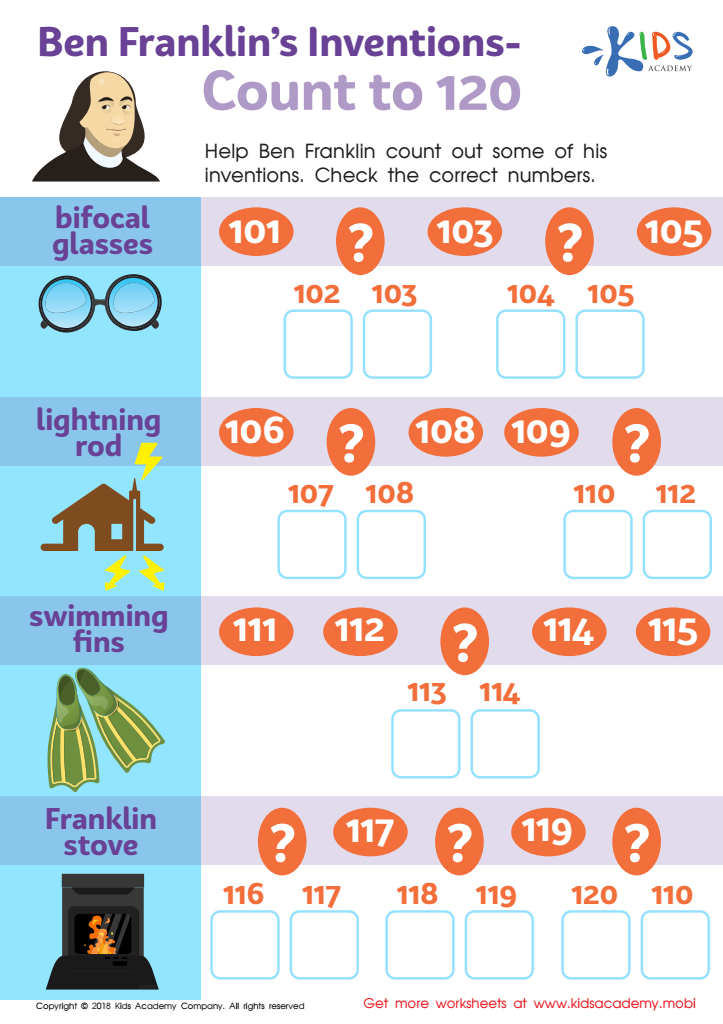
Ben Franklin’s Inventions – Count to 120 Worksheet
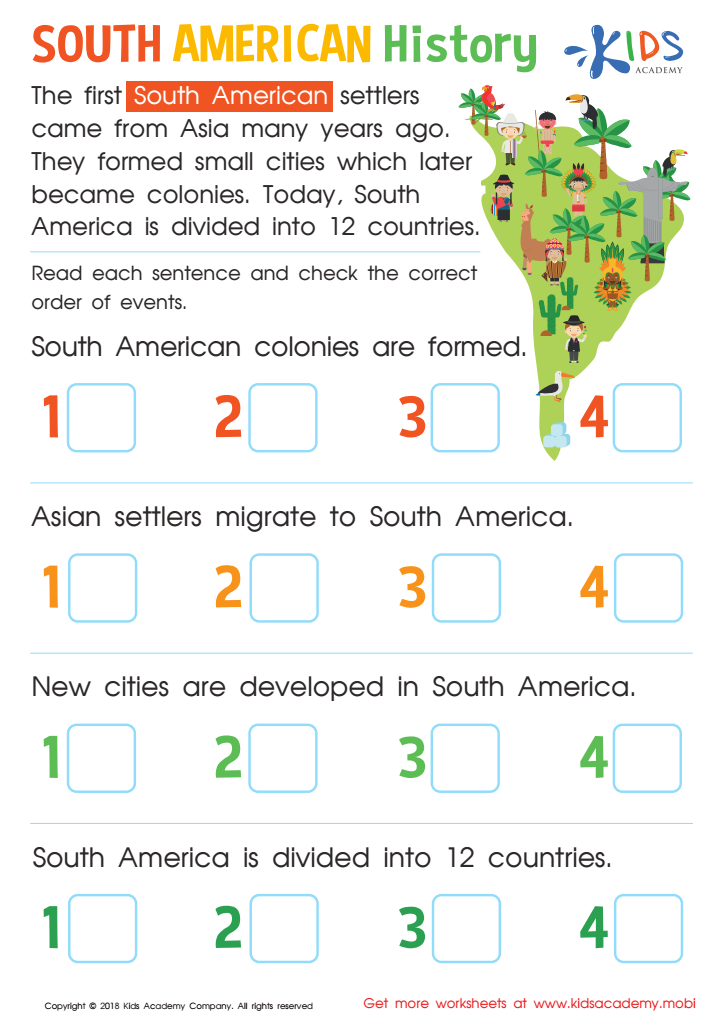
South American History Worksheet








Historical knowledge is vital for both parents and teachers to nurture in young learners as it serves several crucial roles in a child's education and development. First, understanding history helps children comprehend the world they live in by providing context about how societies evolve, the influence of cultural diversity, and the consequences of events over time. This context fosters critical thinking, allowing children to make sense of current events and societal issues with a well-rounded perspective.
Moreover, knowledge of history instills a sense of identity and belonging. It enables children to gain an appreciation for their heritage and the various influences that have shaped their community and surroundings. This can be particularly empowering, helping them to cultivate respect and empathy for others' backgrounds and experiences.
For teachers, integrating historical knowledge into the curriculum enriches interdisciplinary learning. Subjects like literature, science, and art all have historical contexts that can make lessons more engaging and comprehensible. History-related activities also enhance skills such as research, analysis, and structured argumentation.
Lastly, parents encouraging historical curiosity at home help develop lifelong learners who value knowledge and understanding. By engaging with history, children reap the benefits of a well-rounded education that informs their roles as thoughtful, informed citizens who are more likely to contribute positively to society.








