Improving observation skills Normal Worksheets
4 filtered results
-
From - To
Enhance your child's observation skills with our engaging Normal Worksheets designed for early learners! These printable activities are tailored to foster keen awareness and attention to detail. Each worksheet presents fun and interactive tasks, encouraging kids to explore their surroundings while honing critical thinking abilities. By participating in exercises that involve identifying differences, matching objects, and analyzing scenes, children develop essential observational skills fundamental for academic success. Perfect for home or classroom use, these worksheets are ideal for educators and parents looking to enrich their child's learning experience. Discover the joy of learning through observation with our expertly crafted worksheets!
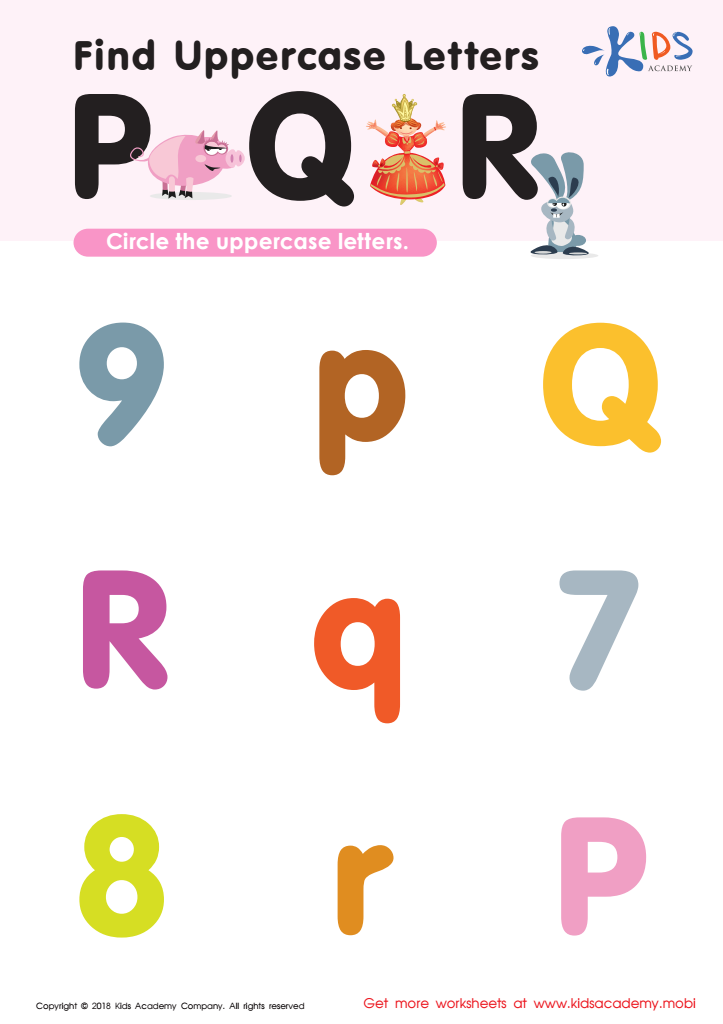
Find Uppercase Letters P, Q, and R Worksheet
 Assign to My Students
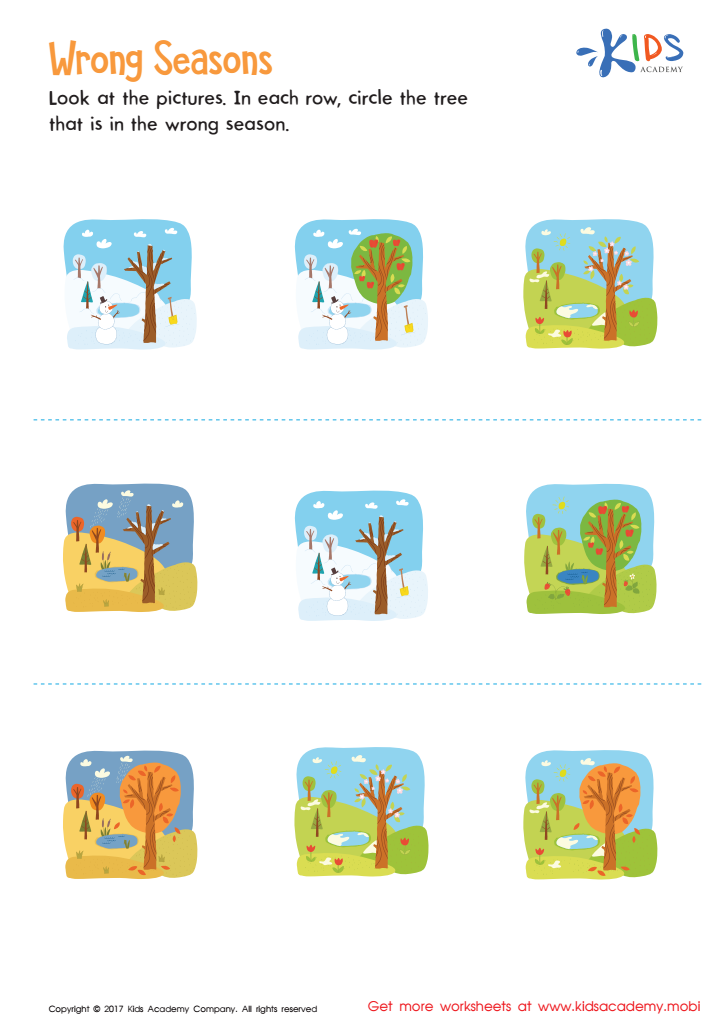
Wrong Seasons Worksheet
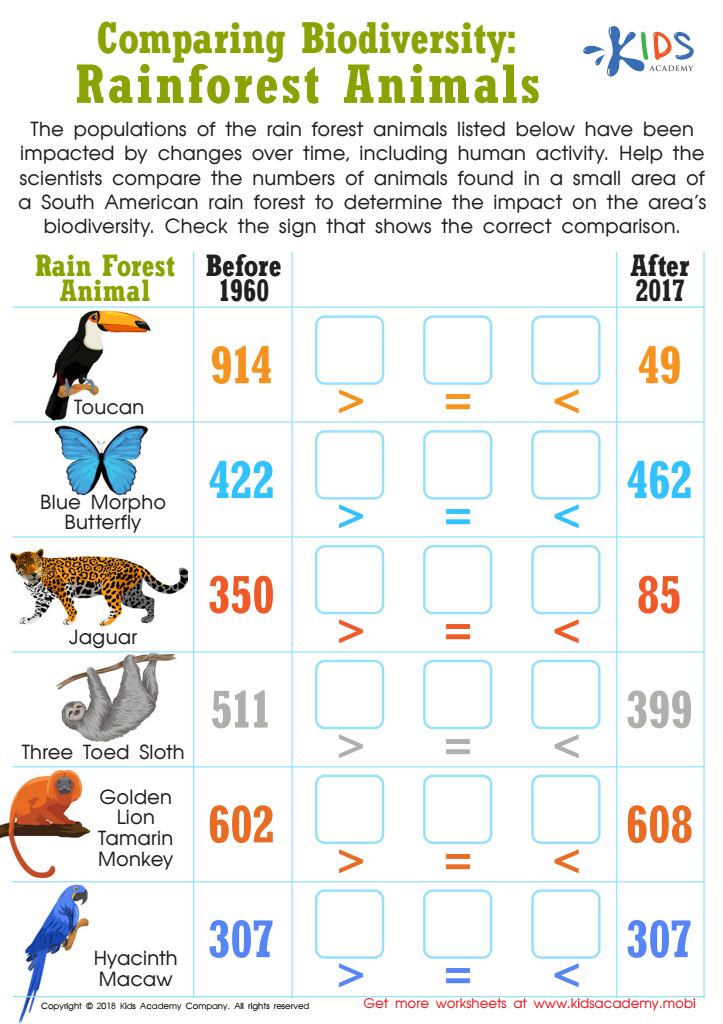
Comparing Biodiversity: Rainforest Animals Worksheet
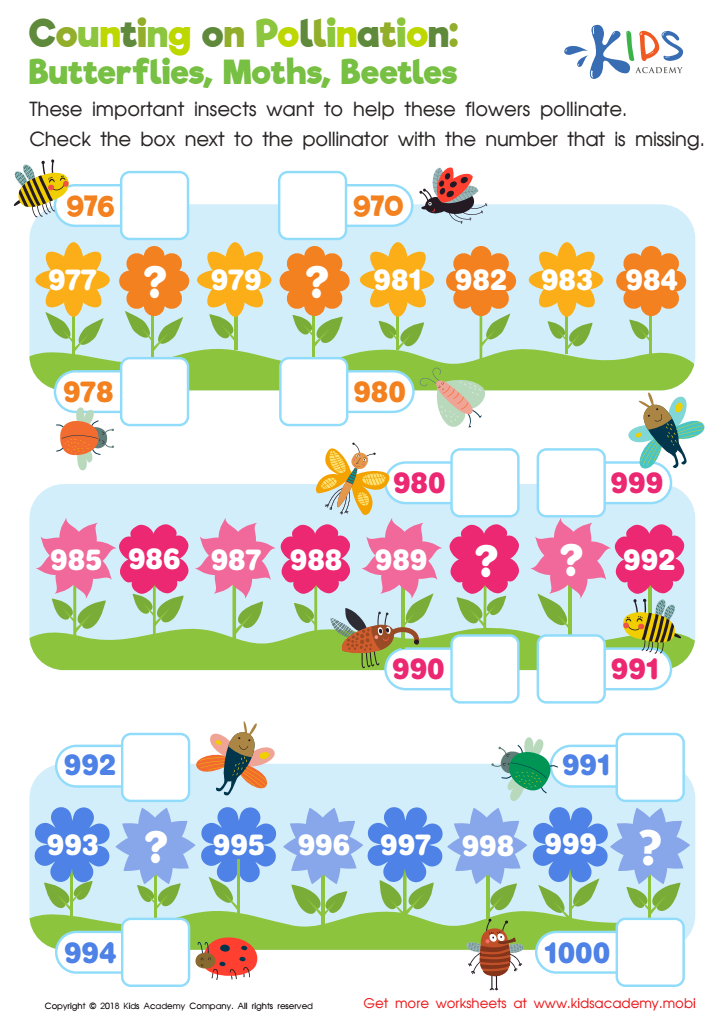
Counting on Pollination: Butterflies, Moths, Beetles Worksheet







Improving observation skills is crucial for both parents and teachers, as it enhances their ability to understand and support children's development effectively. Observation serves as a foundational tool in identifying a child’s strengths, interests, and areas needing improvement. By honing these skills, adults can better gauge students’ emotional and social cues, allowing for tailored instruction and intervention.
For instance, recognizing signs of frustration or boredom can prompt timely adjustments in teaching methods, fostering a more conducive learning environment. Additionally, improved observation skills enable parents and teachers to identify potential developmental delays or learning disabilities early, facilitating timely support and resources.
Furthermore, effective observation promotes positive relationships, as children feel seen and valued when their unique behaviors and needs are acknowledged. This connection encourages open communication, leading to a more collaborative and supportive learning atmosphere.
In essence, prioritizing observation skills equips parents and teachers with the insights necessary for nurturing children’s holistic growth, bolstering their confidence, and fostering academic success. Ultimately, keen observers can make well-informed decisions, promoting an environment where children can thrive emotionally, socially, and academically.








