Letter identification Normal Worksheets
4 filtered results
-
From - To
Introducing our engaging "Letter Identification Normal Worksheets" designed to support early literacy development. These worksheets provide a fun and interactive way for young learners to recognize and identify letters of the alphabet. Filled with colorful illustrations and dynamic activities, each worksheet encourages children to practice letter recognition through various exercises, including tracing, matching, and coloring. Aligned with educational standards, these resources cater to preschool and kindergarten students, promoting essential reading skills. Perfect for parents and educators, our worksheets foster a love for learning while enabling children to build a strong foundation in letter knowledge. Download your worksheets today to inspire young readers!
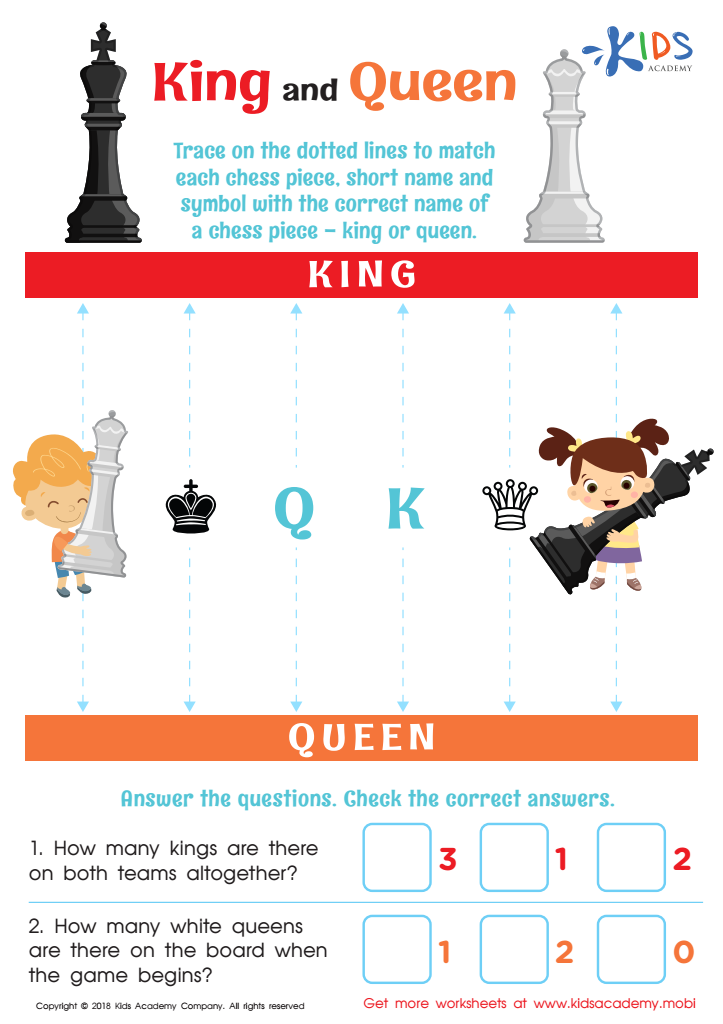
King and Queen Worksheet
 Assign to My Students
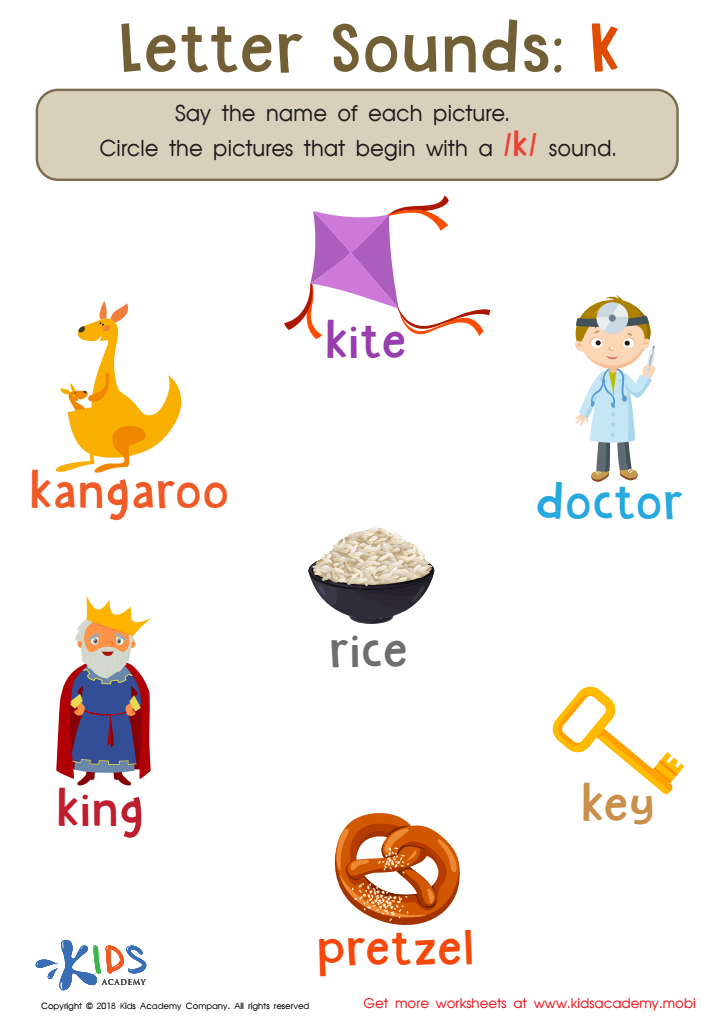
Letter K Sounds Worksheet
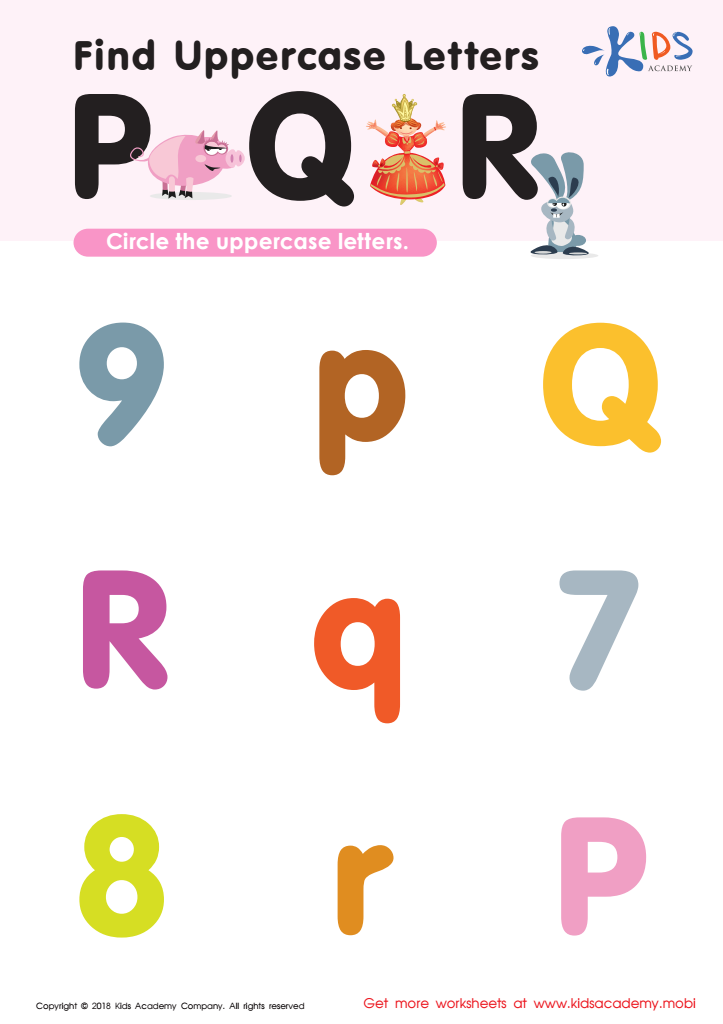
Find Uppercase Letters P, Q, and R Worksheet
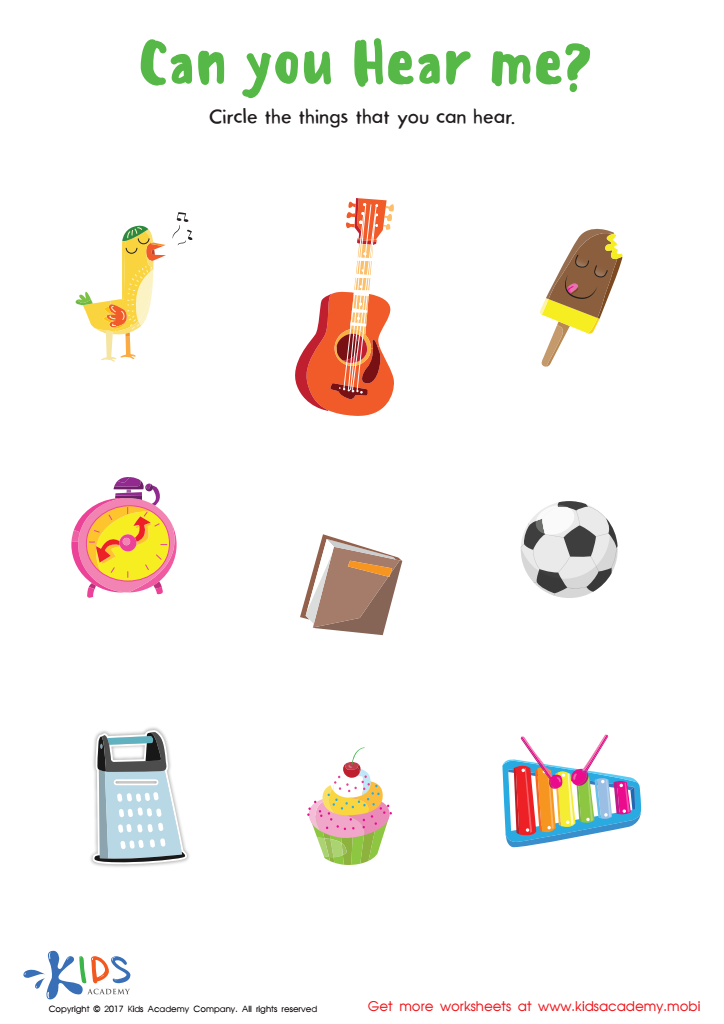
Can You Hear Me Worksheet



.jpg)



Letter identification is a fundamental skill in early literacy development that serves as the foundation for reading and writing. Parents and teachers should care about letter identification because it directly impacts a child's ability to decode and understand written language. When children can identify letters quickly and accurately, they are better equipped to recognize words and comprehend texts.
Developmentally, mastering letter identification is crucial in preschool and early primary years, as it sets the groundwork for phonemic awareness and phonics skills. This, in turn, enhances a child's reading fluency and comprehension, paving the way for academic success across subjects.
Moreover, letter identification contributes to a child's engagement and motivation in learning. When children feel confident in recognizing letters, they are more likely to participate in reading activities and develop a love for books, promoting lifelong learning.
Furthermore, ensuring that children achieve proficiency in letter identification allows educators to tailor instruction and support to individual needs, helping to identify those who may need additional assistance. Overall, focusing on letter identification equips young learners with essential skills, fostering their literacy growth and preparing them for future academic challenges. Parents and educators play a crucial role in this process, making it important for them to prioritize it.








