Phonics skills enhancement Normal Worksheets
3 filtered results
-
From - To
Enhance your child’s phonics skills with our engaging Normal Worksheets designed for early learners! These printable resources focus on key phonics concepts, including letter sounds, blending, and word recognition, helping students gain confidence in reading. Our worksheets enable fun, interactive learning through various activities that cater to different learning styles. Ideal for classroom use or at-home practice, these exercises motivate children to explore language while developing their literacy foundation. With a variety of colorful and appealing designs, our phonics worksheets keep young learners excited and eager to practice their skills. Download our Phonics Skills Enhancement Worksheets today for a fun-filled learning experience!
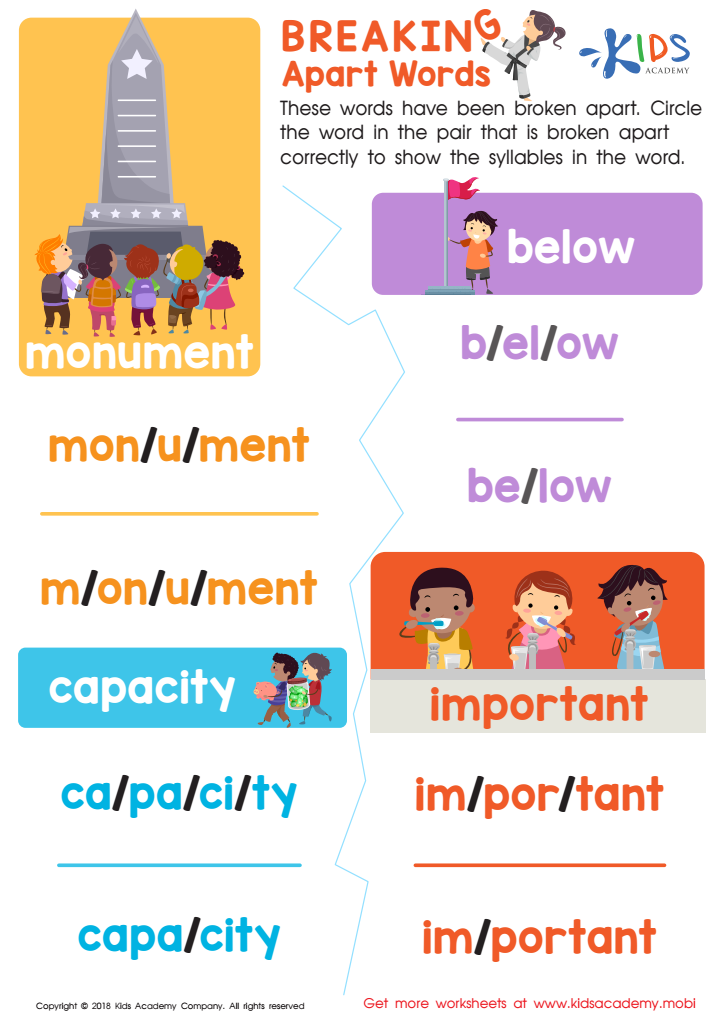
Breaking Apart Words Worksheet
 Assign to My Students
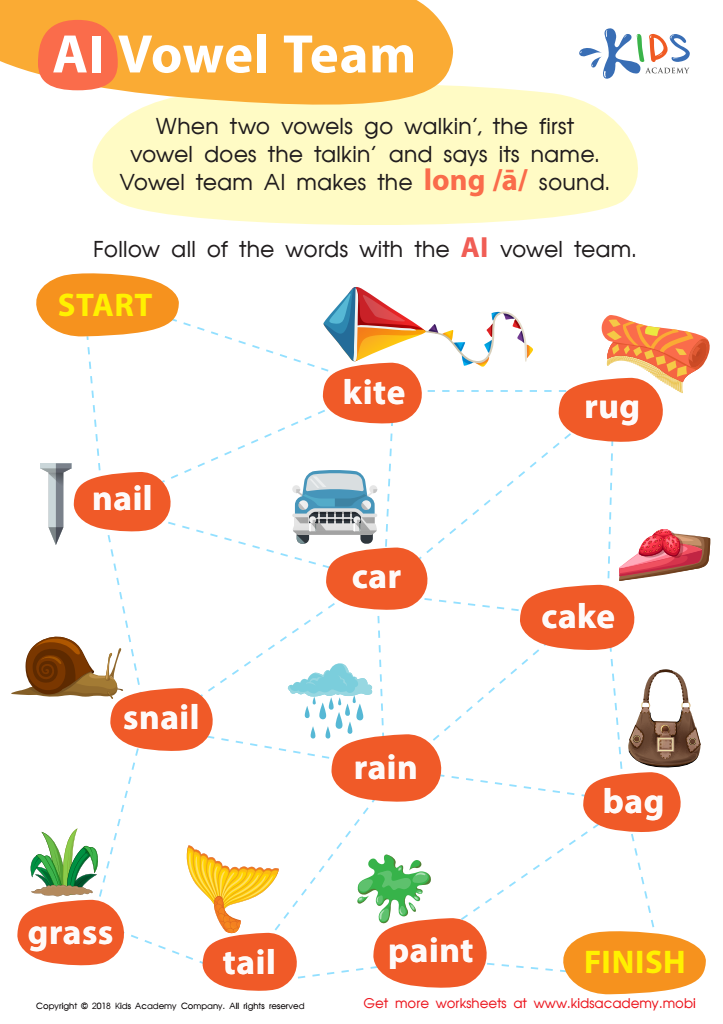
Reading: AI Vowel Team Worksheet
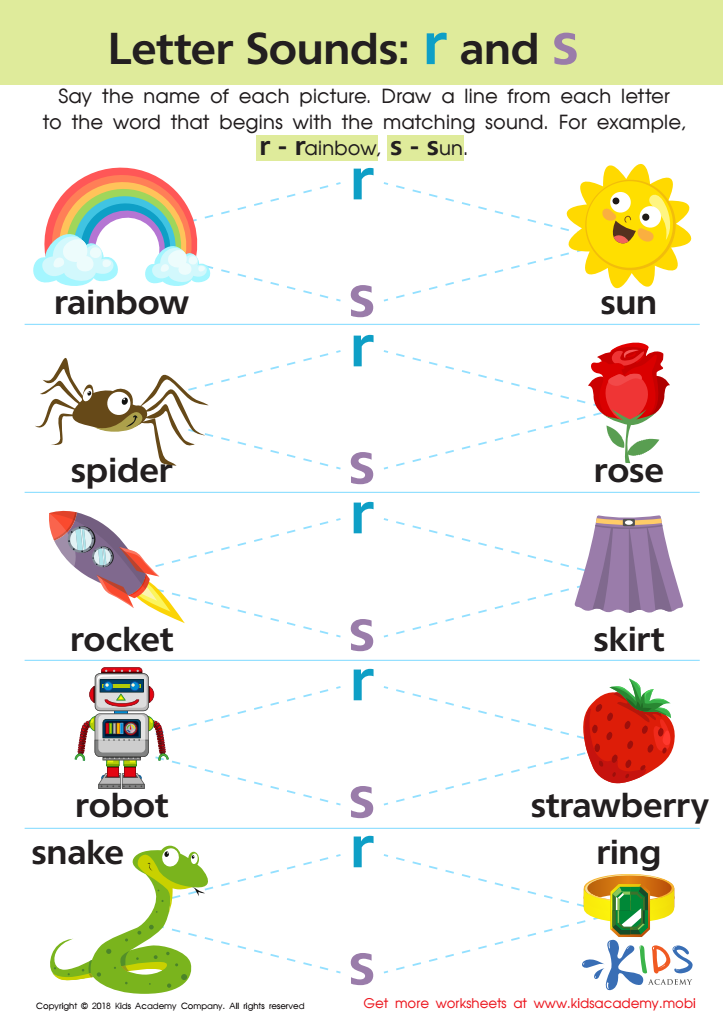
Letter R and S Sounds Worksheet







Phonics skills enhancement is crucial for young learners as it lays the foundation for reading and writing proficiency. Understanding phonics—the relationship between letters and their sounds—empowers children to decode words independently. When parents and teachers prioritize phonics, they facilitate early literacy skills, encouraging a love for reading that extends beyond the classroom.
Studies have consistently shown that strong phonics instruction correlates with improved reading comprehension and overall academic success. Moreover, children who struggle with phonics often face challenges in engaging with texts, leading to frustration and a negative attitude towards reading. By improving phonics skills, educators and parents can boost students' confidence, making them more enthusiastic learners.
Additionally, phonics instruction supports language development, enhancing vocabulary and improving spelling skills. In a world increasingly reliant on literacy, equipping children with robust phonics skills is vital for their social, academic, and eventual career success. Engaging parents in this process through activities and resources further reinforces these skills at home.
By committing to phonics skills enhancement, parents and teachers are not just teaching children to read; they are opening doors to a world of knowledge and possibilities that can shape their futures.








